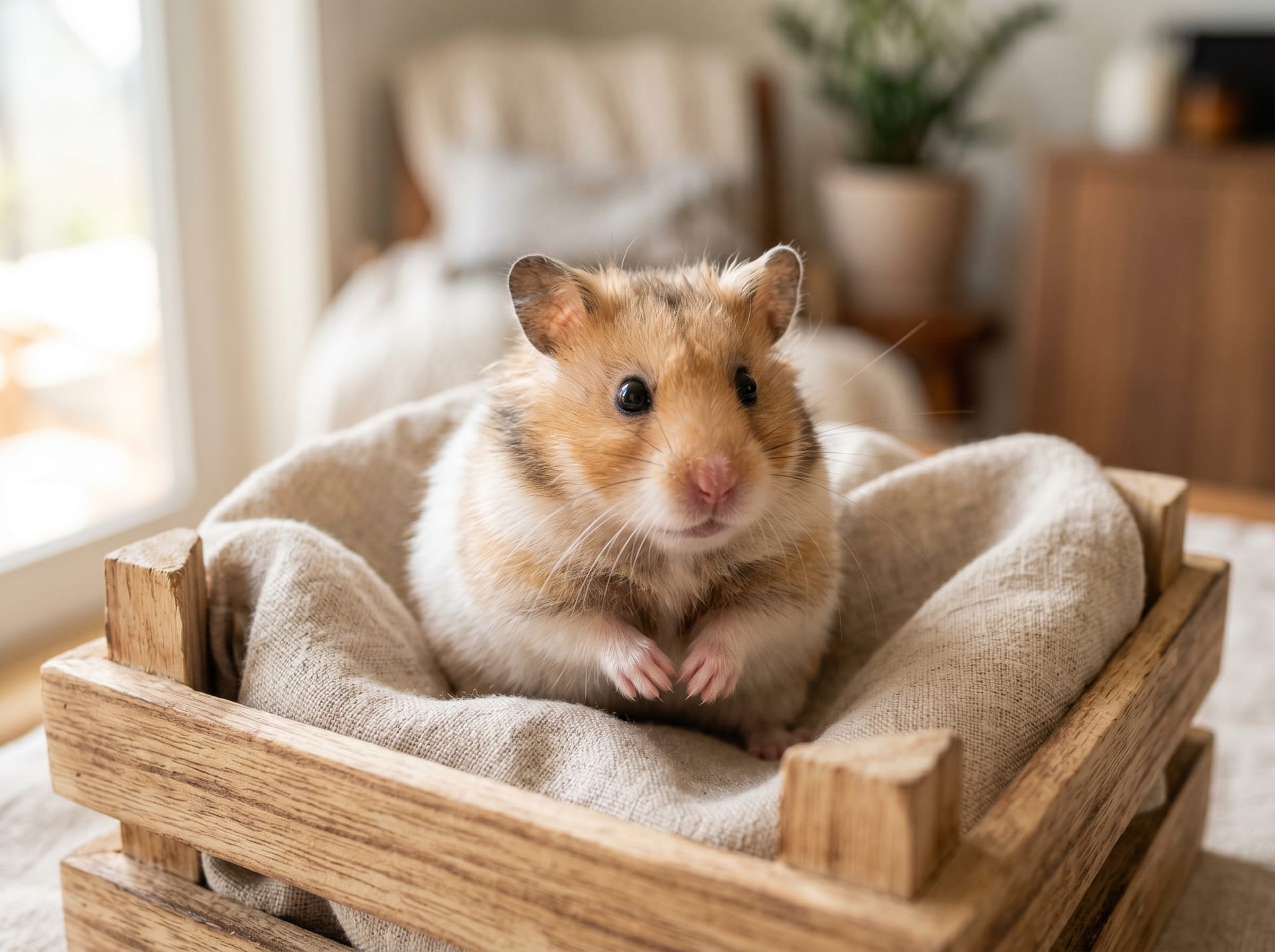
Hamsters are small, palm-sized animals beloved for their endearing behaviors, making them a popular choice for first-time pet owners and those living alone. As nocturnal creatures, they sleep through much of the day and become most active in the evening hours. With various breeds available, each differing in temperament and size, finding the right match for your lifestyle is key.
前 3 筆銷售免佣金!於 2026 年 7 月 31 日前註冊成為繁殖者,前 3 筆銷售免收佣金!
繁殖者 招募中!
在 BreederDirect 上架,直接銷售給全國各地的客戶!
小動物的上架商品中,繁殖者會公開下列資訊。確保健康檢查、疫苗、晶片等的透明度。
繁殖者正在陸續註冊,即將上架。設定上架通知,不錯過新商品。
「接收上架通知」需免費註冊會員即可設定。當有符合您儲存條件的新商品上架時,我們會以郵件和站內通知提醒您。
想上架小動物嗎?
註冊成為繁殖者,即可與買家直接聯繫。
價格區間
地區
屬性
The hamster's origins trace back to the golden hamster, first discovered in the Syrian desert and brought back for research purposes in the 1930s — an event widely considered the starting point of hamster domestication. Through selective breeding, smaller varieties such as the Djungarian and Campbell's hamster became widely popular, and today hamsters are cherished pets around the world. Size varies by breed: Syrian hamsters reach roughly 15–20 cm in length, while Djungarians remain compact at 7–12 cm. Coat colors range from white, grey, and gold to spotted patterns, with enthusiasts developing a rich array of color variations. In terms of temperament, hamsters are generally curious and active, yet prefer to live alone, which makes the gradual process of earning their trust through daily care a rewarding experience. Their quiet nature and modest space requirements make them well-suited to apartment living, and the opportunity to build a connection with a living creature through consistent daily interaction is a key reason so many people choose a hamster as their first pet.
1Nocturnal Lifestyle
Hamsters are nocturnal and spend most of the daytime sleeping inside their nest box. They become most active from evening into the night, so disturbing them during the day can cause unnecessary stress. Respecting their natural rhythm helps build trust over time.
2Cage Size Matters
In the wild, hamsters roam large territories, so cage size is important for their wellbeing. A cage of at least 60cm is recommended for Golden Hamsters, and 45cm or more for Dwarf breeds. A solid-surface exercise wheel (20–28cm in diameter) is essential to keep them physically active.
3Keep Them Solo
Hamsters are highly territorial by nature and can fight aggressively with others of the same species once they reach adulthood. Housing multiple hamsters together risks injury and chronic stress, so keeping each one in a separate cage is the standard practice. Even if they seem to get along at first, conflicts can arise unexpectedly.
4Temperature Sensitivity
Hamsters are sensitive to both heat and cold, with an ideal room temperature of around 18–26°C. When temperatures drop too low, they may enter a state of torpor that resembles hibernation, which can be life-threatening. Avoid sudden temperature changes near the cage by managing air conditioning and heating carefully throughout the year.
5Bedding and Nesting
Bedding should be layered 5–10cm deep to allow hamsters to dig and burrow as they naturally would. Paper-based or wood-based bedding is commonly used; avoid scented or dusty materials that can irritate their respiratory system. For nesting material, torn tissue paper is safer than cotton fluff, which can tangle around limbs.
6Diet and Nutrition
Pelleted food is the most nutritionally balanced option for hamsters, while seed mixes can lead to selective eating. Vegetables and fruits can be offered in small amounts as treats, but many foods are toxic to hamsters, including onion, garlic, grapes, and chocolate. Fresh water should be provided and changed daily.
7Lifespan and Vet Costs
The average lifespan of a hamster varies by breed but is typically around 2–3 years. Despite their short lives, they can develop health issues such as tumors, skin conditions, and dental problems. Veterinary clinics that specialize in small animals are not always easy to find, so it is wise to locate one in your area before any health issues arise.