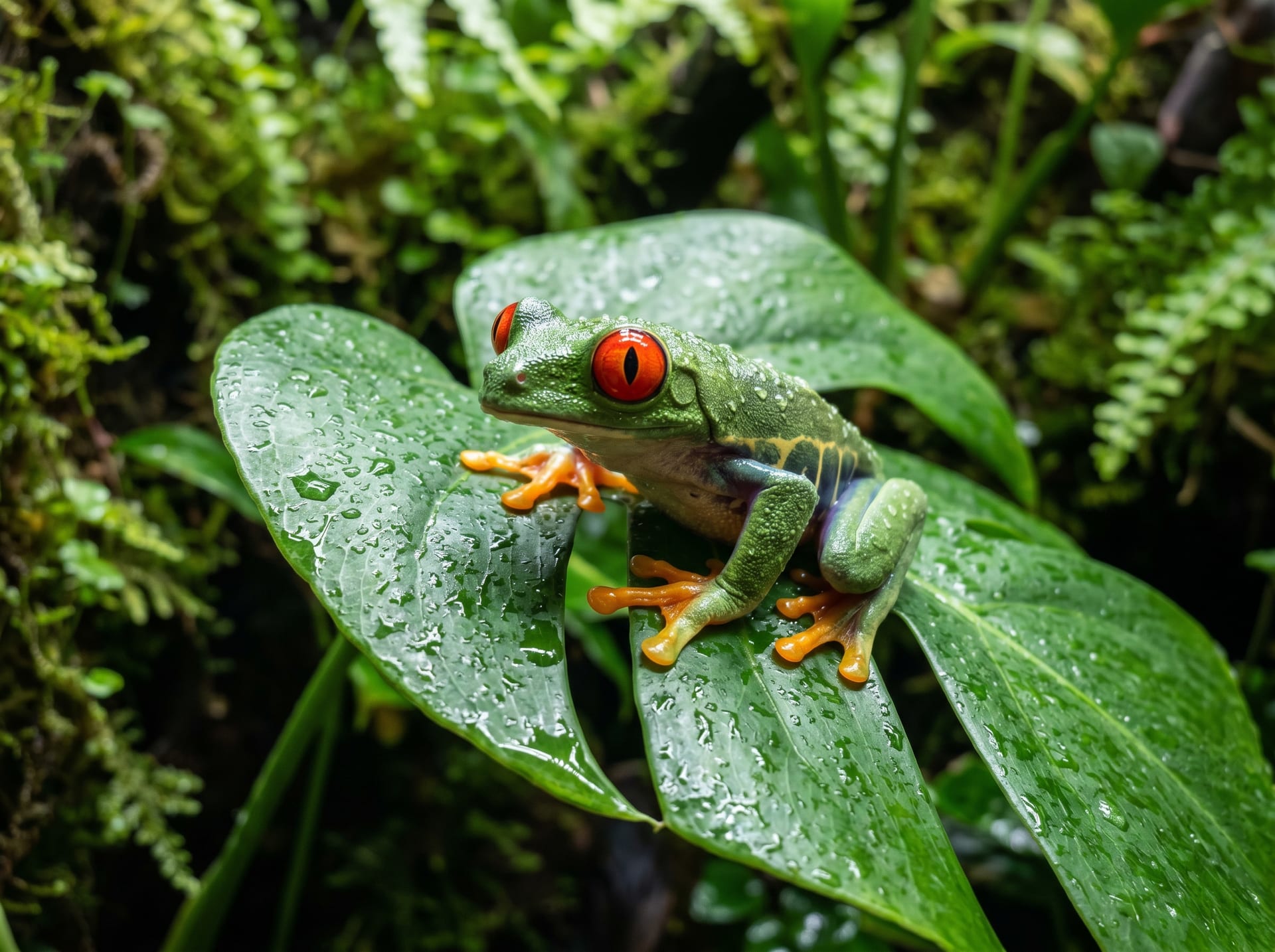
兩棲類(蛙·蠑螈)
青蛙和蝾螈是生態獨特、外觀多樣的兩棲動物,作為可以靜靜觀察享受的「觀賞寵物」越來越受歡迎。溫度和濕度管理至關重要,由於不同種類所需的環境條件差異很大,飼養前充分了解目標種類的生態習性很關鍵。處理應基本保持最少程度,以觀察為主的飼養方式才是兩棲動物飼養的真趣所在。
成交手續費 0%!2026年9月30日前註冊,前 2 筆成交免佣金!
繁殖者 招募中!
在 BreederDirect 上架,直接銷售給全國各地的客戶!
BreederDirect 承諾的 6 大透明度要點
爬蟲動物與兩棲動物出品中,繁殖者明確展示以下資訊。確保基因型、遺傳、食性和脾氣的透明度。
- 基因型明示
- 實物照片
- 食性明示
- 脾氣明示
- 遺傳明示
- 月齡明示
查看全部280個品種
食性
沒有符合條件的商品
請調整篩選條件,或在有新商品時接收通知。
「接收上架通知」需免費註冊會員即可設定。當有符合您儲存條件的新商品上架時,我們會以郵件和站內通知提醒您。
已註冊的繁殖者(搶先看)
關於兩棲類(蛙·蠑螈)
兩棲類是在約3億6000萬年前由魚類演化而來、地球上最古老的陸生脊椎動物之一。青蛙在全世界有7000種以上,從體色鮮豔的角蛙、森樹蛙,到擁有寶石般通透感的雨蛙類群,外觀的多樣性是其他寵物難以企及的。山椒魚同樣以纖細身軀加上四肢的原始之美吸引著人們,若把蠑螈類也算在內,愛好者更是絡繹不絕。由於所有種類都進行皮膚呼吸,牠們需要濕潤的環境,飼養者每天都要管理溫度、濕度與水質這三大要素。兩棲類有著以觀察而非上手把玩為主的獨特飼養文化,靜靜欣賞個體在精心布置的生態缸中悄然活動的時光,吸引了眾多愛好者。
迎接兩棲類(蛙·蠑螈)前需要了解的7件事
1種類選擇最重要
根據種類的不同,青蛙和蝾螈對溫度、濕度和食性的需求差異很大。初學者應該選擇飼養經驗豐富的種類,比如角蛙或火蝾螈。購買前一定要確認成體大小和壽命(某些種類壽命可達10~20年)。
2營造水陸兩用的環境
大多數兩棲類需要既有水場又有陸地的半水生或半陸生環境。某些種類需要完全水中環境(如有尾類幼體),而有些是完全陸生的。環境設計應根據該種的生態特點來安排。提供適當的底砂、水草和躲藏處可以減輕動物的應激。
3溫濕度管理至關重要
兩棲類是變溫動物,不適當的溫度會導致免疫力下降和消化不良。許多種類怕高溫,夏季降溫措施必不可少。請安裝多個數字溫濕度計,養成持續監測的習慣。
4皮膚吸收的敏感性
兩棲類的皮膚非常薄弱,會直接吸收水分、毒素和化學物質。自來水必須除氯才能使用,手上的汗液和防曬乳也可能對它們有害。接觸時,一定要用水沖洗乾淨雙手後再進行,並盡可能縮短接觸時間。
5以活食為基本的食物
大多數青蛙和蝾螈主要以活的昆蟲和小動物為食。蟋蟀、杜比亞蟑螂、黃粉蟲等比較常見,鈣質和維生素的噴粉對維持健康非常重要。投餵頻率因種類和年齡而異,幼體需要每天投餵,成體則大約2〜3天1次為目標。
6不要忽視疾病的信號
兩棲類常見的疾病包括壺菌病、紅腿病(細菌感染)和隱孢子蟲感染等。食欲下降、皮膚變色、活動遲緩都是不適的信號,早期發現很重要。建議提前尋找能診治兩棲類的爬蟲類和異寵專科動物醫院。
7初期投資與維護費用
飼育環境的初期費用大約為籠子、照明、溫濕度管理器具、過濾器等共2〜5萬元。每月的維護費用包括活食、補充劑、電費等,通常在3,000〜8,000元左右。稀有種類或進口種類的生體價格可能數萬元以上,因此需要進行全面的預算規劃。
兩棲類(蛙·蠑螈)的常見問題
- Q.青蛙和蝾螈,初學者更適合哪一種?
- A.無論是蛙類還是蚓螈,飼養難度因品種而異。作為入門品種,角蛙(可在簡單的飼養環境中飼養)和紅腹蚓螈(國產、強健)很受歡迎。建議先選擇一個品種,充分了解該品種的習性後再飼養。
- Q.需要每天餵食嗎?
- A.大多數品種不需要每天餵食,基本上是每2〜3天餵一次。消化所需的時間比哺乳動物長,過度餵食會導致肥胖和消化不良。遵守每個品種的推薦餵食頻率和每次餵食量是長期飼養的關鍵。
- Q.可以觸摸兩棲類嗎?皮膚毒素安全嗎?
- A.作為寵物流通的大多數品種毒性不強,但箭毒蛙等有毒物種需要謹慎處理。另一方面,人手上的油脂和鹽分會對個體皮膚造成傷害,因此應盡量減少接觸,接觸後務必洗手。
- Q.冬天需要加熱器嗎?可以讓它們冬眠嗎?
- A.熱帶和亞熱帶原產的品種(角蛙、樹蛙類等)對低溫敏感,冬季需用加熱墊或加熱燈維持20℃以上。國產品種(如紅腹蚓螈)可以冬眠,但飼養條件下的冬眠管理伴隨體力下降的風險,因此初學者最好避免無加溫的冬眠。
- Q.可以在同一個飼養箱中混合飼養多個品種嗎?
- A.原則上不推薦異種混養。不同種類需要的溫濕度條件不同,而且大型種可能捕食小型種,皮膚分泌物也可能對其他種造成影響。即使是同種多隻飼養,也需要確保個體間相容性良好,並提供充足的空間。