成交手續費 0%!2026年9月30日前註冊,前 2 筆成交免佣金!
繁殖者 招募中!
在 BreederDirect 上架,直接銷售給全國各地的客戶!
BreederDirect 承諾的 6 大透明度要點
爬蟲動物與兩棲動物出品中,繁殖者明確展示以下資訊。確保基因型、遺傳、食性和脾氣的透明度。
- 基因型明示
- 實物照片
- 食性明示
- 脾氣明示
- 遺傳明示
- 月齡明示
查看全部34個品種
食性
爬蟲動物與兩棲動物分類正在招募認證繁殖者
繁殖者正在陸續註冊,即將上架。設定上架通知,不錯過新商品。
「接收上架通知」需免費註冊會員即可設定。當有符合您儲存條件的新商品上架時,我們會以郵件和站內通知提醒您。
已註冊的繁殖者(搶先看)
大壁虎的基本資料
- 飼養難度
- 適合中級者
- 壽命
- 10~15年
- 體型
- 25~35厘米
- 適宜溫度
- 26〜32℃
- 適宜濕度
- 60〜80%
- 飲食
- 蟋蟀、杜比亞蟑螂等昆蟲
- 飼養環境
- 屬樹棲型,在高的縱長飼養箱中佈置攀爬木。能自如地在牆面和頂部移動,必須做好防逃措施。
- 溫度與濕度
- 溫度維持26〜32℃,濕度60〜80%。每日噴霧保持濕度,牆面的水滴可作為飲水。
- 餌料與餵食
- 食蟲性,投餵蟋蟀、麵包蟲、杜比亞蟑螂等。屬夜行性,傍晚以後餵食更容易進食。
- 性格
- 注意咬人。不建議徒手處理。
- 健康與注意事項
- 夜行性,夜間會發出很大的叫聲,放置位置要考慮周到。野生個體多脾氣暴躁,人工繁殖個體更容易馴化。
關於大壁虎
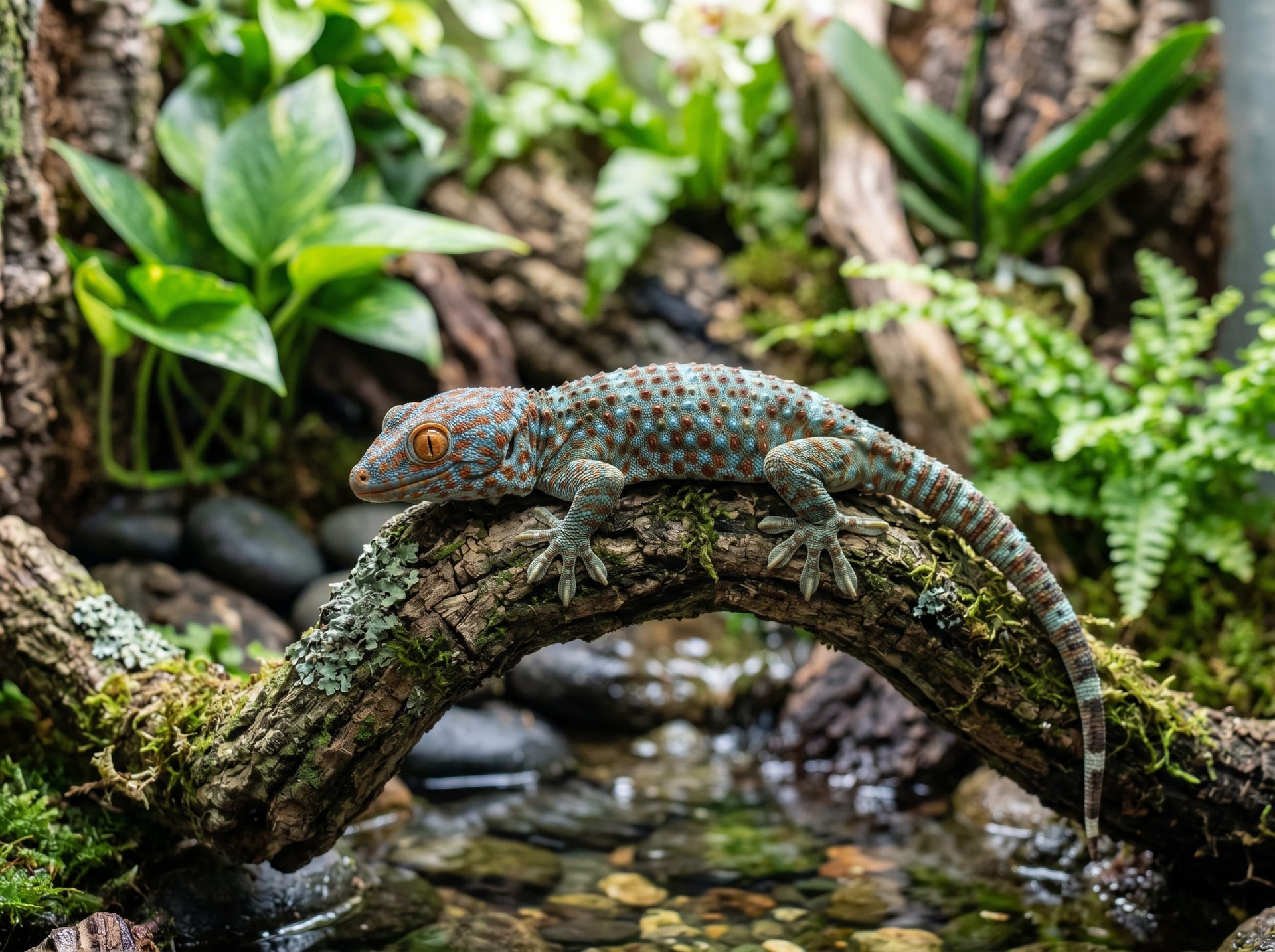
托凱壁虎(學名:Gekko gecko)廣泛分佈於東南亞至南亞地區,由於經常出現在民居牆壁上,當地人對其早已習以為常。日本自1990年代以後隨著爬蟲類熱潮而流入市場,如今已有彩色變異品系面世。其最顯著的外觀特徵是灰青色的底色散佈著鮮豔的紅橙色斑點,成體體長可達30~40cm,屬於壁虎中世界最大級別的物種之一。其足部具有特殊的趾下薄板結構,使其能夠輕鬆在玻璃表面爬行,其活躍程度令人驚歎。性格上警戒心強、領地意識也很強,初學者若嘗試手持往往會遭到猛烈咬傷。另一方面,它在夜間發出的「托凱」的洪亮鳴聲及其氣勢磅礡的體色,使其作為觀賞爬蟲類具有獨一無二的存在感。在溫度、濕度管理得當的條件下,可進行10年以上的長期飼養,其莊重的姿態不斷吸引著飼養愛好者。
迎接大壁虎前需要了解的7件事
1謹防強烈咬傷
托凱壁虎的防禦本能非常強烈,試圖觸摸它們時會激烈咬傷。顎部力量很強,被咬傷可能導致出血,因此強烈建議不要徒手操作,一定要戴上厚手套。在完全熟悉之前,應將接觸降到最低限度。
2豎型飼養箱必不可少
托凱壁虎是樹棲壁虎,會爬樹和牆面。在高度充足的豎型飼養箱(最低60cm以上)中,通過組合軟木皮、沉木、人工植物等材料營造立體化的布景,可以觀察到它們活躍的行為。根據成體體型,要確保飼養空間足夠寬敞。
3溫度和濕度管理
白天適溫為25~30℃,夜間約為20~25℃,日光浴區保持在32℃左右。濕度需維持在60~80%,每天噴霧1~2次可促進蛻皮。安裝溫度計和濕度計,保持即時監測。
4飼料以活食為基本
主食為蟋蟀和杜比亞蟑螂等昆蟲,體型以不超過壁虎頭寬為標準。通常每週投餵2~3次,並配合鈣粉投餵以促進骨骼形成。偶爾投餵粉紅鼠仔可補充動物性蛋白質。
5對其特有的鳴聲有心理準備
托凱壁虎在爬蟲類中聲音特別大,重複發出「托凱」的鳴聲在夜間能傳到數十公尺遠處。作為夜行動物,它在就寢時段叫聲最頻繁。在公寓或隔音不佳的環境中需考慮對鄰居的影響。
6單獨飼養為基本
托凱壁虎領地意識很強,若將同種個體混養會引發激烈的地盤爭奪。雄性之間幾乎必然會打鬥,因此通常應單獨飼養在不同的籠子裡。即使是為了繁殖而配對,也應在監督下短時間配對,之後立即分離以確保安全。
7適應需要很長時間
由於野性強烈,購買初期會頻繁出現威脅、逃竄和咬人行為。通過每天在相同時間在籠子周圍活動,可以逐步讓牠習慣你的存在。完全適應把玩的個體較少,往往需要花費數個月至數年的時間,這並不罕見。
大壁虎的常見問題
- Q.托凱蜥蜴真的會習慣人類嗎?
- A.雖然個體存在差異,但通過耐心堅持的方法,咬人行為會逐漸減少,有些個體也會接受把玩。不過,牠們幾乎不會像犬貓那樣對飼主產生感情,即便習慣了,也只是「容忍」的狀態。與其把馴化作為目標,不如以觀賞為主來享受飼養更為合適。
- Q.鳴叫聲有多大?
- A.「托卡」的叫聲可以傳到數十公尺外,在夜間突然鳴叫時可能會嚇到人。在集合住宅中需要考慮對鄰居的影響,很多飼養者都在考慮採取隔音措施。鳴叫的頻率因個體和季節而異。
- Q.單獨飼養是基本要求嗎?
- A.基本上推薦單獨飼養。特別是雄性之間會激烈爭鬥,存在一方重傷的風險。即使是為了繁殖而進行的配對飼養,也不應該長期同居,交配後應立即分離以確保安全。
- Q.壽命有多長?
- A.在適當的飼育環境下,已知這種壁虎可以活10〜15年左右,屬於相對長壽的種類。由於需要長期的承諾,在開始飼養之前應該充分考慮是否能夠持續飼養。
- Q.聽說牠們容易逃脫,這是真的嗎?
- A.由於它們能在竪直面和天花板上自由移動,如果籠子間隙或蓋子固定不足,就容易逃脫。必須使用帶有鎖定機制的網狀蓋,並妥善封閉繩索孔等小縫隙。一旦逃脫就會很難被發現。
適合飼養大壁虎的實用工具
在圖鑑中詳細了解大壁虎
查看大壁虎的圖鑑條目 →
收錄飼養難度、壽命、體長、食性等基礎資料。