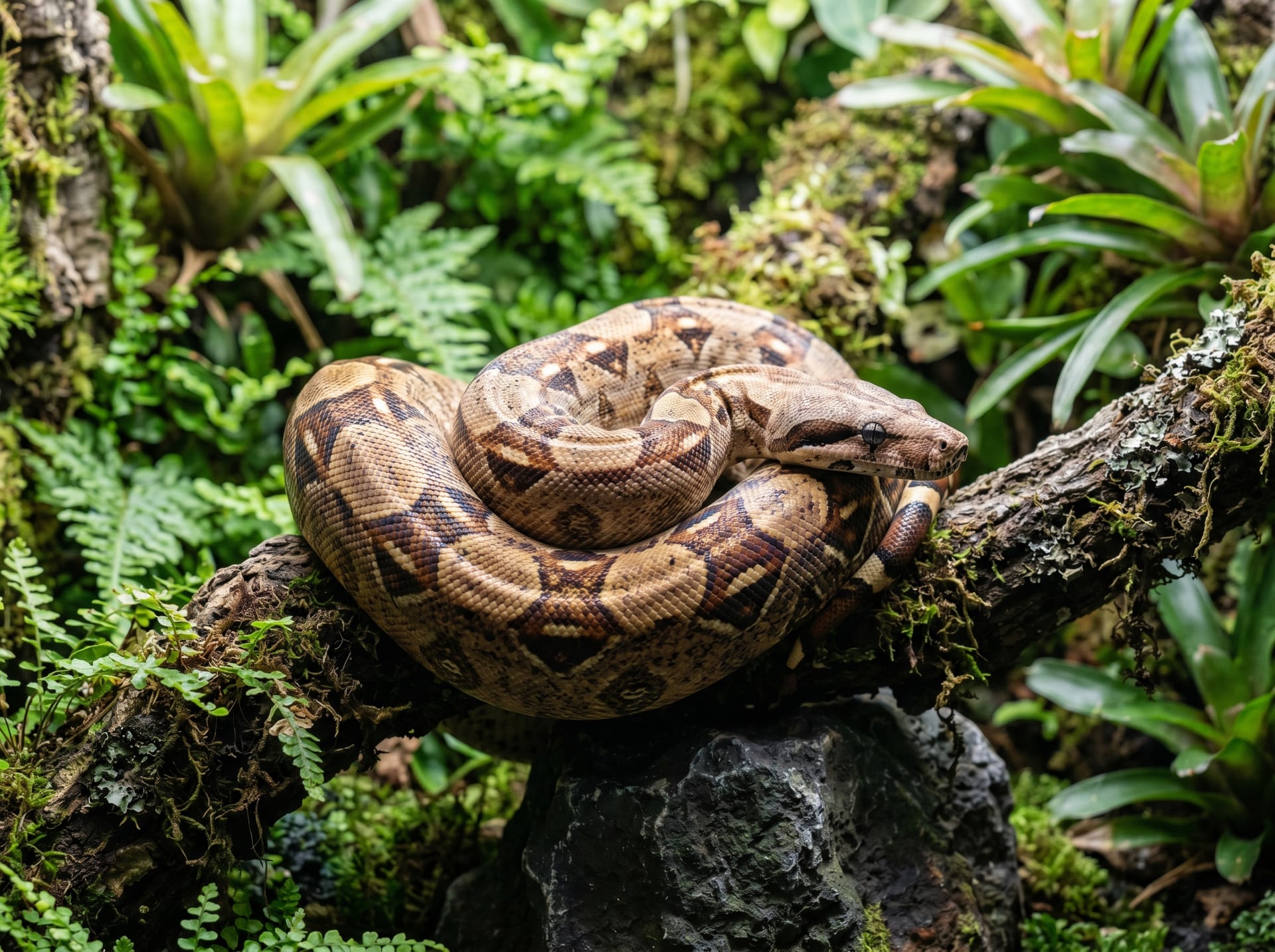
Boa constrictors, native to Central and South America, are large snakes that typically grow between 1.5 and 3 meters, prized by reptile enthusiasts for their powerful build and striking patterns. Many individuals become calm and handleable with consistent, gentle interaction, making them rewarding long-term companions. That said, their size demands substantial housing and equipment, so careful planning before acquisition is essential.
前 3 筆銷售免佣金!於 2026 年 7 月 31 日前註冊成為繁殖者,前 3 筆銷售免收佣金!
繁殖者 招募中!
在 BreederDirect 上架,直接銷售給全國各地的客戶!
爬蟲動物與兩棲動物出品中,繁殖者明確展示以下資訊。確保基因型、遺傳、食性和脾氣的透明度。
繁殖者正在陸續註冊,即將上架。設定上架通知,不錯過新商品。
「接收上架通知」需免費註冊會員即可設定。當有符合您儲存條件的新商品上架時,我們會以郵件和站內通知提醒您。
想上架爬蟲動物與兩棲動物嗎?
註冊成為繁殖者,即可與買家直接聯繫。
價格區間
地區
屬性
The boa constrictor (Boa constrictor) is a large, non-venomous snake widely distributed across Central and South America, from tropical rainforests to arid scrublands, and has long been recognized by the indigenous peoples of its native range. Body coloration varies greatly among individuals, with beautiful saddle-shaped patterns in brown, gray, and off-white along the back, and selective breeding has produced a wide array of morphs including red, hypo, and albino forms. Adults typically reach 1.5–3 meters, with females tending to grow larger than males. Notably, boas are viviparous—giving birth to live young that hatch inside the mother's body. Their temperament is generally calm; with regular handling, many individuals become quite relaxed and develop a unique bond with their keeper over time. Long-lived and full of personality, boas are a species that reward patience and dedication, offering the full depth of what reptile keeping has to offer.
1Large Enclosure Required
Adult boas require an enclosure at least 150 cm wide. Juveniles can be kept in smaller setups, but you should plan to upgrade the enclosure as your snake grows. More floor space means less stress and a healthier snake overall.
2Temperature Gradient Is Key
As ectotherms, boas need a thermal gradient with a warm basking spot (30–33°C) and a cool side (25–27°C). Nighttime temperatures should not drop below 22°C to prevent digestive issues and immune suppression. Use thermometers at multiple points to monitor accurately.
3Maintain 50–70% Humidity
Insufficient humidity can lead to incomplete sheds in boas. Monitor humidity continuously with a hygrometer and adjust using misting or a wet hide during dry seasons. When the eyes turn blue-gray, indicating pre-shed, temporarily raise humidity to help ensure a clean shed.
4Feed Frozen-Thawed Prey
Boas eat mice or rats sized roughly equal to the thickest part of their body. Frozen-thawed prey is recommended for safety. Feeding frequency is typically once a week for juveniles and every two to four weeks for adults. Sudden changes in appetite can signal health issues.
5Handle with Care and Patience
Boas can become accustomed to handling, but avoid contact immediately after arrival and within 48 hours of feeding. Start with short, infrequent sessions and handle only when the snake appears calm. When managing larger individuals alone, support the full body length and avoid restraining the neck area.
6Understand Upfront and Ongoing Costs
Initial setup costs for a large enclosure, heating equipment, thermostats, and lighting can easily total tens of thousands of yen. Ongoing expenses include electricity for heating and lighting, plus food costs that increase as the snake grows. Since boas can live 15–20 or more years, long-term financial planning is important.
7Find a Reptile-Savvy Vet First
Common health concerns in boas include respiratory infections, stomatitis, and mite infestations. Veterinary clinics experienced with reptiles are limited, so locate one in your area before bringing your snake home. Regular weight checks and visual inspections help detect problems early.