成交手續費 0%!2026年9月30日前註冊,前 2 筆成交免佣金!
繁殖者 招募中!
在 BreederDirect 上架,直接銷售給全國各地的客戶!
BreederDirect 承諾的 6 大透明度要點
爬蟲動物與兩棲動物出品中,繁殖者明確展示以下資訊。確保基因型、遺傳、食性和脾氣的透明度。
- 基因型明示
- 實物照片
- 食性明示
- 脾氣明示
- 遺傳明示
- 月齡明示
查看全部34個品種
食性
爬蟲動物與兩棲動物分類正在招募認證繁殖者
繁殖者正在陸續註冊,即將上架。設定上架通知,不錯過新商品。
「接收上架通知」需免費註冊會員即可設定。當有符合您儲存條件的新商品上架時,我們會以郵件和站內通知提醒您。
已註冊的繁殖者(搶先看)
藍舌石龍子的基本資料
- 飼養難度
- 適合新手
- 壽命
- 15-20 years
- 體型
- 45-60cm
- 適宜溫度
- 25〜32℃
- 飲食
- Omnivore (vegetables, fruits, insects, dog food)
- Temperature
- 25-32°C (basking 35°C)
- Substrate
- Aspen chips or similar dry substrate
- Lighting
- UVB light recommended
- Feeding
- 50% vegetables, 40% protein, 10% fruit
- Notes
- Prone to obesity — monitor food intake
關於藍舌石龍子
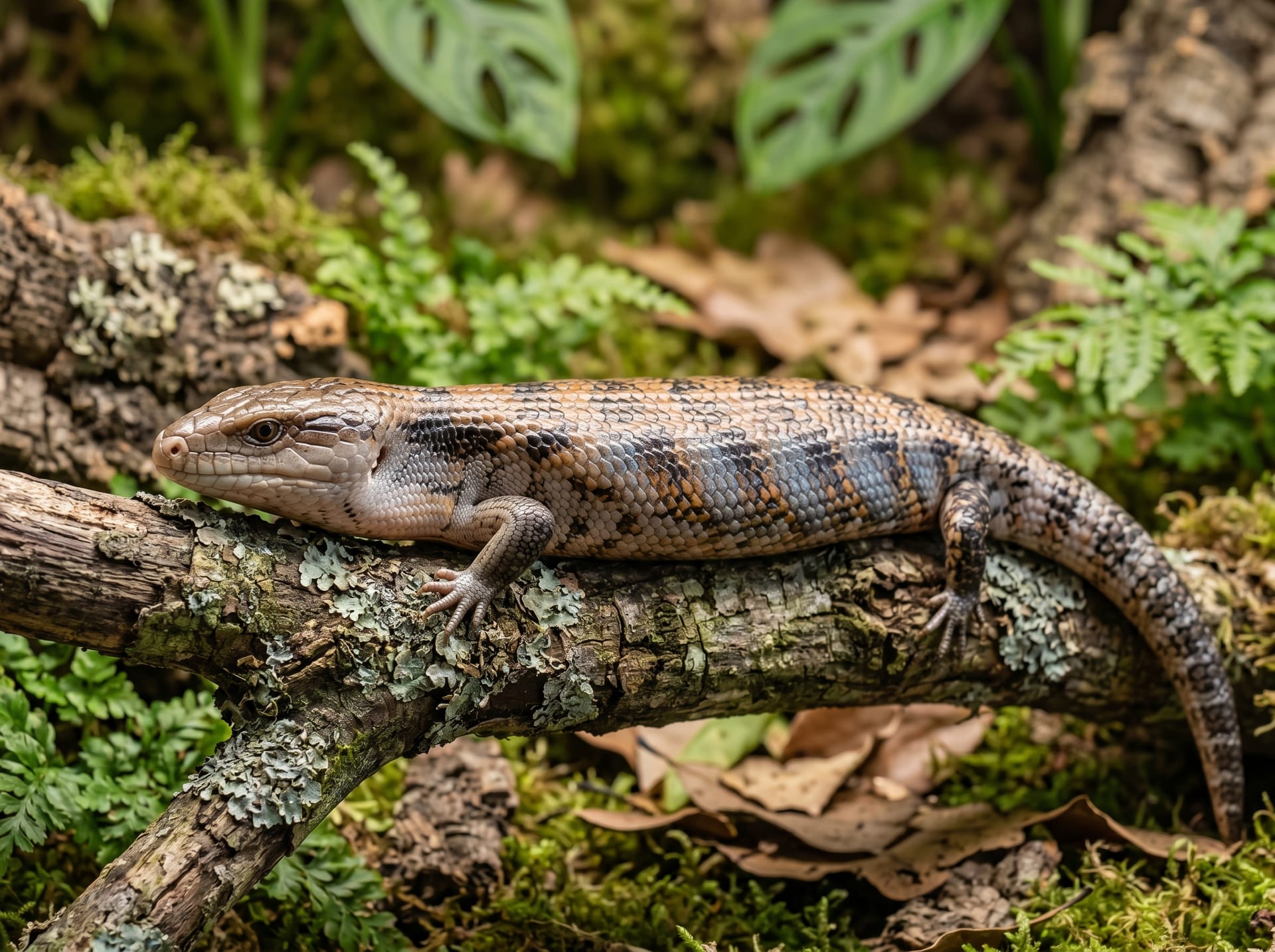
藍舌蜥(Blue-Tongued Skink)是原產於澳洲和印尼的石龍子科大型蜥蜴,顧名思義擁有鮮豔的藍色舌頭。身體呈圓潤形,四肢較短,體型粗壯獨特。野生環境中棲息於草原或森林邊緣,潛伏在落葉下捕食昆蟲、植物和小型動物。在飼養環境下也能充分利用其雜食性特點,適應多種食物,這一點深受飼養者喜愛。性格在大型爬蟲類中特別溫順,從幼體期開始堅持馴養,許多個體能在手上安靜停留,常被推薦作為爬蟲類入門品種。強健的體質和較長的壽命(飼養下10~20年)也是其受歡迎的主要原因,只要做好溫度管理和UVB照射,就能長期保持健康。
迎接藍舌石龍子前需要了解的7件事
1籠舍需要寬敞
成體全長約40~60cm,因此至少需要90×45cm以上的籠舍。由於是地表棲息類,會在地面活動,應優先選擇底面積大的籠舍,而非高度。
2溫度管理是保持健康的關鍵
需要維持熱點溫度在35~40℃、冷區溫度在24~27℃的溫度梯度。由於是變溫動物,缺乏適當的溫度範圍會導致消化不良和免疫力下降。
3UVB燈維持健康
在難以進行室外日光浴的室內飼養環境中,UVB燈有助於維生素D3的合成。燈需要定期更換,每天建議使用10~12小時。
4雜食性,食物範圍廣
除了葉菜、南瓜和水果外,還可以提供蟋蟀、黃粉蟲、煮雞蛋和狗糧。需要用鈣粉進行撒粉,並確保飲食均衡無偏差。
5溫順但需要馴化
基本上攻擊性較低,習慣環境後許多個體會接受手養和互動。不過剛迎接到家後,應該有一段環境適應期,避免強行觸摸,而應逐步增加接觸頻率。
6濕度和床材的選擇
濕度偏好因品種和產地而異,印度尼西亞產約60〜70%,澳大利亞產約40〜50%。選擇椰殼土或樹皮屑等保濕性床材,可以簡化管理。
7初期費用和維持費的估計
籠舍、燈具、恆溫器、床材等初期設備費約2〜5萬日元。食物費、電費、定期燈具更換等維護費也會持續發生,因此要考慮長期成本並做好準備。
藍舌石龍子的常見問題
- Q.初學者可以飼養藍舌石龍子嗎?
- A.這是一個溫順、易親人的品種,因此在爬蟲類初學者中很受歡迎。但需要配備大型飼養箱、進行溫度和UVB管理等必要的設備。理想的做法是先準備好飼養環境,再將其帶回家。
- Q.可以每天進行接觸嗎?
- A.如果個體已經適應,可以進行每日接觸。但進食後立即進行或蛻皮前後容易造成壓力,應避免在這些時期進行。單次接觸的時間以15〜30分鐘為目安,根據個體狀況調整。
- Q.單獨飼養是基本要求嗎?可以進行多隻飼養嗎?
- A.基本上推薦單獨飼養。因為領地意識很強,共同飼養會導致爭鬥或咬尾。即使為了繁殖進行臨時配對,也應避免長期共同飼養。
- Q.應該多久餵食一次?
- A.幼體每天至2天餵食一次,成體每2〜3天餵食一次為目安。食物殘留會導致飼養環境衛生惡化,如果30分鐘左右還沒吃完,應及時移除。根據個體的體格和活動水平調整投餵量。
- Q.藍舌石龍子的壽命有多長?
- A.在適當的飼養條件下,10〜20年的壽命並不罕見。因為壽命較長,歡迎新個體時應當制定長期飼養計劃。定期進行健康檢查和維持穩定的飼養環境有助於延長壽命。
適合飼養藍舌石龍子的實用工具
在圖鑑中詳細了解藍舌石龍子
查看藍舌石龍子的圖鑑條目 →
收錄飼養難度、壽命、體長、食性等基礎資料。