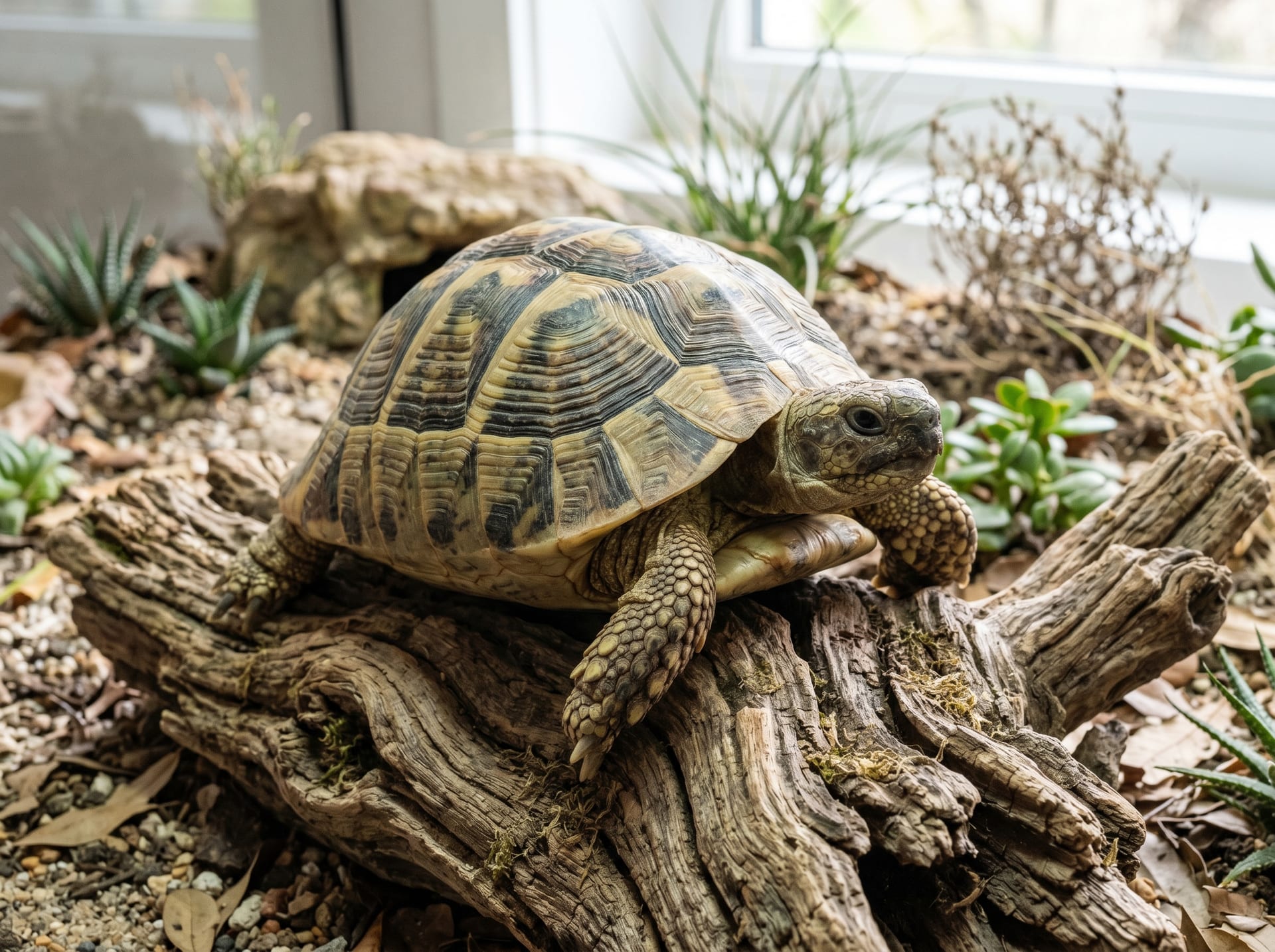
Turtles and tortoises are long-lived companions that can share your life for decades, prized for their calm temperament and distinctive presence. Their care needs vary greatly depending on whether the species is aquatic, semi-aquatic, or terrestrial, so understanding your chosen species before bringing one home is essential. Quiet and odor-minimal, they are increasingly popular as reptile pets suited even for apartment living.
前 3 筆銷售免佣金!於 2026 年 7 月 31 日前註冊成為繁殖者,前 3 筆銷售免收佣金!
繁殖者 招募中!
在 BreederDirect 上架,直接銷售給全國各地的客戶!
爬蟲動物與兩棲動物出品中,繁殖者明確展示以下資訊。確保基因型、遺傳、食性和脾氣的透明度。
繁殖者正在陸續註冊,即將上架。設定上架通知,不錯過新商品。
「接收上架通知」需免費註冊會員即可設定。當有符合您儲存條件的新商品上架時,我們會以郵件和站內通知提醒您。
想上架爬蟲動物與兩棲動物嗎?
註冊成為繁殖者,即可與買家直接聯繫。
價格區間
地區
屬性
Turtles are among the oldest reptile groups on Earth, with ancestors dating back over 200 million years. Their iconic shells—formed from modified ribs and vertebrae—are a remarkable evolutionary adaptation that protects them from nearly all natural predators. Today, more than 300 species thrive across aquatic, semi-aquatic, and terrestrial environments worldwide, including native Japanese species such as the Japanese pond turtle and the Chinese softshell turtle. Appearance varies enormously: from palm-sized musk turtles to leatherback sea turtles exceeding one meter in shell length. Temperamentally, most turtles are calm and non-aggressive; with regular interaction, many will approach their keepers with curiosity. The greatest appeal of keeping a turtle lies in its extraordinary longevity—under proper care, they become decades-long companions, sometimes passed down across generations. Silent, relatively compact, and suitable for those with pet allergies, turtles offer a uniquely deep and rewarding connection.
1Species Choice Is Everything
Care requirements differ fundamentally between aquatic species (e.g. red-eared sliders), semi-aquatic species (e.g. Japanese pond turtles), and fully terrestrial tortoises. Before acquiring one, verify the adult size, required equipment, and any legal restrictions such as invasive species regulations in your region. Impulse purchases often lead to abandonment of these long-lived animals.
2Lifespan Spans Decades
Most species live 20–50 years, and some tortoise species can exceed 80 years. When starting out, consider the commitment as potentially lifelong and factor in future life changes such as moving or family circumstances. The ability to consistently provide proper care over many decades is a key responsibility.
3Water Quality Is Critical for Aquatic Species
Aquatic and semi-aquatic species require efficient filtration and regular water changes; poor water quality leads to skin infections and pneumonia. Aim for a water volume at least three times the turtle's body size, and perform partial water changes one to two times per week. Always provide a dry basking area as well.
4UV Light and Temperature Control
Turtles synthesize vitamin D3 through UVB exposure, which is essential for calcium metabolism and shell health. Provide both a UVB lamp and a basking lamp, creating a temperature gradient with the basking spot around 30–35°C. UVB bulbs lose effectiveness over time and must be replaced regularly according to usage hours.
5Diet Varies by Species
Many aquatic species are omnivorous and accept pellets, small fish, and shrimp, while tortoises are herbivorous and thrive on leafy greens and edible weeds. Excess animal protein is harmful to tortoise kidneys, so feeding according to your species' natural diet is fundamental to health. Calcium supplementation via cuttlebone or calcium carbonate is also beneficial.
6Hibernation Requires Careful Handling
Some domestic turtle species, such as the Japanese pond turtle, naturally hibernate, but individuals in poor health or captive-bred animals face a risk of dying during hibernation. If hibernation is attempted, prior health checks and careful temperature and humidity management are essential. Beginners may want to consider overwintering indoors with supplemental heating instead.
7Budget for Equipment and Vet Costs
Initial setup costs include a tank, filter, UVB lamp, basking lamp, and heater, which can total tens of thousands of yen depending on the species. Reptile-specialist veterinarians are limited in number, and treatment for shell diseases, infections, or abnormal shedding can be costly. Confirm in advance whether a reptile-capable clinic is accessible near you.