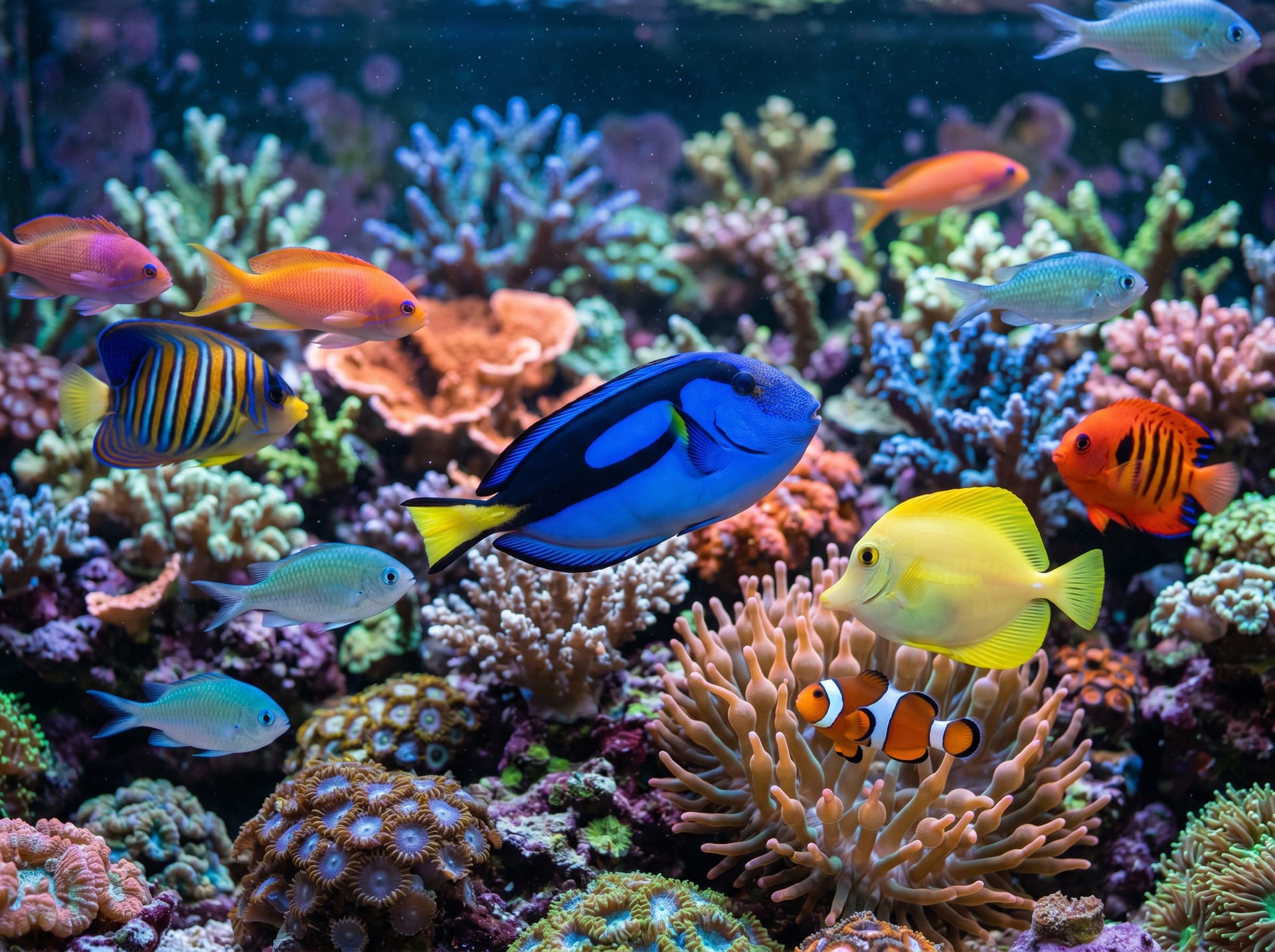
The "Other Saltwater Fish" category brings together a wide variety of species — including tangs, snappers, surgeonfish, and morays — that don't fit neatly into a single group. Since body size, temperament, and diet vary greatly from species to species, researching your chosen fish thoroughly before purchase is essential. The diversity of colors and behaviors is a major appeal, but matching the right species to the right tank setup is the key to long-term success.
前 3 筆銷售免佣金!於 2026 年 7 月 31 日前註冊成為繁殖者,前 3 筆銷售免收佣金!
繁殖者 招募中!
在 BreederDirect 上架,直接銷售給全國各地的客戶!
於海水魚・珊瑚上架中,繁殖者明示以下資訊。避免野生濫捕個體,確保養殖CB為主、水族箱尺寸參考、性質資訊的透明度。
想上架海水魚・珊瑚嗎?
註冊成為繁殖者,即可與買家直接聯繫。
價格區間
地區
屬性
"Other Saltwater Fish" is a broad category encompassing marine species that don't fit neatly into a single taxonomic group — including tangs, surgeonfish, moray eels, snappers, and wrasses, among many others. Found in tropical and subtropical oceans worldwide, these fish range in size from small species under 10 cm to giants exceeding one meter in length. Their visual diversity is equally impressive, with vivid yellows, blues, and bold stripe patterns making them standout additions to any aquarium. Temperaments span the full spectrum from peaceful community fish to fiercely territorial individuals, requiring careful planning when selecting tankmates. Dietary needs are just as varied — some are strict herbivores, others dedicated carnivores, and many are omnivores — so matching the right foods to each species is essential for long-term health. Understanding species-specific requirements and setting up a well-matched environment allows these remarkable fish to truly thrive and display their natural beauty.
1Tank Size Varies by Species
Many tangs and surgeonfish can exceed 30–50 cm as adults, making small tanks unsuitable. Always check the adult size before buying, and provide ample water volume and swimming space. A tank depth at least 8–10 times the fish's body length is a commonly cited guideline.
2Check Compatibility Before Mixing
This category includes highly territorial species and strong predators that can cause serious conflicts with similar-looking or smaller fish. Morays and large snappers may prey on smaller tankmates, so carefully select companions based on size and temperament. The order in which fish are introduced can also affect aggression levels.
3Stable Water Quality Is Essential
As with all marine fish, maintaining a specific gravity of 1.023–1.025, water temperature of 24–26°C, and zero ammonia and nitrite is fundamental. Since species in this category come from diverse origins and depth zones, research the optimal water parameters for your specific fish. Aim for weekly partial water changes and regular testing.
4Diet Differs Greatly by Species
Diets range from herbivorous tangs that graze on algae, to carnivorous morays, to omnivorous snappers. Understanding the appropriate food type — frozen, dried, or live — and providing nutritional variety is key to keeping your fish healthy. Persistent refusal to eat may signal environmental stress or illness.
5Quarantine New Arrivals
Species in this category come from varied supply chains and can carry parasites such as Amyloodinium (marine velvet) or lymphocystis. Quarantining new arrivals in a separate tank for 2–4 weeks and confirming they are disease-free before moving them to the display tank is strongly recommended. This step is the best way to protect your existing fish from potential infection.
6Importance of Live Rock and Hiding Spots
Most species need places to hide in order to reduce stress. A complex aquascape using live rock or artificial rock can help diffuse territorial disputes and give fish a sense of security. Species like morays prefer tube-shaped shelters, so design your layout with the natural behavior of your specific fish in mind.
7Understand Upfront and Ongoing Costs
Large species may require sizable tanks, protein skimmers, and powerful filtration systems, which can significantly increase upfront costs. Monthly running costs — electricity for lighting, heaters, and pumps, plus consumables like salt mix, test kits, and food — should also be estimated in advance. Some species carry premium price tags due to rarity, so plan your budget around the full cost of ownership.