成交手續費 0%!2026年9月30日前註冊,前 2 筆成交免佣金!
繁殖者 招募中!
在 BreederDirect 上架,直接銷售給全國各地的客戶!
BreederDirect保證的 6 項透明度指標
於海水魚・珊瑚上架中,繁殖者明示以下資訊。避免野生濫捕個體,確保養殖CB為主、水族箱尺寸參考、性質資訊的透明度。
- 養殖CB
- 實物照片
- Reef-safe
- 有飼育資訊
- 產地明示
- 性質明示
查看全部42個品種
海水魚・珊瑚分類正在招募認證繁殖者
繁殖者正在陸續註冊,即將上架。設定上架通知,不錯過新商品。
「接收上架通知」需免費註冊會員即可設定。當有符合您儲存條件的新商品上架時,我們會以郵件和站內通知提醒您。
已註冊的繁殖者(搶先看)
隆頭魚的基本資料
- 飼養難度
- 適合新手
- 壽命
- 5-10 years
- 體型
- 8-20cm
- 飲食
- Frozen food, Artificial feed
- Housing
- Sand bed (5cm+) needed (sleeps buried in sand)
- Feeding
- Cleaner fish that eats parasites
- Compatibility
- Depends on species. Many are peaceful
- Notes
- Jumpers, lid is essential
關於隆頭魚
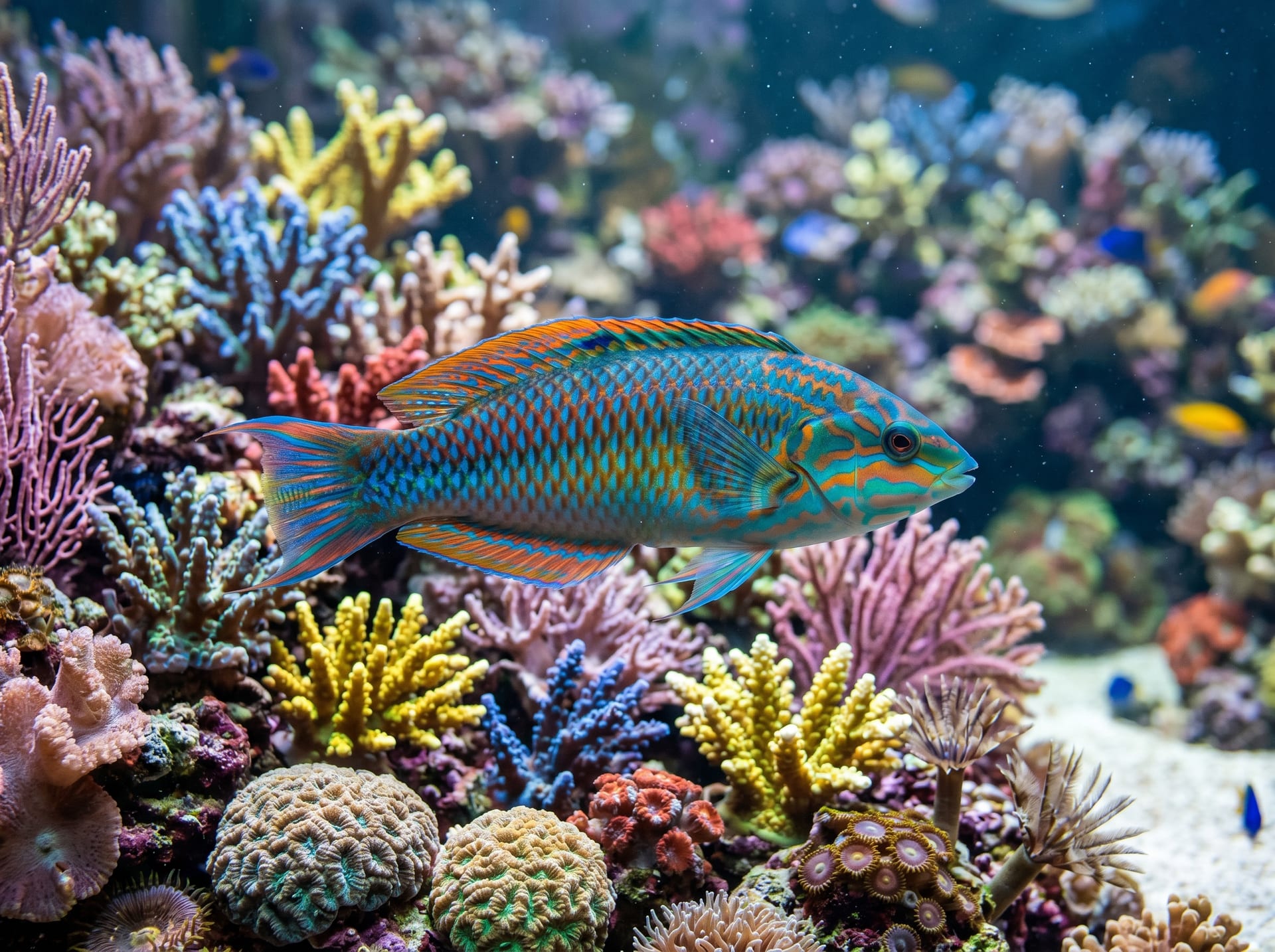
隆頭魚科(Labridae)是分佈在世界各地熱帶和亞熱帶淺海中、擁有600種以上物種的大科,其色彩的多樣性在海水魚中首屈一指。體色在幼魚、雌魚和雄魚之間差異巨大,許多種類隨著生長和性轉換會呈現出明亮的藍色、綠色、紅色和紫色的漸變。體型呈細長的紡錘形,胸鰭像翅膀一樣拍動游泳,泳姿獨特。性格普遍好奇心強、活躍好動,熟悉後許多個體會靠近飼養者。食性以肉食為主,一些種類以食用小型甲殼類和寄生蟲的「清潔工」角色而聞名。潛入沙中睡眠的習性是從野生環境中保留下來的捕食者迴避行為,在水族箱中觀察這種自然行為是飼養隆頭魚的樂趣之一。在適當的飼養條件下,隆頭魚比較強壯且長壽,是海水魚入門的熱門選擇。
迎接隆頭魚前需要了解的7件事
1注意潛入沙中
隆頭魚的大部分種類在夜間或受到驚嚇時會潛入沙中休息。底沙至少應鋪設5cm以上的細珊瑚沙,沒有沙的水族箱會導致它們無法潛入而感到壓力。引入後的最初幾天,它們常常會一直躲在沙中,這是很常見的情況。
2防止魚跳槽事故
隆頭魚游速快,受驚時容易從水槽中跳出,這是常見的飼養事故。務必用貼合緊密的蓋子蓋住水槽,配線和配管的孔隙也要用海綿等材料堵住。跳出事故會直接導致魚死亡,所以蓋子的管理是飼養的基礎。
3如何選擇混泳魚的搭檔
同種及近緣種之間容易發生領地爭鬥,所以在同一水槽中混養多條隆頭魚時,要注意種類和性別的搭配。小型蝦類和甲殼類容易被捕食,最好不要混養。溫和的中型魚搭配效果相對較好。
4餌料與食性
肉食性較強,自然界中食用沙蠕、甲殼類和小魚。讓牠們適應冷凍豐年蟲、糠蝦和顆粒人工飼料是長期飼養的關鍵。每天投飼2~3次,以無剩餘為目標。
5水質和水溫的管理
與所有海水魚一樣,比重1.023~1.025、水溫24~26℃、硝酸鹽要儘量保持在低水平是基本原則。許多隆頭魚對水質惡化相對敏感,定期換水和適當的過濾是必不可少的。特別是在初期引入時要注意水質的急劇變化。
6有些種會進行性轉換
大多數隆頭魚具有從雌魚向雄魚的性轉換特徵(原雌性先熟)。群體中最具優勢的個體會轉變為雄魚,因此在配對飼養時不應過度期望性別固定。這種習性是隆頭魚特有的生物學特徵,而非健康異常。
7初期費用和水槽尺寸
即使是小型種(8~10cm),也建議最少用60cm規格水槽,由於其活潑好動,需要較寬敞的空間。海水魚飼養全套(水槽、過濾、照明、人工海水、比重計等)的初期費用大約在3~10萬日元左右。隆頭魚本身的價格因種類而異,從數百日元到數萬日元不等。
隆頭魚的常見問題
- Q.隆頭魚可以放入珊瑚水槽(礁岩缸)嗎?
- A.取決於品種。例如仙女隆頭魚和六線隆頭魚等許多品種不會啄珊瑚,適合珊瑚缸。但也有一些品種會捕食蝦類和小型甲殼類,因此在與清潔蝦混養之前,請預先確認該品種的食性。
- Q.鑽進沙子裡一直不出來是異常嗎?
- A.剛引入或夜間鑽進沙子是隆頭魚的正常行為。如果白天長時間不出來,可能是壓力或水質惡化的信號。請確認水溫、比重和氨濃度,檢查是否有急劇的環境變化。
- Q.能在同一個水槽裡養多條隆頭魚嗎?
- A.如果想養多條同種的隆頭魚,在擁有足夠的空間(90公分或以上)的情況下,通常可以穩定地採用後宮制(1條雄魚+多條雌魚)。由於雄魚之間容易激烈爭鬥,最好避免在同一缸中放入多條同種的雄魚。不同品種之間,外觀相似的品種也容易產生競爭。
- Q.不肯吃人工飼料怎麼辦?
- A.首先用冷凍豐年蟲或冷凍糠蝦來刺激食慾,然後逐量加入顆粒飼料或薄片飼料進行混合餵食。通過1~2週的時間逐步提高人工飼料的比例是比較有效的方法。如果仍然拒食,請重新確認該品種的適合飼料。
- Q.飼養需要多少費用?
- A.初期費用包括魚缸套裝、活沙、照明、過濾裝置、比重計等,大約需要3~10萬日元。魚本身根據品種不同,價格為2,000~數萬日元。運行成本方面,電費、鹽、飼料、水質檢測試劑等每月大約需要3,000~8,000日元。
適合飼養隆頭魚的實用工具
在圖鑑中詳細了解隆頭魚
查看隆頭魚的圖鑑條目 →
收錄飼養難度、壽命、體長、食性等基礎資料。