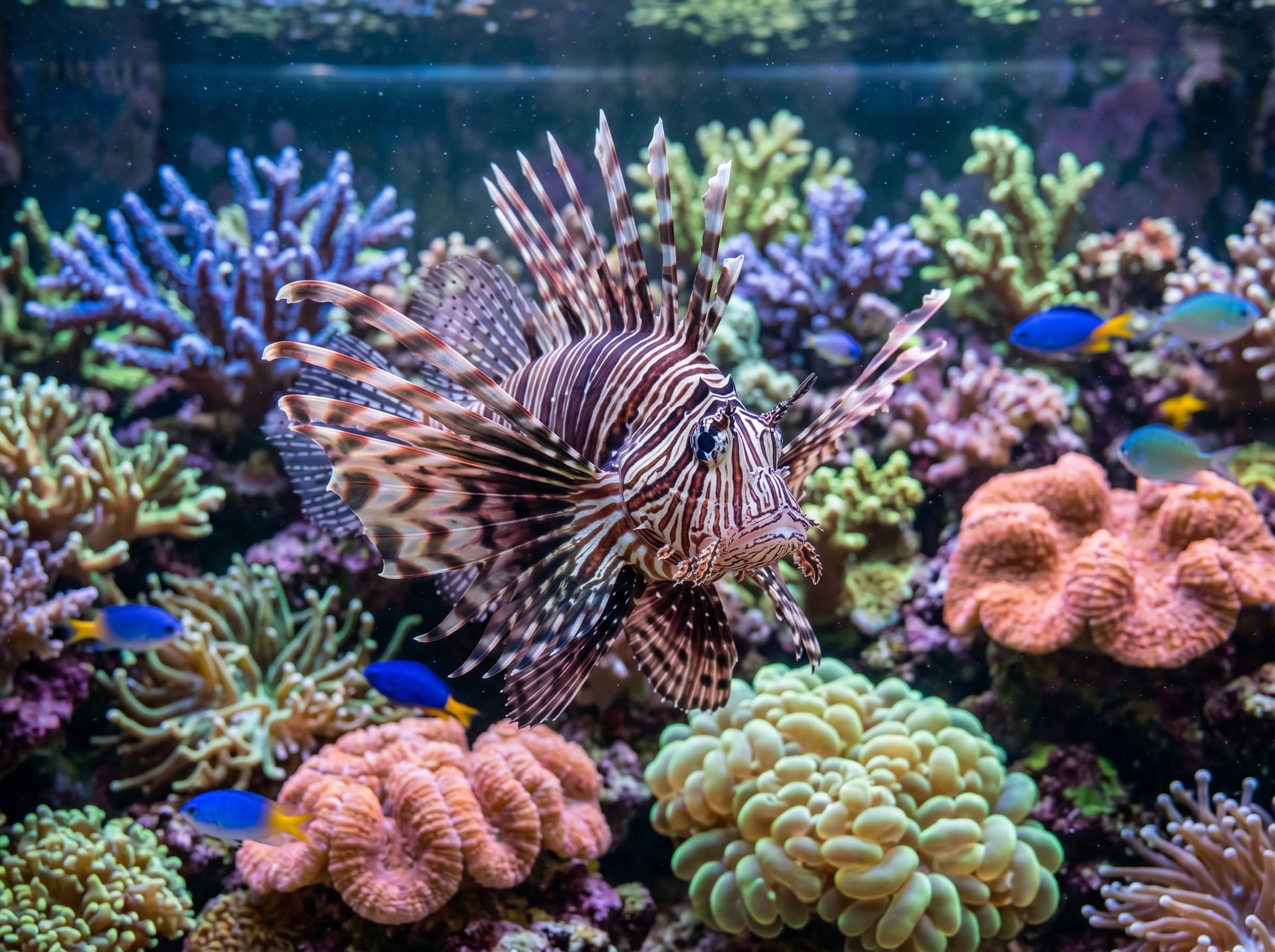
獅子魚/石頭魚
獅子魚以其優雅張開的魚鰭和鮮豔的條紋圖案給人深刻印象,作為觀賞魚享有很高的人氣。雖然許多種類相對皮實、容易飼養,但由於魚鰭上具有毒棘,操作時需要謹慎。因其舒緩優雅的動作和引人注目的外形,在海水缸中被眾多水族愛好者視為主角而備受喜愛。
View 獅子魚/石頭魚 encyclopedia →成交手續費 0%!2026年9月30日前註冊,前 2 筆成交免佣金!
繁殖者 招募中!
在 BreederDirect 上架,直接銷售給全國各地的客戶!
BreederDirect保證的 6 項透明度指標
於海水魚・珊瑚上架中,繁殖者明示以下資訊。避免野生濫捕個體,確保養殖CB為主、水族箱尺寸參考、性質資訊的透明度。
- 養殖CB
- 實物照片
- Reef-safe
- 有飼育資訊
- 產地明示
- 性質明示
查看全部42個品種
海水魚・珊瑚分類正在招募認證繁殖者
繁殖者正在陸續註冊,即將上架。設定上架通知,不錯過新商品。
「接收上架通知」需免費註冊會員即可設定。當有符合您儲存條件的新商品上架時,我們會以郵件和站內通知提醒您。
已註冊的繁殖者(搶先看)
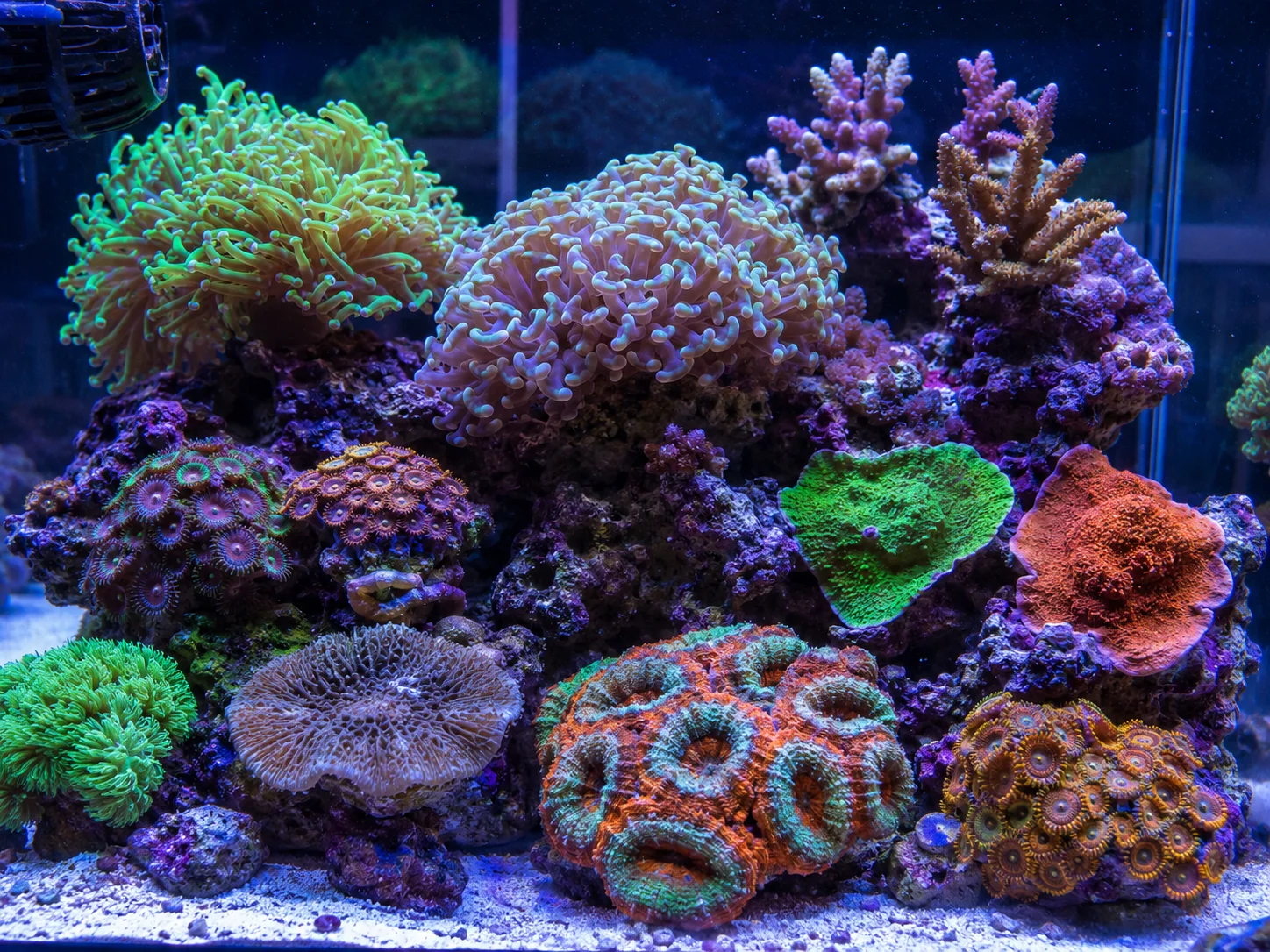
關於獅子魚/石頭魚
獅子魚(蓑笠鮋科)廣泛分布於以印度洋和太平洋為中心的熱帶和亞熱帶岩礁區。其最大的特點是展開呈扇形的美麗胸鰭與紅、白、褐等顏色對比鮮明的條紋圖案,英文稱為"Lionfish"。代表性的獅子魚體長可達25~35cm,背鰭、腹鰭和臀鰭均持有毒棘,因此在自然界中幾乎沒有天敵。其動作緩慢而優雅,白天潛藏於岩石陰影或懸岩下,夜間採用伏擊戰術捕食小魚和蝦,是典型的埋伏型獵手。在水族箱中,其存在感突出,從初學者到資深玩家,眾多水族愛好者都將牠視為海水缸的主角而倍加推崇。飼養雖然需要大型水族箱和穩定的水質管理,但一旦適應環境,也能接受人工飼料,是一種能讓人長期享受其壯觀身姿的魅力十足的種類。
迎接獅子魚/石頭魚前需要了解的7件事
1要注意毒棘
背鰭、腹鰭和臀鰭具有毒棘,被刺傷會伴隨劇烈疼痛。水族箱維護時請避免赤手操作,請穿戴厚手套。萬一被刺傷,建議立即就醫。
2需要大型水槽
蓑笠魚成體通常為20〜35公分左右,建議配置150〜200公升以上的水缸。水缸過小容易導致魚隻因壓力而拒食。需充分提供活動空間和躲藏處(如活石等)。
3混養需謹慎
口徑足以吞入的魚類和蝦類會被捕食,無法進行混養。可與同等大小或更大的相對溫和海水魚共存,但也存在風險。若在同一水缸中飼養多條笠魚,可能因領地爭奪而產生衝突。
4從活食向人工飼料過渡
野生捕獲的個體通常初期只進食活的小魚和蝦。長期飼養需要逐步嘗試冷凍磷蝦和人工飼料,這一過程需要耐心和時間。一旦開食成功,日常管理會變得容易許多。
5水質與水溫穩定是關鍵
穩定維持比重1.020〜1.025、水溫24〜27℃、pH8.1〜8.3是健康管理的基礎。急劇的水質波動容易引發拒食和疾病。建議考慮引入蛋白質除沫機等高性能過濾設備。
6留意拒食跡象
石獅魚類因環境變化和壓力容易出現拒食現象。如果一週以上不進食,應檢查水質並確認隱蔽處所。及時排除原因有利於其恢復。
7初期費用較高
除了魚的價格外,還需要投資大型水族箱、蛋白分離器、活石、人工海水等設備,初期投入成本可能需要數萬到十幾萬。維護費用包括每月的電費、人工海水和飼料費用。建議在制定長期費用計畫後再購買。
獅子魚/石頭魚的常見問題
- Q.初學者也可以飼養虎紋獅嗎?
- A.如果掌握了海水魚飼養的基礎知識可以嘗試,但由於毒棘的危險性和需要大型水族箱,更適合有一定經驗的飼養者。建議初學者先用駱駝魚等小型耐養的海水魚積累經驗。
- Q.被毒棘刺傷了怎麼辦?
- A.將刺傷部位浸入45〜50℃左右的熱水中,毒蛋白會變性,疼痛會緩解。但不要自行判斷,務必就醫。由於存在發生過敏性休克的可能性,症狀嚴重時請毫不猶豫地撥打急救電話。
- Q.應該給牠們餵什麼?
- A.冷凍磷蝦和冷凍小魚是標準食物,使用專用鑷子或棍棒在水中輕輕晃動可促進進食。在依賴活餌階段需要進行冷凍飼料轉換訓練,但一旦適應人工飼料,管理就會變得容易。
- Q.大概能活多少年?
- A.在適當的飼養環境下,有些個體能活10〜15年。為了長壽,穩定的水質和營養均衡的飼料很重要。開始飼養前務必做好長期承諾的思想準備。
- Q.水族箱至少需要多大的尺寸?
- A.成年蓑笠鎐一般建議在150〜200L或更大的水族箱中飼養。小型品種(如侏儒獅子魚等)在某些情況下可以從80〜100L左右開始飼養。根據魚類成體後的體型來選擇水族箱大小是很重要的。
適合飼養獅子魚/石頭魚的實用工具
Learn more about 獅子魚/石頭魚 in the encyclopedia
查看獅子魚/石頭魚的圖鑑條目 →
收錄飼養難度、壽命、體長、食性等基礎資料。