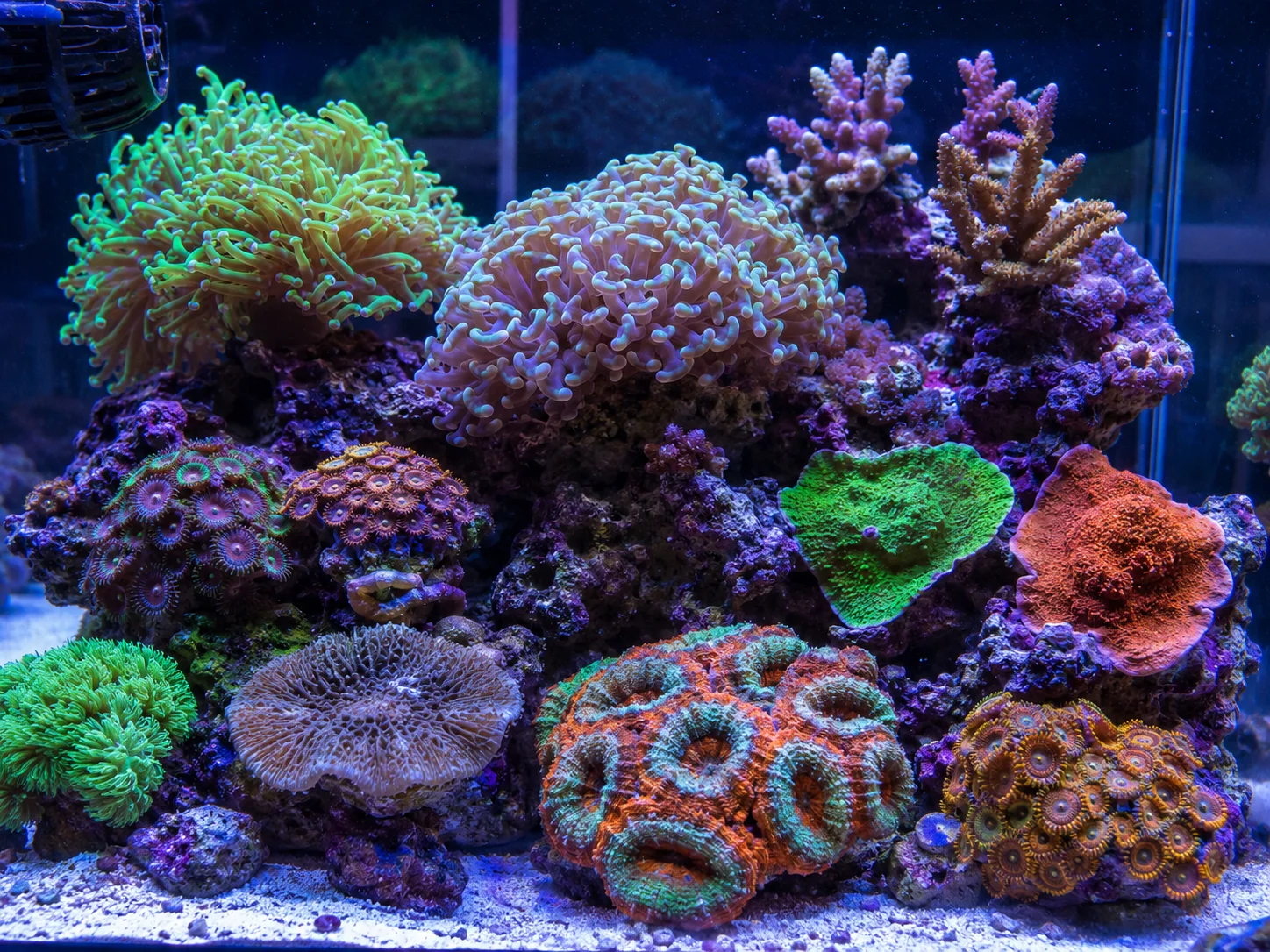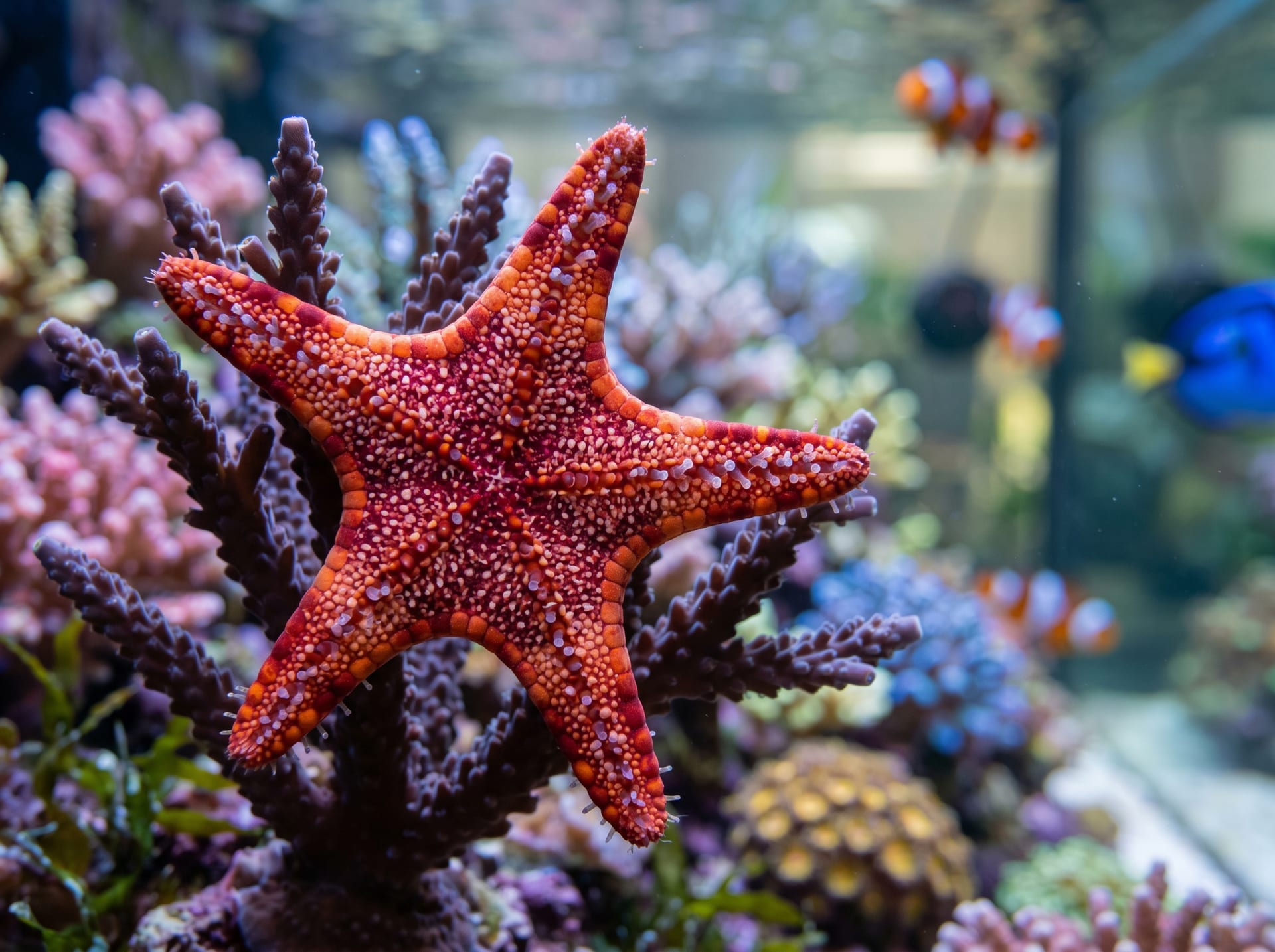
Sea slugs, starfish, and sea cucumbers are fascinating invertebrates that add unique color and movement to marine aquariums. Their striking appearances and natural cleaning behaviors help maintain a healthy tank ecosystem. While water quality management can be challenging for beginners, proper preparation makes them rewarding long-term companions.
前 3 筆銷售免佣金!於 2026 年 7 月 31 日前註冊成為繁殖者,前 3 筆銷售免收佣金!
繁殖者 招募中!
在 BreederDirect 上架,直接銷售給全國各地的客戶!
於海水魚・珊瑚上架中,繁殖者明示以下資訊。避免野生濫捕個體,確保養殖CB為主、水族箱尺寸參考、性質資訊的透明度。
價格區間
地區
屬性
繁殖者正在陸續註冊,即將上架。設定上架通知,不錯過新商品。
「接收上架通知」需免費註冊會員即可設定。當有符合您儲存條件的新商品上架時,我們會以郵件和站內通知提醒您。
想上架海水魚・珊瑚嗎?
註冊成為繁殖者,即可與買家直接聯繫。
Sea slugs, starfish, and sea cucumbers are marine invertebrates found in oceans worldwide. Sea slugs (nudibranchs) belong to the phylum Mollusca, and their vivid coloration evolved as a warning to predators. Starfish belong to the phylum Echinodermata and are renowned for their remarkable ability to regenerate lost limbs. Sea cucumbers share the same phylum and play a valuable role in reef ecosystems by consuming detritus around sandy substrates and live rock. In the aquarium, their unique textures and slow, deliberate movements add a natural depth that fish alone cannot provide. However, all three groups are highly sensitive to water quality deterioration and chemical exposure, making them better suited to experienced hobbyists with proper equipment. With adequate preparation and a well-maintained environment, they can thrive as captivating long-term residents of a marine tank.
1Water Quality is Critical
Sea slugs, starfish, and sea cucumbers are extremely sensitive to water quality changes. Elevated nitrates, phosphates, or sudden temperature swings can be fatal. Maintain a specific gravity of 1.023–1.025 and a stable temperature of 24–26°C, with regular water changes and a high-quality filtration system.
2Never Use Copper Treatments
These invertebrates are extremely vulnerable to copper ions and many common fish medications — even trace amounts can be lethal. Always use a separate quarantine tank when treating fish for disease. Verify that any additives and substrates used in the main tank are copper-free before introduction.
3Diet Varies by Species
Many sea slug species feed only on specific prey such as sponges, hydroids, or algae — purchasing without confirming diet often leads to starvation. Starfish range from omnivores to strict bivalve specialists, while sea cucumbers primarily eat detritus. Before buying, ensure appropriate food sources are available in your tank.
4Acclimate Slowly and Carefully
Drip acclimation over 1–2 hours or more is strongly recommended. Sudden changes in salinity, pH, or temperature can cause osmotic shock and death shortly after introduction. Sea cucumbers in particular may expel their internal organs when stressed, so gentle handling throughout the process is essential.
5Watch for Escape and Tipping Risks
Starfish can climb aquarium walls and escape through small gaps in the lid. Sea cucumbers are active at night and may become trapped between rocks, leading to injury or death. Use a secure-fitting lid and arrange your rockwork to minimize dangerous gaps where animals could become wedged.
6Choose Tankmates Carefully
Angelfish and butterflyfish may peck at starfish and sea slugs. Conversely, large sea cucumber species can release toxins (holothurin) that endanger all fish in the tank. Research compatibility between species thoroughly before making any introductions to your aquarium.
7Understand Upfront and Running Costs
Setting up a quality marine tank including a protein skimmer and live rock typically requires at least 30,000–50,000 yen. The animals themselves range from roughly 1,000–5,000 yen for sea slugs and 500–3,000 yen for starfish, but equipment costs are the larger investment. Factor in ongoing monthly expenses for electricity, salt mix, and additives.