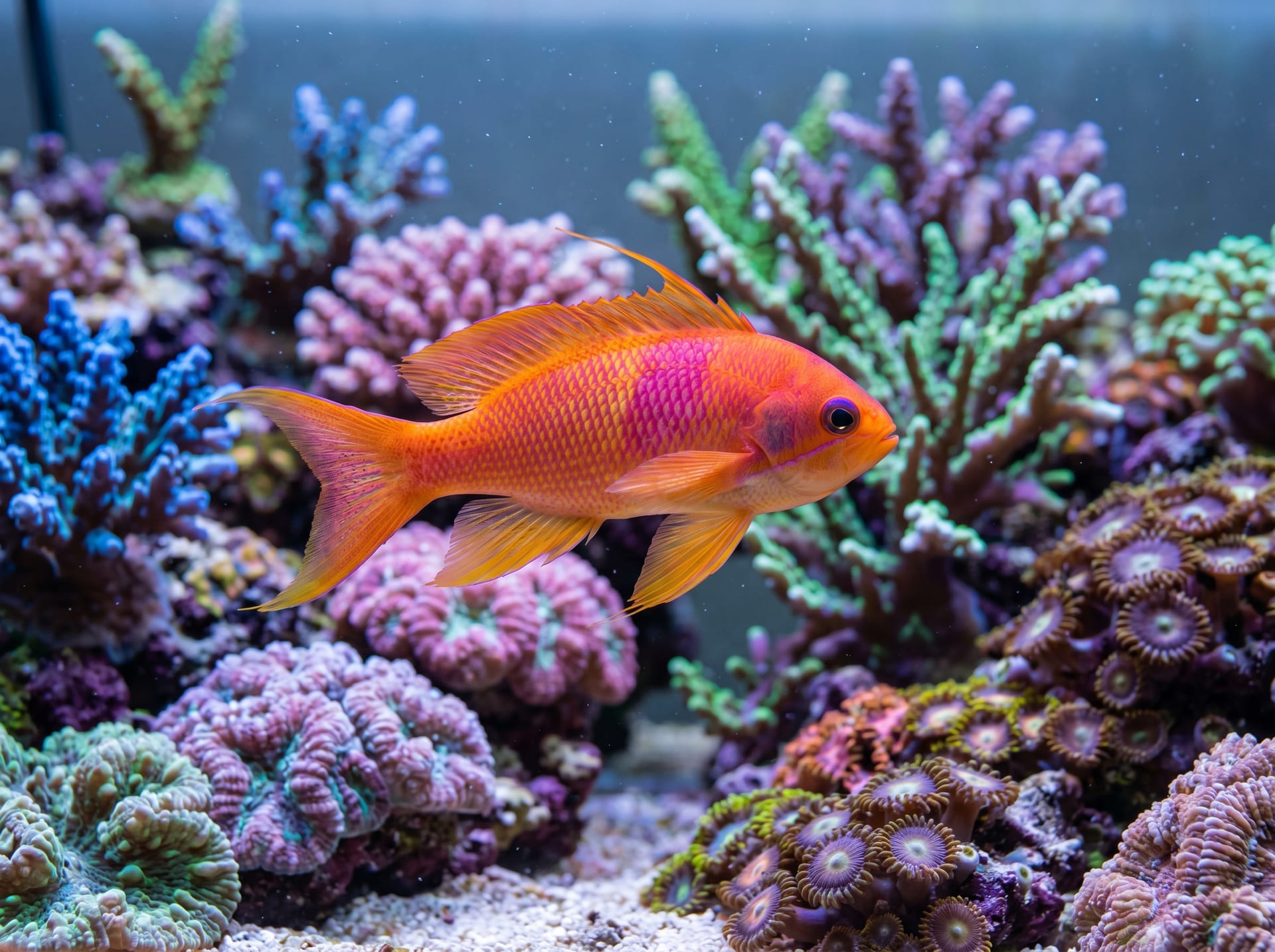
花鯛
花鯛是一種體色鮮豔的海水魚,粉紅色或橙色的身體非常美麗,在珊瑚礁的中層優雅地游動很受歡迎。性格相對溫和,適合混養,是初學者也能輕鬆飼養的魚種之一。牠們有成群活動的習性,多條一起飼養能更好地展現自然的姿態。
View 花鯛 encyclopedia →成交手續費 0%!2026年9月30日前註冊,前 2 筆成交免佣金!
繁殖者 招募中!
在 BreederDirect 上架,直接銷售給全國各地的客戶!
BreederDirect保證的 6 項透明度指標
於海水魚・珊瑚上架中,繁殖者明示以下資訊。避免野生濫捕個體,確保養殖CB為主、水族箱尺寸參考、性質資訊的透明度。
- 養殖CB
- 實物照片
- Reef-safe
- 有飼育資訊
- 產地明示
- 性質明示
查看全部42個品種
海水魚・珊瑚分類正在招募認證繁殖者
繁殖者正在陸續註冊,即將上架。設定上架通知,不錯過新商品。
「接收上架通知」需免費註冊會員即可設定。當有符合您儲存條件的新商品上架時,我們會以郵件和站內通知提醒您。
已註冊的繁殖者(搶先看)
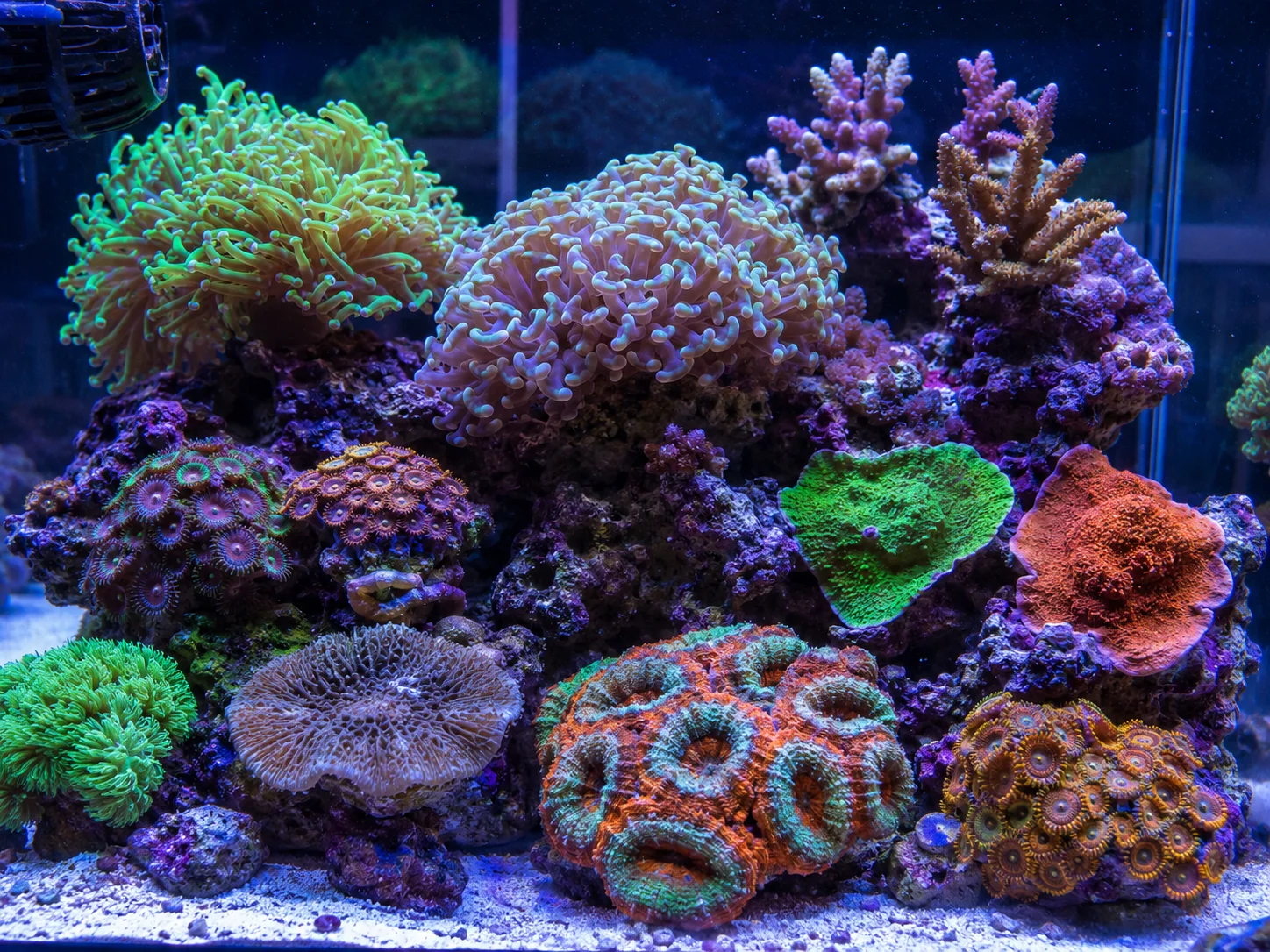
關於花鯛
花鯛是隸屬於鱸形目鮨科的海水魚的總稱,廣泛分佈於印度洋到太平洋的珊瑚礁海域。日本近海也有多個種類生活,赤根花鯛和金魚花鯛等自古以來就作為觀賞魚受到喜愛。體色因種類而異,有粉紅色、橙色、紫色等,許多種類的雄魚和雌魚色彩差異很大,其華麗的色彩為珊瑚缸增添了彩色。群體在中層飄然游動的習性極為優雅,就像在家裡重現珊瑚礁的生態景觀一樣,這是最大的魅力。性格相對溫和,能夠與同等溫和的魚類混養,但頻繁的餵食和細心的水質管理是長期飼養的關鍵。
迎接花鯛前需要了解的7件事
1群體飼養是基礎
花鯛在自然界中也是群體生活的魚類,單獨飼養容易產生壓力。以1條雄魚和多條雌魚的構成較為穩定,推薦引入3~5條左右。在小水槽中大群飼養容易引起領地爭鬥,需要注意。
2神奇的變性魚
花鯛的許多種類作為雌魚出生,當群體中的雄魚死亡時,優勢的雌魚會性轉換成雄魚。因此,銷售時的性別並不是固定不變的。在飼養下也會發生同樣的變化,所以有觀察群體構成變化的樂趣。
3需要頻繁餵食
花魚代謝速度快,建議每天投餵2~3次。將冷凍橈足類、水蚤和高品質人工飼料組合投餵,有助於維持良好體況。投餵頻率過低容易導致個體消瘦,身體狀況惡化的風險也會上升。
4水質、水溫的穩定很重要
花魚比較嬌弱,需要穩定維持水溫24~26℃、比重1.023~1.025、pH8.1~8.3的範圍。急劇的水質變化容易導致體況不佳或白點病。建議先配置蛋白分離器等適當的過濾設備後再導入。
5推薦的水槽容量
小型種即便個體小,因為要群體飼養,120L以上的水槽是基本標準。游動空間不足會增加個體壓力,群體間的衝突也會增多。大型種如紅根花魚等,許多水族館建議200L以上的容量。
6如何選擇混泳魚的搭檔
溫和的蝦虎魚和公子小丑魚等體型相近、攻擊性低的魚類混養效果較好。大型隆頭魚和石斑魚等可能會捕食花魚,應避免混養。即使是同種或相近種類,過度擁擠也容易引發雄魚間的爭鬥。
7導入前的隔離檢疫
花魚因從店鋪運輸的壓力容易免疫力下降,存在引入白點病等寄生蟲病的風險。在另外的水槽中進行2周左右的隔離檢疫,然後再移入主水槽,可以防止對現有生體的感染。導入初期特別要細心確認採食情況。
花鯛的常見問題
- Q.花魚初學者也能飼養嗎?
- A.由於投飼次數較多且水質管理難度較大,通常被認為更適合已掌握海水魚飼養基礎的中級飼養者,而不是完全初學者。不過,如果事先準備好適當的設備和知識,初學者也可以嘗試。
- Q.從多少條開始飼養比較合適?
- A.據說至少3條,最好在5條左右的時候導入會比較穩定。一條雄魚和多條雌魚的組合更接近自然,群體行為會比較安定。單獨或2條時容易產生孤立壓力。
- Q.可以讓牠們適應人工飼料嗎?
- A.許多個體如果耐心地嘗試,是可以適應高品質顆粒飼料或片狀飼料的。最初的常見做法是混合冷凍飼料餵食,然後逐步過渡。不過由於個體差異,以冷凍飼料和人工飼料並用作為基本飼養方式會更安心。
- Q.與活石和珊瑚的相容性如何?
- A.花魚幾乎不會啃食珊瑚或無脊椎動物,與珊瑚缸相容性很好。由於牠們利用活石作為棲息地和躲藏處,在佈景中保留足夠的空隙可以給牠們安全感。
- Q.飼養成本的大致費用是多少?
- A.個體價格因種類而異,常見種類通常在2,000〜8,000日圓左右。由於通常需要群養,初期投資會包含多條魚的購買費用。此外還要預計120升以上的水族箱、蛋白質分離器、加熱棒等設備費用,以及冷凍飼料的每月花費。
適合飼養花鯛的實用工具
Learn more about 花鯛 in the encyclopedia
查看花鯛的圖鑑條目 →
收錄飼養難度、壽命、體長、食性等基礎資料。