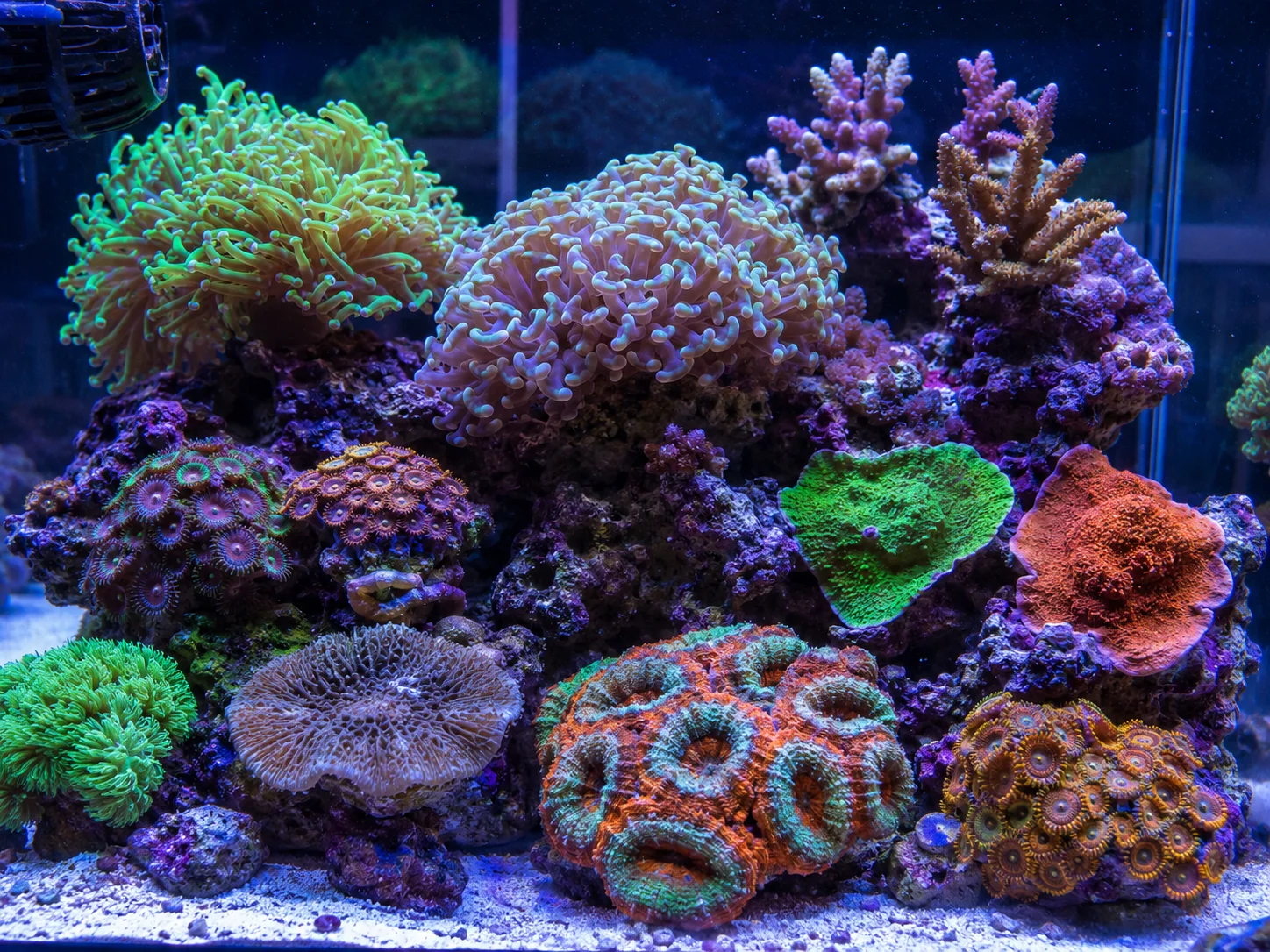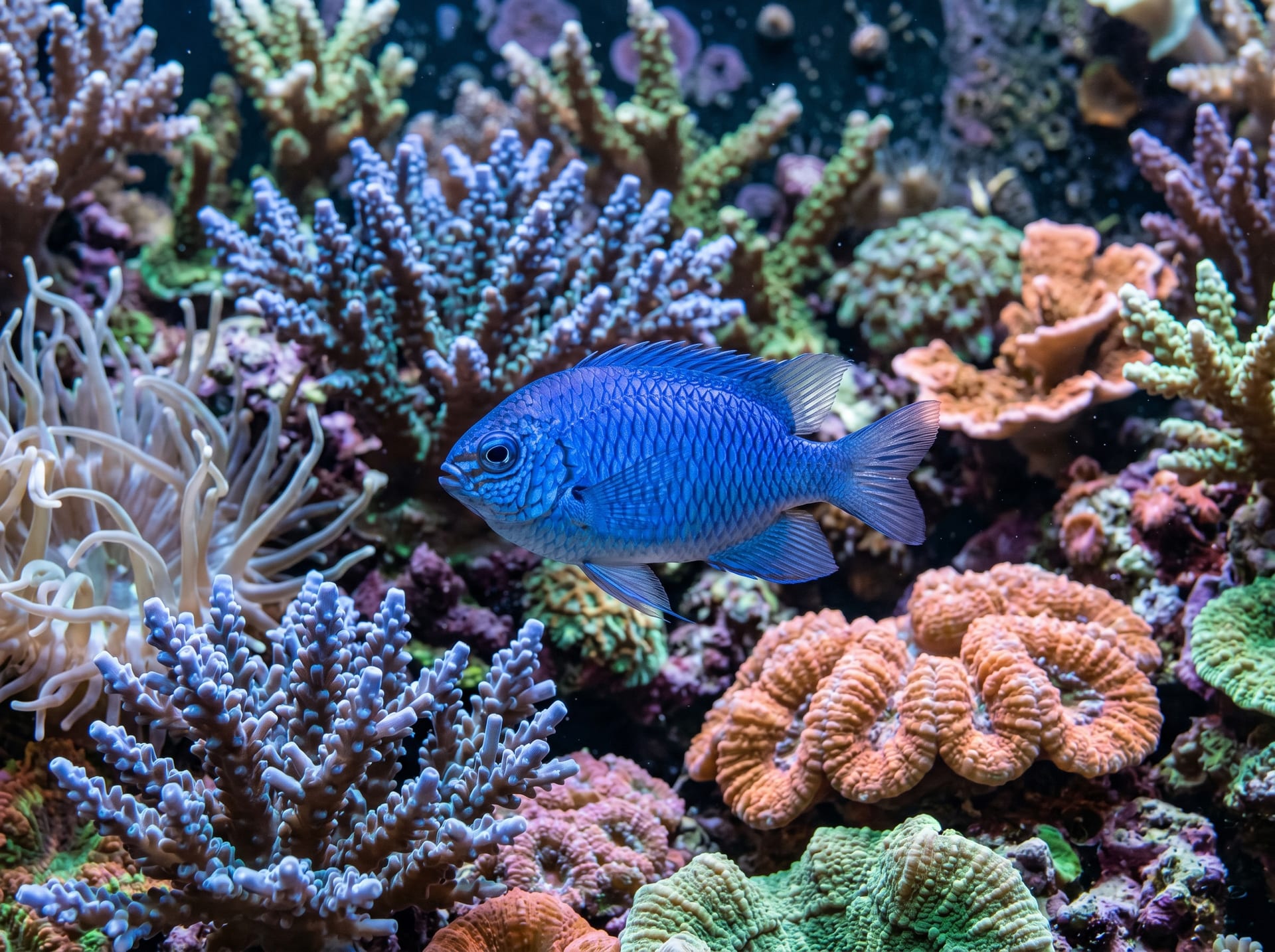
Hardy small fish with vivid blue or neon colors. Used as pilot fish for tank cycling.
View 雀鯛 encyclopedia →前 3 筆銷售免佣金!於 2026 年 7 月 31 日前註冊成為繁殖者,前 3 筆銷售免收佣金!
繁殖者 招募中!
在 BreederDirect 上架,直接銷售給全國各地的客戶!
於海水魚・珊瑚上架中,繁殖者明示以下資訊。避免野生濫捕個體,確保養殖CB為主、水族箱尺寸參考、性質資訊的透明度。
繁殖者正在陸續註冊,即將上架。設定上架通知,不錯過新商品。
「接收上架通知」需免費註冊會員即可設定。當有符合您儲存條件的新商品上架時,我們會以郵件和站內通知提醒您。
想上架海水魚・珊瑚嗎?
註冊成為繁殖者,即可與買家直接聯繫。
價格區間
地區
屬性
Damselfish belong to the family Pomacentridae within the order Perciformes, with over 350 species distributed across the tropical and subtropical waters of the Indo-Pacific and Atlantic oceans. Species such as the Blue Green Chromis and Neon Damselfish have long been favorites among hobbyists. Adults typically reach 5–10 cm, displaying a spectacular range of colors—from electric cobalt blue to vivid yellow and orange—depending on the species. They are energetic and curious by nature, though their strong territorial instincts can lead to squabbles in the aquarium. Renowned as an ideal "starter marine fish," they adapt well to prepared foods and tolerate fluctuations in water parameters better than many other marine species, making them a popular choice as pilot fish for cycling new tanks. Their dazzling coloration and lively swimming bring lasting vibrancy to any saltwater setup.
1Ideal Cycling Fish
Damselfish are widely used as pilot fish to help establish beneficial bacteria during the aquarium cycling process. They tolerate ammonia fluctuations better than most marine species. Plan to keep them long-term rather than treating them as temporary tools.
2Territorial by Nature
Despite their small size, damselfish are notably territorial and may harass tankmates, especially similar species. Introducing them last and providing ample live rock as refuge can reduce conflict. They generally coexist better with larger, docile fish.
3Tank Size Matters
A 60-liter tank can house one or two damselfish, but more space reduces territorial aggression. Equip the tank with a protein skimmer and robust filtration, maintaining specific gravity 1.020–1.025 and temperature 24–26°C. Stable water parameters bring out the best color and health.
4Enthusiastic, Easy Feeder
Damselfish accept a wide variety of foods including flakes, pellets, frozen brine shrimp, and copepods. Feed small amounts twice daily, removing uneaten food promptly to prevent water quality decline. Their eager appetite makes feeding time straightforward for beginners.
5Watch for White Spot
Marine ich (white spot disease) is the most common illness to watch for in damselfish. Quarantining new fish for 2–4 weeks before adding them to the display tank is the best prevention. Early treatment with hyposalinity or medication helps prevent spread.
View 雀鯛 encyclopedia entry →
Care difficulty, lifespan, size and diet — all basics covered.
6Cost to Get Started
Damselfish themselves are affordable at roughly 500–2,000 yen per fish. However, budget 60,000–150,000 yen for initial equipment including a tank, protein skimmer, live rock, and lighting. Investing in quality hardware pays off through stable water conditions and lower long-term maintenance costs.
7Species Vary in Temperament
The "damselfish" group includes many species such as the Blue Damsel, Azure Damsel, and Blue Devil, each with different temperaments. The Blue Damsel is relatively peaceful and can be kept in groups, while the Blue Devil is more aggressive. Research the specific species before purchase to match your stocking plan.