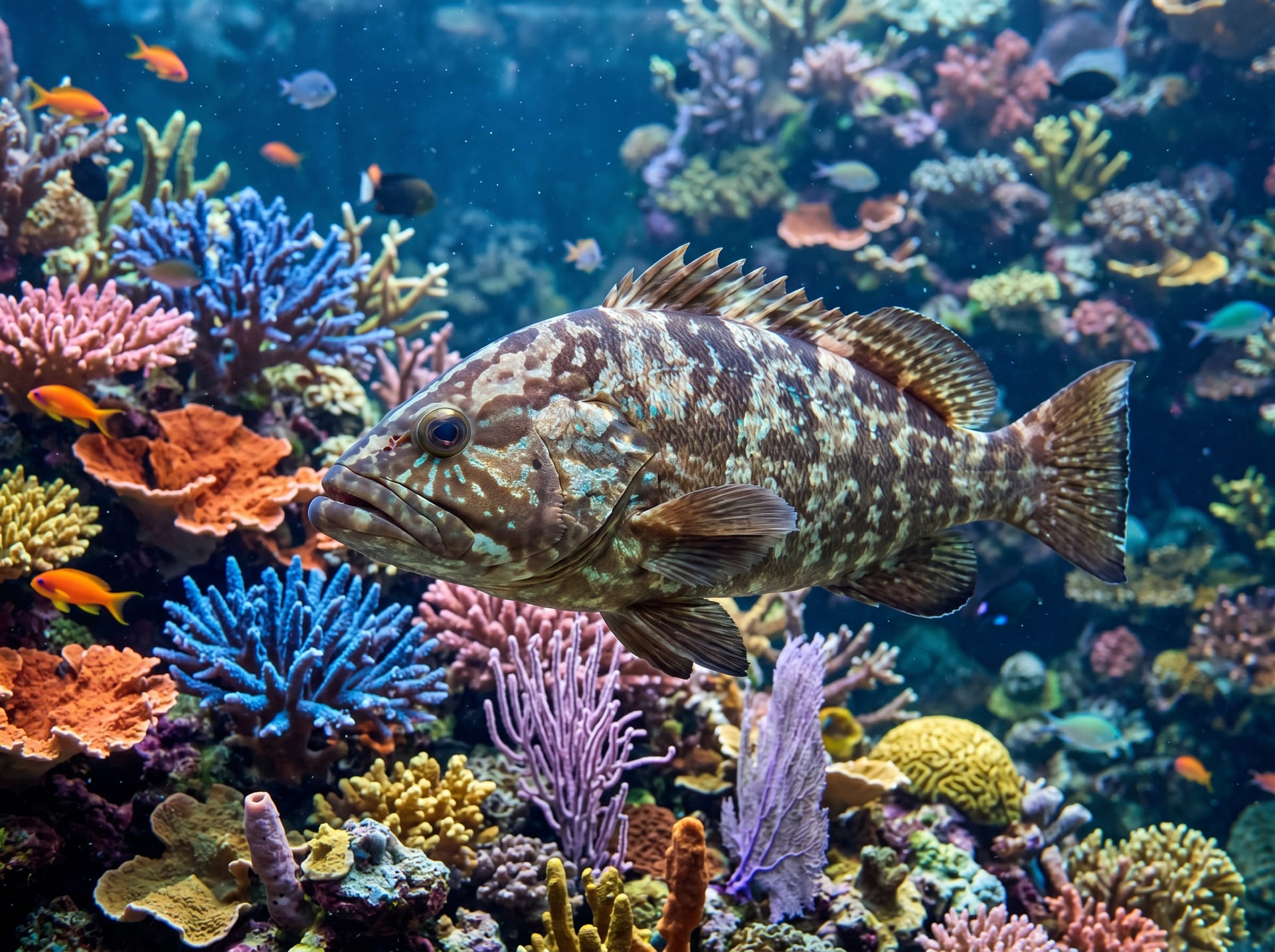
石斑魚
石斑是生活在熱帶和亞熱帶岩礁域的大型肉食魚,鮮豔的花紋和雄渾的體態在水槽中顯得氣勢非凡。這類魚相對強健,多數對人類容易馴化,多年來一直深受水族愛好者的喜愛。但許多石斑種類成長後體型會變得很大,因此長期的飼養計畫至關重要。
成交手續費 0%!2026年9月30日前註冊,前 2 筆成交免佣金!
繁殖者 招募中!
在 BreederDirect 上架,直接銷售給全國各地的客戶!
BreederDirect保證的 6 項透明度指標
於海水魚・珊瑚上架中,繁殖者明示以下資訊。避免野生濫捕個體,確保養殖CB為主、水族箱尺寸參考、性質資訊的透明度。
- 養殖CB
- 實物照片
- Reef-safe
- 有飼育資訊
- 產地明示
- 性質明示
查看全部42個品種
海水魚・珊瑚分類正在招募認證繁殖者
繁殖者正在陸續註冊,即將上架。設定上架通知,不錯過新商品。
「接收上架通知」需免費註冊會員即可設定。當有符合您儲存條件的新商品上架時,我們會以郵件和站內通知提醒您。
已註冊的繁殖者(搶先看)
關於石斑魚
石斑科(Serranidae)廣泛分布於世界各地熱帶和亞熱帶的岩礁和珊瑚礁中,其種類超過400種。雖然自古以來就以食用魚而聞名,但其作為觀賞魚的歷史也很悠久。鮮豔的橙紅色或紅色底紋上散布白色斑點的條紋石斑、具有深邃藍綠色體色的青目石斑等,呈現出豐富多彩的外觀。成魚在岩石縫隙中佔據領地,作為伏擊型捕食者以一擊制勝的方式捕獲獵物,充滿野性氣息。然而在人工飼養環境中,它們容易對人類產生親近感,每次投喂時都會遊至水槽前面,甚至某些個體能夠識別飼養者的情況也並不罕見。由於多數種類體型會長得相當大,需要寬敞的水槽和強大的過濾系統,但正因為長期的陪伴會增進對它們的喜愛,無論是高級玩家還是初中級愛好者,都對這種海水魚情有獨鍾。
迎接石斑魚前需要了解的7件事
1需要大型水槽
石斑隨著成長,體長會達到30〜60cm以上,成魚需要300L以上的水槽,這種情況並不罕見。購買時即使個體較小,也應根據將來可能的體型大小來選擇水槽,這是至關重要的。
2注意其強烈的肉食性
石斑會捕食能夠放入口中的魚類和甲殼類。如果要與其他魚混養,必須充分注意體型差異,避免與體型較小的魚類混養是基本原則。
3人工飼料馴飼
野生個體或剛採集的個體可能只接受活餌,轉換冷凍餌或人工飼料需要較長時間。馴食難度因個體和種類而異,建議購買前向銷售店確認其當前的餌料攝食情況。
4水質管理的徹底執行
大型肉食魚進食量大,排泄物導致水質惡化迅速。需配備強力的蛋白質去沫器和適當的過濾系統,透過定期換水保持硝酸鹽濃度低位,這是維持健康的關鍵。
5飼養成本較高
大型魚缸、高性能過濾器、蛋白質去沫器等初期投資較大,電費和飼料費用也相應增加。與小型海水魚相比,維護成本更高,建議進行長期費用估算後再考慮引入。
6按種類確認最大體型
石斑魚科包含眾多種類,體型跨度極大,從小型種到超過1m的巨石斑魚。購買前務必確認學名和成魚體長,選擇適合飼育環境的種類非常重要。
7單獨飼養是基本原則
石斑魚具有強烈的領地意識,同種或近緣種混養時易發生激烈爭鬥。基本上應採用1水槽1條的飼育方式,如要嘗試混養需確保充足空間和躲避場所。
石斑魚的常見問題
- Q.石斑魚可以在珊瑚水槽中飼養嗎?
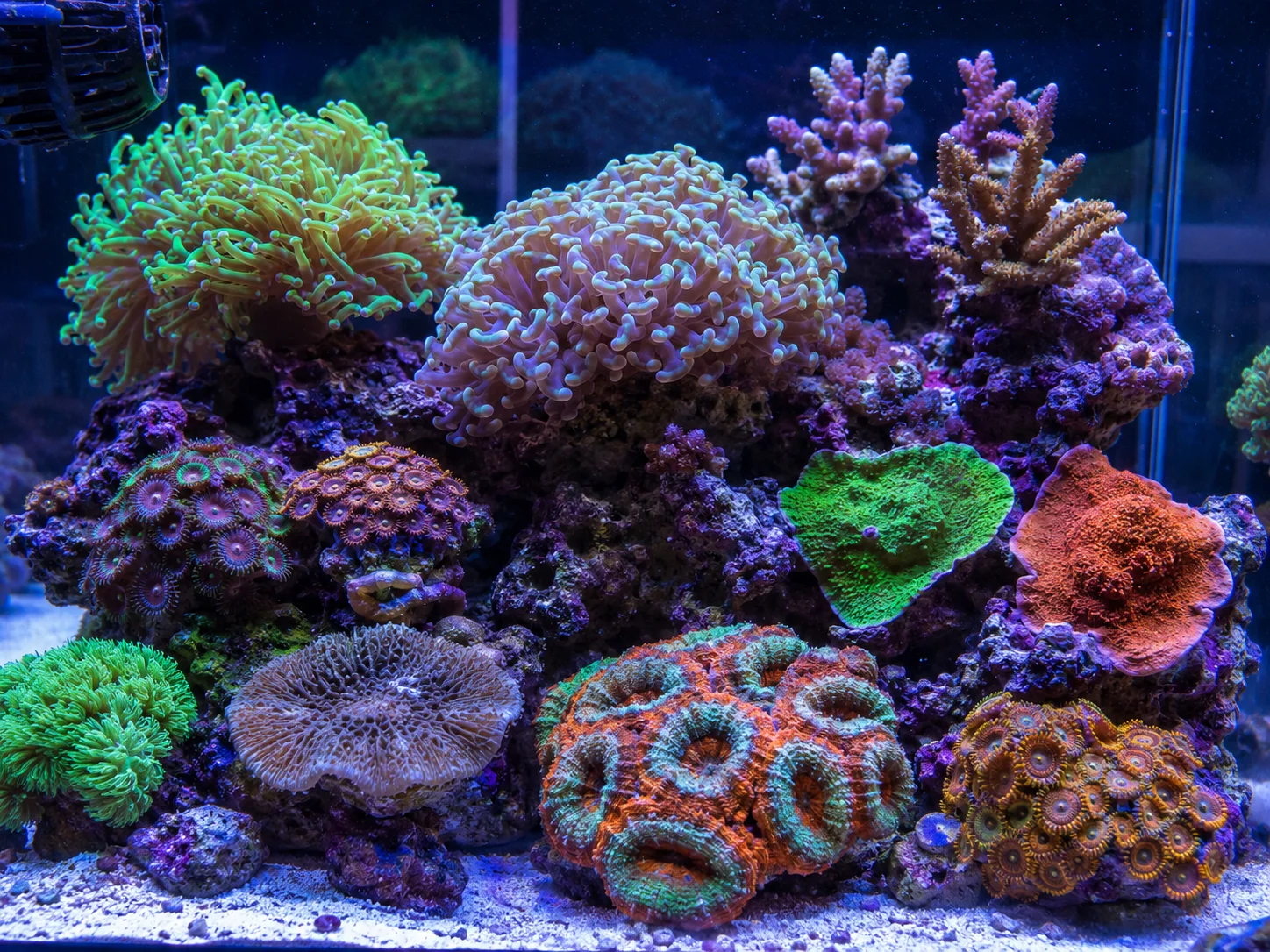
- A.這種魚本身不會啄珊瑚,所以引入珊瑚缸並非不可能。但當它長大後,可能會破壞岩石堆積,因此FOWLR水槽(裸缸)會更容易管理。
- Q.可以和哪些魚混養呢?
- A.基本條件是選擇不會被它吞下去的魚。大小相等或更大的蓋刺魚、長鼻刺尻魚和金夢魚等被認為是相對安全的混養夥伴。性情兇悍的物種組合需要注意領地爭奪。
- Q.大概能活多少年?
- A.在適當的環境中飼養,10~20年的壽命對該物種來說並不罕見。野生環境中甚至有記錄顯示大型種能活超過30年。正因為這是長壽的魚,所以在引入前規劃好長期飼養計劃是很重要的。
- Q.需要多大的水槽?
- A.這取決於你飼養的物種。即使是小型的橫紋石斑魚也需要150~200升以上,而條紋石斑魚和大型種則建議500升以上。購買前一定要確認成魚的大小,並準備相應的水槽。
- Q.它會接受人工飼料嗎?
- A.根據馴化方式的不同,很多個體最終都能接受人工飼料。先用活餌或冷凍餌激發食慾,然後逐步轉換到顆粒飼料是一個有效的方法。一旦馴化完成,管理會輕鬆得多。