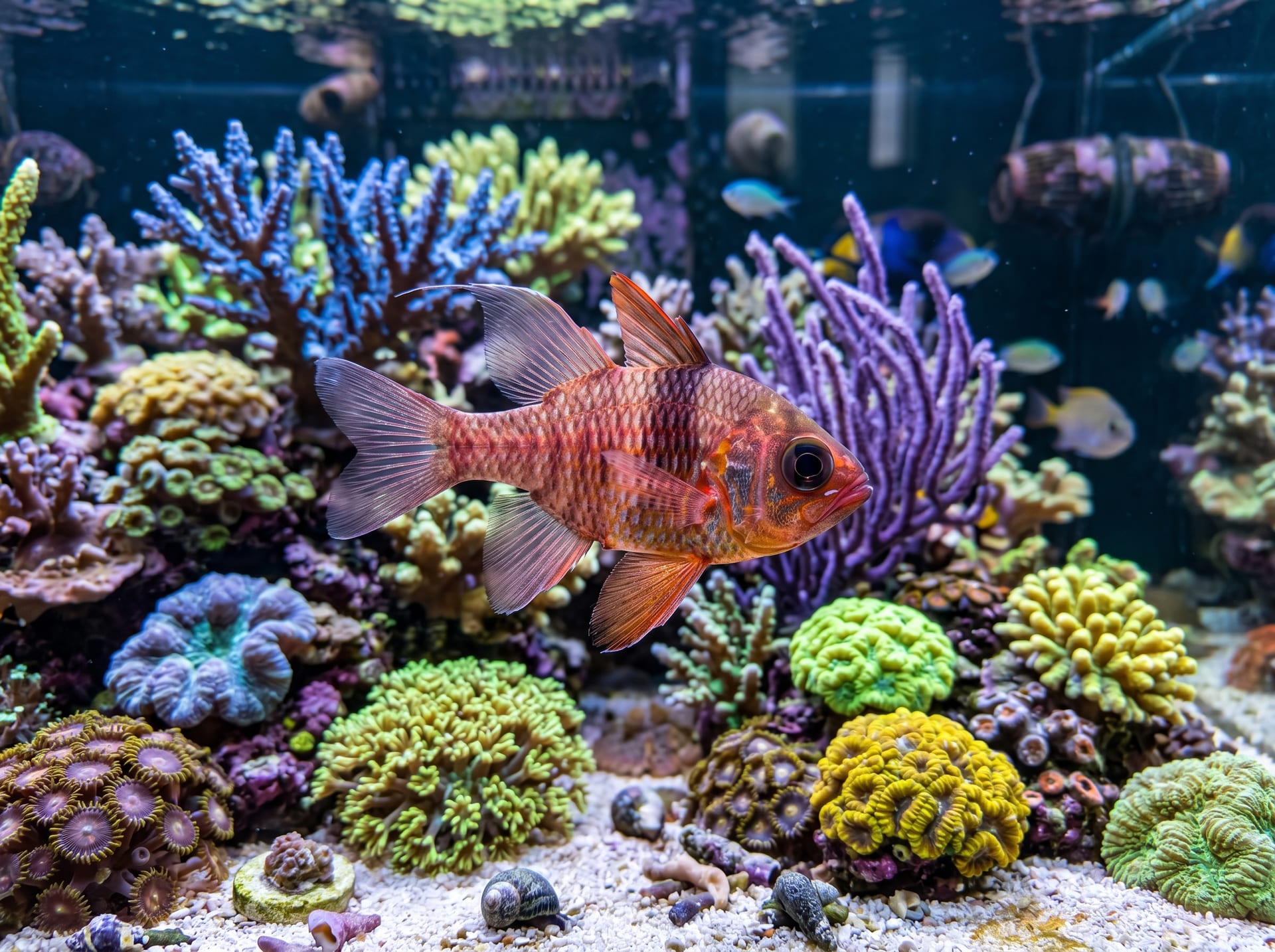
テンジクダイの通販|ブリーダー直販
テンジクダイは体長5〜10cm程度の小型海水魚で、サンゴ礁の隙間を好む落ち着いた性格が特徴です。口の中で卵を守る「マウスブルーダー」としての繁殖行動が観察でき、飼育下でも繁殖に成功しやすい種として人気があります。比較的丈夫で水質への適応力も高く、海水魚飼育の入門にも適しています。
2026年11月30日までのご登録で、最初の2頭分の成約手数料が無料!
ブリーダー様 募集中!
ブリちょくに出品して、全国のお客様に直接販売しませんか?
ブリちょくが約束する 6 つの透明性ポイント
海水魚の掲載でブリーダーが以下の情報を明示します。乱獲ワイルド個体を避け、養殖CB主体・水槽サイズ目安・気質情報の透明性を担保します。
- 養殖CB
- 実物写真
- Reef-safe
- 飼育情報あり
- 産地明示
- 気質明示
すべての品種を見る (215)
条件に一致する出品がありません
条件を変更するか、新着が出たらお知らせを受け取れます。
「新着お知らせを受け取る」は無料の会員登録で設定できます。保存した条件に合う出品が公開されると、メール・サイト内通知でお知らせします。
登録済のブリーダー(先行公開)
テンジクダイの基本データ
- 飼育難易度
- 初心者向け
- 寿命
- 3〜5年
- サイズ
- 6〜8cm
- 適正温度
- 24〜26℃
- 食事
- 冷凍飼料・人工飼料
- 水温・水質
- 水温は24〜26℃、比重は1.023〜1.025の範囲で安定させる。急な変動を避けて管理する。
- 混泳・相性
- 他種には穏やかだが、同種間ではつつき合いが起きやすい。ペアか、十分に広い水槽での群れ飼育が向く。
- 繁殖・産卵
- 雄が卵と稚魚を口の中で保護するマウスブルーディングを行う。産卵から稚魚放出まで水槽内で観察でき、ペア飼育で繁殖を狙える。
- 飼育環境
- 遊泳はゆったりで、ガンガゼの棘の間やイソギンチャクの周囲にとどまる性質がある。身を寄せられる場所を用意すると落ち着く。
- 餌・給餌
- 冷凍餌と人工飼料をよく食べ、餌付けに苦労しにくい。成魚でも6〜8cmなので小粒の餌が向く。
- 健康・注意点
- 野生個体群が減少している種なので、入手時は飼育下繁殖個体を選ぶ意義が大きい。寿命は3〜5年ほど。
テンジクダイについて
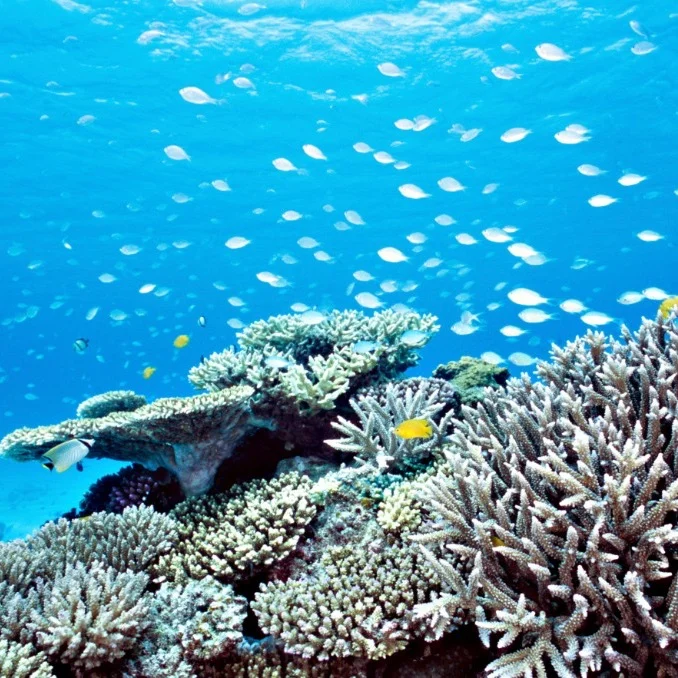
テンジクダイ科(Apogonidae)はインド洋・太平洋のサンゴ礁域を中心に200種以上が分布する大きなグループで、日本近海でも多くの種が確認されています。体型は紡錘形でやや扁平、鮮やかな赤やオレンジ、縞模様を持つ種が多く、水槽内でも独特の存在感を放ちます。大きな目は薄暗いサンゴの隙間での生活に適応した名残で、夜行性傾向が強い種もいます。最大の魅力はオスが卵を口内で保護するマウスブルーディングで、この繁殖行動が観察できる数少ない海水魚として愛好家に高く評価されています。温和な性格と丈夫さから混泳水槽にも馴染みやすく、初心者から経験者まで幅広く楽しめる海水魚です。
テンジクダイをお迎えする前に知っておきたい7つのこと
1水槽サイズの目安
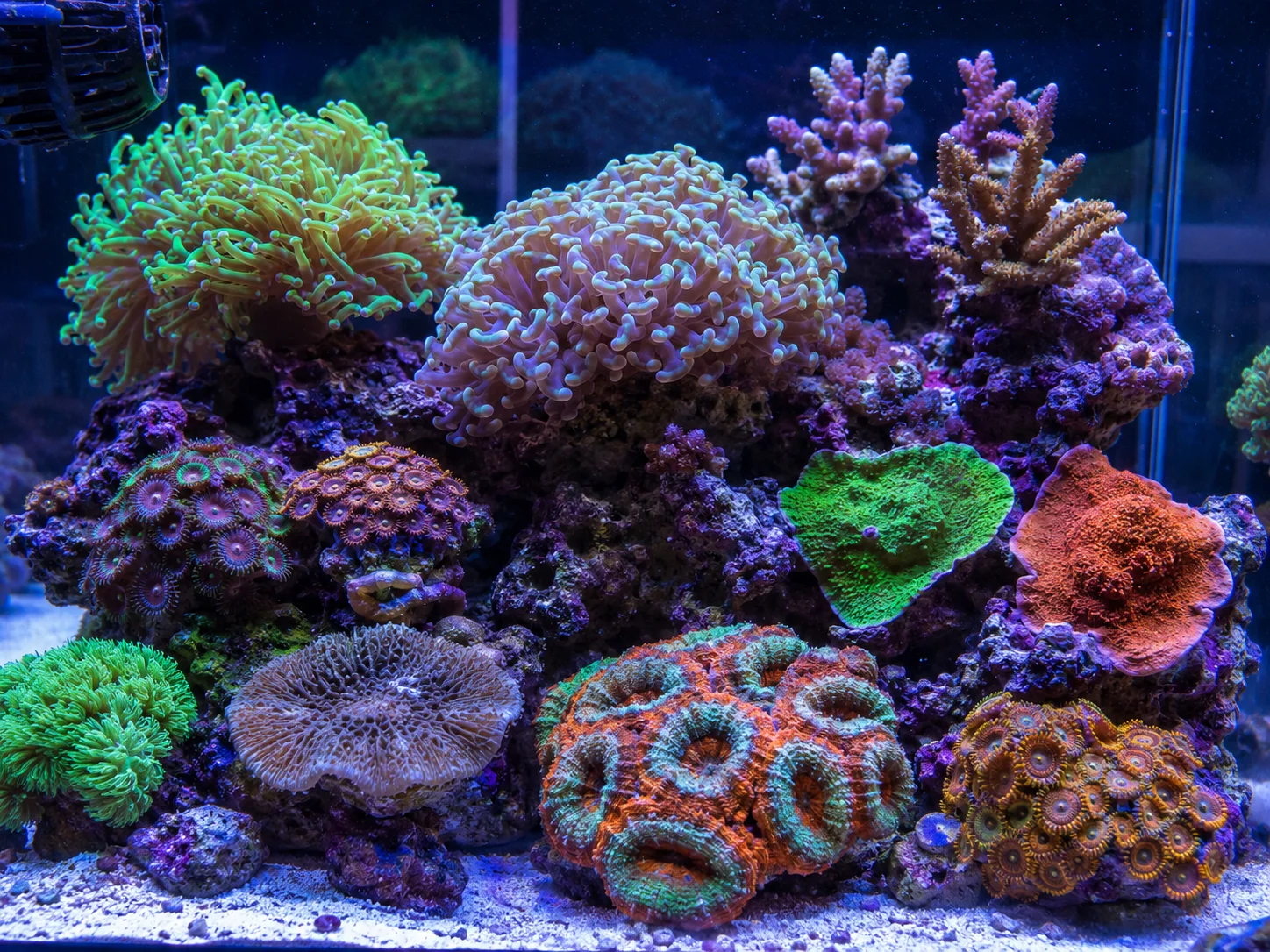
テンジクダイは単独飼育なら45cm水槽(約40L)から飼育可能ですが、複数匹や他の魚との混泳を考えるなら60cm以上が安心です。隠れ場所となるライブロックやサンゴ岩を多めに配置すると、ストレスを軽減できます。
2マウスブルーダーの習性
繁殖期にオスが受精卵を口に含んで孵化まで守る「マウスブルーダー」の行動を見せます。抱卵中のオスはほとんど採食しないため、細長い体つきになることがあります。この時期は特に刺激を与えず、静かな環境を保つよう心がけましょう。
3混泳相性の注意点
温和な性格のため、カクレクマノミや小型ハゼ、ナンヨウハギなどと混泳させやすい魚です。ただし、同種同士は縄張り意識が出る場合があるため、隠れ場所を複数用意するか、ペアで導入するのが基本です。大型の肉食魚との混泳は避けましょう。
4適正水質と水温管理
適正水温は24〜27℃、比重は1.023〜1.025、pHは8.1〜8.4が目安です。テンジクダイは水質の急変に敏感なため、換水は一度に全水量の10〜15%程度にとどめ、ゆっくり安定させることが大切です。硝酸塩の蓄積にも注意し、定期的な水質検査を習慣にしましょう。
5餌付けと給餌のコツ
冷凍ブラインシュリンプ、コペポーダ、小型の冷凍アミエビなどを好みます。人工飼料への餌付けも可能で、粒サイズの小さいペレットやフレークを少量ずつ1日2回与えるのが理想的です。野生個体は最初に生き餌から慣らすとスムーズに移行しやすくなります。
6夜行性の行動パターン
テンジクダイは夜行性の傾向が強く、昼間はライブロックの陰や洞窟状の隙間に潜んでいることが多いです。消灯後に活発に泳ぎ回る様子が観察できます。照明のオン・オフを急激に行うと驚いてパニックを起こすことがあるため、徐々に明るさが変わるタイマー設定が理想的です。
7導入時のトリートメント
新しい個体を迎える際は、2〜4週間のトリートメント(隔離水槽での観察)を行うことを強く推奨します。点滴法でゆっくり水合わせを行い、白点病やウーディニウム症の症状がないか観察しましょう。海水魚は淡水魚よりも水質変化への反応が速いため、丁寧な導入が長期飼育の鍵となります。
テンジクダイのよくある質問
- Q.テンジクダイはサンゴと一緒に飼えますか?
- A.基本的にサンゴをつつく習性はなく、リーフ水槽との相性は良好です。ただし非常に小さなソフトコーラルの上に長時間乗り続けるとダメージを与えることがあるため、観察を続けることをお勧めします。
- Q.繁殖はどうやって見分けるのですか?
- A.産卵後にオスの口元が丸く膨らんで見えたら、口内で卵を保護しているサインです。この期間はオスがほとんど餌を食べなくなり、動きも少なくなります。約7〜10日で稚魚が口から泳ぎ出すのが観察できます。
- Q.単独飼育と複数飼育どちらがよい?
- A.テンジクダイは単独でも複数でも飼育できますが、同種を数匹で飼うと群泳する様子が楽しめます。複数飼育の際は隠れ場所を十分に用意し、過密にならないよう水槽サイズを調整することが大切です。
- Q.夜になると動きが活発になるのはなぜ?
- A.テンジクダイは自然下でも夜間に採餌することが多い夜行性傾向の強い魚です。昼間は岩陰などに潜んで静かにしていることが多く、消灯後に活動が増えるのは正常な行動です。
- Q.水合わせはどのように行えばよいですか?
- A.点滴法による水合わせが推奨されます。購入時の袋の水に新水槽の水を1時間以上かけてゆっくり混ぜ合わせ、水質・水温の急変を防ぎます。水合わせ後は袋の水をできるだけ水槽に入れないよう注意してください。
テンジクダイ飼育に役立つ便利ツール
テンジクダイの関連コラム
テンジクダイの関連コラムをもっと見る →同じカテゴリの他の品種
お探しの子が見つかりませんか?
希望の条件を無料で投稿すると、条件に合う子を持つブリーダーから紹介が届きます。