成交手续费0%!2026年9月30日前注册,前 2 笔成交免佣金!
繁殖者 招募中!
在BreederDirect发布商品,直接销售给全国客户!
我们承诺的 6 个透明度保证
在热带鱼上架商品中,繁殖者明示以下信息。确保水质适应性、气质、推荐水槽尺寸的透明度。
- 产地明示
- 实物照片
- 水质明示
- 推荐水槽
- 气质明示
- 血统明示
查看全部27个品种
已注册的繁殖者(抢先看)
彩虹鱼的基本数据
- 饲养难度
- 适合新手
- 寿命
- 5~8年
- 体型
- 5~15cm
- 饮食
- 人工饲料·冷冻饲料
- 注意事项
- 群养时很美丽。
- 饲养环境
- 活跃游动需要宽敞的水箱
- 注意事项
- 水质呈弱碱性的种类较多
- 光环境
- 晨光下呈现最美丽的体色
- 注意事项
- 需要盖子(它们会跳跃)
关于彩虹鱼
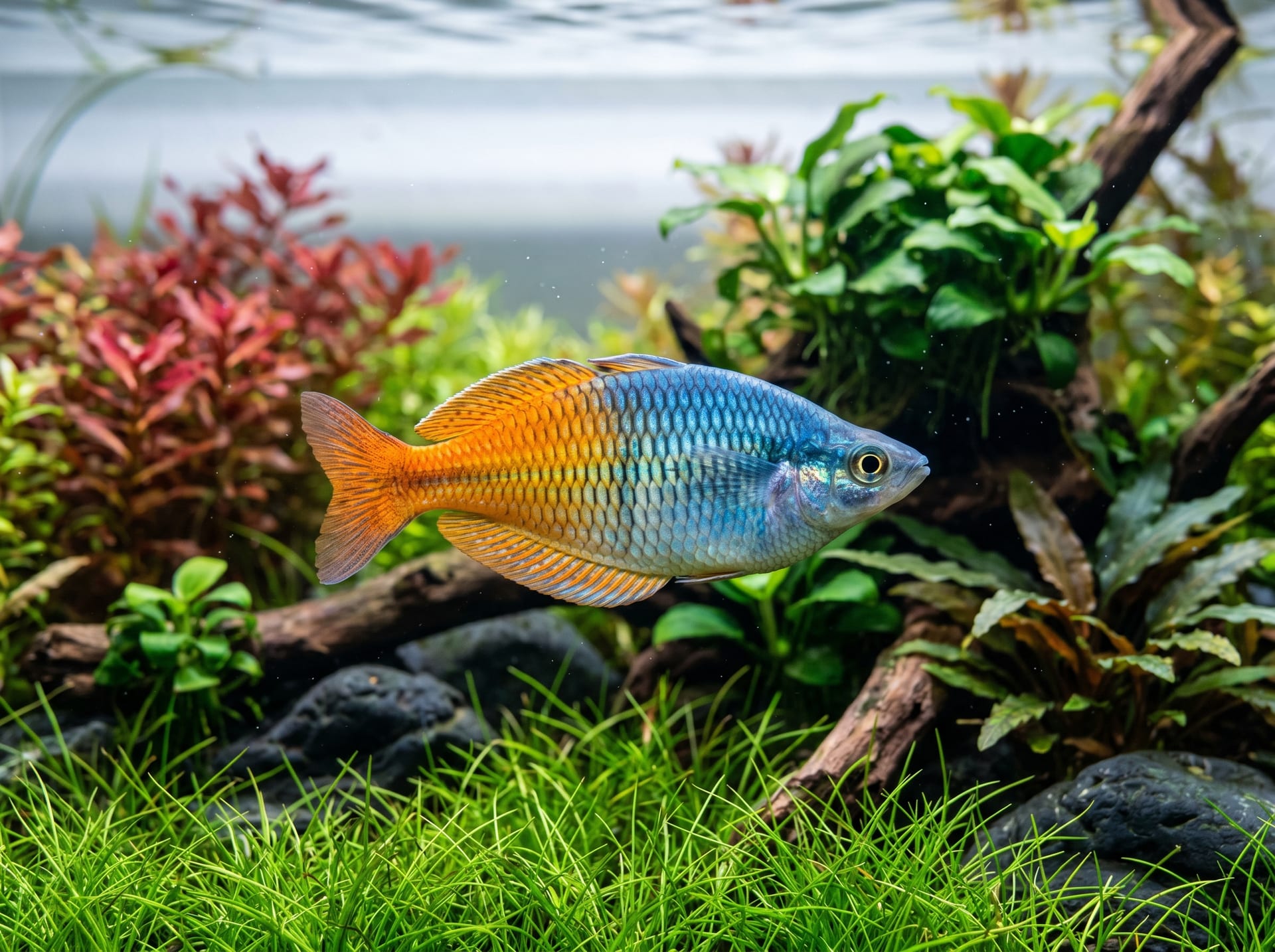
彩虹鱼是主要分布于澳大利亚和新几内亚的淡水鱼,属银汉鱼目虹银汉鱼科,正如其名,身体会随光线照射角度的不同而闪耀出彩虹般的光泽,这正是它最大的魅力。野生个体栖息于河流与湖沼中水流平缓的地方,自1800年代后期起便受到欧美水族馆和研究者的关注。体长因种类而异,约为5〜15cm,雄鱼相比雌鱼体型更接近菱形,婚姻色与发色的强度也有差别。性格温和、合群性强,成群游动的身影在水族箱中格外引人注目。饲养用水偏好弱碱性,只要维持清洁的水质和适当的照明,就能长期保持美丽的发色。它们体质强健、对环境的适应力也强,因此无论作为热带鱼饲养的入门品种,还是作为讲究造景水族箱的主角,都享有很高的人气。
迎接彩虹鱼前需要了解的7件事
1鱼缸尺寸指南
成体体长因种而异,通常为5~15cm,若要享受多条鱼的群游,建议使用60cm以上的水槽。这类鱼活泼好动,需要充足的水平空间,因此宽型水槽比较合适。过度密集饲养会导致鱼类压力增加和水质恶化,建议每条鱼至少保留10升水的空间。
2水质和水温的管理
喜欢中性至弱碱性水质(pH 7.0~8.0),水温为24~28℃。对水温突变和酸性水质敏感,因此稳定地维持加热器和过滤器的运行尤为重要。每周进行约1/3的换水可以有效维持水质。
3群游社交性
彩虹鱼通过群体活动获得安全感。单独或少数饲养会显得胆小,色彩发色也会变差。将同一物种的鱼至少5~6条以上集中饲养,可以充分展现它们的活跃性和绚丽的婚姻色。
4混养相性的注意事项
性格温和,可与大多数中型鱼混养。但应避免与会咬鳍的鱼类混养(如部分神仙鱼和虎皮鱼等)。同等体型且性格温和的鱼种混养相容性较好,不同种类的彩虹鱼之间也可以混养。
5饲食与投喂
它们喜欢吃人工饲料,但每周投喂几次冷冻红虫和卤虫等活饵或冷冻饵料,能有效促进发色和维持健康。由于它们的嘴相对较小,片状饲料和小颗粒饲料更容易食用且适合。建议每天投喂2次,每次投喂量以它们能在3~5分钟内吃完为准。
6雌雄辨别与繁殖
雄鱼的体色比雌鱼更鲜艳,背鳍和尾鳍也往往发育得更大。繁殖相对容易,它们会在水草等上产卵。由于亲鱼有时会吃卵,如果想要繁殖,可以在产卵后将卵移到另一个水槽中,这样孵化率会更高。
7初期费用和维持费的估计
彩虹鱼单条的价格因品种和流通量而异,常见品种通常售价数百至数千日元。水槽、过滤器、加热器、照明等初期设备费用,小型套装约为1~2万日元,60厘米水槽约为3~5万日元。维护费用通常每月在数百至1,000日元左右(包括饲料、电费和消耗品)。
彩虹鱼的常见问题
- Q.初学者可以饲养彩虹鱼吗?
- A.如果能够提供合适的水族箱大小并做好水质管理,初学者也能够饲养。由于它们对急剧的水质变化敏感,建议养成每周进行一次部分换水和检查水质的习惯,这样会更放心。
- Q.理想的饲养数量应该从多少开始?
- A.建议至少饲养6条以上。群体越大,越能引出自然的行为,发色也会更鲜艳。混养公鱼和母鱼可以观察到更活跃的行为。
- Q.可以和其他热带鱼混养吗?
- A.由于性格温和,适合与同等大小的灯鱼类和鼠鱼等混养。建议避免与会被吞掉的极小鱼或斗鱼这样的好斗鱼类混养。
- Q.彩虹鱼的寿命有多长?
- A.在适当的饲养环境下,据说寿命约为5〜8年。水质稳定、饮食均衡、环境压力小有利于延长寿命。
- Q.应该给它们喂什么?
- A.以高质量的浮式薄片饲料或颗粒饲料为主食,每周多次投喂冷冻血虫或丰年虫等,可使其生长得更健康。每天喂2次,每次投喂量以3〜5分钟内能吃完为准。
适合饲养彩虹鱼的实用工具
Learn more about 彩虹鱼 in the encyclopedia
查看彩虹鱼的图鉴条目 →
收录饲养难度、寿命、体长、食性等基础数据。