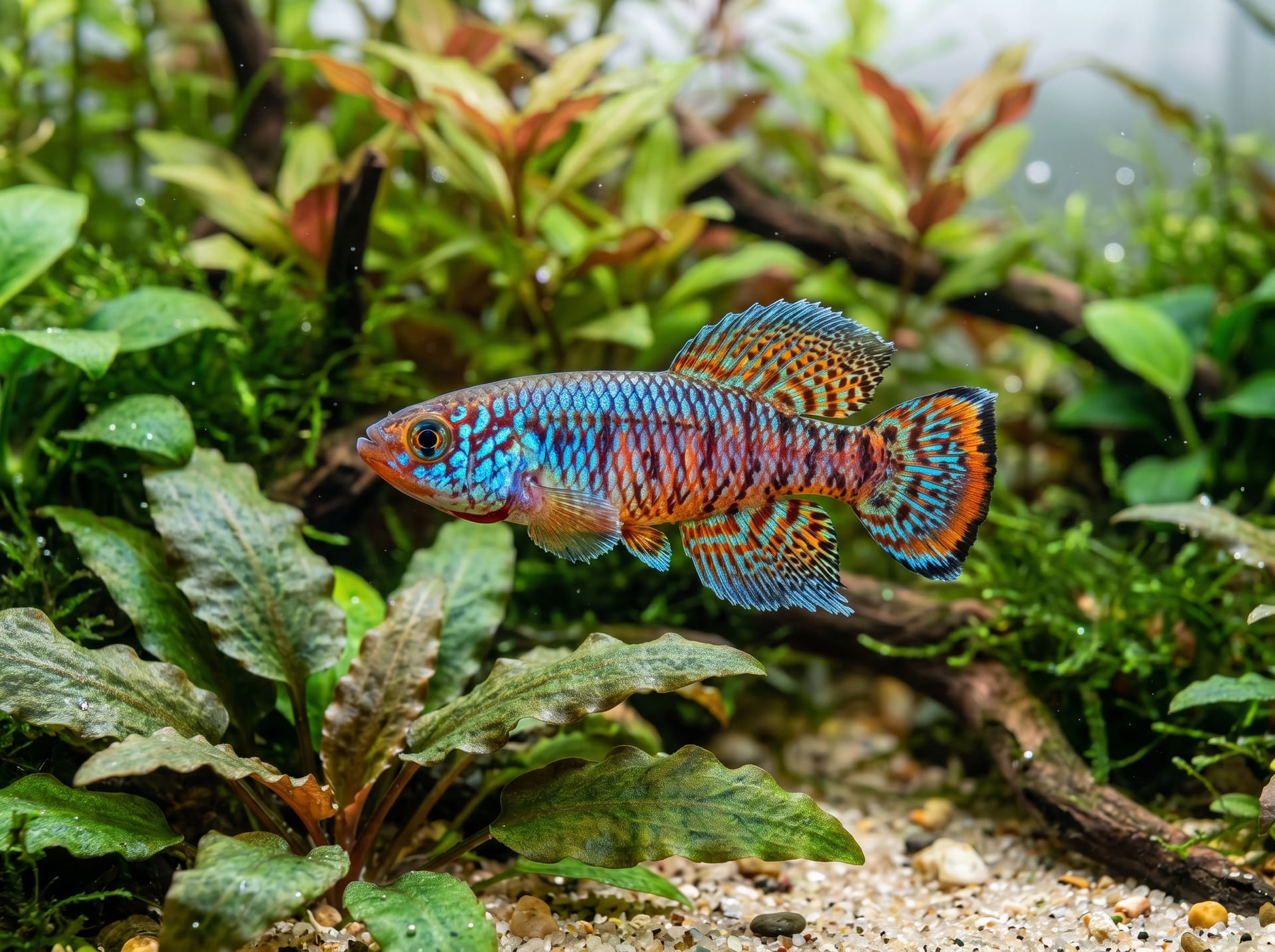
Small beautiful fish found worldwide. Males display incredibly vivid colors like gems. Over 1000 species, popular with enthusiasts.
View 青鳉/卵生鳉鱼 encyclopedia →前3笔销售免佣金!在2026年7月31日前注册为繁殖者,前3笔销售免佣金!
繁殖者 招募中!
在BreederDirect发布商品,直接销售给全国客户!
在热带鱼上架商品中,繁殖者明示以下信息。确保水质适应性、气质、推荐水槽尺寸的透明度。
想上架热带鱼吗?
注册成为繁殖者,即可与买家直接联系。
价格区间
地区
属性
Killifish belong to the order Cyprinodontiformes and are found across tropical and subtropical regions of Africa, South America, and Asia, with each region hosting distinct evolutionary lineages. While Japanese medaka (Oryzias latipes) are technically killifish, the term "killifish" in the hobby most often refers to African species such as Nothobranchius and South American genera like Aphyosemion. Males display stunning jewel-toned coloration — turquoise, red, and gold — that has captivated aquarists worldwide for generations. Among the most fascinating are annual species, which have adapted to seasonal pools that dry up each year. These fish complete their entire life cycle before the dry season, leaving behind eggs buried in the substrate that hatch when rains return — a remarkable survival strategy unique in the aquarium hobby. Dried eggs can even be shipped and traded internationally, fostering a vibrant global community. Most killifish are peaceful, though males can be territorial. With over 1,000 species to explore, all suited to modest tank sizes, killifish offer extraordinary depth for any aquarist.
1Temperature & Water Quality
Most killifish prefer water temperatures of 22–28°C, and the ideal water hardness varies by species. Research the natural habitat before purchase and match water conditions accordingly. Avoid sudden changes in temperature or water quality, as these can cause stress and disease — change water in small amounts at a time.
2Short-Lived Annual Species
Some killifish are "annual" species — in the wild, adults die during the dry season and only eggs survive in the substrate. Annual killifish typically live about one year, so collecting and storing eggs becomes a key part of the hobby. Confirm whether the species is annual before purchasing.
3Male Aggression
Males of most species compete aggressively over territory, so keeping multiple males together requires ample space and hiding spots. For some species, a ratio of one male to multiple females is recommended. Choose tankmates carefully and avoid fish known to nip fins.
4Diet & Feeding
Killifish thrive on live or frozen foods such as bloodworms and brine shrimp, which enhance coloration and encourage breeding. Prepared dry foods can be used but supplementing with live or frozen foods helps maintain better condition. Feed twice daily in amounts consumed within 3–5 minutes.
5Breeding & Egg Care
Most killifish deposit eggs in plants or substrate, and moving eggs to a separate container improves hatch rates. Annual species require a unique method — eggs are stored in peat moss under dry conditions and later moistened to trigger hatching. Water temperature and storage duration vary by species, so consult the breeder at the time of purchase.
View 青鳉/卵生鳉鱼 encyclopedia entry →
Care difficulty, lifespan, size and diet — all basics covered.
6Tank Size & Equipment
Small species can be kept in 30–45 cm tanks, though larger setups help reduce territorial conflicts between males. Many killifish are strong jumpers, so a tight-fitting lid is essential. Hang-on-back filters or sponge filters with gentle flow are well-suited to these fish.
7Availability & Cost
Common species are readily available at pet stores and aquarium shops, while rarer varieties are often sourced directly from breeders. Prices range from a few hundred yen for common species to over 10,000 yen for rare ones. Factor in initial setup costs — tank, filter, and heater — before making a purchase decision.