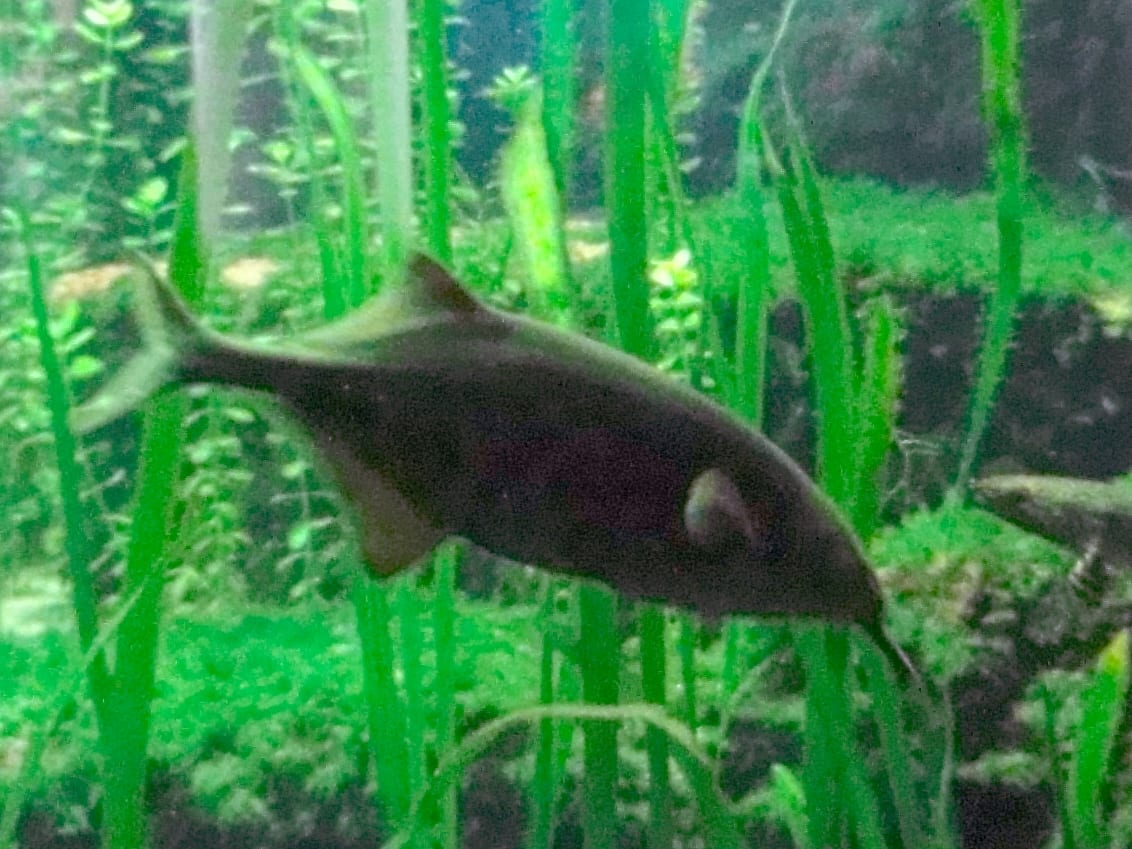
 © Jutta234 / CC BY-SA 3.0
象鼻鱼
The elephantnose fish is a striking freshwater species from Africa, known for generating a weak electric field to sense its surroundings. What looks like a trunk is actually an extended lower jaw packed with sensory receptors, used to probe the sand for hidden food. It's a cautious, solitary fish that spends much of its time tucked away in cover, though it grows more visible once settled into a stable environment. Because its sensory organ is delicate, a tank with fine sand substrate and soft, dim lighting is essential. With a lifespan of 6 to 10 years, long for a freshwater fish, it rewards patient owners with a genuinely unique companion, making it a good choice for more experienced keepers.
View 象鼻鱼 encyclopedia →成交手续费0%!2026年9月30日前注册,前 2 笔成交免佣金!
繁殖者 招募中!
在BreederDirect发布商品,直接销售给全国客户!
我们承诺的 6 个透明度保证
在热带鱼上架商品中,繁殖者明示以下信息。确保水质适应性、气质、推荐水槽尺寸的透明度。
- 产地明示
- 实物照片
- 水质明示
- 推荐水槽
- 气质明示
- 血统明示
查看全部301个品种
热带鱼分类正在招募认证繁殖者
繁殖者正在陆续注册,即将上架。设置上架通知,不错过新商品。
「接收上架通知」需免费注册会员即可设置。当有符合您保存条件的新商品上架时,我们会通过邮件和站内通知提醒您。
已注册的繁殖者(抢先看)
关于象鼻鱼
Meet the elephantnose fish, an African freshwater species known for using weak electric signals to sense its surroundings. Learn about its unique sensory organ, ideal tank setup, and lifespan before bringing one home.
迎接象鼻鱼前需要了解的7件事
1Fine, Soft Sand Substrate
Elephantnose fish use their sensitive trunk-like organ to probe the substrate for food, so choose fine, rounded sand rather than coarse gravel. Sharp-edged gravel can injure this delicate sensory organ.
2Plenty of Hiding Spots
This is a shy, cautious fish that spends much of its time resting in cover. Provide several hiding places, such as driftwood, tubes, or plants, so it can feel secure.
3Dim Lighting Works Best
Bright light tends to stress this species, which prefers a subdued environment. Keep the tank lighting low and add decorations that cast shadows for it to retreat into.
4Uses Weak Electric Signals
This fish generates a weak electric field to sense objects and navigate its surroundings, a form of electrolocation rather than a defensive shock. It's a remarkable adaptation unique to this species.
5Sensitive to Water Quality
Elephantnose fish are known to be sensitive to declining water conditions and can lose condition quickly if water quality slips. Regular water changes and reliable filtration help keep conditions stable.
6Nocturnal, Prefers Sinking Food
This species is most active during dim hours and tends to forage after dark. Sinking foods like frozen bloodworms, placed near hiding spots, are easiest for it to find.
7Best Kept Alone
Individuals of this species often become territorial toward each other, so keeping more than one requires a spacious tank and careful monitoring. It can generally coexist peacefully with other calm fish, but tankmates should be chosen with care.
象鼻鱼的常见问题
- Q.Is the elephantnose fish suitable for beginners?
- A.This species is generally considered better suited to experienced aquarists. Its need for fine sand substrate and dim lighting calls for some prior fishkeeping experience before taking it on.
- Q.What is that trunk-like organ on its face?
- A.It isn't actually a nose — it's an extended lower jaw that functions as a sensory organ. The fish uses it to locate food hidden in the substrate.
- Q.Can it be kept with other fish?
- A.It tends to get along reasonably well with calm tankmates, but individuals of its own species often become territorial toward one another. If keeping multiple fish, introduce them carefully and watch for aggression.
- Q.How big does it grow?
- A.It typically reaches a standard length of up to about 35 cm, though some sources cite around 22.5 cm. Plan for a sufficiently spacious tank either way.
- Q.What is its typical lifespan?
- A.With well-maintained conditions, it can live roughly 6 to 10 years. Stable water quality and adequate hiding places play a role in supporting a long lifespan.
适合饲养象鼻鱼的实用工具
在图鉴中详细了解象鼻鱼
查看象鼻鱼的图鉴条目 →
收录饲养难度、寿命、体长、食性等基础数据。