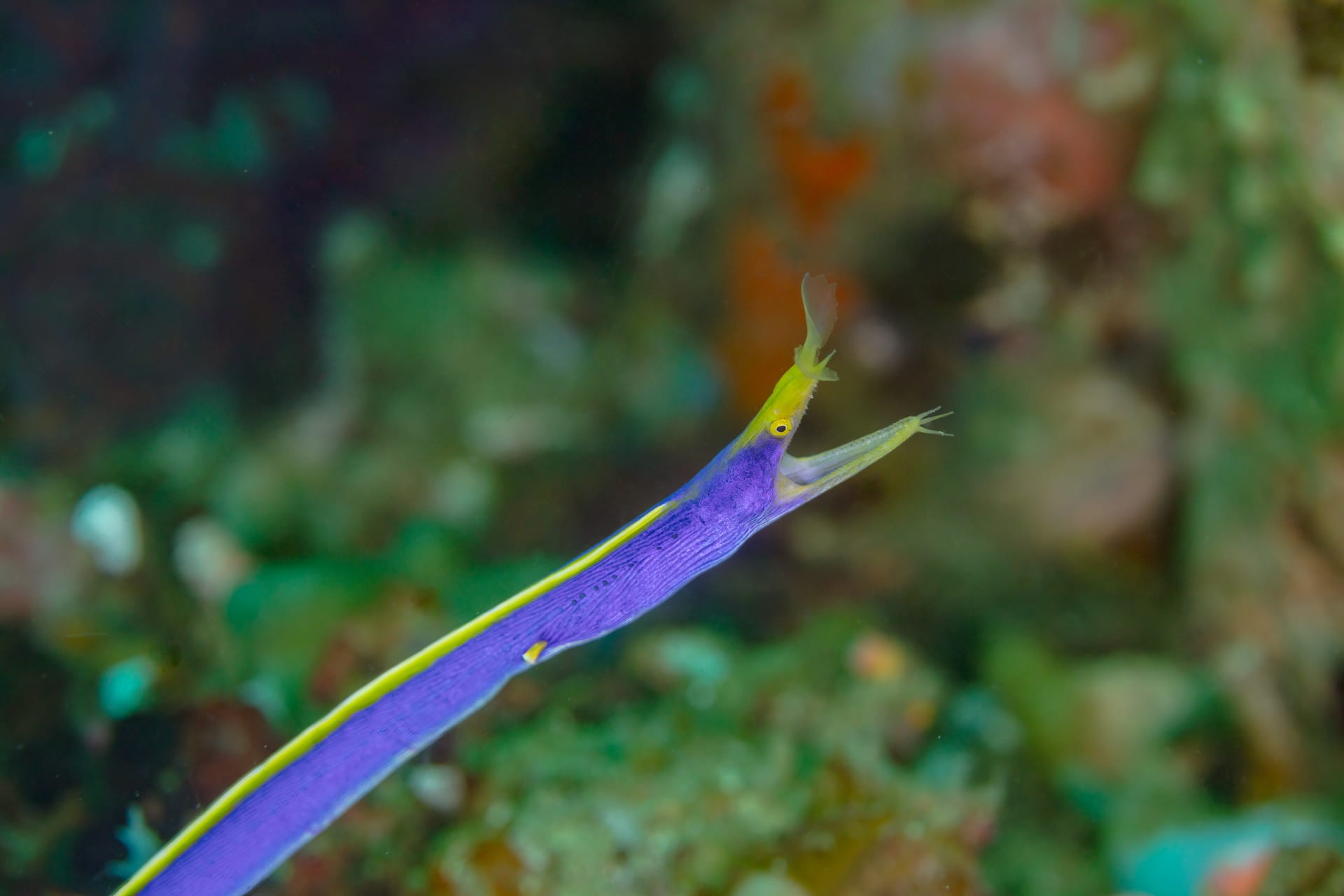
 © Diego Delso / CC BY-SA 4.0
大口管鼻鳝
The ribbon eel is a striking moray known for its slender, ribbon-like body and flared, petal-shaped nostrils. It undergoes a dramatic color change as it grows — starting out black as a juvenile, turning vivid blue as a male, and eventually changing sex to become bright yellow as a female. Watching one wave gracefully from a burrow, with just its head peeking out, is one of the most captivating sights in a marine tank. That said, ribbon eels are notoriously shy and picky eaters, and many individuals refuse food and decline in captivity. For this reason, they're considered a species best suited to public aquariums or highly experienced keepers rather than beginners. Anyone considering one should weigh its beauty against the real difficulty of keeping it healthy long-term.
View 大口管鼻鳝 encyclopedia →成交手续费0%!2026年9月30日前注册,前 2 笔成交免佣金!
繁殖者 招募中!
在BreederDirect发布商品,直接销售给全国客户!
我们承诺的6大透明化亮点
繁殖者在海水鱼出品中公开以下信息。避免过度捕捞的野生个体,确保养殖CB为主、推荐水箱尺寸、气质信息的透明化。
- 养殖CB
- 实物照片
- Reef-safe
- 含饲育信息
- 产地明示
- 气质明示
查看全部175个品种
已注册的繁殖者(抢先看)

关于大口管鼻鳝
The ribbon eel is a slender moray prized for its striking color change from black to blue to yellow as it grows. Shy and difficult to feed, it's considered an advanced-level saltwater fish best suited to experienced keepers.
迎接大口管鼻鳝前需要了解的7件事
1Feeding Difficulties
Ribbon eels are notoriously nervous and often refuse to accept prepared or frozen foods. Many will only respond to live, moving prey such as small fish or shrimp, and a number of individuals stop eating altogether and decline in captivity. Before bringing one home, make sure you can reliably source live food and understand its feeding needs.
2Hiding Spots and Rockwork
Ribbon eels have a strong instinct to burrow into rocky crevices or sand, often poking out only their head to watch their surroundings. Providing plenty of live rock with secure gaps, plus a sand bed to burrow into, helps reduce stress. Without adequate hiding spots, they tend to stay unsettled and become even harder to feed.
3Escape-Proofing the Tank
Like many moray eels, ribbon eels have slender bodies that can squeeze through surprisingly small gaps and escape the tank. Lids and any openings around filtration equipment or plumbing need to be sealed tightly. Because they dry out very quickly out of water, a delayed discovery after an escape can be fatal.
4Choosing Tankmates
Any fish or crustacean small enough to fit in its mouth may be seen as food, so tankmate size needs careful consideration. At the same time, housing a ribbon eel with aggressive fish can stress it and make it even more reluctant to feed. Peaceful tankmates of a similar size, introduced gradually, tend to work best.
5Water Quality Care
Ribbon eels have delicate skin and are thought to be sensitive to sudden water quality changes or the buildup of waste. Keeping them in a tank with filtration matched to its volume, along with regular water changes and testing, is basic to maintaining their health. Since stress can cause them to stay hidden and stop coming out, daily observation is also important.
6The Challenge of Longevity
In the wild, ribbon eels can live up to around 20 years, but in captivity many individuals decline within a year. This is generally attributed to refusing food and difficulty adapting to aquarium conditions, meaning long-term success requires considerable knowledge and experience. Anyone considering this species should go in with a clear understanding of just how challenging it can be to keep long-term.
7Grows Up to 130cm
Adults can reach up to around 130cm in length, requiring more tank space than their slender appearance might suggest. While they spend much of their time tucked into rockwork rather than swimming actively, it's important to plan for a tank with enough length and depth to accommodate their eventual size.
大口管鼻鳝的常见问题
- Q.Is the ribbon eel suitable for beginners?
- A.Ribbon eels are difficult to feed and many individuals stop eating and decline in captivity, which is why they're considered an advanced-level species. They're best suited to keepers with solid saltwater experience who can patiently work on getting them to feed.
- Q.Will it eat prepared or frozen food?
- A.Some individuals can eventually be trained onto prepared foods, but many will only respond to live, moving prey like small fish or shrimp. Getting a ribbon eel to feed reliably often takes considerable time and patience.
- Q.Can it be kept with other fish?
- A.Any tankmate small enough to fit in its mouth, such as small fish or crustaceans, may be at risk of being eaten. Peaceful tankmates of a similar size, introduced carefully, tend to work best.
- Q.Can ribbon eels escape from the tank?
- A.Like other moray eels, their slender bodies let them squeeze through surprisingly small gaps and escape. A tightly sealed lid and gap-free plumbing openings are essential to prevent this.
- Q.How big a tank do I need?
- A.Since adults can reach up to around 130cm, you'll need a tank with enough length and depth to accommodate their eventual size. Including rockwork for hiding also helps them settle in.
适合饲养大口管鼻鳝的实用工具
在图鉴中详细了解大口管鼻鳝
查看大口管鼻鳝的图鉴条目 →
收录饲养难度、寿命、体长、食性等基础数据。