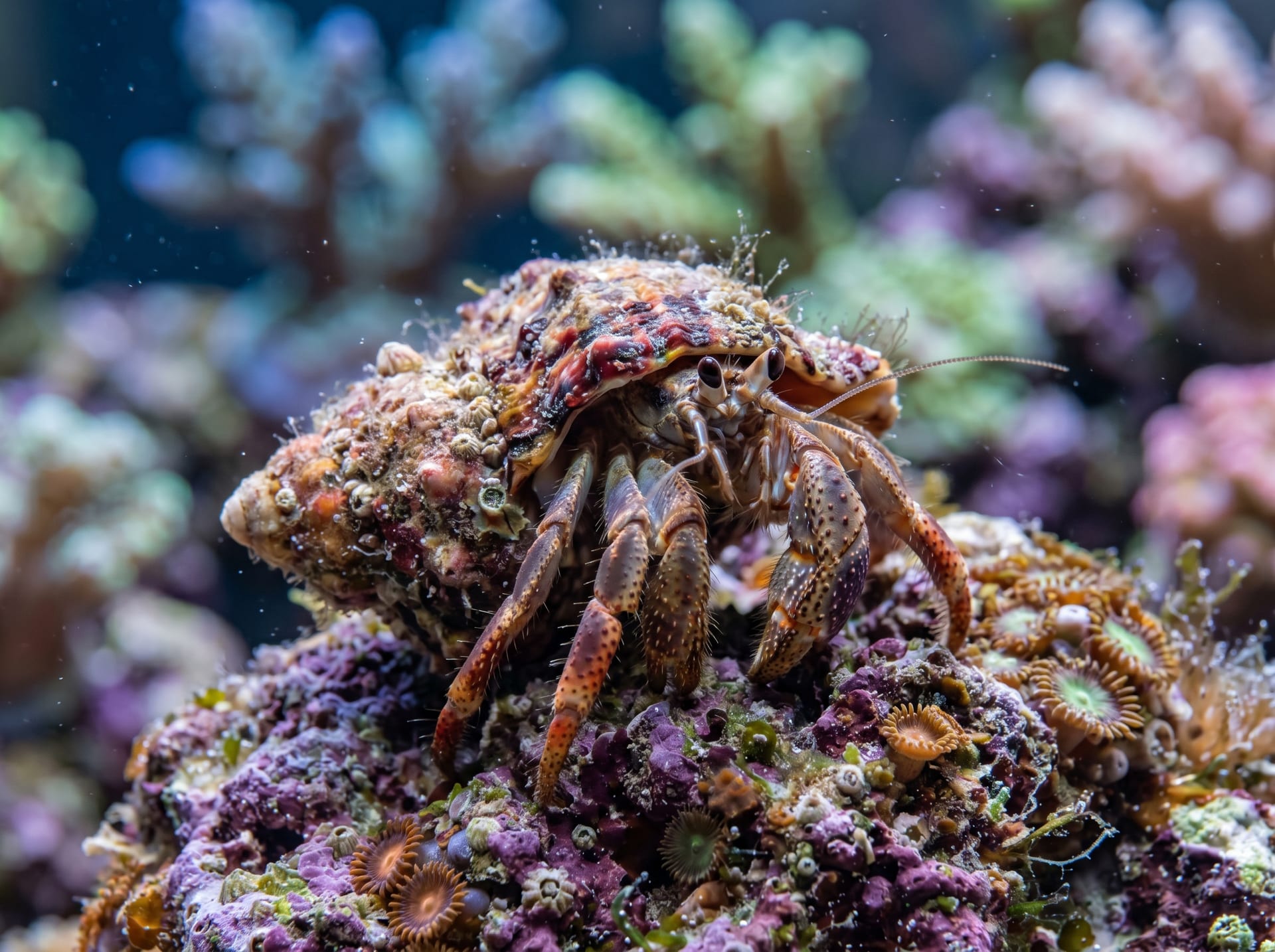
Crabs and hermit crabs are popular cleanup crew members in marine aquariums, helping control algae and consuming leftover food while delighting keepers with their fascinating movements and vibrant colors. Because compatibility with corals and small fish varies by species, it is important to research suitable tankmates before bringing them home.
前3笔销售免佣金!在2026年7月31日前注册为繁殖者,前3笔销售免佣金!
繁殖者 招募中!
在BreederDirect发布商品,直接销售给全国客户!
繁殖者在海水鱼・珊瑚出品中公开以下信息。避免过度捕捞的野生个体,确保养殖CB为主、推荐水箱尺寸、气质信息的透明化。
繁殖者正在陆续注册,即将上架。设置上架通知,不错过新商品。
「接收上架通知」需免费注册会员即可设置。当有符合您保存条件的新商品上架时,我们会通过邮件和站内通知提醒您。
想上架海水鱼・珊瑚吗?
注册成为繁殖者,即可与买家直接联系。
价格区间
地区
属性
Crabs and hermit crabs belong to the crustacean family and are found across tropical and subtropical coastlines worldwide, from shallow tidal zones to deeper reef environments. In the aquarium hobby they are prized primarily as cleanup crew members, grazing on algae and consuming leftover food to help maintain biological balance in the tank. Their appearance varies widely by species, ranging from vivid reds and blues to purples, and the sight of hermit crabs carrying and swapping shells offers a uniquely engaging observation experience. Most species are naturally cautious and often nocturnal, spending daytime hours tucked behind rocks, though they become more active and visible as they settle into their environment. Their relatively low price and ease of entry make them an attractive first step into marine keeping, and even a single specimen can meaningfully reduce maintenance. That said, understanding their specific needs—molting care, shell selection, and tankmate compatibility—is the key to long-term success.
1Stable Water Quality Is Essential
Maintaining a specific gravity of 1.023–1.025, water temperature of 24–26°C, and zero ammonia or nitrite is fundamental. Crabs and hermit crabs are fairly sensitive to water quality changes, and sudden temperature swings or low oxygen levels can quickly affect their health. Regular water changes and consistent filter maintenance are essential.
2Never Disturb During Molting
Crabs and hermit crabs molt periodically as they grow. During molting their new shell is extremely soft, and any disturbance can be fatal. The shed exoskeleton is often consumed as a calcium source, so leave it in the tank rather than removing it immediately.
3Provide Spare Shells for Hermit Crabs
Hermit crabs regularly move into larger shells as they grow. Without a selection of appropriately sized spare shells in the tank, they may attempt to steal shells from other inhabitants. When using natural shells, boil them first to sanitize before placing them in the aquarium.
4Check Compatibility With Corals
Some species nip at coral polyps or knock over live rock, damaging small corals in the process. Choose species known to be reef-safe, such as certain dwarf hermit crabs, or confirm compatibility with your coral selection at the shop. As a general rule, avoid species with a known tendency to feed on corals in reef tanks.
5Choose Tankmates Carefully
Crabs are opportunistic omnivores and may prey on slow-moving bottom-dwelling fish or weakened tankmates. Housing them with small shrimp also poses a predation risk. Pairing them with peaceful mid-water fish or keeping a species-only setup simplifies management.
6Understand Setup and Ongoing Costs
Setting up a marine aquarium requires specialized equipment such as a protein skimmer, live rock, and a refractometer, making initial costs higher than freshwater setups. While crabs and hermit crabs themselves are relatively affordable, budget for ongoing consumables like synthetic sea salt, additives, and spare shells. Ongoing costs vary significantly depending on tank size.
7Secure Your Tank Against Escapes
Crabs and hermit crabs are surprisingly active climbers and can escape by scaling the tank walls, especially at night. A secure, well-fitted lid with no gaps is essential. Exposure to dry air for extended periods carries a high risk of death, making escape prevention a fundamental part of keeping them safely.