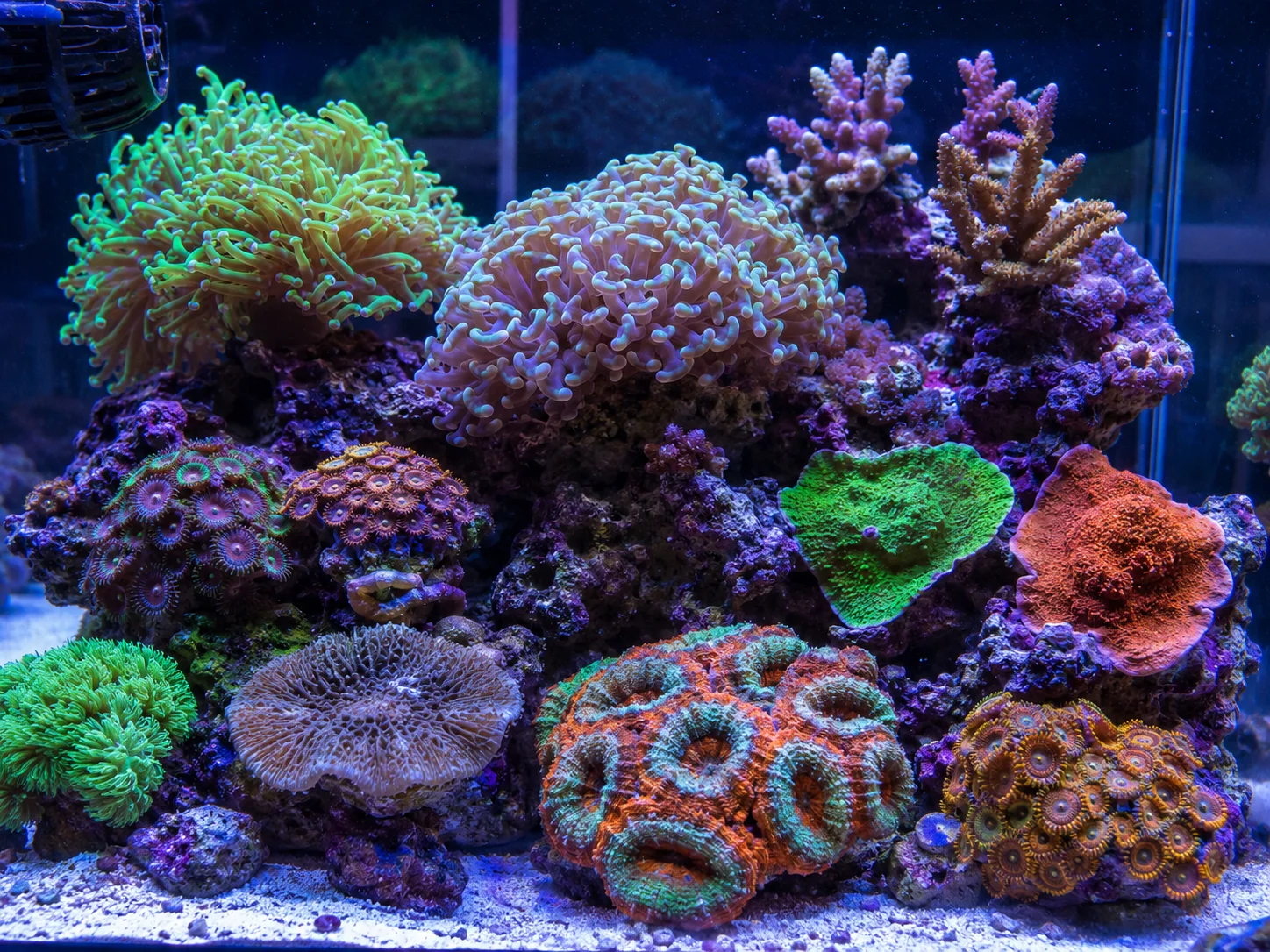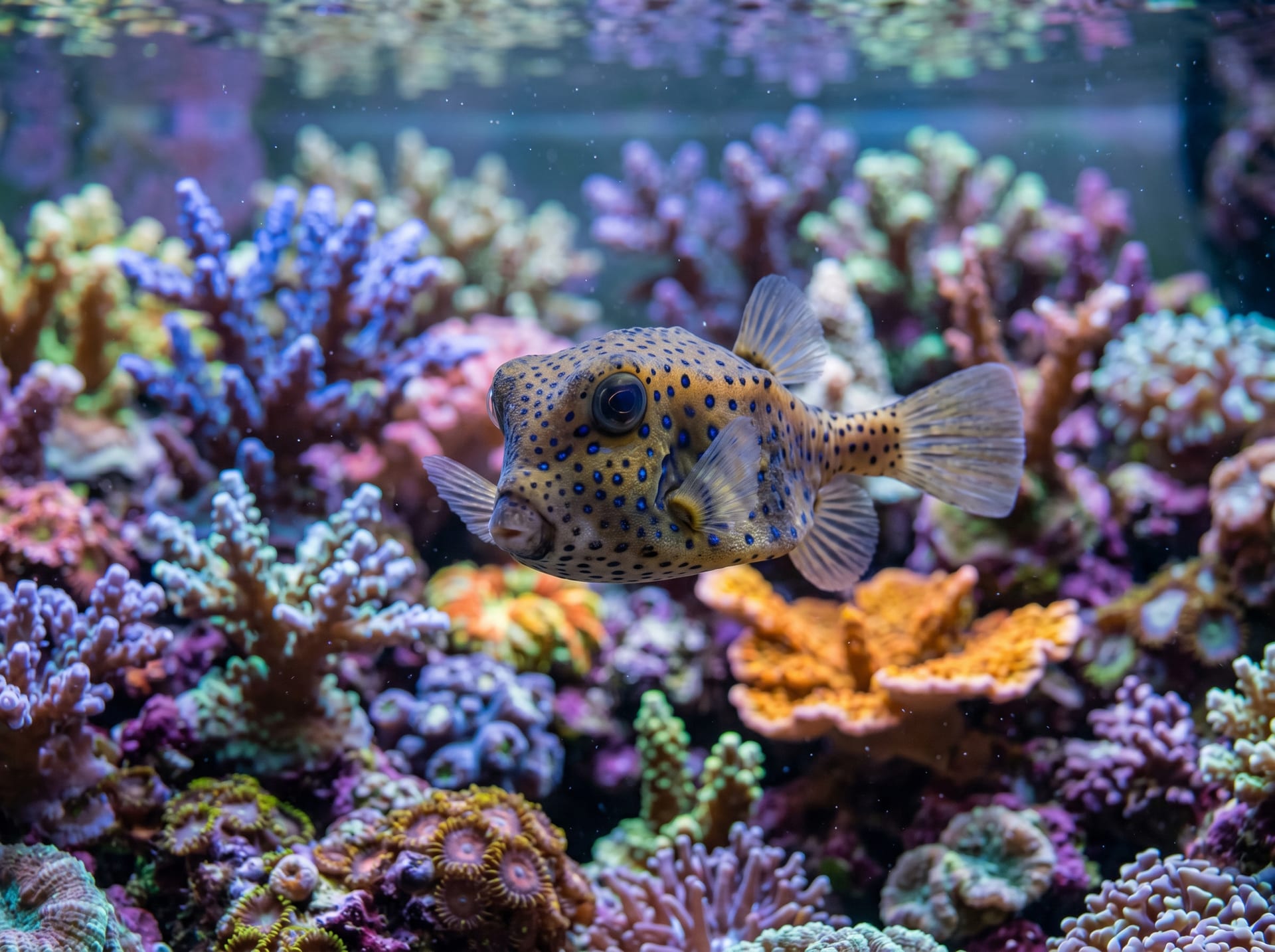
Pufferfish and boxfish are beloved saltwater fish known for their round, charming bodies and comical swimming style. Some species carry toxins, so care is needed when choosing tankmates and handling them. While certain species are suitable for beginners, stable water quality and a well-prepared environment are essential for long-term success.
前3笔销售免佣金!在2026年7月31日前注册为繁殖者,前3笔销售免佣金!
繁殖者 招募中!
在BreederDirect发布商品,直接销售给全国客户!
繁殖者在海水鱼・珊瑚出品中公开以下信息。避免过度捕捞的野生个体,确保养殖CB为主、推荐水箱尺寸、气质信息的透明化。
繁殖者正在陆续注册,即将上架。设置上架通知,不错过新商品。
「接收上架通知」需免费注册会员即可设置。当有符合您保存条件的新商品上架时,我们会通过邮件和站内通知提醒您。
想上架海水鱼・珊瑚吗?
注册成为繁殖者,即可与买家直接联系。
价格区间
地区
属性
Pufferfish and boxfish belong to the order Tetraodontiformes and are found across tropical and subtropical oceans worldwide. Their distinctive forms are protected either by rigid bony skin (boxfish) or flexible, expandable skin (pufferfish), and they defend themselves by inflating their bodies or through stored toxins. Their wide, expressive eyes and the gentle flutter of their pectoral fins give them an almost cartoonish charm that makes them endlessly engaging to watch. Many species grow accustomed to their keepers and will approach the surface at feeding time, displaying recognizable individual personalities. The true appeal of keeping these fish lies in observing each individual's daily behavior and quirks. That said, they require dedicated care — they produce considerable waste, can be challenging to house with other species, and need a diet that naturally wears down their ever-growing teeth. A solid foundation in marine fishkeeping is recommended before bringing one home.
1Be Aware of Toxins
Many pufferfish carry toxins such as tetrodotoxin in their skin and organs. These toxins can be released into the water when the fish is stressed or dies, potentially harming tankmates. Boxfish can also secrete a toxin called pahutoxin when threatened or distressed.
2Choose Tankmates Carefully
Pufferfish have strong beak-like teeth and a tendency to nip at corals, shellfish, crustaceans, and long-finned fish. Their predatory and omnivorous nature limits compatible tankmates. Some species are best kept alone due to territorial behavior even among their own kind.
3Feed Hard Foods for Dental Health
Pufferfish teeth grow continuously throughout their lives, and without proper wear they can become overgrown, making it difficult for the fish to eat. Regularly offering hard foods like shellfish, shrimp, and crustaceans helps keep teeth worn down naturally. Severely overgrown teeth may require trimming by a specialist.
4Water Quality Is Critical
Pufferfish and boxfish are sensitive to water quality deterioration, and elevated ammonia or nitrite levels can quickly cause health issues. Larger individuals produce significant waste, making a high-capacity filter and regular water changes essential. Maintaining a stable specific gravity of 1.020–1.025 is recommended.
5Provide Adequate Tank Size
Many species grow to 20–50 cm or more, making long-term care in small tanks impractical. Tanks of at least 120–180 liters or more may be recommended depending on the species, to allow free swimming and provide hiding spots. Always check the adult size of the species before purchasing and plan accordingly.
6Personable and Quick to Bond
Pufferfish and boxfish are intelligent fish that can recognize their owners and often swim up eagerly at feeding time. Their distinctive round eyes and comical movements make them highly entertaining to observe. However, stress and boredom can affect their health, so providing environmental enrichment is worthwhile.
7Allow Proper Acclimation Time
Moving to a new tank is highly stressful, so careful acclimation using methods such as the drip method is important. Newly introduced fish may refuse food at first, but appetite typically returns once they settle in. Providing hiding spots helps them feel secure and speeds up the acclimation process.