Marine shrimp—from Skunk Cleaner Shrimp to Camel Shrimp—are colorful invertebrates that add vivid life to reef tanks. Many species act as cleaner shrimp, picking parasites off fish in fascinating symbiotic behavior. While they are sensitive to water chemistry, a stable, well-maintained tank allows for long-term enjoyment.
前3笔销售免佣金!在2026年7月31日前注册为繁殖者,前3笔销售免佣金!
繁殖者 招募中!
在BreederDirect发布商品,直接销售给全国客户!
繁殖者在海水鱼・珊瑚出品中公开以下信息。避免过度捕捞的野生个体,确保养殖CB为主、推荐水箱尺寸、气质信息的透明化。
价格区间
地区
属性
繁殖者正在陆续注册,即将上架。设置上架通知,不错过新商品。
「接收上架通知」需免费注册会员即可设置。当有符合您保存条件的新商品上架时,我们会通过邮件和站内通知提醒您。
想上架海水鱼・珊瑚吗?
注册成为繁殖者,即可与买家直接联系。
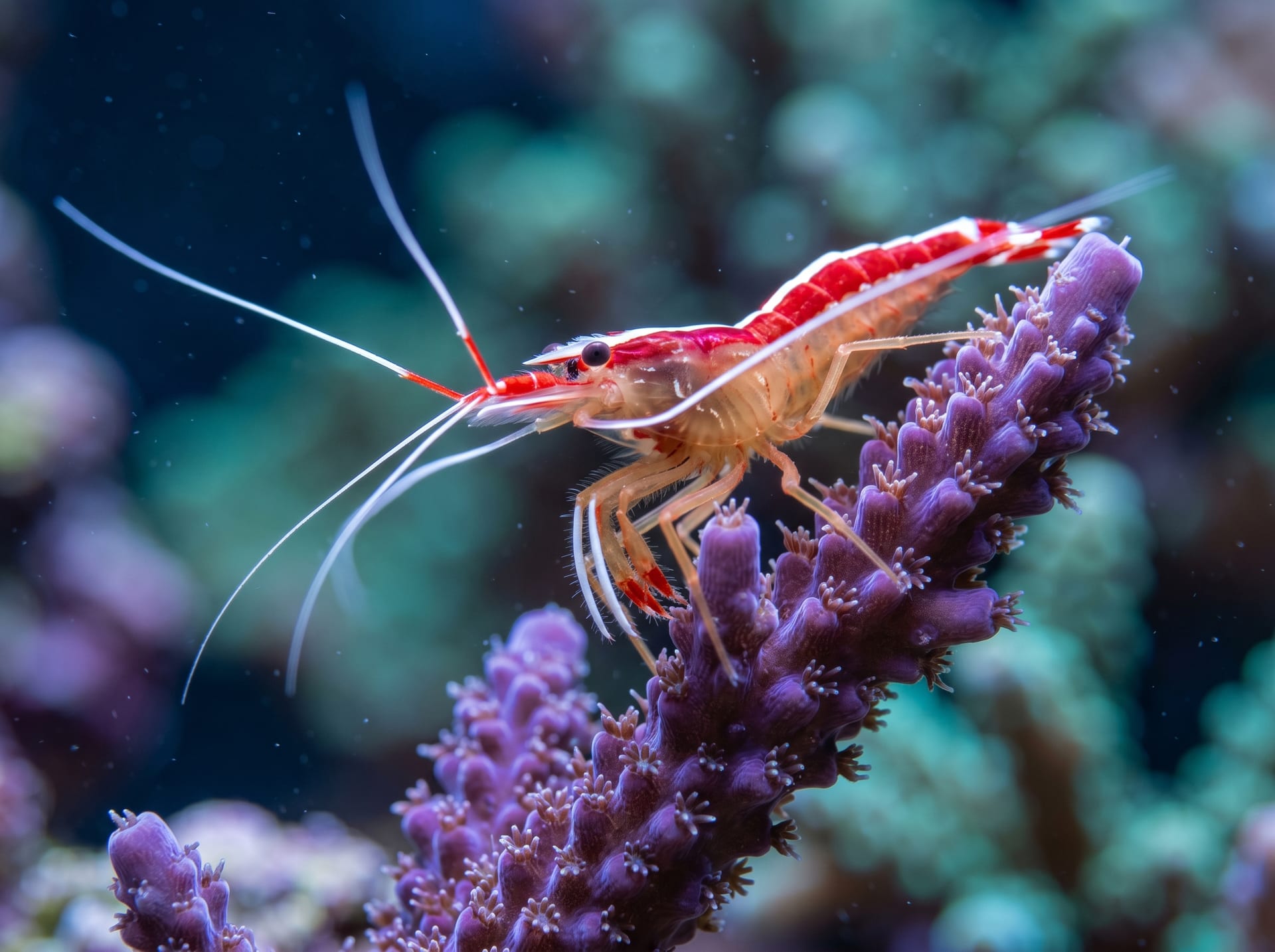
Marine shrimp are crustaceans found across tropical and subtropical seas worldwide, and they have been a beloved part of the reef-keeping hobby for decades. The Skunk Cleaner Shrimp, with its striking red-and-white coloration, is perhaps the most iconic — it operates cleaning stations where fish line up to have parasites and dead tissue removed from their gills and skin. The Camel Shrimp, named for its distinctive arched body, is another popular choice, known for its quirky swimming style and association with bubble-tip anemones. Both species thrive in stable, well-maintained reef tanks where salinity, temperature, and trace elements are kept consistent. Watching a shrimp deftly manipulate food with its chelipeds, or observing the remarkable shedding of an exoskeleton during a molt, offers endless fascination. The opportunity to witness genuine symbiotic behavior between shrimp and fish — right inside your own aquarium — is one of the most rewarding aspects of keeping marine shrimp.
1Highly Sensitive to Water Changes
Marine shrimp are far more sensitive to water quality than most fish, requiring ammonia and nitrite levels at near zero. Even trace amounts of copper-based medications—common in ich treatments—can be lethal to them. Always use invertebrate-safe treatments and perform water changes slowly using the drip method.
2Drip Acclimation Is Essential
Newly acquired shrimp are at high risk of osmotic shock from sudden changes in temperature, salinity, or pH. Drip acclimation over one to two hours is the standard approach. Taking extra time when salinity levels differ significantly between your tank and the transport water greatly improves survival rates.
3Molting Is a Vulnerable Period
Shrimp molt periodically to grow, and freshly molted individuals are soft-shelled and vulnerable to aggression from tankmates. You can leave the shed exoskeleton in the tank as a calcium source, or crush and offer it back. Supplementing iodine and calcium supports healthy molting cycles.
4Careful Tankmate Selection Required
Fish such as wrasses, triggerfish, and blennies may prey on shrimp. For cleaner shrimp to function properly, pair them with peaceful fish that recognize cleaning stations. Even among shrimp, some species compete territorially, so research compatibility before adding multiple species to the same tank.
5Maintain Proper Salinity and Specific Gravity
A specific gravity of 1.023–1.026 (approximately 33–35 ppt salinity) suits most marine shrimp species. Daily top-off with fresh water—or an automatic top-off (ATO) unit—prevents salinity from rising as water evaporates. A refractometer gives more accurate readings than a swing-arm hydrometer.
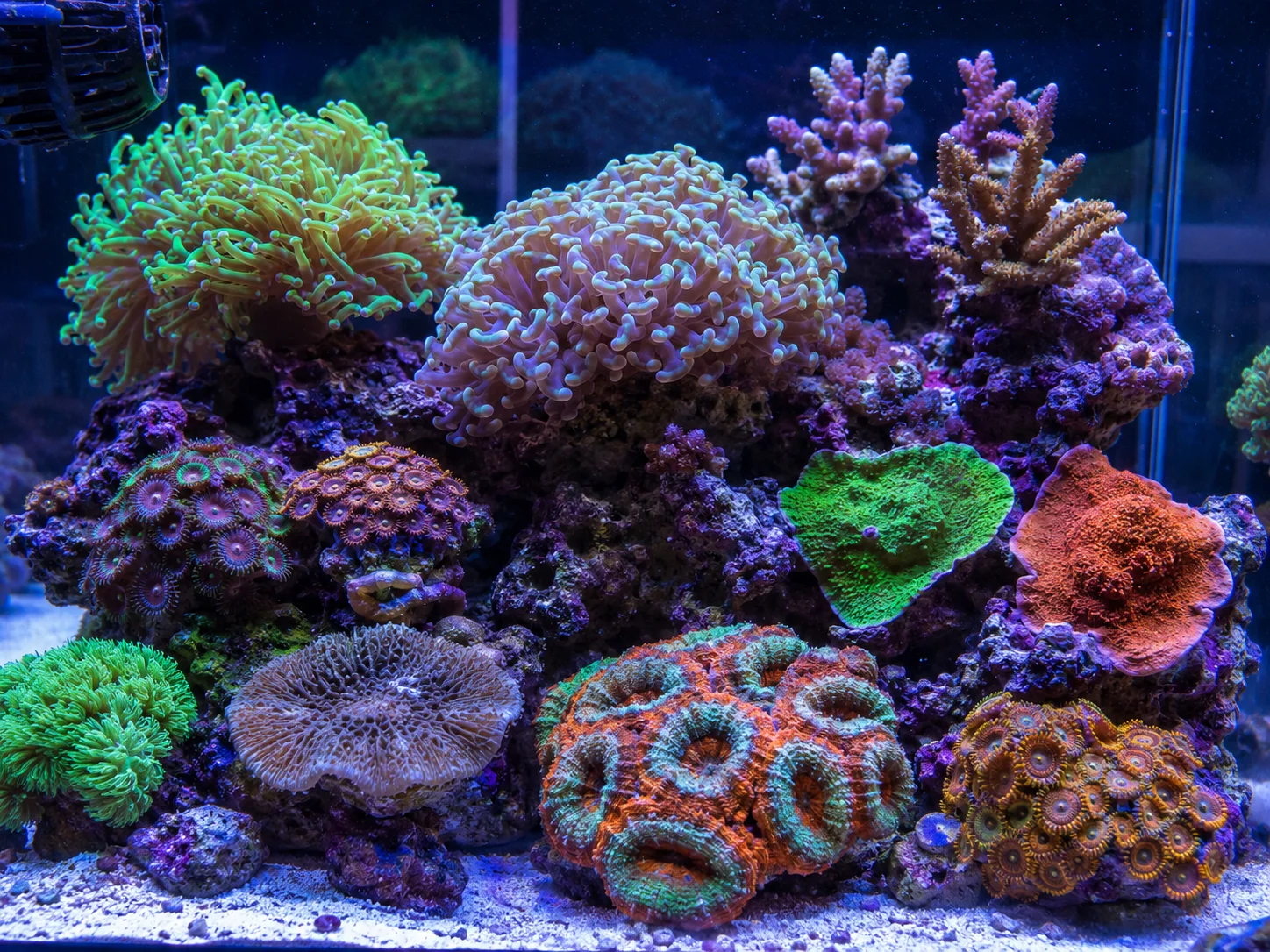
6Provide Rock Structures for Shelter
Marine shrimp naturally seek crevices and cave-like structures to hide during molting and resting. Live rock aquascaping provides both shelter and a surface for beneficial bacteria to colonize. Ample hiding spots reduce stress, which contributes to overall health and longevity.
7Expected Setup and Ongoing Costs
Keeping marine shrimp requires saltwater-specific equipment such as a protein skimmer, refractometer, and live rock, making initial costs higher than freshwater setups. Common species like Skunk Cleaner Shrimp typically range from around ¥1,000 to ¥3,000 per individual. Budget for ongoing costs such as synthetic sea salt mix, as regular top-offs and partial water changes consume it steadily.