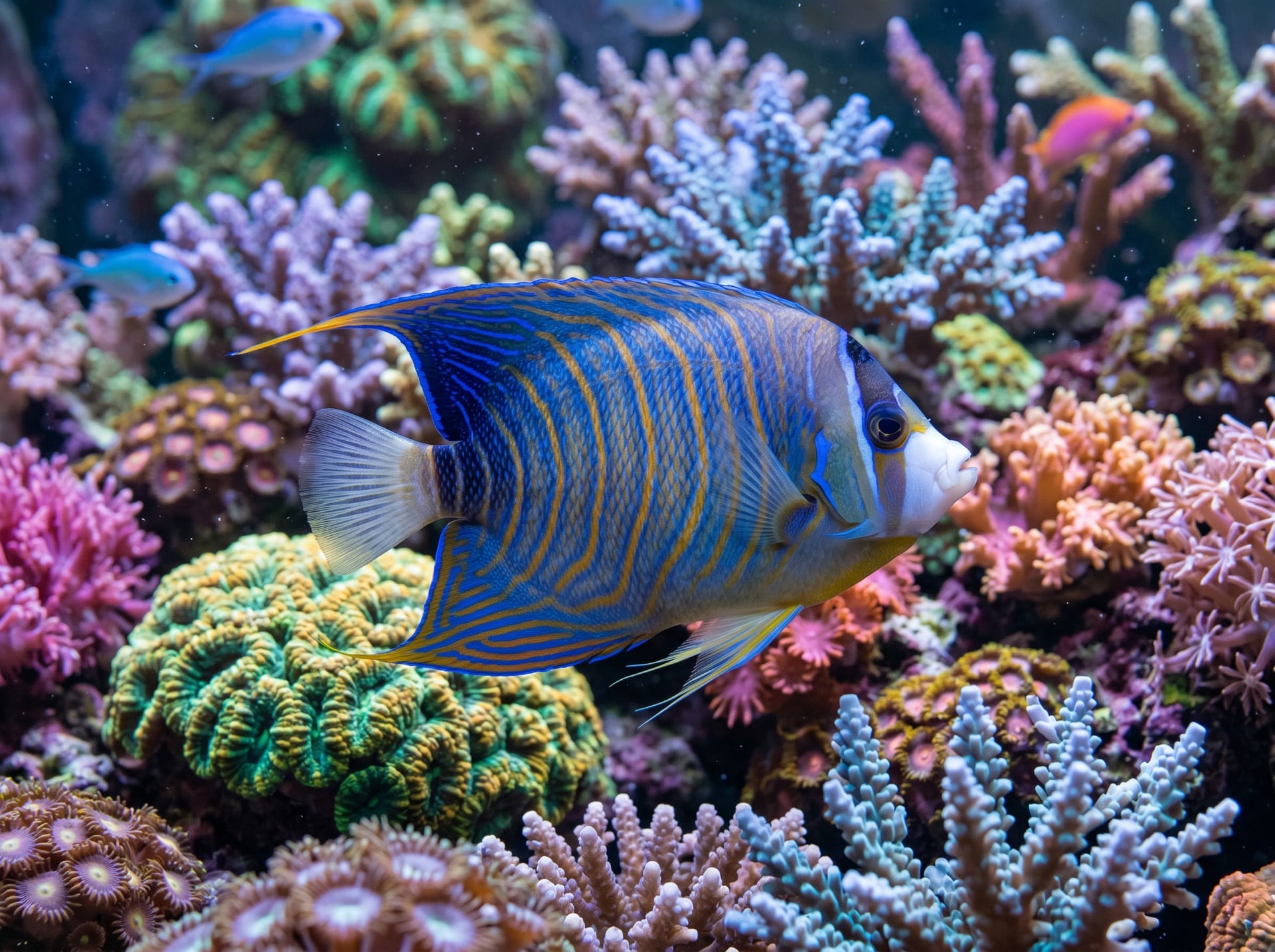
海水神仙鱼
刺盖鱼是一种具有鲜艳体色和独特纹样的海水鱼,长期以来作为海洋水族馆的主角而备受欢迎。不同种类的体型和性格差异很大,小型种相对容易让初学者尝试,而大型种则需要宽敞的水槽和高水平的水质管理。其美丽的外形和独特的游泳姿态吸引了众多水族爱好者。
成交手续费0%!2026年9月30日前注册,前 2 笔成交免佣金!
繁殖者 招募中!
在BreederDirect发布商品,直接销售给全国客户!
我们承诺的6大透明化亮点
繁殖者在海水鱼・珊瑚出品中公开以下信息。避免过度捕捞的野生个体,确保养殖CB为主、推荐水箱尺寸、气质信息的透明化。
- 养殖CB
- 实物照片
- Reef-safe
- 含饲育信息
- 产地明示
- 气质明示
查看全部42个品种
海水鱼・珊瑚分类正在招募认证繁殖者
繁殖者正在陆续注册,即将上架。设置上架通知,不错过新商品。
「接收上架通知」需免费注册会员即可设置。当有符合您保存条件的新商品上架时,我们会通过邮件和站内通知提醒您。
已注册的繁殖者(抢先看)
关于海水神仙鱼
刺盖鱼(天使鱼)是隶属于棘盖鱼科的海水鱼的总称,分布于印度洋至太平洋的珊瑚礁区域,约有90种。「刺盖鱼」这个名称源自江户时代以来作为观赏鱼而受欢迎的悠久历史,名称的起源据说是因为其华丽的体色让人联想到日本传统服饰中的仆人形象。外形的最大特征是前鰓盖骨的棘,这是与蝴蝶鱼科的主要区别特征。体色因种类而异,呈现蓝色、黄色、紫色、橙色、白色等几何图案,许多种类的幼鱼和成鱼的图案会发生显著变化。性格上普遍好奇心强且活跃,但领地意识强,同种个体间也会发生小规模冲突。饲养的吸引力首先在于其多样性,从小型的侏儒刺盖鱼到大型的锦纹刺盖鱼,可以根据个人偏好和饲养环境进行选择,这正是从初学者到高级爱好者都支持这一物种的原因。
迎接海水神仙鱼前需要了解的6件事
1大型种与小型种的区别
刺盖鱼大致分为以Centropyge属等为代表的小型种(侏儒刺盖鱼)和以Pomacanthus属等为代表的大型种。小型种全长约10cm,可从60cm水槽开始饲养,但大型种可达30〜40cm,需要180cm以上的大型水槽。购买前一定要确认成鱼的体型大小。
2水质管理的精度是关键
刺盖鱼对水质变化敏感,维持比重1.023〜1.025、pH8.1〜8.3、水温24〜26℃稳定很重要。硝酸盐积累会导致体色褪色或更容易生病,因此推荐定期换水和使用蛋白质分离器。水质越稳定的环境,长期养殖越容易成功。
3与珊瑚水族箱的相性
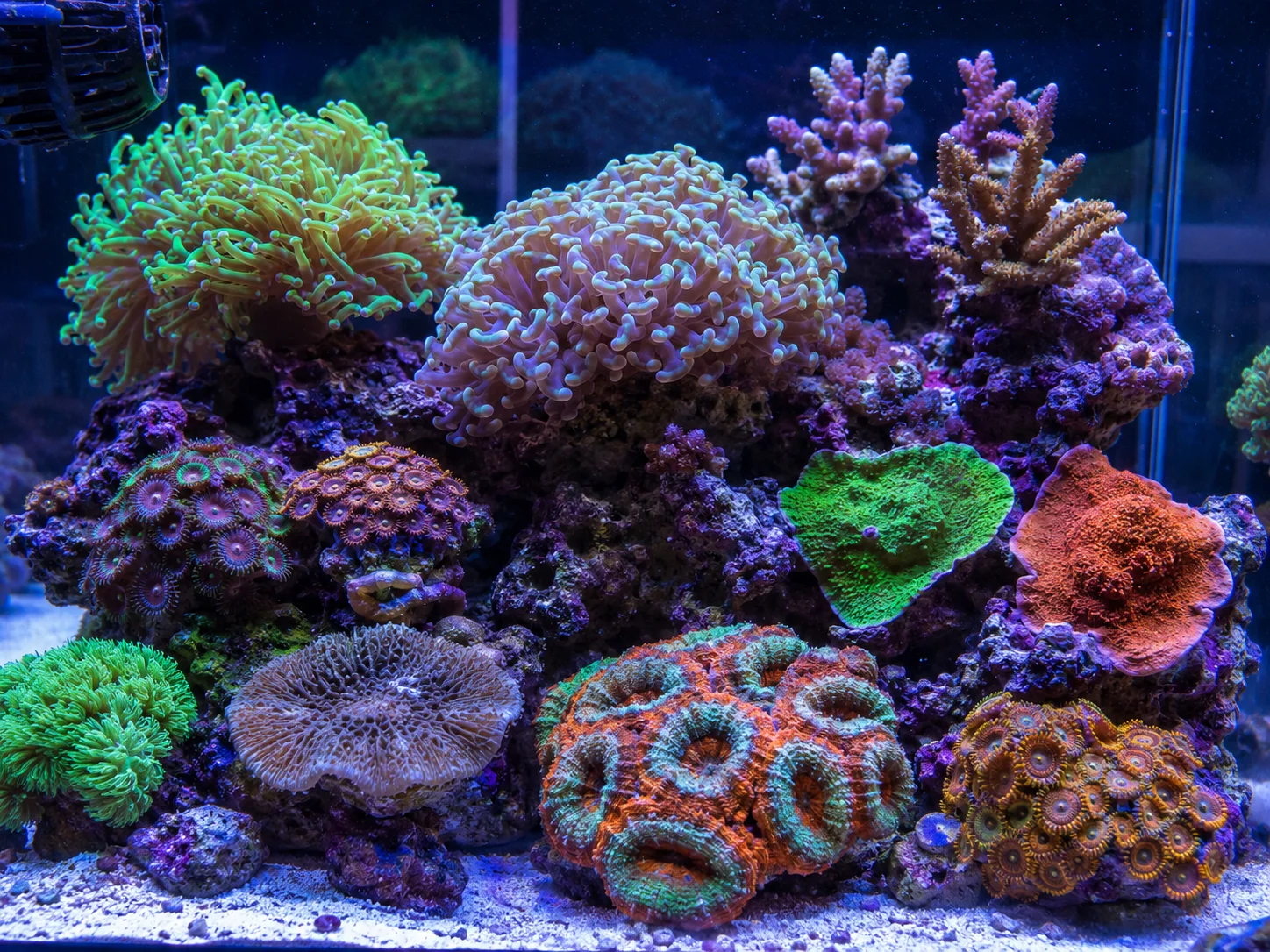
许多刺盖鱼有啄咬珊瑚虫体和蛤蜊的习性,引入珊瑚缸会有风险。特别是大型种容易食害软珊瑚和LPS,混养需要谨慎。虽然火焰天使等一些小型种相对被认为适合珊瑚缸,但由于存在个体差异,应当坚持观察。
4领地意识强
刺盖鱼对同种和近缘种有非常强的领地意识,在同一水族箱中饲养多条鱼时可能会发生激烈争斗。混养时需要使用较大的水族箱,并充分准备藏身处。即使是不同种类的刺盖鱼之间也可能打架,因此需要考虑导入顺序和个体大小。
5注意白点病风险
刺盖鱼是已知容易感染海水白点病(Cryptocaryon irritans)的鱼种,导入时强烈推荐进行检疫。在隔离水族箱中进行检疫(最少2〜4周)可以大幅降低将病原体带入主水族箱的风险。为了早期发现异常,应养成每天观察的习惯。
6初期费用与维护费用预估
刺盖鱼的价格因种类而差异很大,常见小型种通常数千元〜数万元,稀有大型种甚至可能达到数十万元。还需要对水族箱、过滤器、照明、蛋白质分离器等设备进行投资,即使规模较小初期费用通常也要数万元以上。重要的是为长期养殖制定现实的预算计划。
海水神仙鱼的常见问题
- Q.初学者推荐哪种刺盖鱼?
- A.火焰天使、珊瑚美人、黄金刺盖鱼等小型且强韧的品种适合初学者。可在150~200L左右的鱼缸中饲养,投喂饵料也相对容易。但所有品种都需要恰当的水质管理,这是必不可少的。
- Q.刺盖鱼可以放入珊瑚鱼缸吗?
- A.大型品种啄食珊瑚的风险较高,不适合珊瑚鱼缸。珊瑚美人、火焰天使等部分小型品种风险相对较低,但由于个体差异,无法保证100%安全。导入后还需要定期观察。
- Q.能在同一个鱼缸中饲养多条刺盖鱼吗?
- A.不同属的品种在某些情况下可以混养,但同种或近缘种的混养容易引发激烈的领地争夺。在300L以上的大型鱼缸中提供充足的躲避处,并尽量同时导入,这是成功的关键。
- Q.刺盖鱼的寿命有多长?
- A.在适当的环境中饲养,小型品种可存活5~10年,大型品种有些个体可存活10~15年以上。为了延长寿命,稳定的水质、均衡的食物和低压力的环境至关重要。
- Q.刺盖鱼为什么容易患白点病?
- A.刺盖鱼体表粘膜相对较薄,对水质变化和压力敏感,因此容易感染寄生虫(Cryptocaryon irritans)。引入新鱼时进行隔离检疫和保持稳定的水质是最大的预防措施。一旦确认感染,应及时进行隔离和治疗。