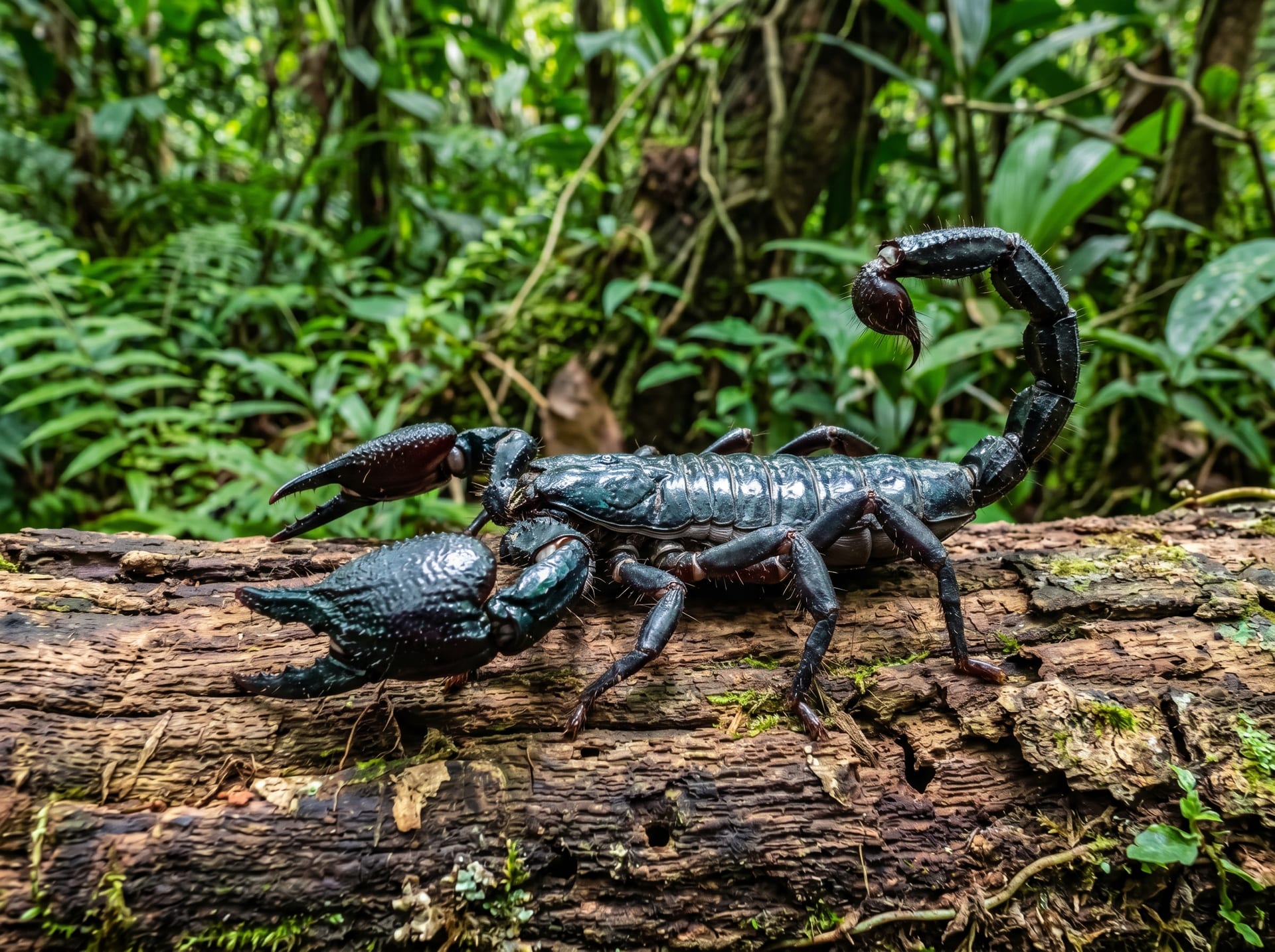
Scorpion
Scorpions are ancient, fascinating arthropods prized by exotic pet enthusiasts for their striking silhouette and prehistoric presence. They are solitary by nature and best enjoyed as display animals rather than hands-on pets. With the right setup, many species are quite hardy and can be a rewarding first invertebrate for curious keepers.
0% commission on your first sales!Register by September 30, 2026 and your first 2 sales are commission-free!
Breeder Wanted!
List on BreederDirect and sell directly to customers nationwide!
5 Transparency Standards You Can Trust
When listing Exotic Invertebrates, Breeders disclose the following. We guarantee transparency on growth stage and breeding unit.
- Real Photos
- Breeding Unit
- Generation Info
- Body Length (mm)
- Country of Origin
No listings match your filters
Adjust your filters, or get notified when new listings arrive.
Getting alerts is free with a member account. When new listings match your saved search, we'll notify you by email and in-app.
Browse other categories
Verified breeders (preview)
Are you raising exotic invertebrates?
Register as a breeder and connect with buyers directly.
Apply as a breederAbout Scorpion
Scorpions are among the oldest terrestrial arthropods on Earth, with origins tracing back to the Silurian period approximately 430 million years ago. Today, over 2,000 species inhabit tropical and arid regions across the globe, demonstrating remarkable adaptability to diverse environments. Their iconic silhouette — powerful pincers at the front and a venomous tail curving overhead — has remained virtually unchanged for hundreds of millions of years. In captivity, observing their nocturnal behavior and predatory instincts up close is a uniquely rewarding experience. Because venom potency, required habitat, and body size vary widely between species, selecting the right match for your lifestyle is essential. A keeping style centered on observation rather than handling offers deep satisfaction for those who enjoy quietly connecting with the natural world.
7 things to know before welcoming a Scorpion
1Venom Varies by Species
All scorpions possess a venomous stinger, but toxicity varies greatly between species. Commonly kept species like the Emperor Scorpion or Asian Forest Scorpion have relatively mild venom, though stings can still cause pain and swelling. Always research the specific species' venom potency before purchase and know basic first-aid steps in case of a sting.
2Escape-Proof Housing Is a Must
Scorpions are skilled escape artists that can squeeze through surprisingly small gaps, so a terrarium with a secure, locking lid is essential. Ventilation is important, but mesh with large openings can snag claws and allow escapes. Place the enclosure in a stable, low-to-the-ground location and keep the room secure in case of an unexpected escape.
3Temperature and Humidity Are Critical
Ideal conditions differ by species — tropical scorpions generally thrive at 25–30°C with 60–80% humidity, while desert species require much drier conditions. Incorrect humidity can cause molting problems or even death. Place a thermometer and hygrometer inside the enclosure and adjust conditions seasonally.
4Never Disturb a Molting Scorpion
Scorpions molt as they grow, and during and immediately after molting their exoskeleton is extremely soft and vulnerable. Handling or feeding during this period can cause fatal injuries. Once molting begins, remove any live prey from the enclosure and leave the animal undisturbed for several days until the new exoskeleton hardens.
5Live Prey Is the Standard Diet
Scorpions are predators that respond to movement, so live feeders such as crickets or Dubia roaches are the standard diet. Adults typically eat once or twice a week, though appetite varies by individual and season. Remove any uneaten prey the following day, as live insects left overnight can bite and injure a resting scorpion.
6Handling Carries Real Risk
Scorpions will sting when stressed, and a raised tail (telson) is a clear warning sign. If you must move one, use thick gloves or carefully corral it into a plastic cup with a lid rather than picking it up bare-handed. Approach scorpion keeping with the mindset that observation, not handling, is the primary enjoyment.
7Co-housing Risks Cannibalism
Solitary housing is strongly recommended for scorpions. Even within the same species, a larger individual may cannibalize a smaller one if space and hides are insufficient. If co-housing for breeding, keep the pairing brief and separate the individuals promptly after mating is confirmed. Avoid disturbing a mother while she is carrying offspring on her back.
Frequently asked questions about Scorpion
- Q.What should I do if I get stung by a scorpion?
- A.Most commonly kept species have mild venom, and a sting typically causes pain similar to a bee sting. However, if you experience severe pain, swelling, or numbness that persists, seek medical attention promptly. It is strongly recommended to research the venom potency of your chosen species before purchasing.
- Q.Can scorpions be handled?
- A.Handling is possible with low-venom species if done carefully, but scorpions generally do not enjoy being held. An observation-focused keeping style is recommended to minimize stress on the animal. Beginners in particular should avoid handling unnecessarily.
- Q.How long do scorpions live?
- A.Lifespan varies by species, but most commonly kept species live around 5 to 8 years. Larger species such as the emperor scorpion can live beyond 8 years. Proper temperature and humidity management, along with regular feeding, are key to a long, healthy life.
- Q.Do scorpions need special lighting?
- A.Scorpions are nocturnal and do not require strong lighting — direct sunlight should actually be avoided. UVB lighting is generally unnecessary; simply mimicking a natural day-night cycle is sufficient. If you want to observe them at night, use low-stimulation lighting such as red or blue light.
- Q.Is it legal to keep scorpions in Japan?
- A.Keeping common pet species such as the Asian forest scorpion or emperor scorpion is legal in Japan. However, species designated as invasive alien species or listed under CITES appendices as endangered may be subject to trade restrictions. Always verify the legal status of the species before purchasing.
Scorpion related articles
Tarantula and Scorpion Pre-Purchase Toxicity Risk Assessment Guide | Complete List of Safe and Dangerous Species
Explains the toxicity risks you must confirm before purchasing tarantulas or scorpions. This guide covers the definition of medical significance, safe species for beginners (such as Emperor Scorpions), a complete list of dangerous species you should never keep, and the response protocol if stung or bitten.
Millipede and Centipede Care Guide | Comparison with Asian Forest Scorpion Explained
Learn how to care for millipedes and centipedes as pets. This guide covers feeding, temperature, humidity, enclosures, and safety measures for African Giant Millipedes and large centipedes, with comparisons to tarantulas and other exotic species.
Beginner's Guide to Keeping Scorpions | Basic Care for Emperor Scorpions and Asian Forest Scorpions
While scorpions have a dangerous reputation, they can be kept by beginners with proper species selection. This guide explains husbandry environments, substrate, feeding, and sting treatment for less venomous species like Emperor Scorpions.
More in this category
Can't find the one you're looking for?
Post your wishes for free and breeders with matching animals will contact you with introductions.