Source: Wikimedia Commons
New Zealand Rabbit
BeginnerOryctolagus cuniculus
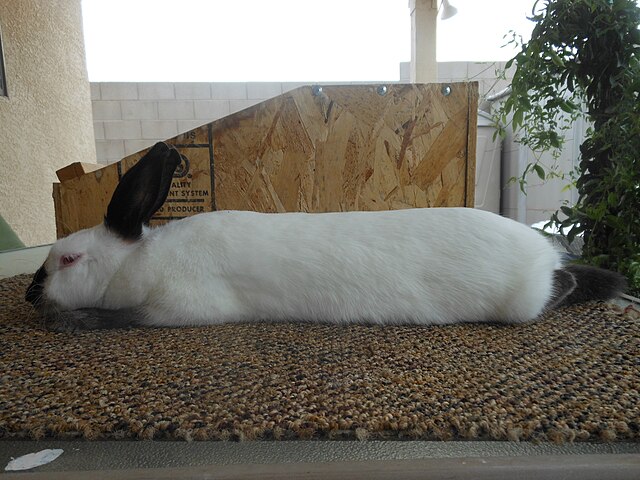
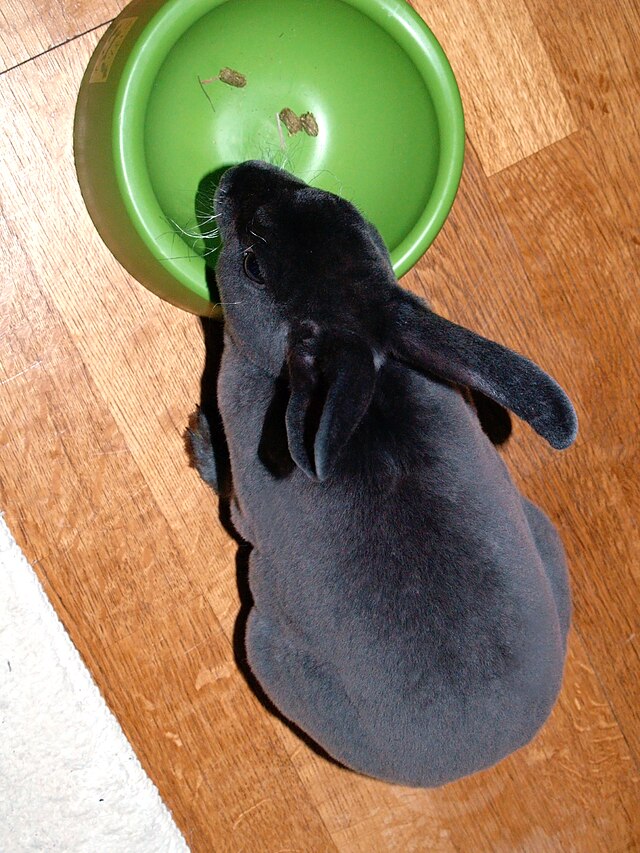
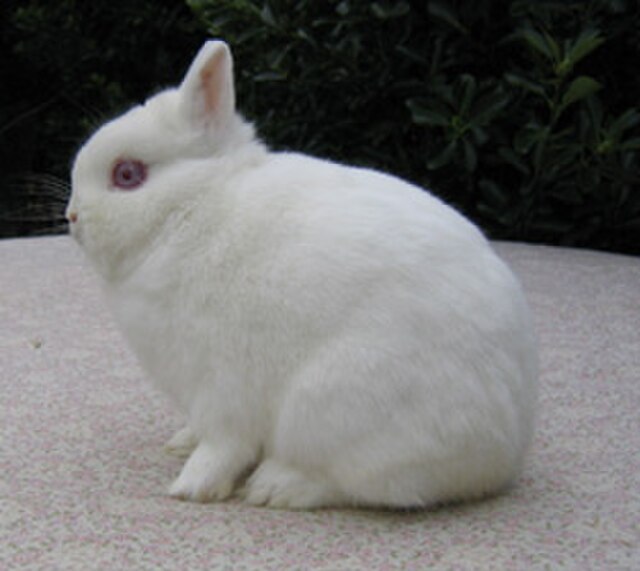
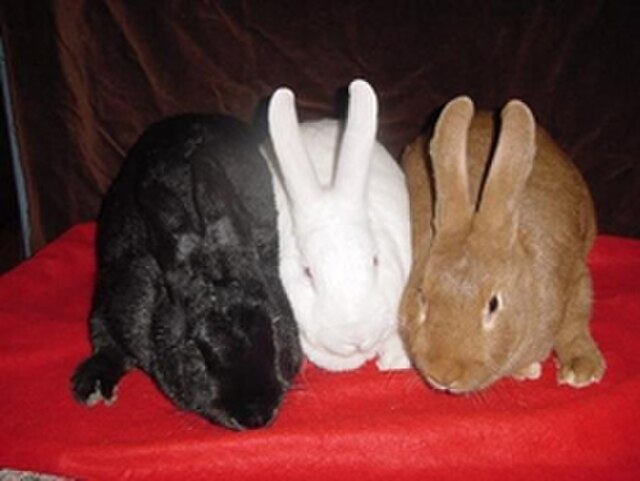
Hardy large breed available in white, red, and black. Originally a utility breed but excellent as pets due to their calm disposition.
Difficulty
Beginner
Temperature
18〜26℃
Lifespan
5-8 years
Size
45-55cm / 4-5.5kg
Humidity
40〜60%
Diet
Timothy hay, rabbit pellets, leafy greens
About
Despite its name, the New Zealand rabbit was developed in the United States in the early 1910s, likely from American White and Flemish Giant crosses; the name is thought to reference the imported ancestry of some foundation stock. The white variety (an albino with pink eyes) is by far the most common, though red and black varieties also exist. Their sturdy, well-muscled body and docile disposition made them the breed of choice for the commercial meat industry and biomedical research. Today, they are increasingly popular as family pets for their manageable temperament. Their large size requires a spacious enclosure with daily exercise. Obesity must be carefully prevented through measured pellet portions and unlimited high-fiber hay. Common health concerns include pododermatitis (sore hocks from their weight), dental malocclusion, GI stasis, and obesity.
Lifespan of the New Zealand Rabbit
The New Zealand Rabbit lives 5-8 years.
Lifespan is 5–8 years.
Size of the New Zealand Rabbit
The New Zealand Rabbit grows to 45-55cm / 4-5.5kg.
Adults measure 45–55 cm and weigh 4–5.5 kg.
Temperature & humidity for the New Zealand Rabbit
Optimal temperature is 15–25 °C.
Basic Info
Origin
United States
Lifespan
5-8 years
Care Specifications
Pair
Sources: RWAF Rabbit companionship
Morphs (Varieties)
ARBA-recognized New Zealand color variety (5 colors).
Other
BlackBlueRedWhiteBroken
Sources: ARBA Recognized Breeds and Varieties
A curated selection of notable morphs. Inheritance modes are a breeding-planning guide; actual appearance varies with combos.
References & Sources
Edited & verified by: BreederDirect editorial team
The taxonomic, regulatory, and husbandry data on this page are compiled and verified against the authoritative primary sources below.
Taxonomy & Authority
Accepted name: Oryctolagus cuniculus (Linnaeus, 1758)
Authority databases: GBIF
Nomenclature follows global taxonomic authority databases.
Regulations & Conservation Status
Not CITES-listed
Sources: CITES Appendices / Ministry of the Environment Specified Alien Species List
Regulations may change. Always verify the latest information with the relevant authorities.
New Zealand Rabbit Listings
Loading latest listingsFind listings for this species