Reptile & Amphibian Encyclopedia — 80 Species Directory
Encyclopedia of popular reptile and amphibian species with care guides, traits, and pricing.
Featured Reptile & Amphibian
Showing 7 of 80 species
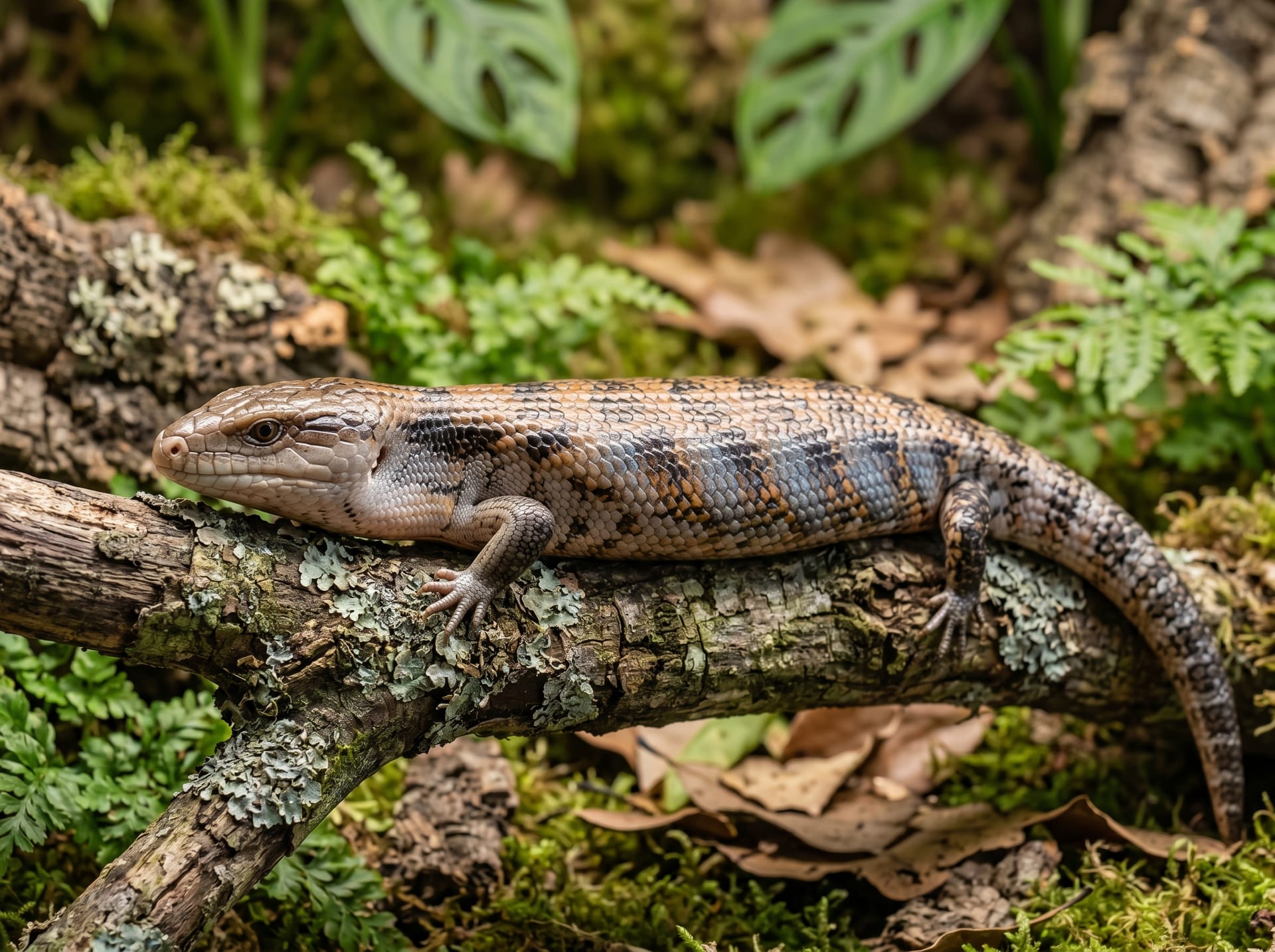
Blue-Tongued Skink
Large skink named for its distinctive blue tongue. Docile, easy to handle, and omnivorous with varied diet. Hardy and long-lived.
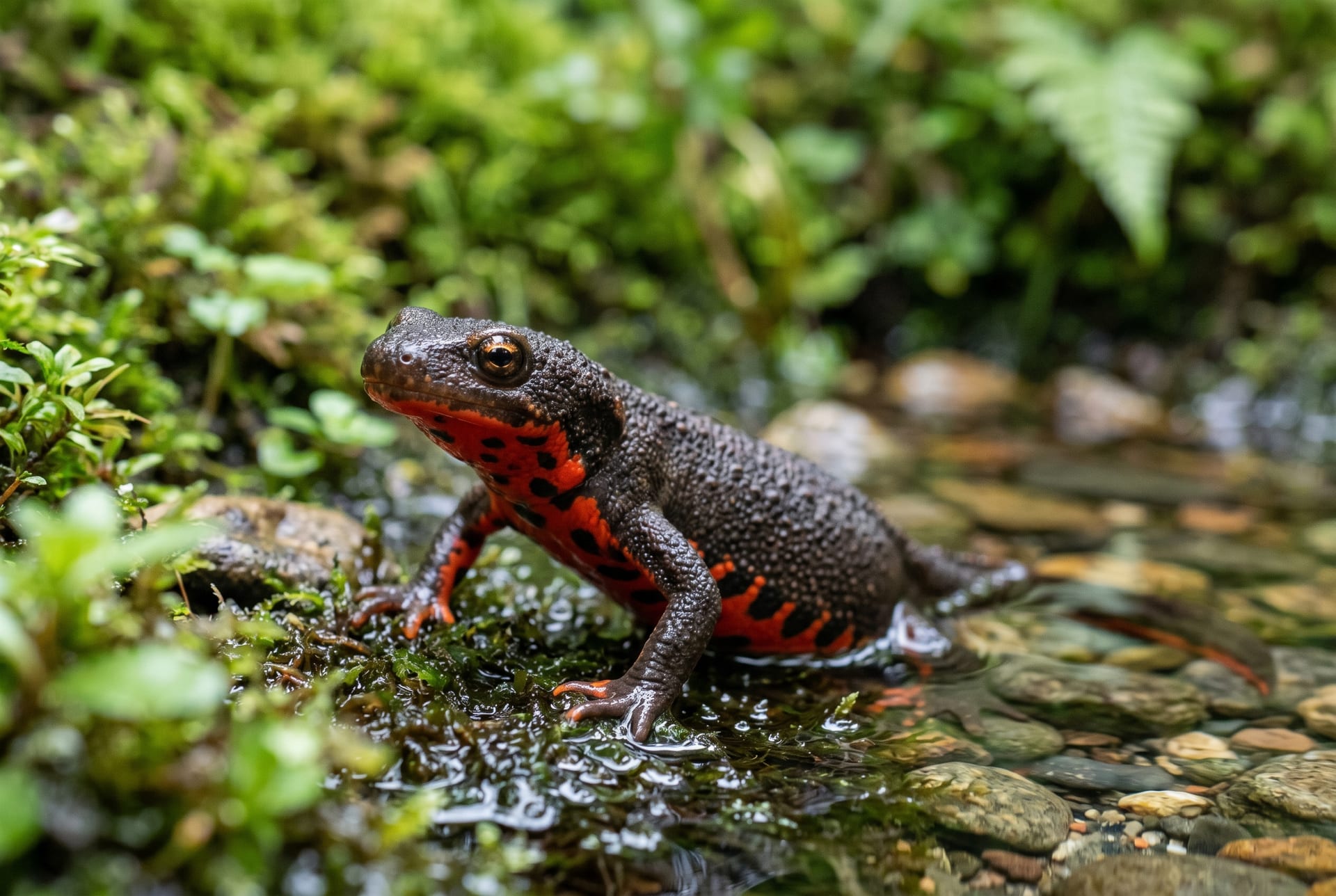
Japanese Fire-Bellied Newt
Cynops pyrrhogaster
A newt endemic to Japan, admired for the striking contrast between its dark-brown back and vivid red belly. Hardy, long-lived, and kept mainly in water, it is a great beginner amphibian. Wash hands after handling, as its skin is toxic.
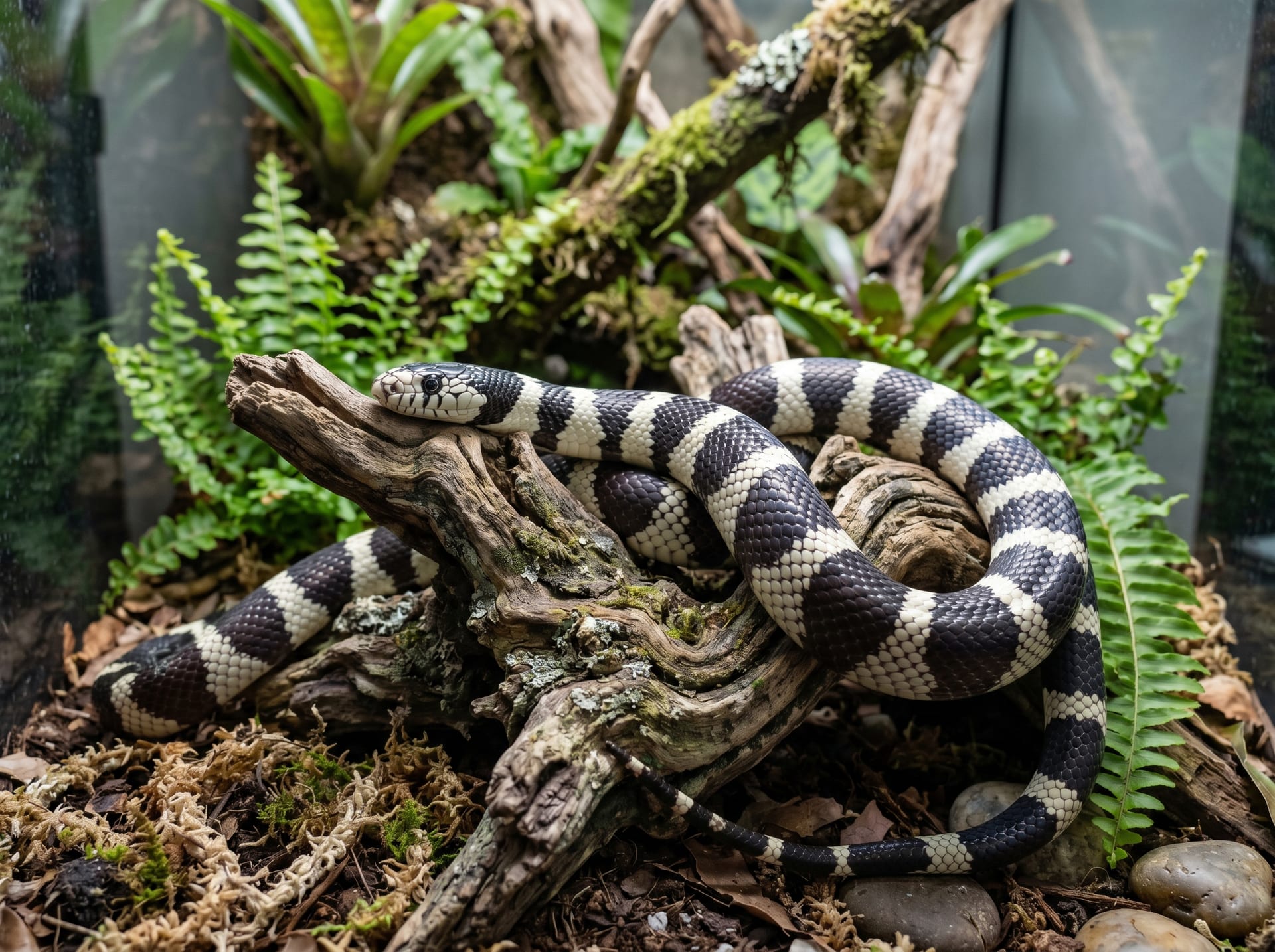
Kingsnake
Named King for preying on other snakes. California Kingsnake is the most common. Hardy and easy to keep.
 © Bloopityboop / CC BY-SA 4.0
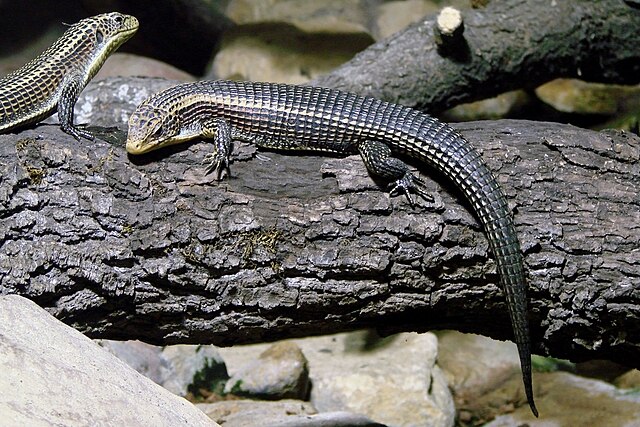
Plated Lizard
An African lizard covered in plate-like large scales. Hardy, tames easily, and easy to keep.
 © Orchi / CC BY-SA 3.0
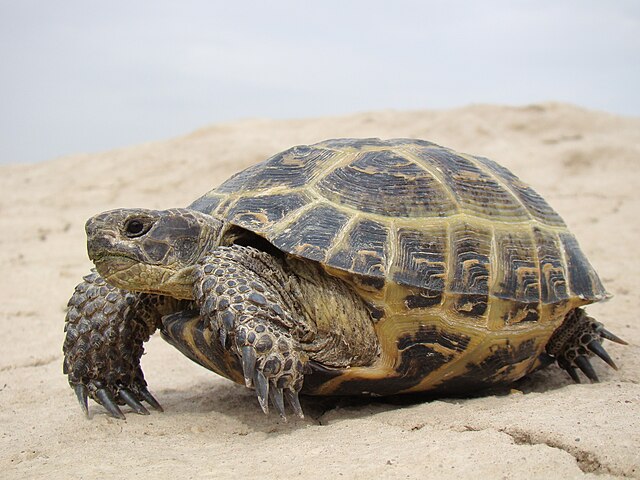
Russian Tortoise
Russian tortoise
Also called Horsfields tortoise. Small, hardy tortoise tolerant of dry conditions. Ideal starter tortoise species.
 © (c) Joshua Liverman, some rights reserved (CC BY) / CC BY 4.0
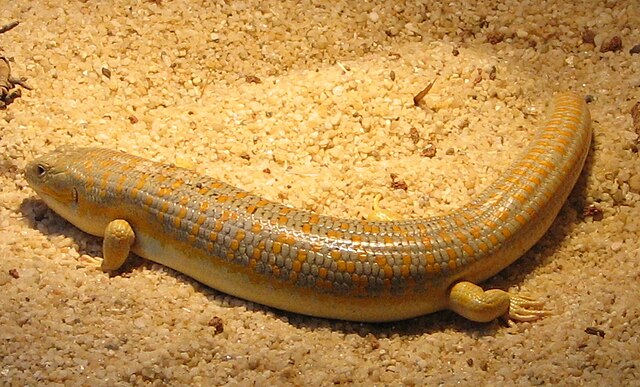
Schneider's Skink
Eumeces schneideri
A medium skink from Middle East to North Africa. Beautiful orange spots, hardy and easy to keep.
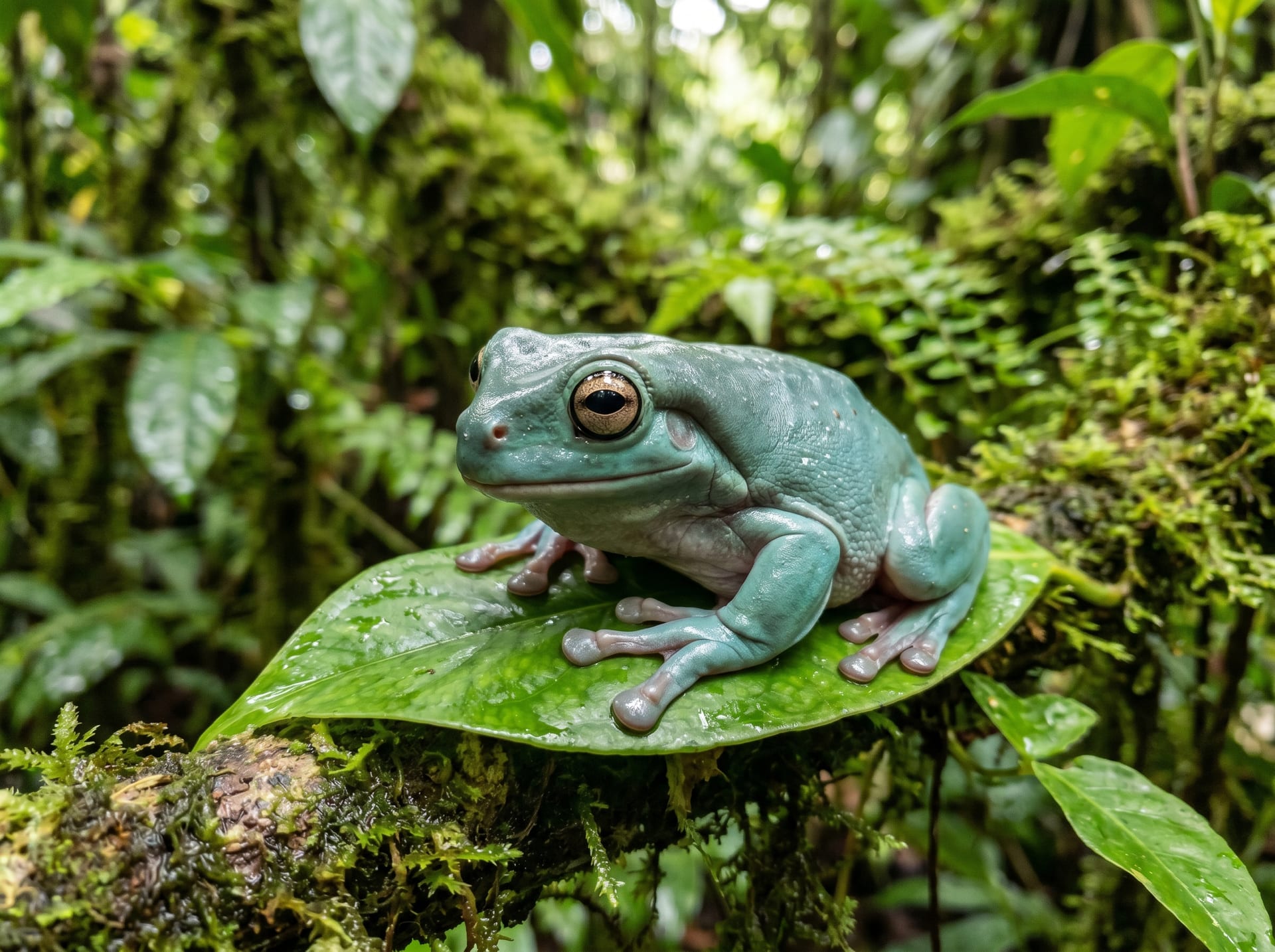
White's Tree Frog
Litoria caerulea
Chubby body and smile-like expression make this tree frog popular worldwide. Very hardy and easy to keep, tolerates handling. Beautiful vivid green coloration.
Related Content
Reptile & Amphibian FAQ
- Can beginners keep reptiles?
- Leopard geckos, corn snakes, and bearded dragons are hardy and easy to care for, making them popular beginner reptiles. Once you learn temperature and humidity management, long-term care is achievable.
- How much do reptiles cost?
- Leopard geckos cost 5,000-30,000 yen, ball pythons 10,000-100,000+ yen, and bearded dragons 10,000-40,000 yen, varying greatly by morph (variety).
- How long do reptiles live?
- Leopard geckos live 15-20 years, ball pythons 20-30 years, bearded dragons 8-12 years, and some tortoises 50+ years. Be prepared for long-term commitment.
- What equipment is needed for reptiles?
- Basic equipment includes an enclosure, heat sources (heat mat/heat lamp), thermometer-hygrometer, UVB light (species-dependent), water dish, and substrate. Proper temperature gradient is most important.
- What should I check when buying reptiles?
- Check that the animal is active, has clear eyes, no stuck shed, and is eating well. Captive-bred (CB) specimens adapt better to captive environments.