Kizakura Medaka
BeginnerOryzias latipes
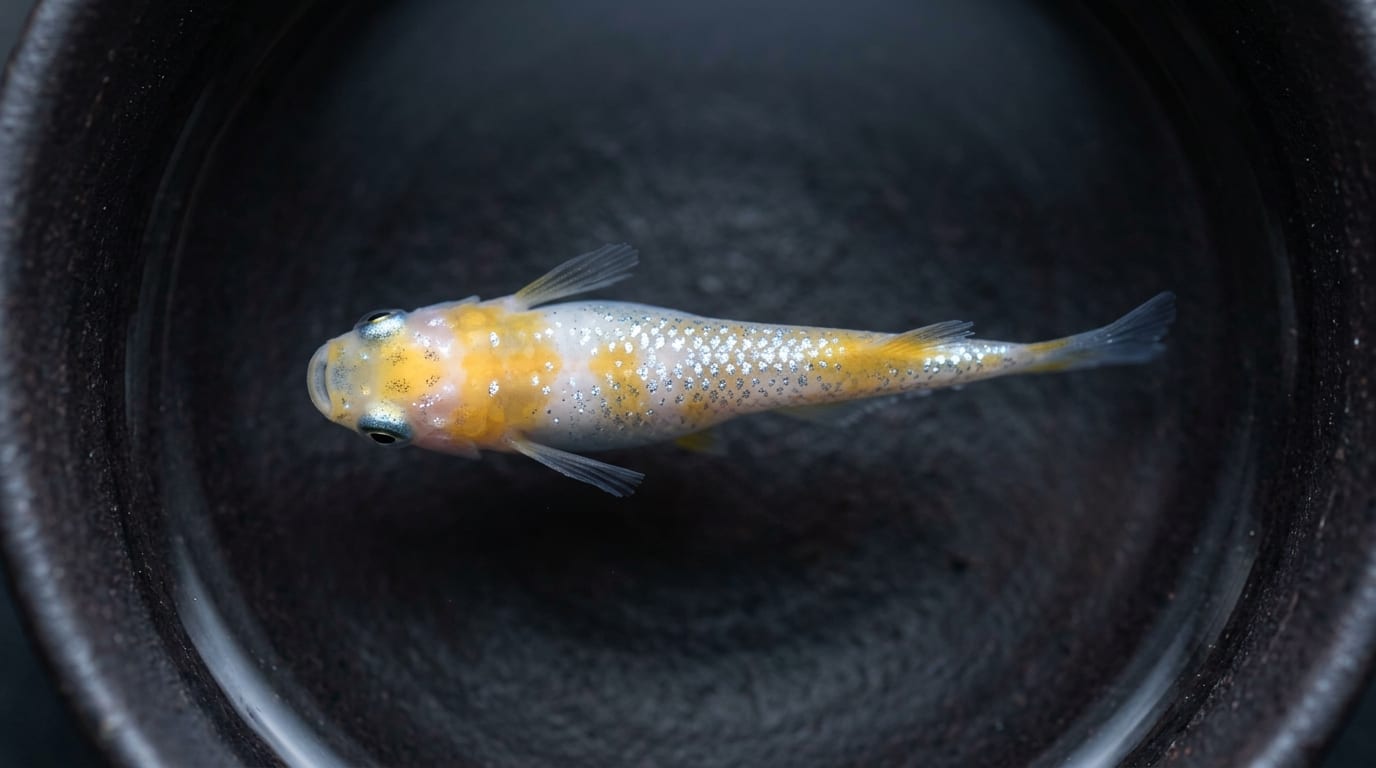
A dense white medaka with glitter, bred from Black Diamond and white medaka, with white pigment extending into the fins. Created by Yoshinori Nakazato in 2022.
White Diamond is the trade name of a white lamé medaka; the Kairyo Medaka Web Zukan credits it to Yoshinori Nakazato, 2022. It was bred from Black Diamond and white medaka, aiming to replace the black pigment of the Orochi-type black body with white pigment, giving a dense white body and white pigment in the fins. Its thick white body overlaid with glitter and white fins are its key features. Cloud Gray Diamond, from the same breeder, is the black-bodied lamé line.
Source: Wikipedia (CC BY-SA 4.0)
The White Diamond Medaka grows to About 3-4 cm (wild medaka reach up to 4 cm SL: FishBase).
Origin
Japan (ornamental cultivar)
Lifespan
Few reliable data
Size
About 3-4 cm (wild medaka reach up to 4 cm SL: FishBase)
Temperature
5〜30℃
Omnivore (floating prepared foods, live foods such as daphnia)
Edited & verified by: BreederDirect editorial team
The taxonomic, regulatory, and husbandry data on this page are compiled and verified against the authoritative primary sources below.
Accepted name: Oryzias latipes (Temminck & Schlegel, 1846)
Synonyms: Aplocheilus latipes (Temminck & Schlegel, 1846), Poecilia latipes Temminck & Schlegel, 1846
Authority databases: GBIF · GBIF · 日本メダカ協会 品種分類マニュアル
Nomenclature follows global taxonomic authority databases.
Ornamental medaka are cultivars of Oryzias latipes. Not listed in the CITES Appendices (checked on Species+) and not regulated under Japan's Invasive Alien Species Act. Japan's wild medaka (Oryzias latipes and O. sakaizumii) are listed as Vulnerable on the Ministry of the Environment Red List and differ genetically by region. Releasing ornamental medaka into rivers, ponds or rice paddies causes genetic pollution through hybridisation with wild fish, so never release them.
Sources: Species+ (CITES) / Ministry of the Environment: list of invasive alien species / Wikipedia (Japanese): Medaka – conservation and genetic pollution
Regulations may change. Always verify the latest information with the relevant authorities.
Find listings for this species
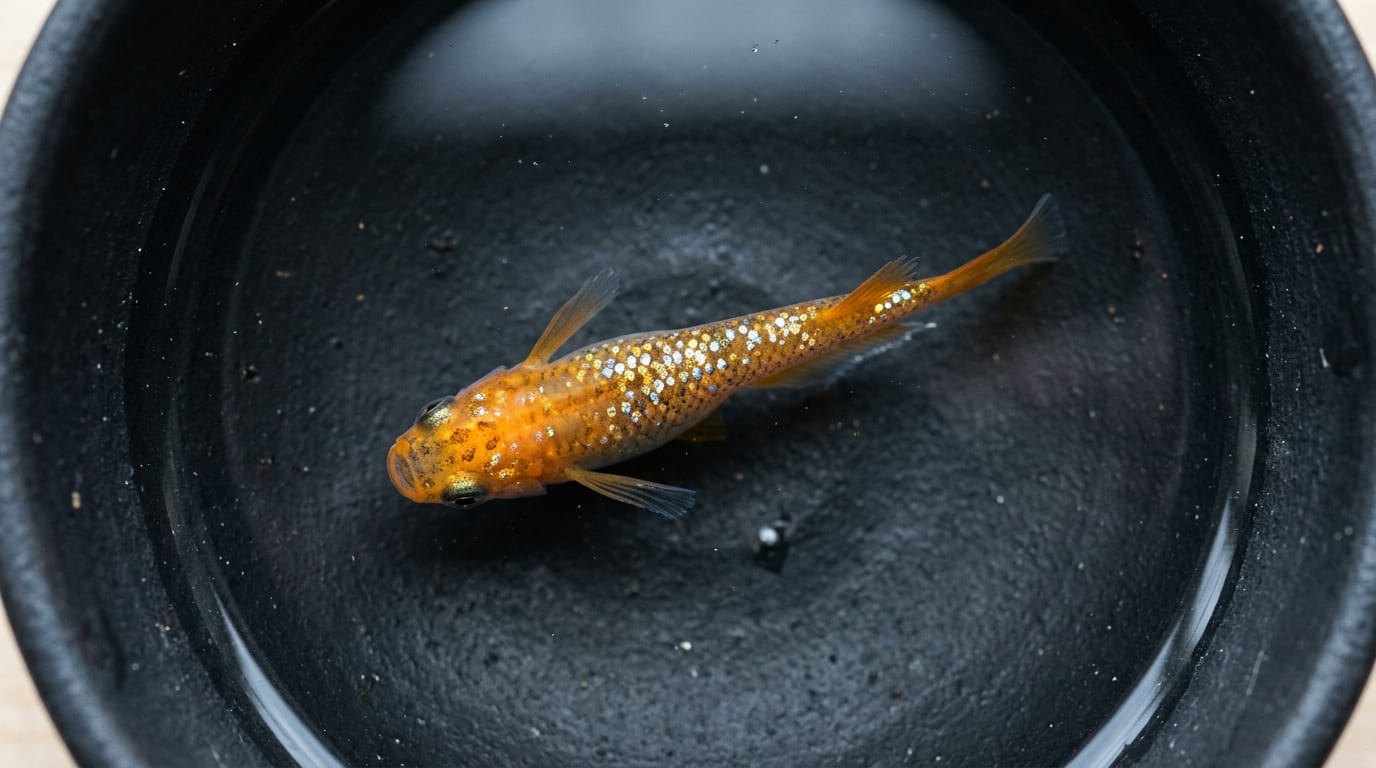
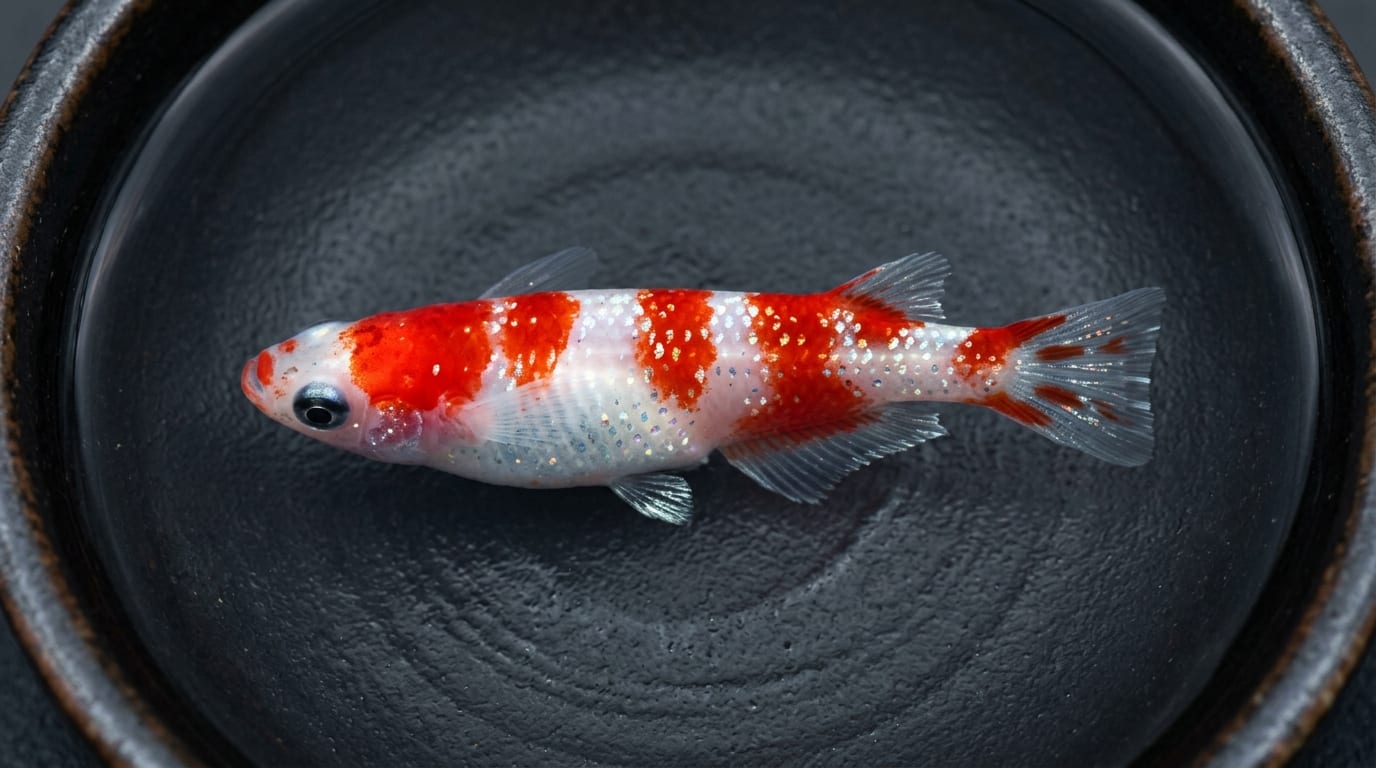
The white body and glitter stand out from above in a dark container.
Whiteness and glitter vary; choose breeders with white fins and plenty of glitter.
Peaceful and fine with other medaka of similar size. To keep the variety's traits, do not let it breed with other varieties in the same container.
Give floating food that is eaten within 3-5 minutes: at least twice a day in summer, once a day in spring and autumn, and little or none outdoors in winter.
Never release ornamental medaka into rivers, ponds or paddies; hybridisation causes genetic pollution of wild medaka.
Beginner. This is a beginner-friendly species. No special equipment or experience is required, and it can be kept successfully with basic care setup.
White Diamond Medaka typically reaches About 3-4 cm (wild medaka reach up to 4 cm SL: FishBase) as an adult. Size may vary depending on care conditions and individual genetics.
White Diamond Medaka feeds on: Omnivore (floating prepared foods, live foods such as daphnia). Aim for a balanced diet with appropriate feeding frequency.
The price of White Diamond Medaka varies significantly depending on morph, size, and lineage. Check our market price page for the latest pricing information.
Last updated: September 23, 2026