Insect Encyclopedia — 75 Species Directory
Encyclopedia of popular beetles and stag beetles with care guides, traits, and breeding methods.
Featured Insect
Showing 4 of 75 species
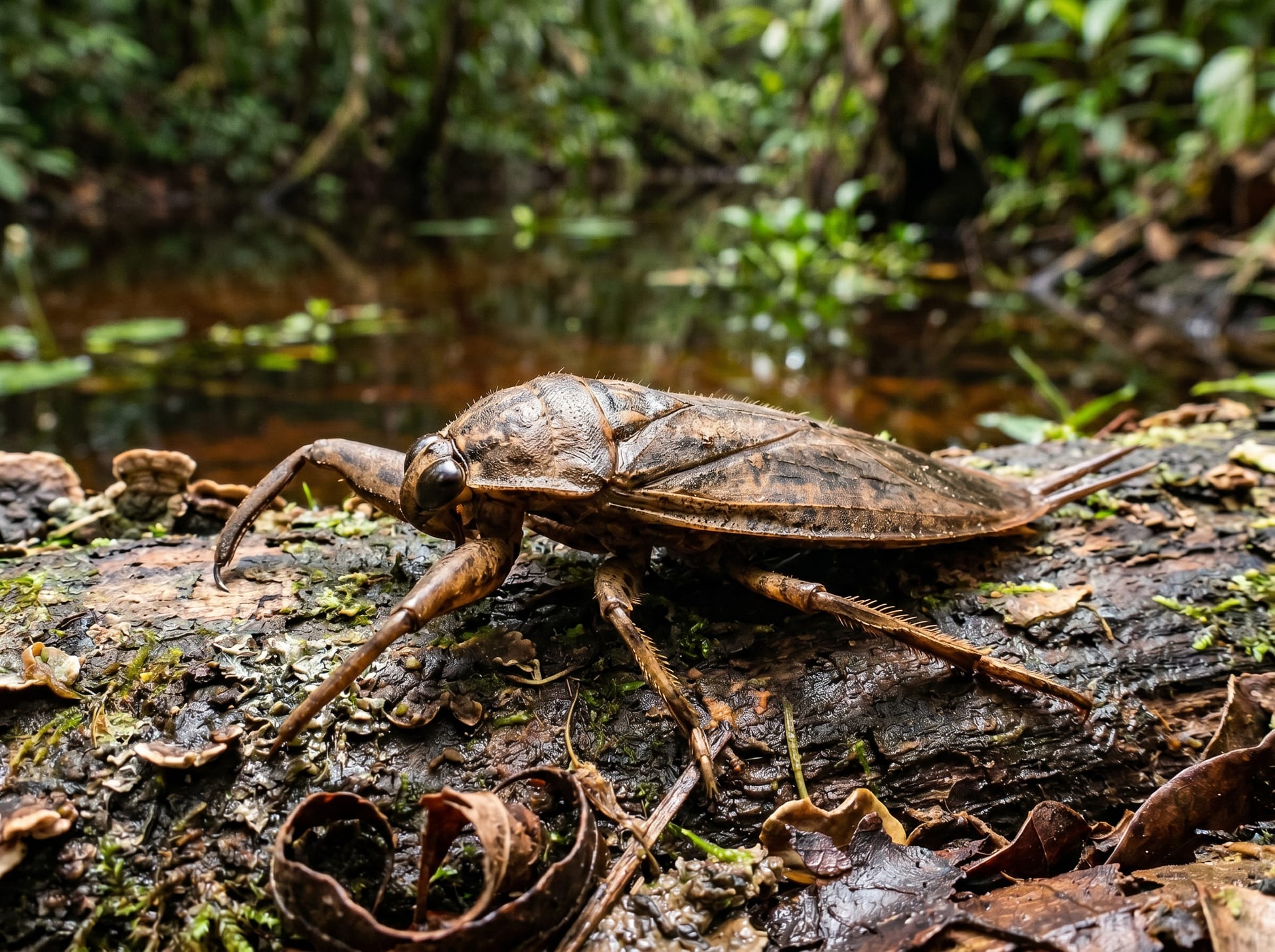
Giant Water Bug
Lethocerus deyrollei
Japan's largest aquatic insect at ~65mm. Captures prey with front legs, injecting digestive fluid. Classified as Vulnerable. Some breeders contribute to conservation through captive breeding.
 © Didier Descouens / CC BY-SA 4.0
Japanese Giant Stag Beetle
Dorcus hopei binodulosus
The king of Japanese stag beetles. Thick mandibles and jet-black body. Larvae grow large on fungus bottles. Long-lived at 2-3 years.
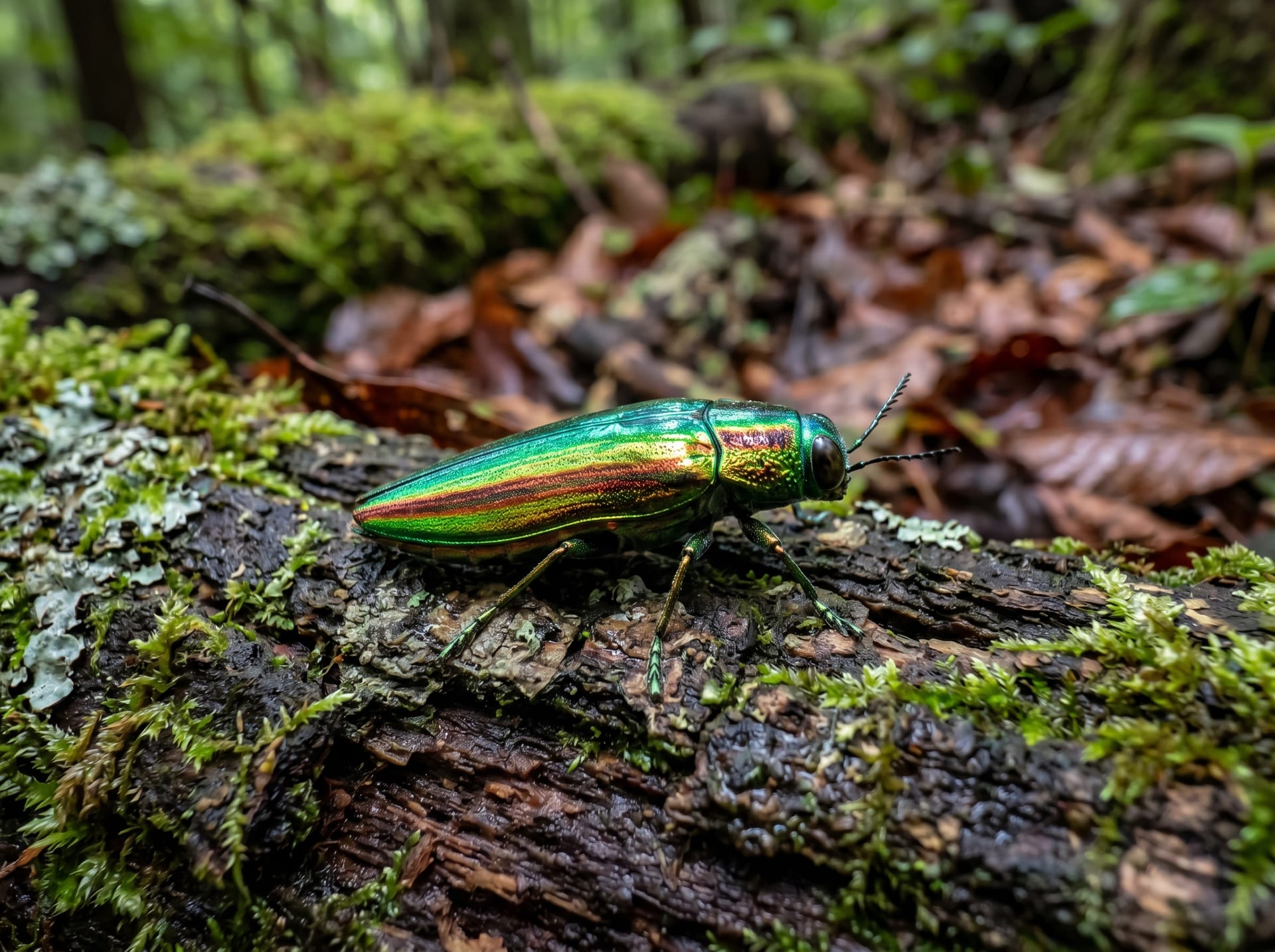
Japanese Jewel Beetle
Chrysochroa fulgidissima
Japanese beetle with iridescent rainbow wings. Famous for ancient 'Tamamushi Shrine' decoration. Adults eat hackberry leaves. Declining in urban areas.
 © Gombe at Japanese Wikipedia / CC BY-SA 3.0
Japanese Rhinoceros Beetle
Allomyrina dichotoma
A Japanese summer icon. Popular from kids to adults. Larvae grow in leaf compost, pupating into adults in about a month. Perfect starter beetle.
Related Content
Insect FAQ
- How much do beetles cost?
- Japanese rhinoceros beetles cost 300-1,000 yen, giant stag beetles 2,000-30,000 yen, and Hercules beetles 5,000-50,000+ yen depending on species and size.
- Can beginners start keeping insects?
- Japanese rhinoceros beetles and saw stag beetles are easy to keep and great for beginners. A basic container and beetle jelly from a 100-yen shop is all you need to start.
- How long do beetles live?
- Adult rhinoceros beetles live 2-3 months, saw stag beetles 3-6 months. Giant stag beetles can live 2-5 years as adults, offering years of enjoyment.
- What are the benefits of raising larvae?
- Larvae are cheaper than adults and you get to experience the thrill of eclosion. Raising large specimens using fungus bottles or substrate is rewarding and educational.
- What should I check when buying insects?
- Check that tarsi (feet) are intact, the insect is active, and there are no mites. Choose specimens with documented size and lineage information.