Insect Encyclopedia — 75 Species Directory
Encyclopedia of popular beetles and stag beetles with care guides, traits, and breeding methods.
Featured Insect
Showing 6 of 75 species
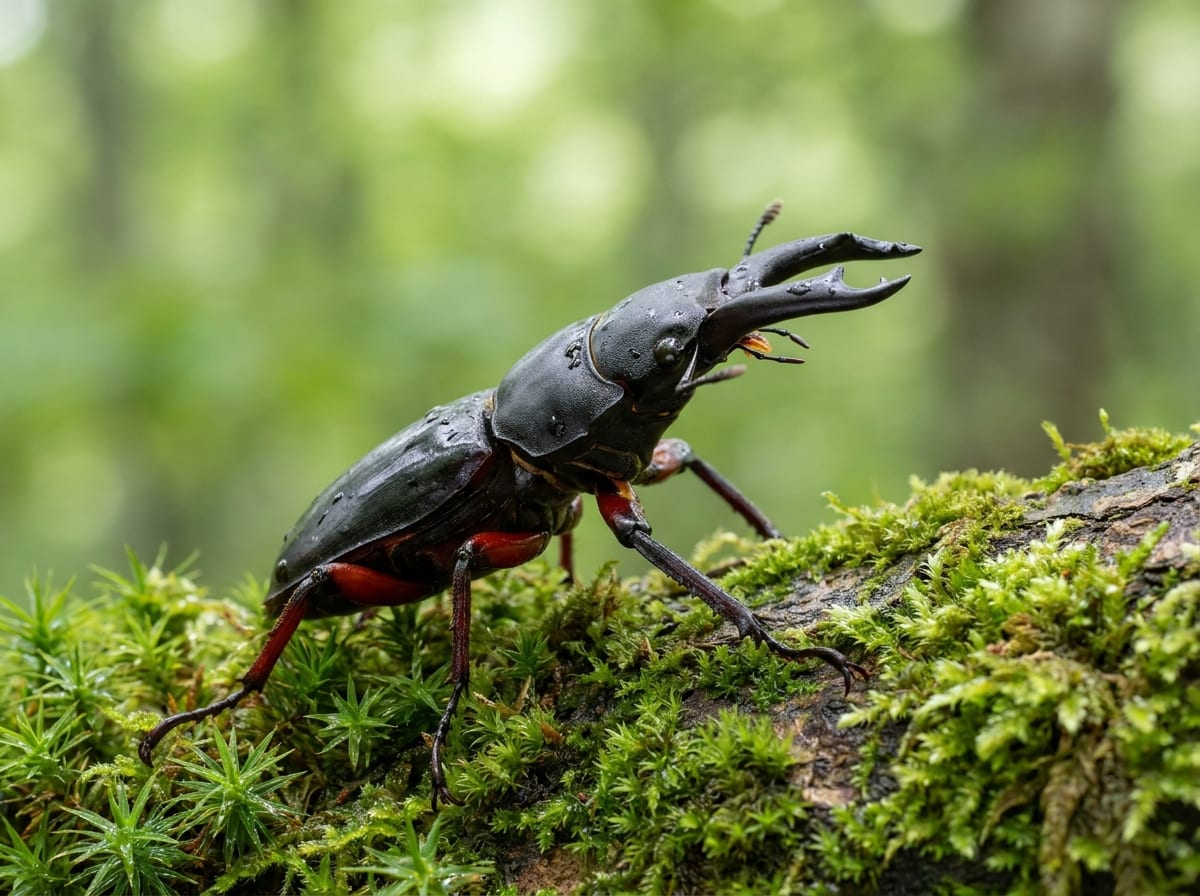
Akaashi Stag Beetle
Dorcus rubrofemoratus
A medium stag beetle with reddish legs and underside. Common in beech forests around 1,000 m; prefers slightly cool conditions but is fairly easy to keep.
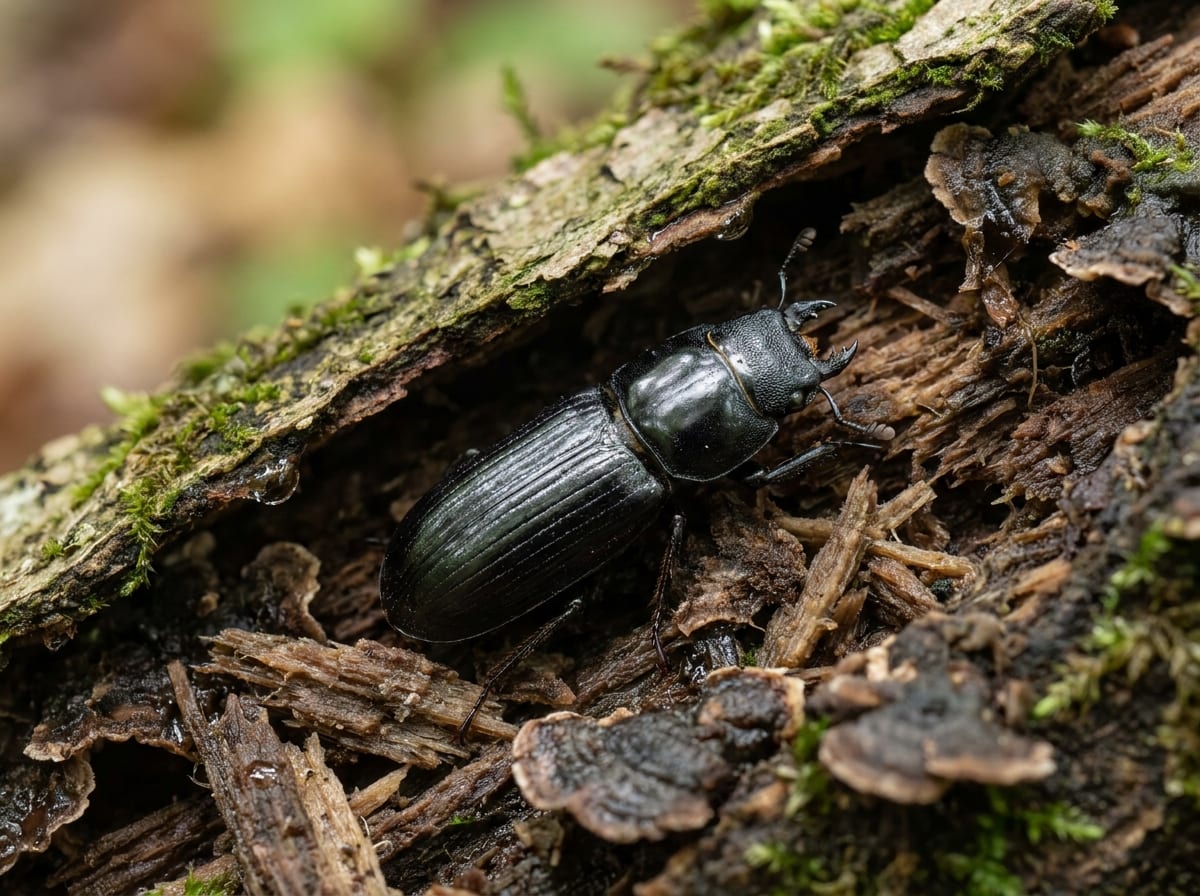
Chibi Stag Beetle
Figulus binodulus
A tiny stag beetle only 1-2 cm long. With almost no difference between sexes, it shows subsocial behavior — adults live with their larvae inside rotten wood. It also eats animal matter.
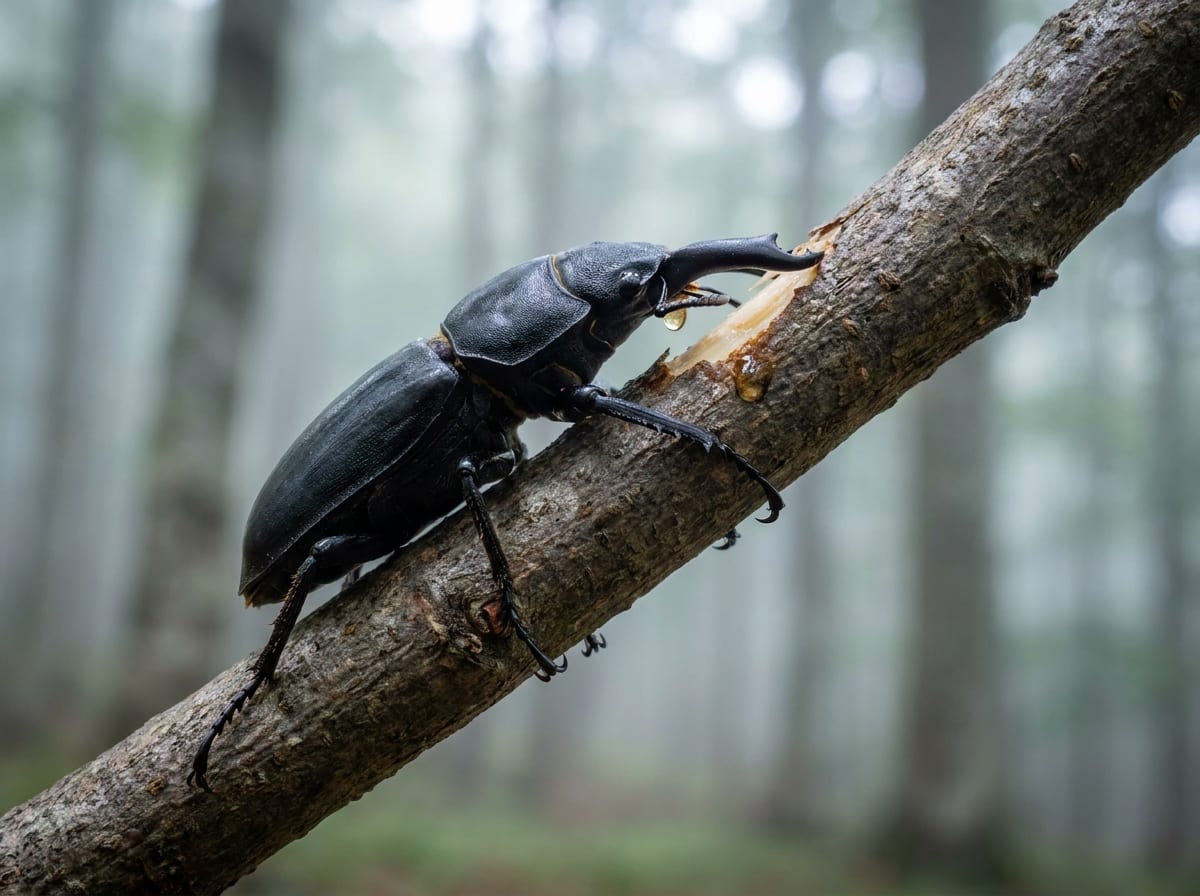
Himeoo Stag Beetle
Dorcus montivagus
Japan's most alpine stag beetle, living in the beech belt at 1,000-1,600 m. It gnaws willow twigs to draw sap. Requires cool temperatures and is difficult to breed — for advanced keepers.
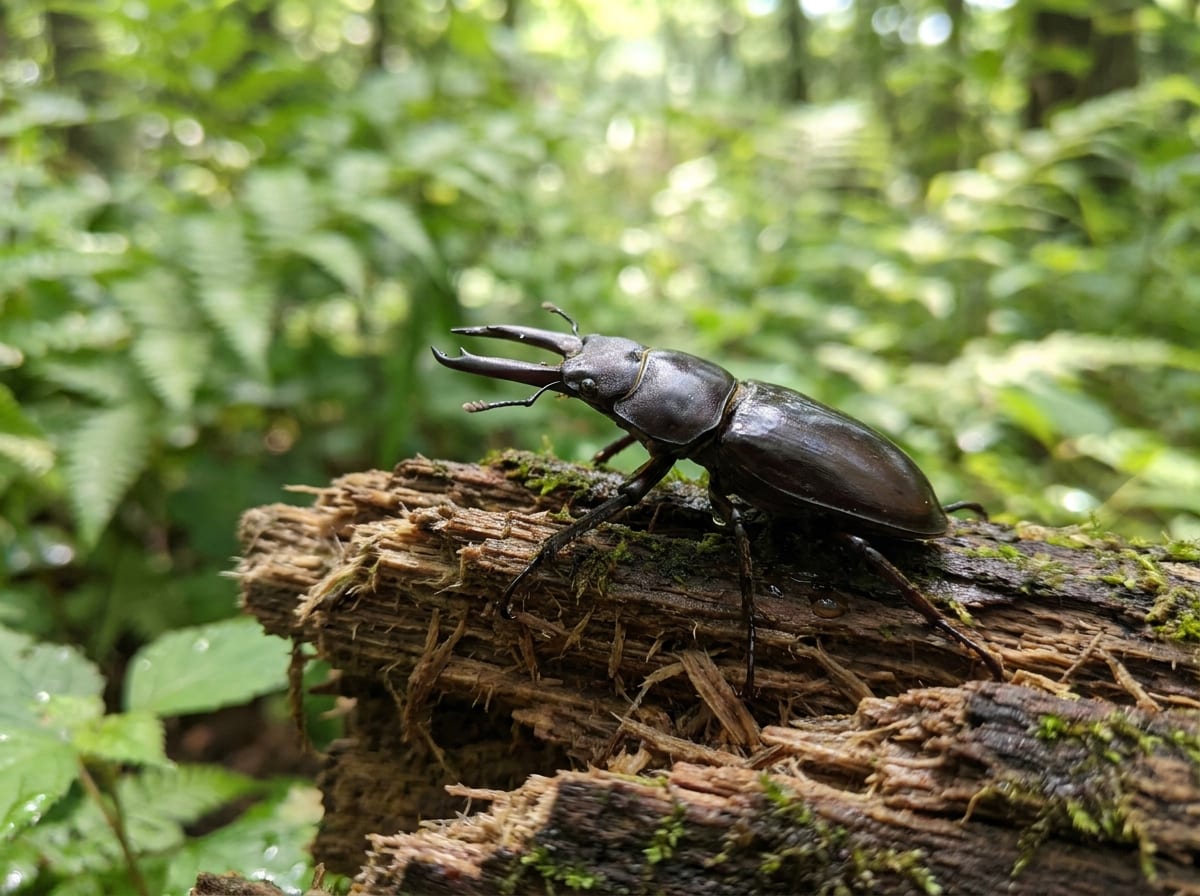
Kokuwa Stag Beetle
Dorcus rectus
The most common small stag beetle in Japan's woodlands. Hardy, overwinters as an adult and lives for years — an ideal beginner species.
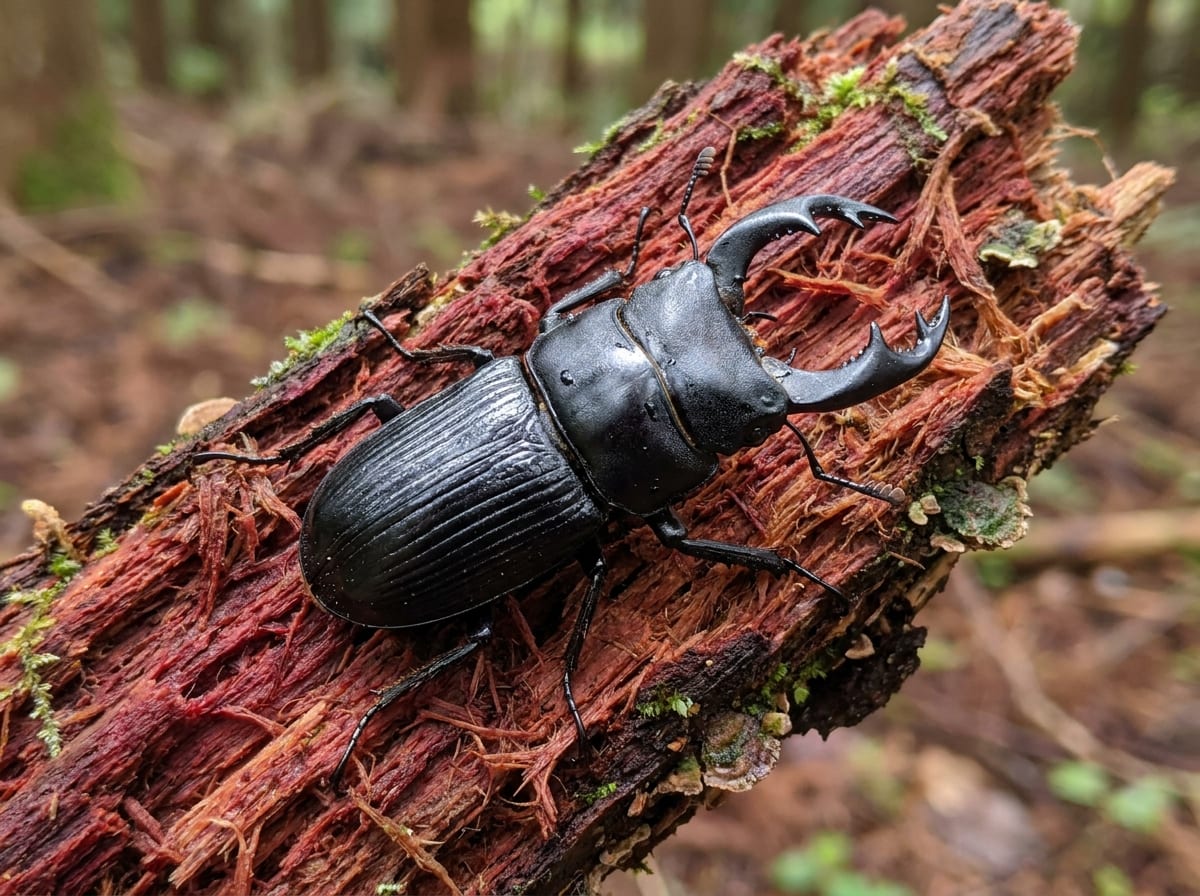
Nebuto Stag Beetle
Aegus laevicollis
A small stag beetle with coarse longitudinal ridges on the elytra. Found from Honshu to Okinawa. It lays into fine substrate made from red-rotten pine, so breeding takes a little know-how.
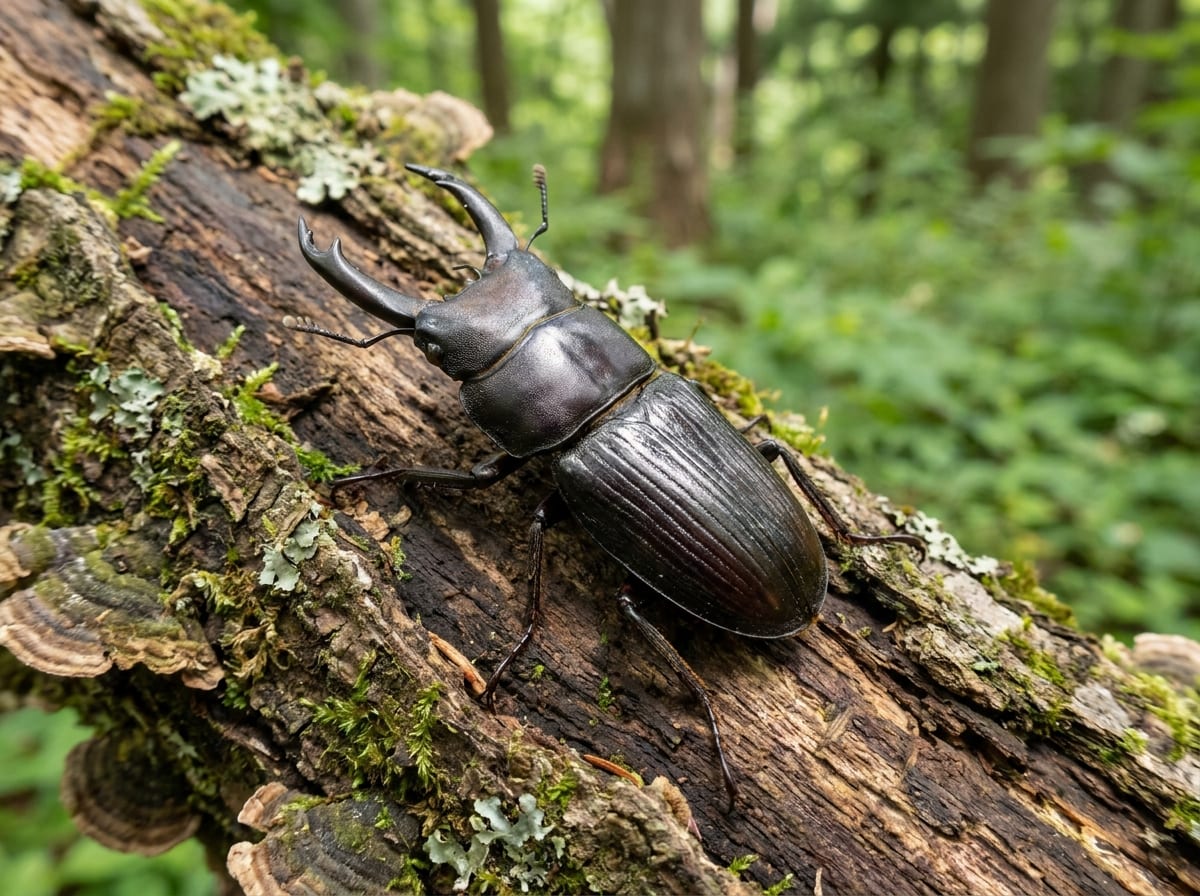
Suji Stag Beetle
Dorcus striatipennis
A small stag beetle with longitudinal grooves on the elytra. Resembles the kokuwa but small males and females show clear striations. A hardy, common species from lowlands to high mountains.
Related Content
Insect FAQ
- How much do beetles cost?
- Japanese rhinoceros beetles cost 300-1,000 yen, giant stag beetles 2,000-30,000 yen, and Hercules beetles 5,000-50,000+ yen depending on species and size.
- Can beginners start keeping insects?
- Japanese rhinoceros beetles and saw stag beetles are easy to keep and great for beginners. A basic container and beetle jelly from a 100-yen shop is all you need to start.
- How long do beetles live?
- Adult rhinoceros beetles live 2-3 months, saw stag beetles 3-6 months. Giant stag beetles can live 2-5 years as adults, offering years of enjoyment.
- What are the benefits of raising larvae?
- Larvae are cheaper than adults and you get to experience the thrill of eclosion. Raising large specimens using fungus bottles or substrate is rewarding and educational.
- What should I check when buying insects?
- Check that tarsi (feet) are intact, the insect is active, and there are no mites. Choose specimens with documented size and lineage information.