Insect Encyclopedia — 75 Species Directory
Encyclopedia of popular beetles and stag beetles with care guides, traits, and breeding methods.
Featured Insect
Showing 18 of 75 species
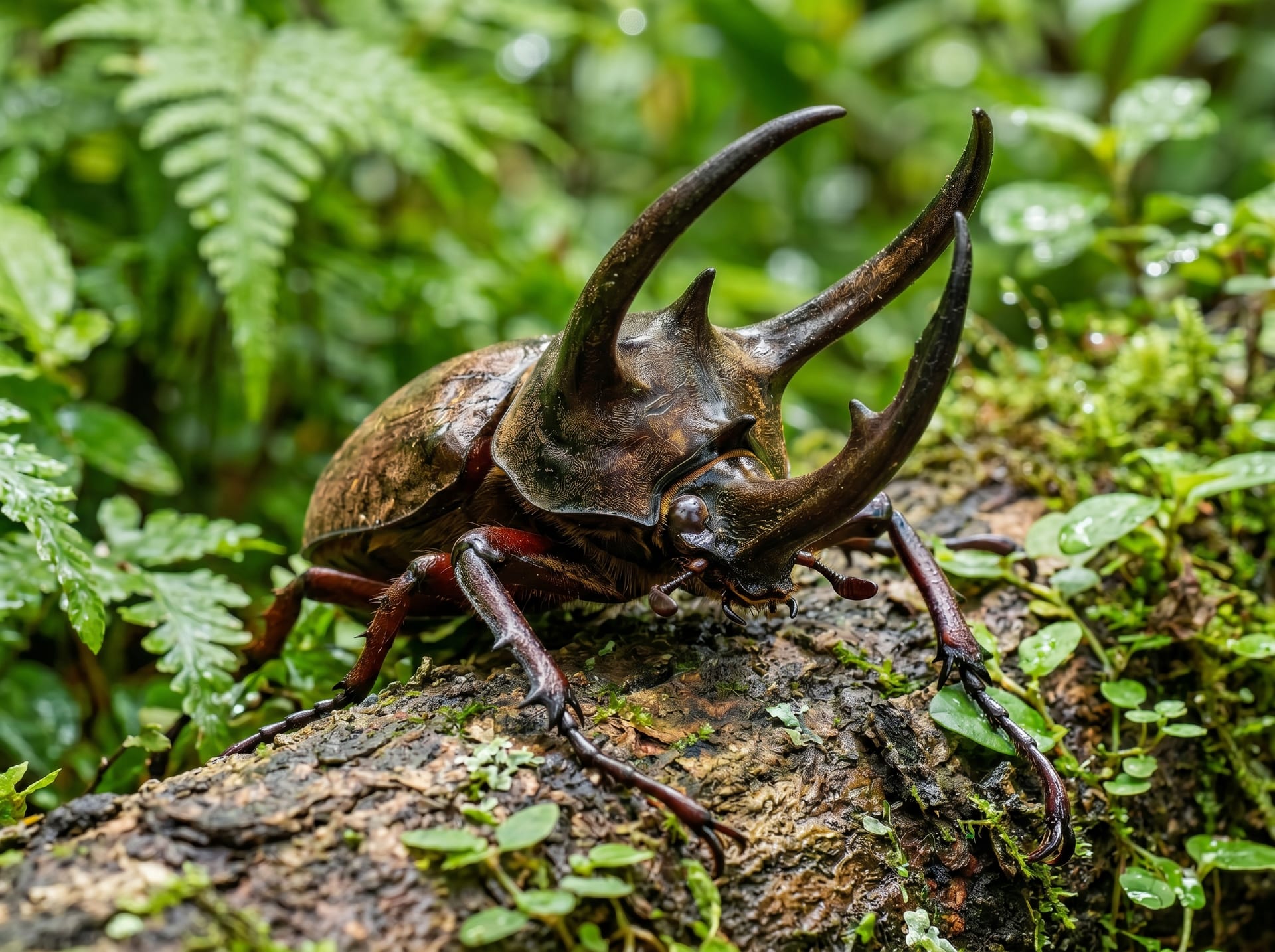
Atlas Beetle
Chalcosoma atlas
Large beetle from Southeast Asia. Three horns similar to Caucasus but smaller. Relatively easy to keep.
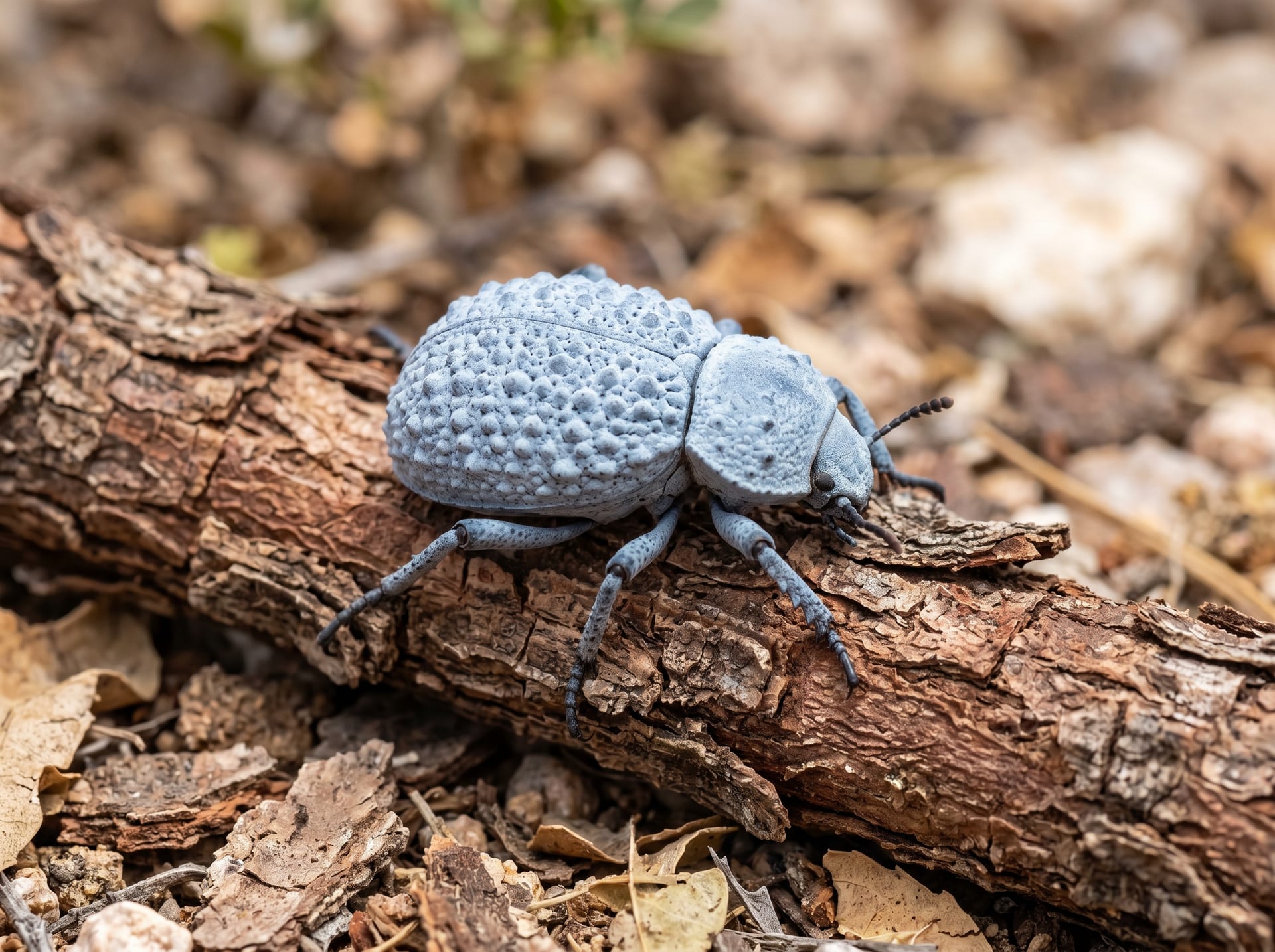
Blue Death-Feigning Beetle
Asbolus verrucosus
Blue-white beetle from North American deserts. Named for its death-feigning defense behavior. Very hardy, long-lived, and extremely easy to keep.
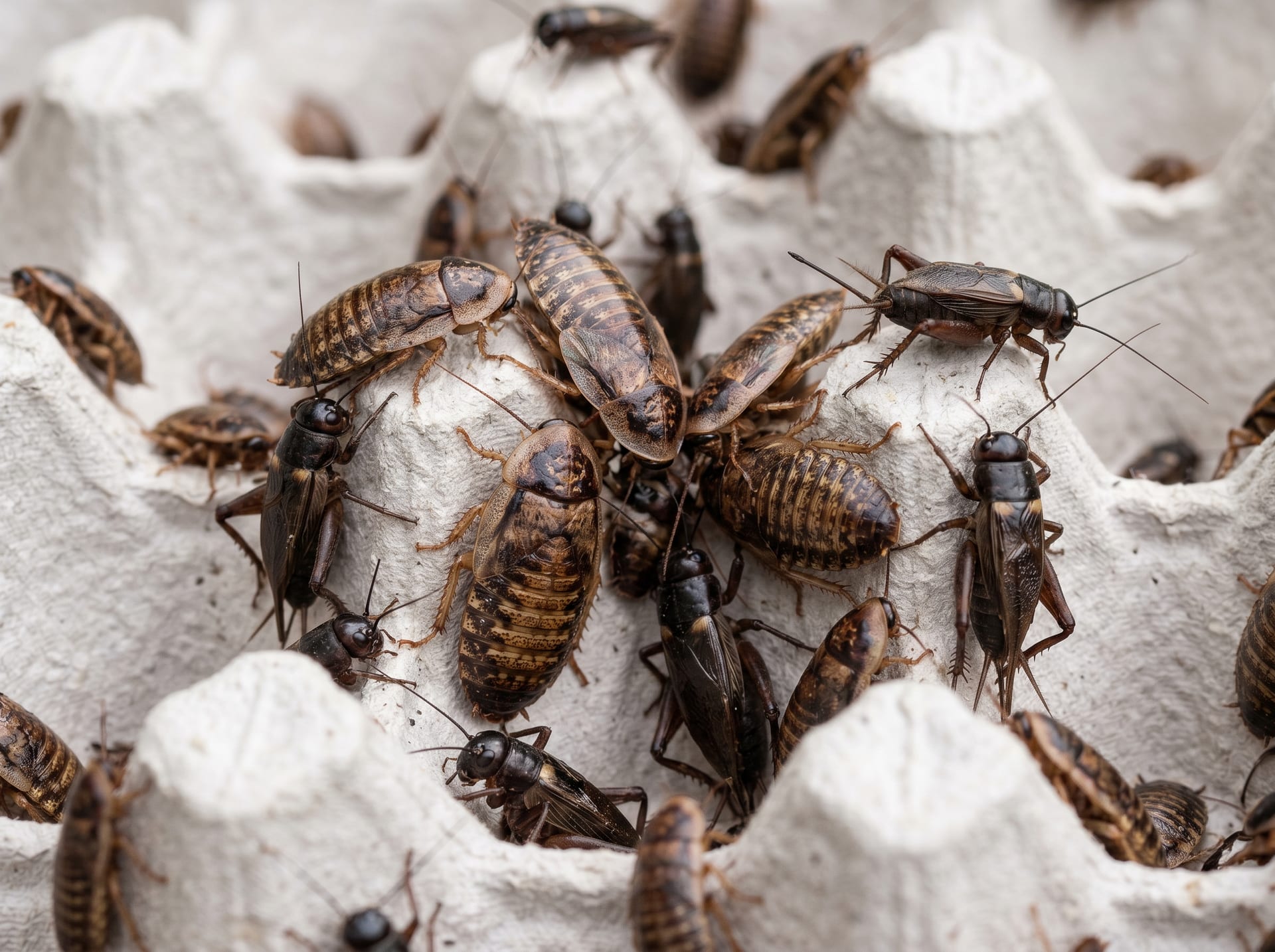
Cricket / Dubia / Red Runner Roach
Gryllus spp. / Blattella dubia / Blatta lateralis
Nutrient-rich feeder insects for insectivorous reptiles. Crickets offer auditory appeal; Dubias and red runners breed readily with minimal odor, ideal for breeding colonies. Selection depends on feeder preferences and breeding efficiency.
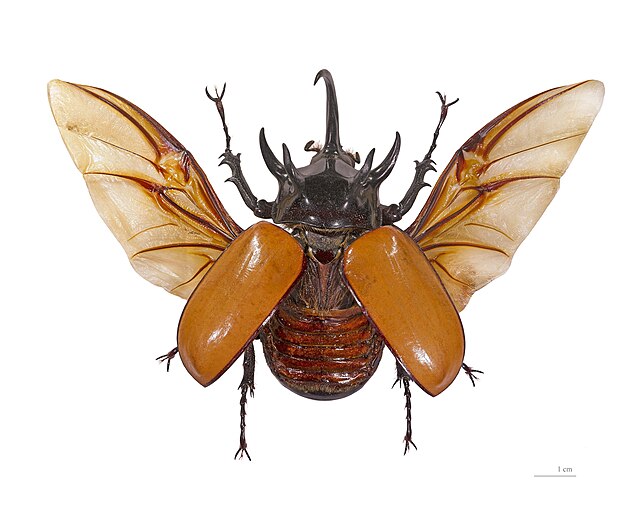 © Didier Descouens / CC BY-SA 4.0
Five-horned Beetle
Eupatorus gracilicornis
Unique beetle with five horns on head and thorax. Southeast Asian origin. Relatively small and easy to keep.
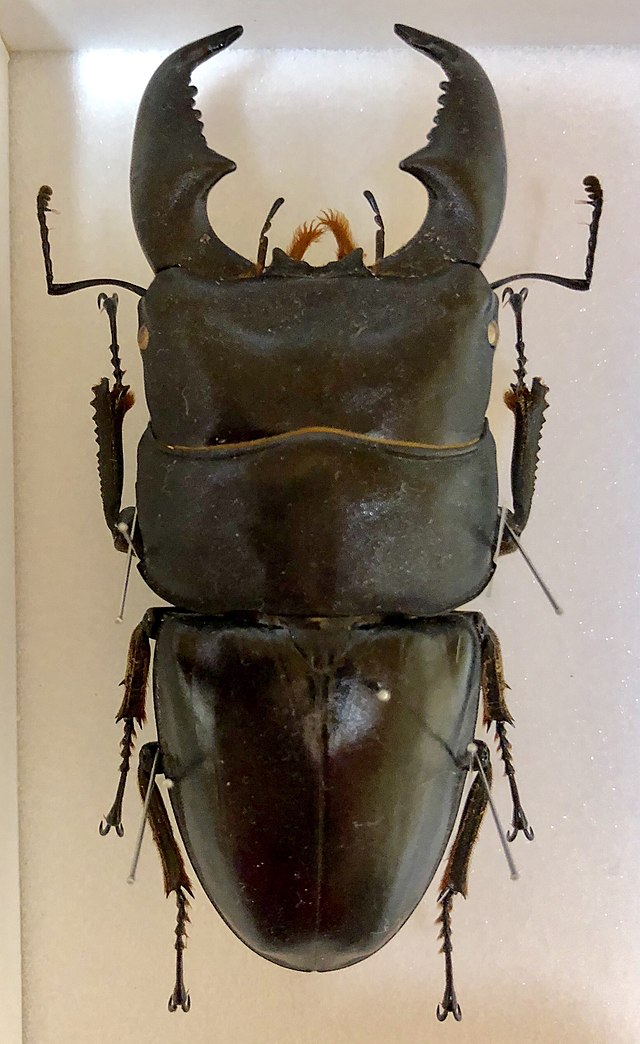 © かんがくたろう / CC BY-SA 4.0
Flat Stag Beetle
Dorcus titanus
A large stag beetle distributed throughout Japan. Characterized by powerful mandibles and flat body, popular for beetle fighting.
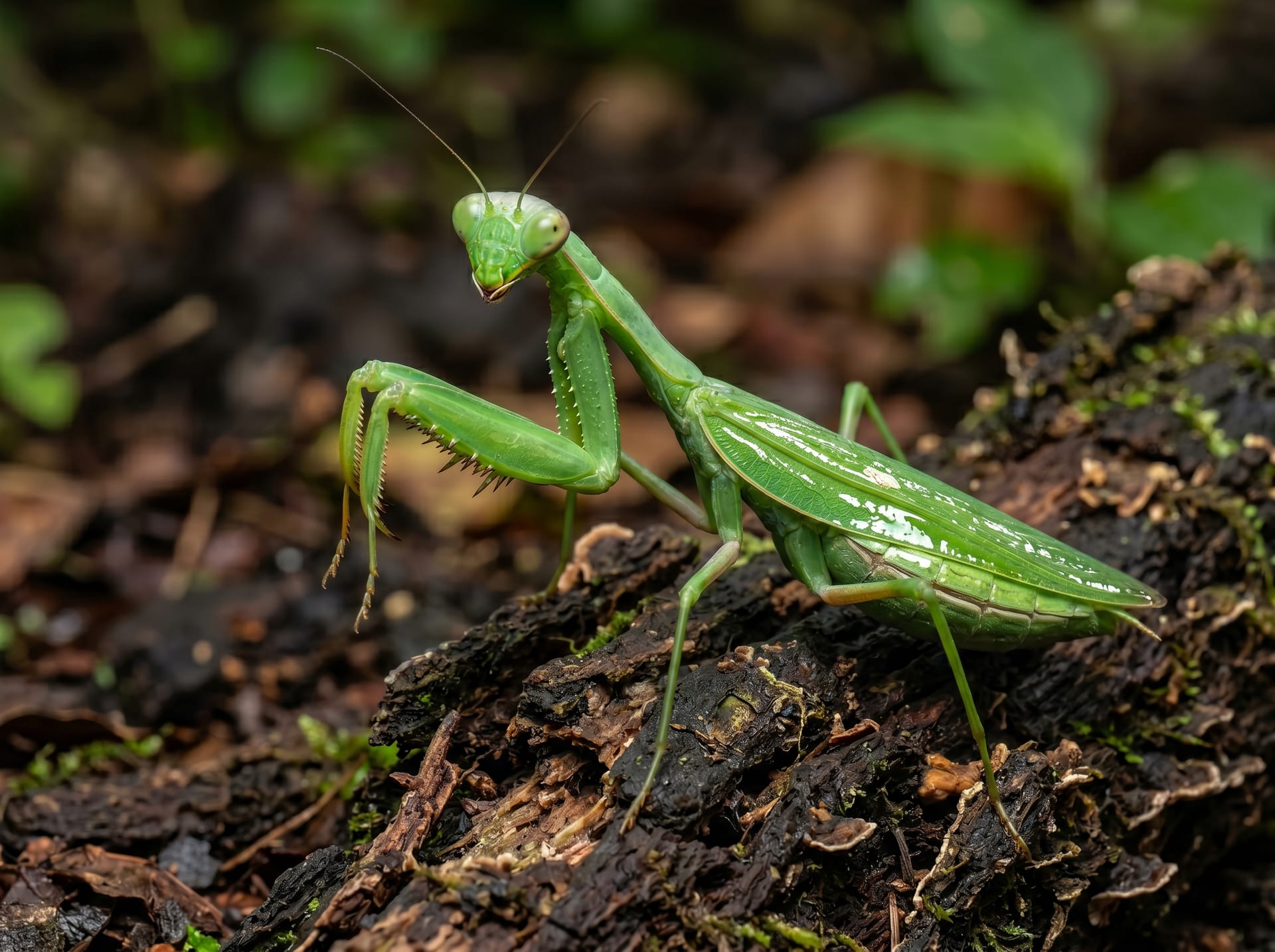
Giant African Mantis
Sphodromantis viridis
Large mantis from Africa. Green body with thick raptorial forelegs. Hardy and voracious, ideal entry-level mantis. Relatively easy to handle.
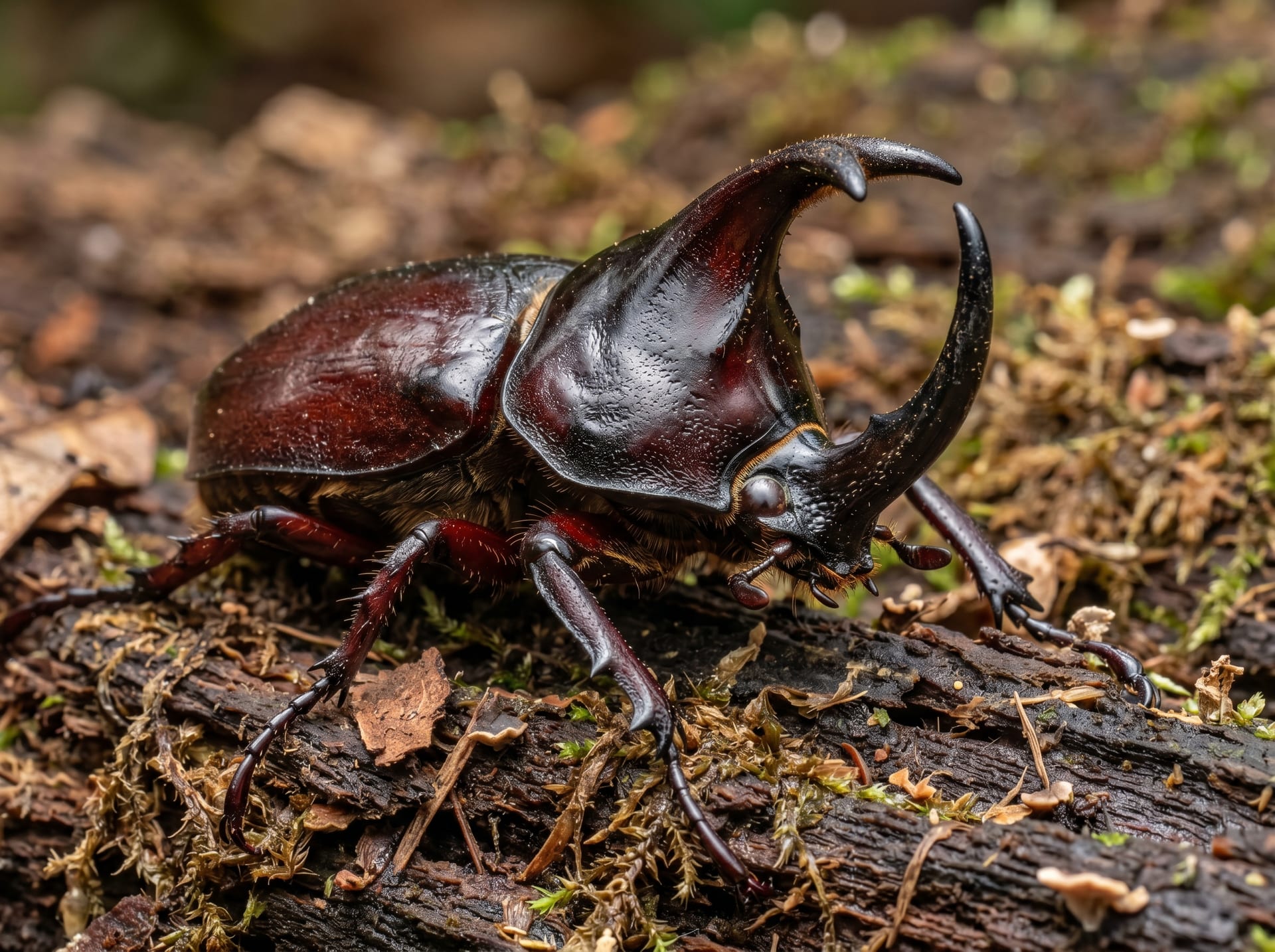
Gideon Beetle
Xylotrupes gideon
A medium beetle widely distributed in Southeast Asia. Hardy beginner species for foreign beetles.
 © Gombe at Japanese Wikipedia / CC BY-SA 3.0
Japanese Rhinoceros Beetle
Allomyrina dichotoma
A Japanese summer icon. Popular from kids to adults. Larvae grow in leaf compost, pupating into adults in about a month. Perfect starter beetle.
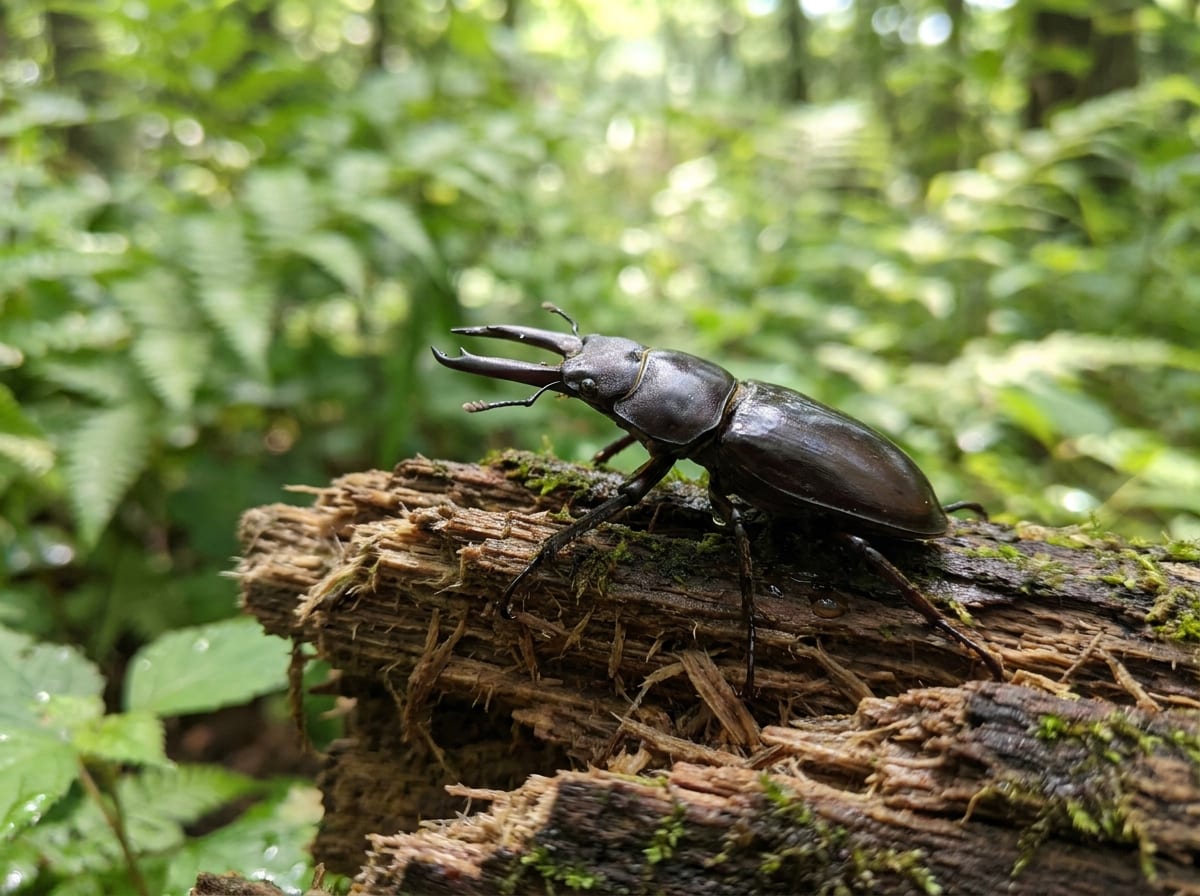
Kokuwa Stag Beetle
Dorcus rectus
The most common small stag beetle in Japan's woodlands. Hardy, overwinters as an adult and lives for years — an ideal beginner species.
 © keusju / CC BY-SA 3.0
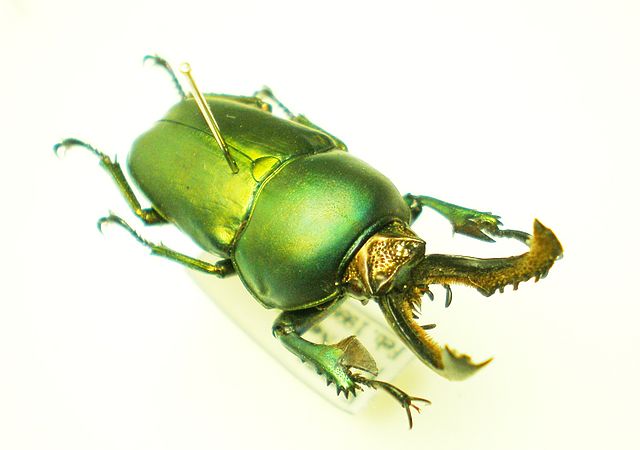
Papuan Golden Stag
Lamprima adolphinae
A small stag beetle with vivid metallic sheen. Varied colors: green, blue, purple, gold.
 © Mihai C. Popa / CC BY-SA 4.0
Praying Mantis
A popular insect catching prey with scythe-like forelegs. Many enthusiasts keep them as pets.
 © No machine-readable author provided. Kugamazog~commonswiki assumed (based on copyright claims). / CC BY-SA 2.5
Rainbow Stag Beetle
Phalacrognathus muelleri
The world's most beautiful stag beetle from Australia. Iridescent metallic rainbow body is its defining trait. Docile and easy to keep. Larvae thrive on both fungus bottles and substrate.
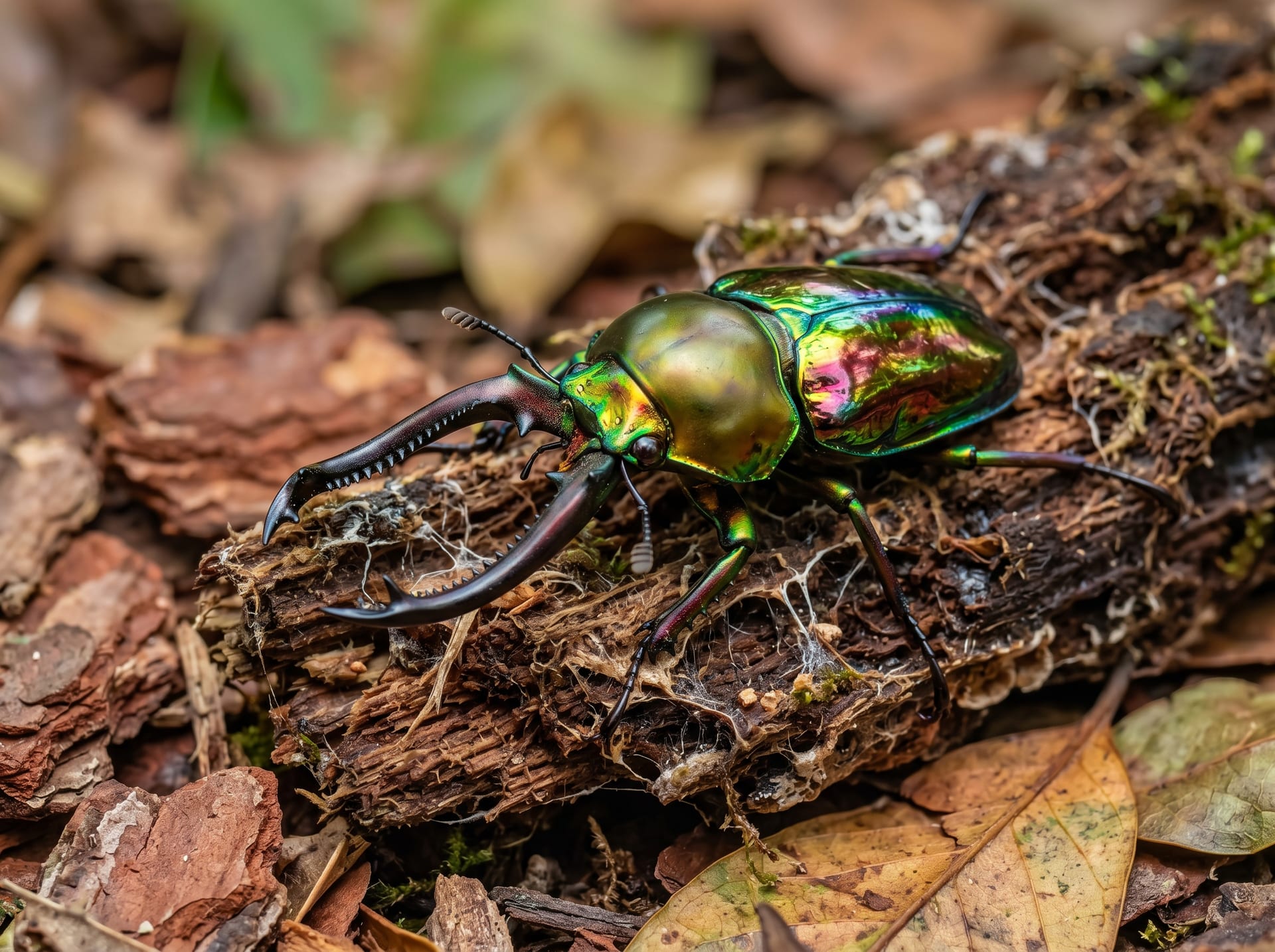
Rainbow Stag Beetle (Color Morphs)
Phalacrognathus muelleri var.
Color morphs of Rainbow Stag Beetle. Green, blue, red, purple, black — various color forms created through selective breeding. Extremely collectible.
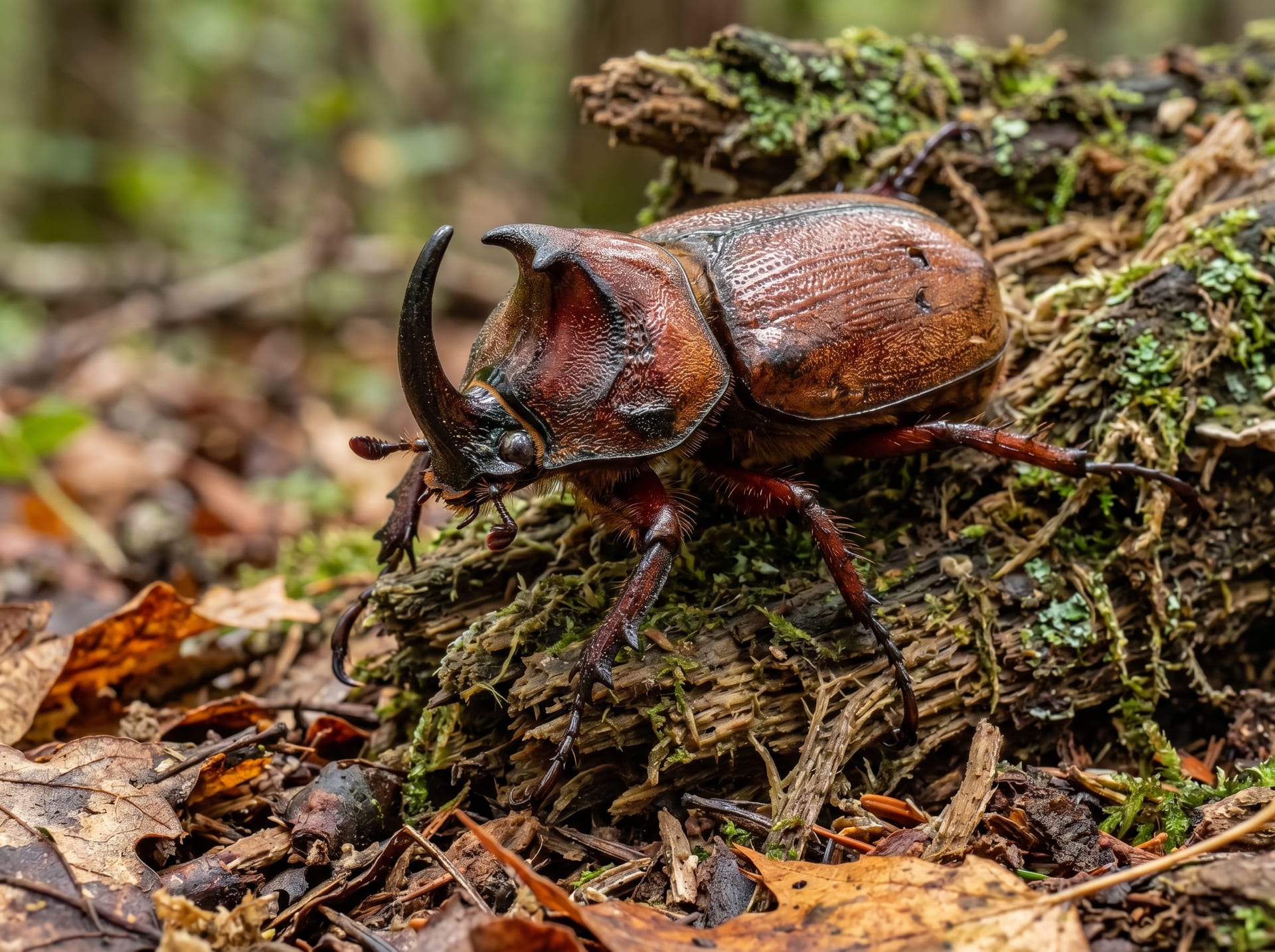
Sabii Beetle
Allomyrina pfeifferi
A beetle from Southeast Asia whose rusty (sabi) body color is the origin of its name. Same genus as the Japanese rhinoceros beetle, sharing similar keeping methods, making it an easy-to-keep exotic beetle even for beginners. Horn shape is similar to the Japanese species.
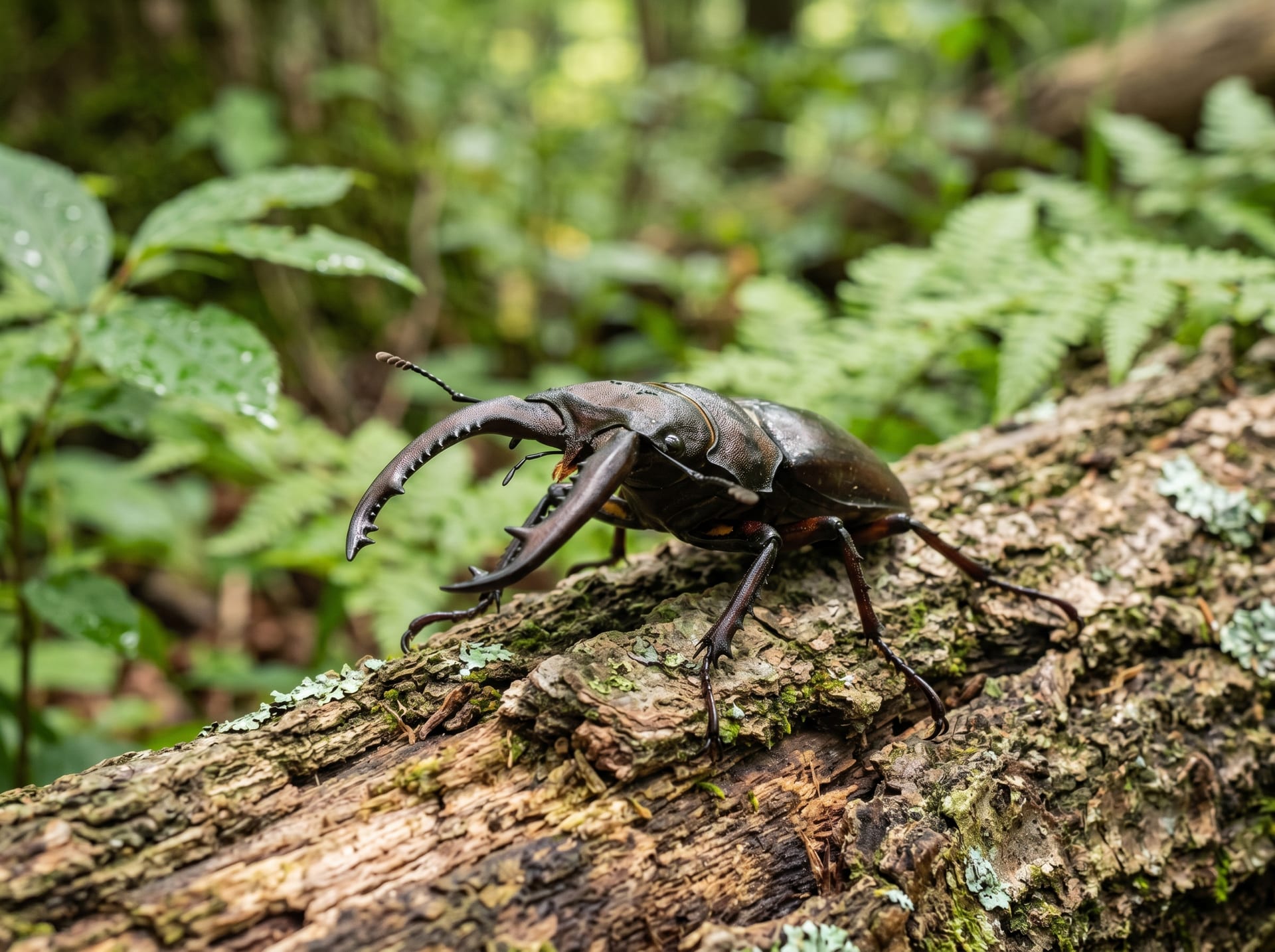
Saw Stag Beetle
Prosopocoilus inclinatus
Japans most popular stag beetle. Named for saw-like mandibles. Summer icon beloved by children.
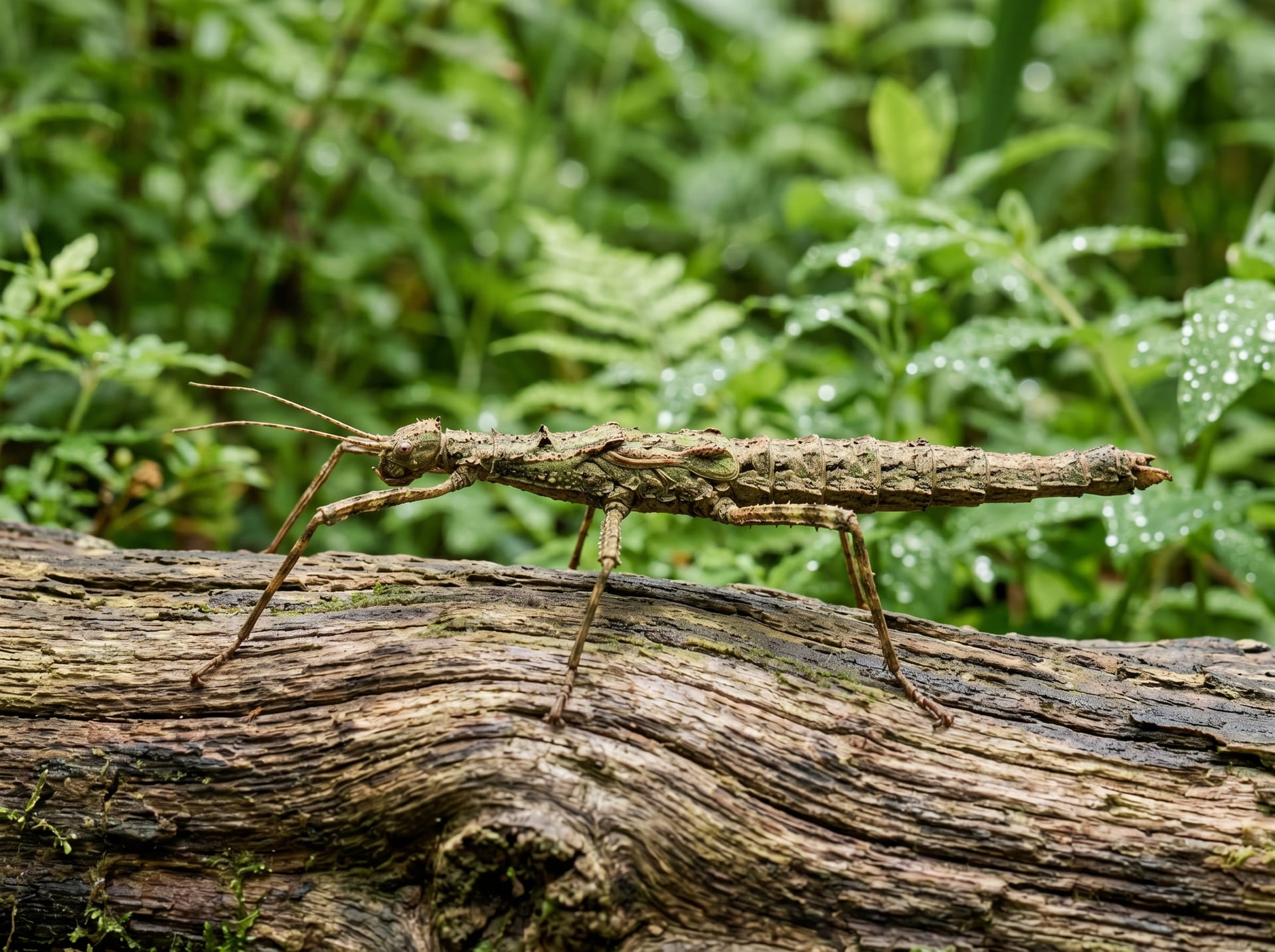
Stick Insect
Phasmatodea sp.
Elongated insect mimicking twigs. Many species worldwide. Easy care — just feed plant leaves. Many species reproduce parthenogenetically. Popular for education.
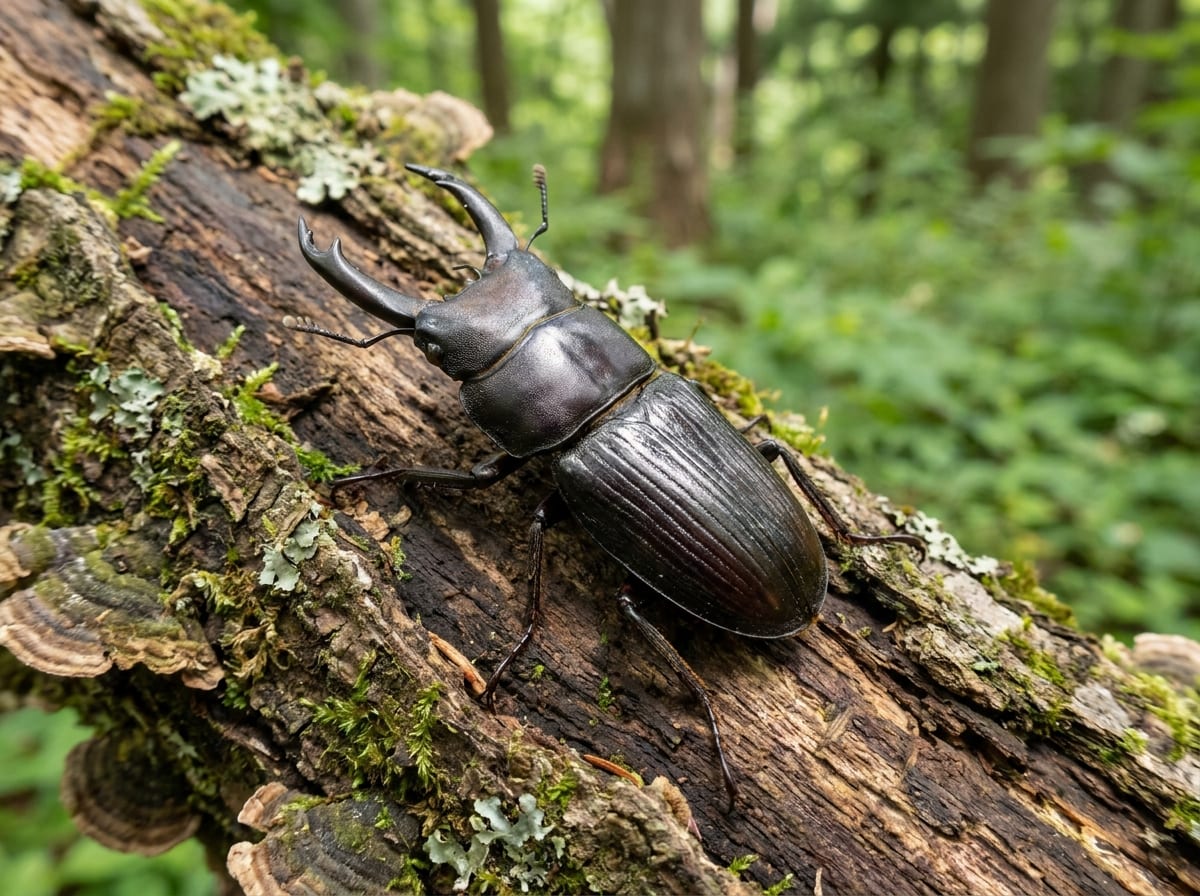
Suji Stag Beetle
Dorcus striatipennis
A small stag beetle with longitudinal grooves on the elytra. Resembles the kokuwa but small males and females show clear striations. A hardy, common species from lowlands to high mountains.
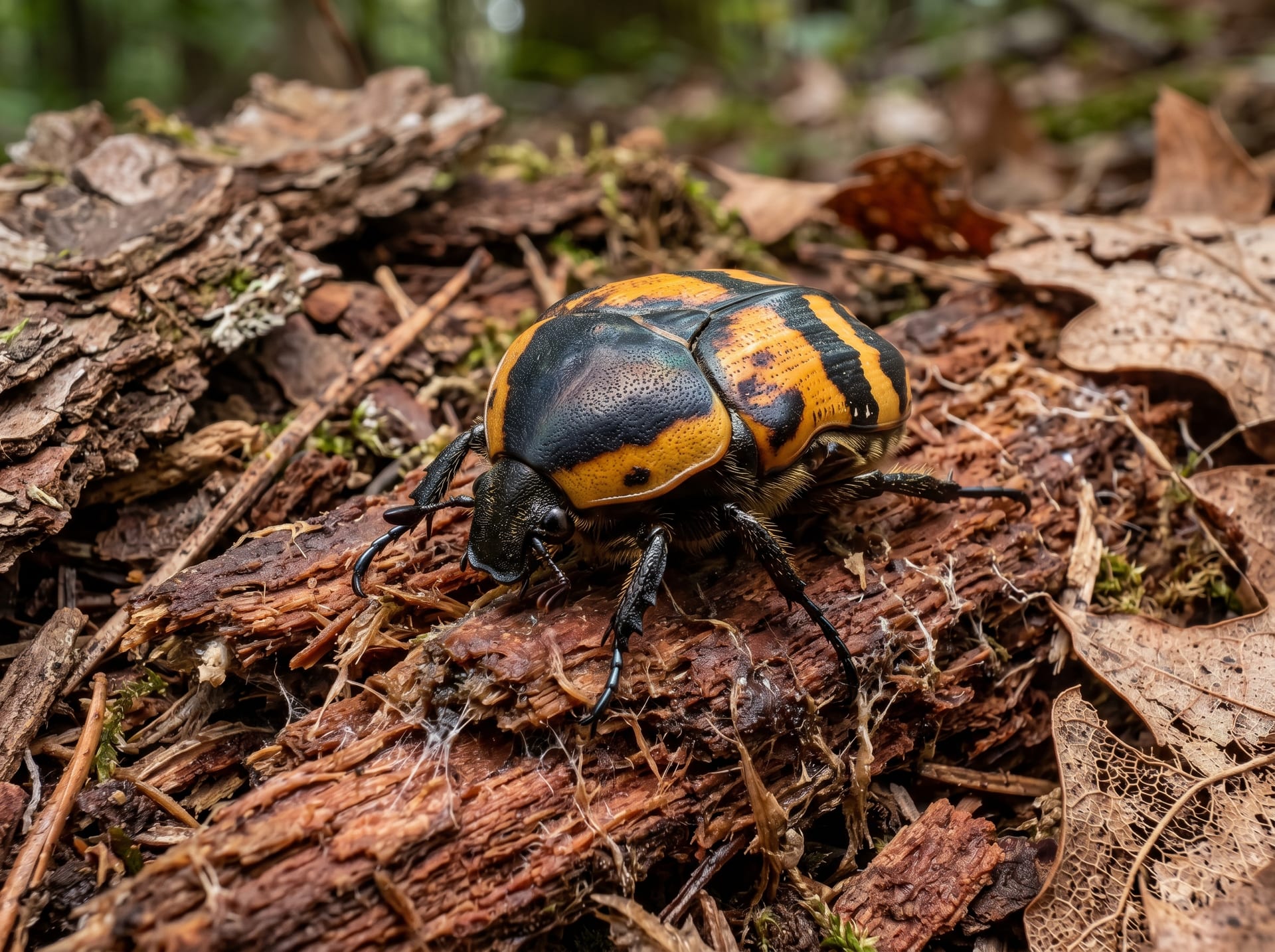
Sun Beetle
Pachnoda marginata
Bright yellow and black flower beetle from Africa. Small, hardy, and easy to breed. Adults eat jelly and fruit. Larvae grow in leaf litter. Perfect entry-level beetle.
Related Content
Insect FAQ
- How much do beetles cost?
- Japanese rhinoceros beetles cost 300-1,000 yen, giant stag beetles 2,000-30,000 yen, and Hercules beetles 5,000-50,000+ yen depending on species and size.
- Can beginners start keeping insects?
- Japanese rhinoceros beetles and saw stag beetles are easy to keep and great for beginners. A basic container and beetle jelly from a 100-yen shop is all you need to start.
- How long do beetles live?
- Adult rhinoceros beetles live 2-3 months, saw stag beetles 3-6 months. Giant stag beetles can live 2-5 years as adults, offering years of enjoyment.
- What are the benefits of raising larvae?
- Larvae are cheaper than adults and you get to experience the thrill of eclosion. Raising large specimens using fungus bottles or substrate is rewarding and educational.
- What should I check when buying insects?
- Check that tarsi (feet) are intact, the insect is active, and there are no mites. Choose specimens with documented size and lineage information.