Source: Wikimedia Commons
Orange-breasted Waxbill
BeginnerAmandava subflava
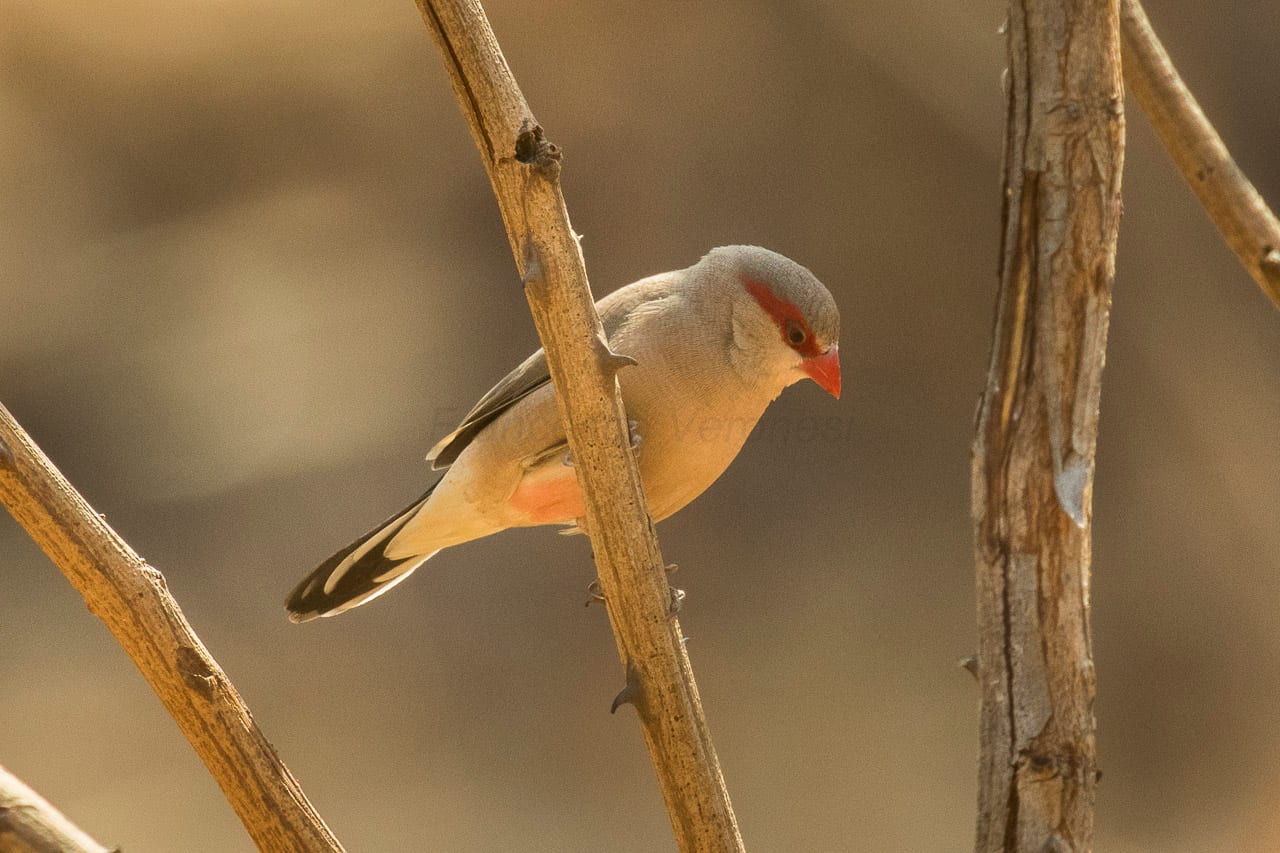
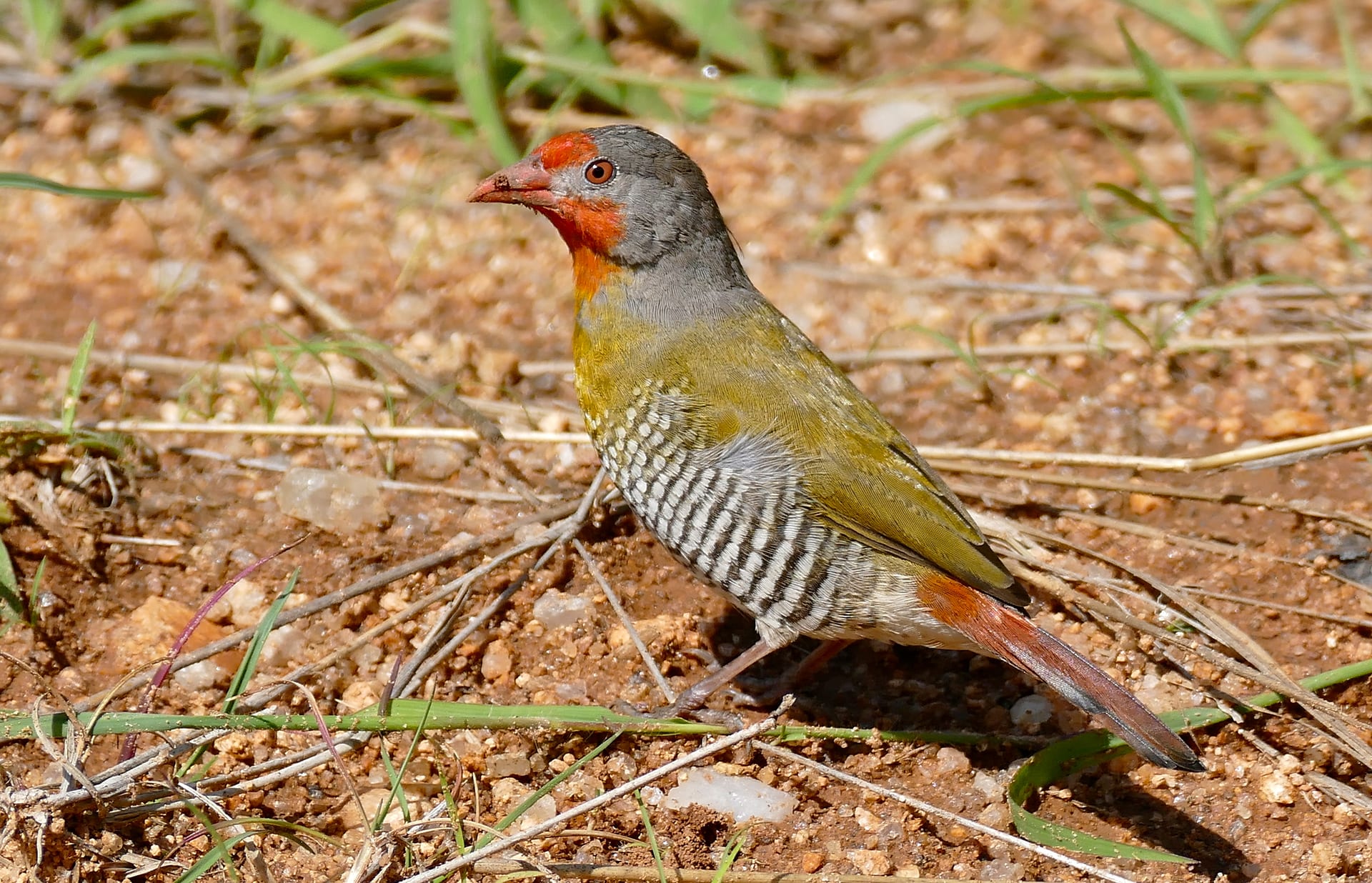
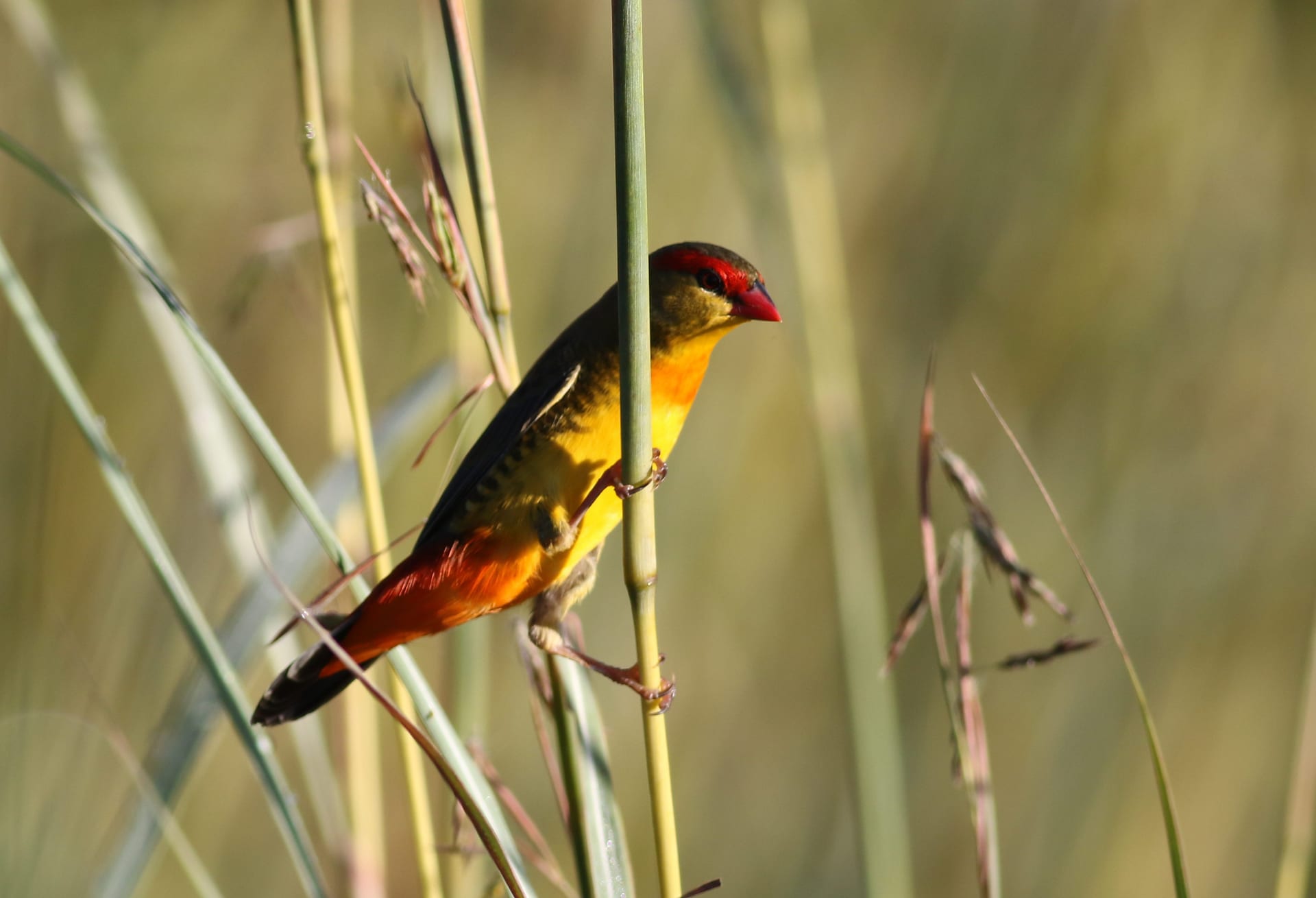
At about 9 cm it is one of the smallest estrildids. Dark olive upperparts set off an orange breast and red bill, and the male adds a scarlet eyebrow and red rump. Hardy and easy to breed.
Difficulty
Beginner
Temperature
15〜30℃
Lifespan
6-7 years in captivity
Size
About 9cm
Humidity
40〜60%
Diet
Mixed seed, spray millet, shoots, plus livefood such as buffalo worms or pinkies when rearing young
About
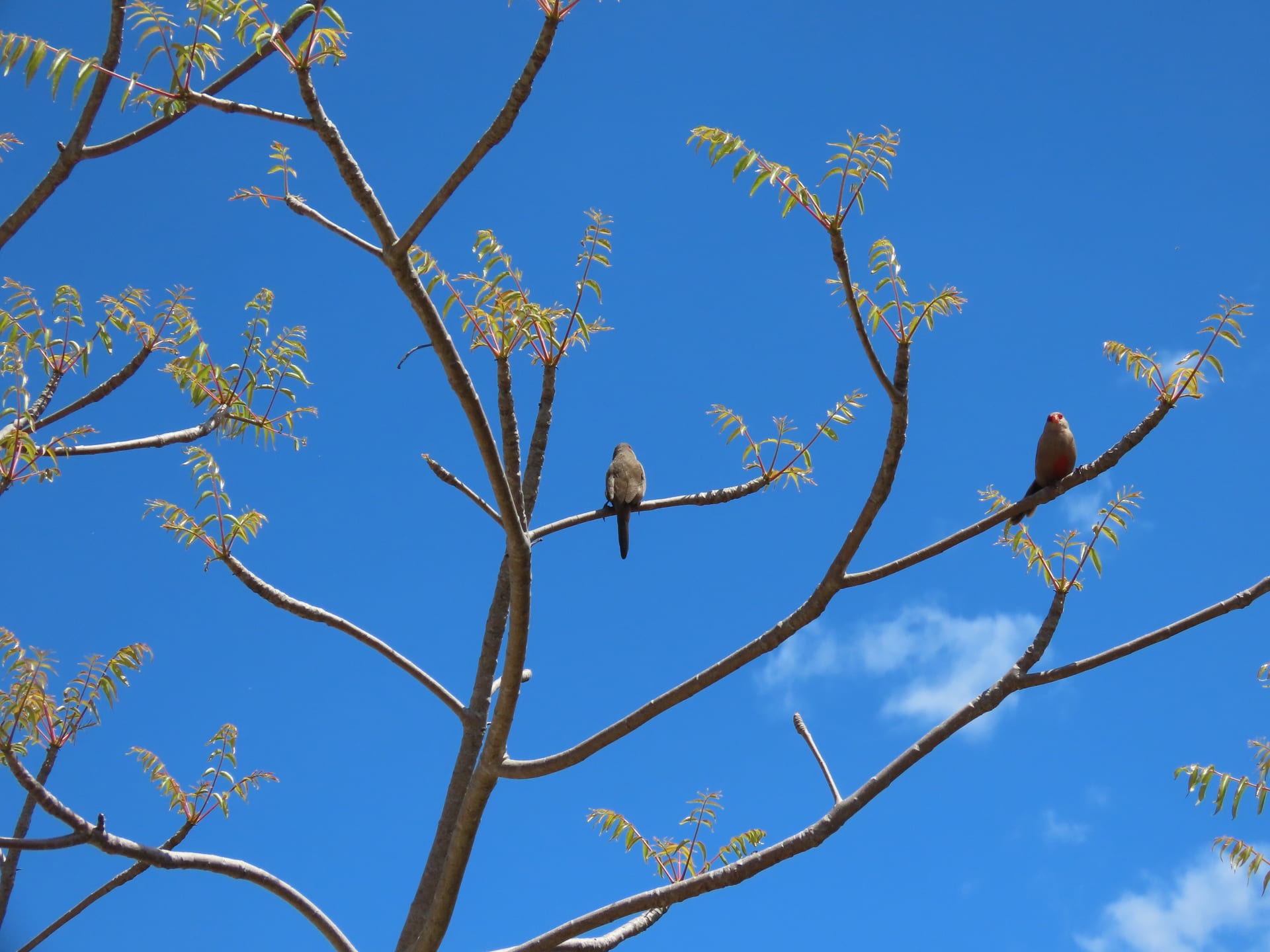
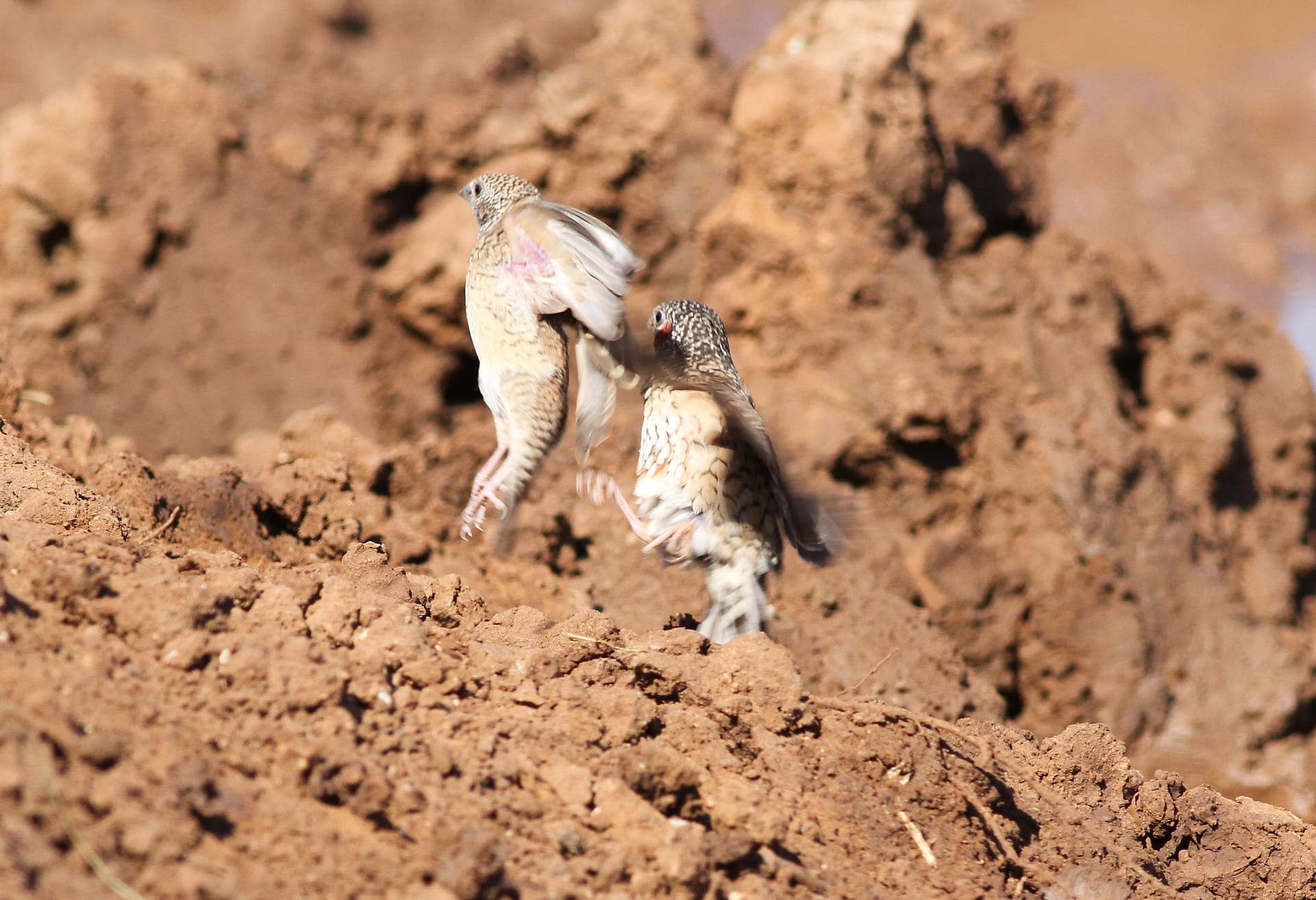
The orange-breasted waxbill (Amandava subflava) is a small estrildid finch widespread in grassland and savanna south of the Sahara. At about 9 cm it is one of the smallest estrildids kept in aviculture. The iris is reddish, the bill red, the upperparts dark olive, and the breast and belly orange. The male has a scarlet eyebrow stripe and a red rump, with dark bars along the whitish flanks; the female is smaller, duller and lacks the eyebrow. The nest is an oval structure of grass, often an old nest of a red-collared widowbird, and the clutch is four to six eggs. Introduced records exist from Kuwait and elsewhere. In aviculture it is very hardy and long-lived and is considered very easy to breed, but animal food is essential for rearing the young.
Source: Wikipedia (CC BY-SA 4.0)
Lifespan of the Orange-breasted Waxbill
The Orange-breasted Waxbill lives 6-7 years in captivity.
Size of the Orange-breasted Waxbill
The Orange-breasted Waxbill grows to About 9cm.
Basic Info
Origin
Grassland and savanna south of the Sahara in Africa
Lifespan
6-7 years in captivity
Size
About 9cm
Temperature
15〜30℃
Care Specifications
References & Sources
Edited & verified by: BreederDirect editorial team
The taxonomic, regulatory, and husbandry data on this page are compiled and verified against the authoritative primary sources below.
Taxonomy & Authority
Accepted name: Amandava subflava (Vieillot, 1819)
Synonyms: Sporaeginthus subflavus
Authority databases: GBIF
Nomenclature follows global taxonomic authority databases.
Regulations & Conservation Status
Not CITES-listedIUCN LC · Least Concern
Not listed in the CITES appendices. It was listed in Appendix III in the past, but that listing has since been deleted.
Sources: CITES Appendices (Appendix III listing by Ghana) / IUCN Red List / Species+ (CITES appendices)
Regulations may change. Always verify the latest information with the relevant authorities.
Orange-breasted Waxbill Listings
Loading latest listingsFind listings for this species