Summer Heat Protection: Reptile Cage Temperature Management Guide
Managing reptile cage temperatures during summer. Explains adjustment methods for air conditioning, fans, and basking lights.
Key Takeaways
Managing reptile cage temperatures during summer. Explains adjustment methods for air conditioning, fans, and basking lights.
Related Species
As summer arrives, the most critical concern for reptile keepers is "the risk of overheating." Since reptiles are ectothermic animals, their health is directly affected by environmental temperature. In modern Japan, where indoor temperatures often exceed 35°C, cages placed in rooms without air conditioning frequently reach 40°C or higher—a dangerous situation.
This article provides practical, easy-to-understand temperature management strategies for summer reptile care, even for first-time keepers.
The Relationship Between Reptiles and Temperature: Why Summer Is Dangerous
Reptiles are ectothermic animals that cannot regulate their own body temperature. Unlike mammals, they cannot generate heat to warm their bodies, so environmental temperature directly determines their body temperature. Reptiles function normally—including activity, digestion, and immune function—within appropriate temperature ranges. However, when temperatures become too high, they suffer heat stress (overheating) and can die in severe cases.
The following temperature ranges are generally considered dangerous for most reptiles:
- 35°C and above: Loss of appetite and illness become likely
- 38°C and above: Heat stress risk increases sharply
- Above 40°C: Can be fatal even in short durations
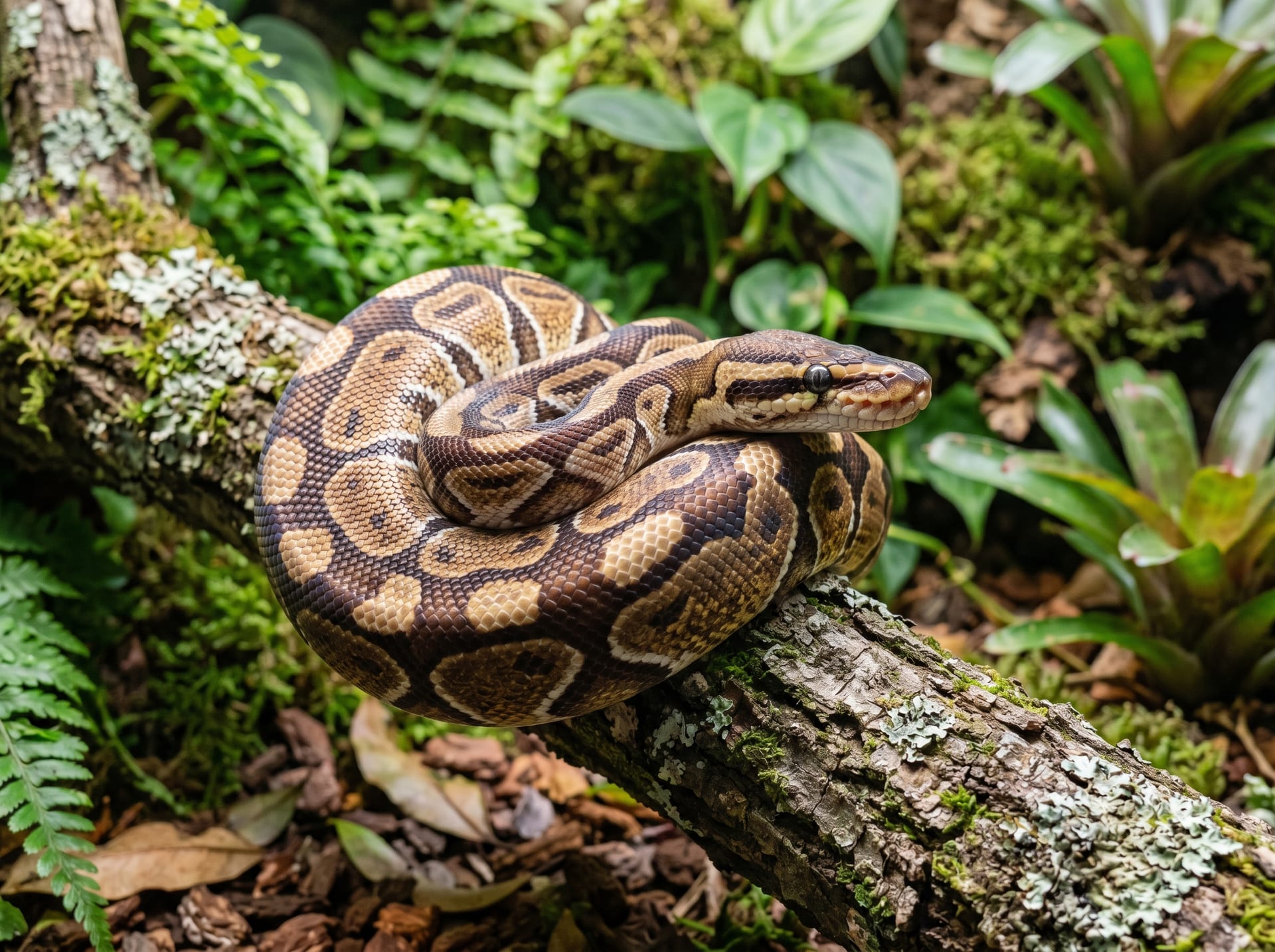
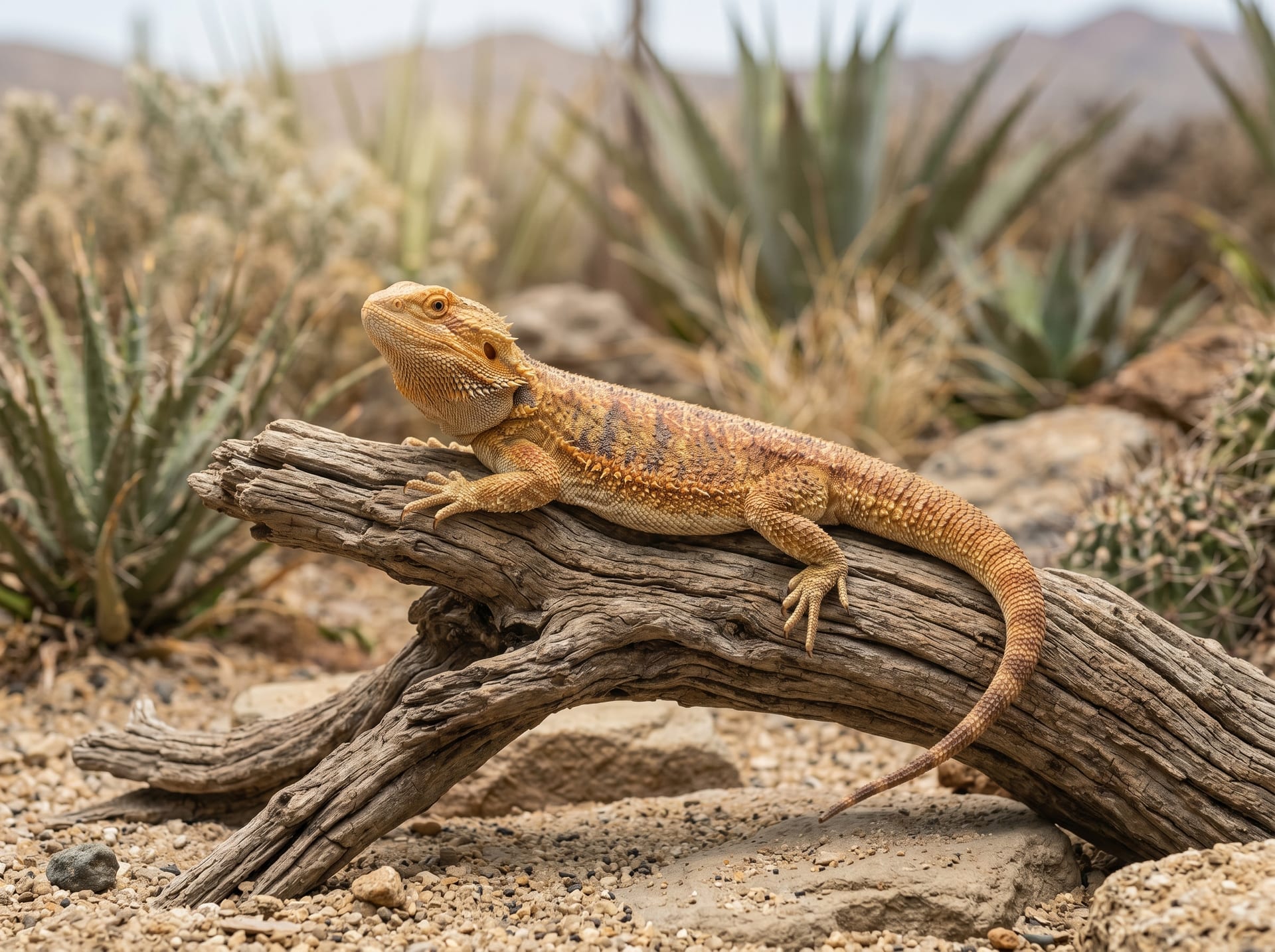
Species like Leopard Geckos, Bearded Dragons, and Ball Pythons—all popular pets—have different optimal temperature ranges, so it's essential to understand your species' temperature requirements beforehand.
Adjusting Basking Light Output
Most reptiles require a temperature gradient within their cage, with both a "basking spot" and a "cool spot." Basking lights are used to create this gradient, but during summer, when room temperature is already high, using the same wattage and duration as winter causes excessive heating.
Specific Adjustment Methods
- Lower the wattage: Switch from a 60W basking light to 40W or 30W
- Shorten photoperiod: Use a timer to turn the light on only during cooler morning/midday hours
- Raise the light fixture: Increase the distance between the light and cage floor to distribute heat more evenly
A digital thermometer (ideally with max/min temperature recording) is essential. Check both the basking spot and cool spot temperatures daily. Installing thermometers in multiple locations, not just one, allows you to understand the entire cage's temperature distribution and provides peace of mind.
Room Temperature Control with Air Conditioning Is Most Reliable
For summer reptile care, room temperature management with air conditioning is the most reliable method. Maintaining consistent room temperature minimizes temperature fluctuations within the cage.
Recommended Temperature Settings
| Season | Recommended Room Temperature |
|---|---|
| Summer (June–September) | 26–28°C |
| Extreme heat/tropical nights | Lower to 25–26°C |
Some may hesitate to run air conditioning 24/7, but for reptiles, it's a matter of life and death. If you want to reduce electricity costs, avoid setting the temperature too high; aim to maintain "28°C or below" as a minimum goal.
Also, avoid positioning the cage where air conditioning airflow blows directly on it. Sudden temperature changes and dry air can cause health issues.
Ensure Proper Cage Ventilation
Poor ventilation in a cage causes heat to build up and temperature to rise rapidly. During summer, review the following points:
Checklist
- Check if the mesh top is blocked: Remove any towels or cloth covering the top panel
- Cage placement: Avoid locations with poor airflow, such as against walls or in furniture gaps
- Use a small fan: Place a small USB fan near the cage to circulate air throughout the room
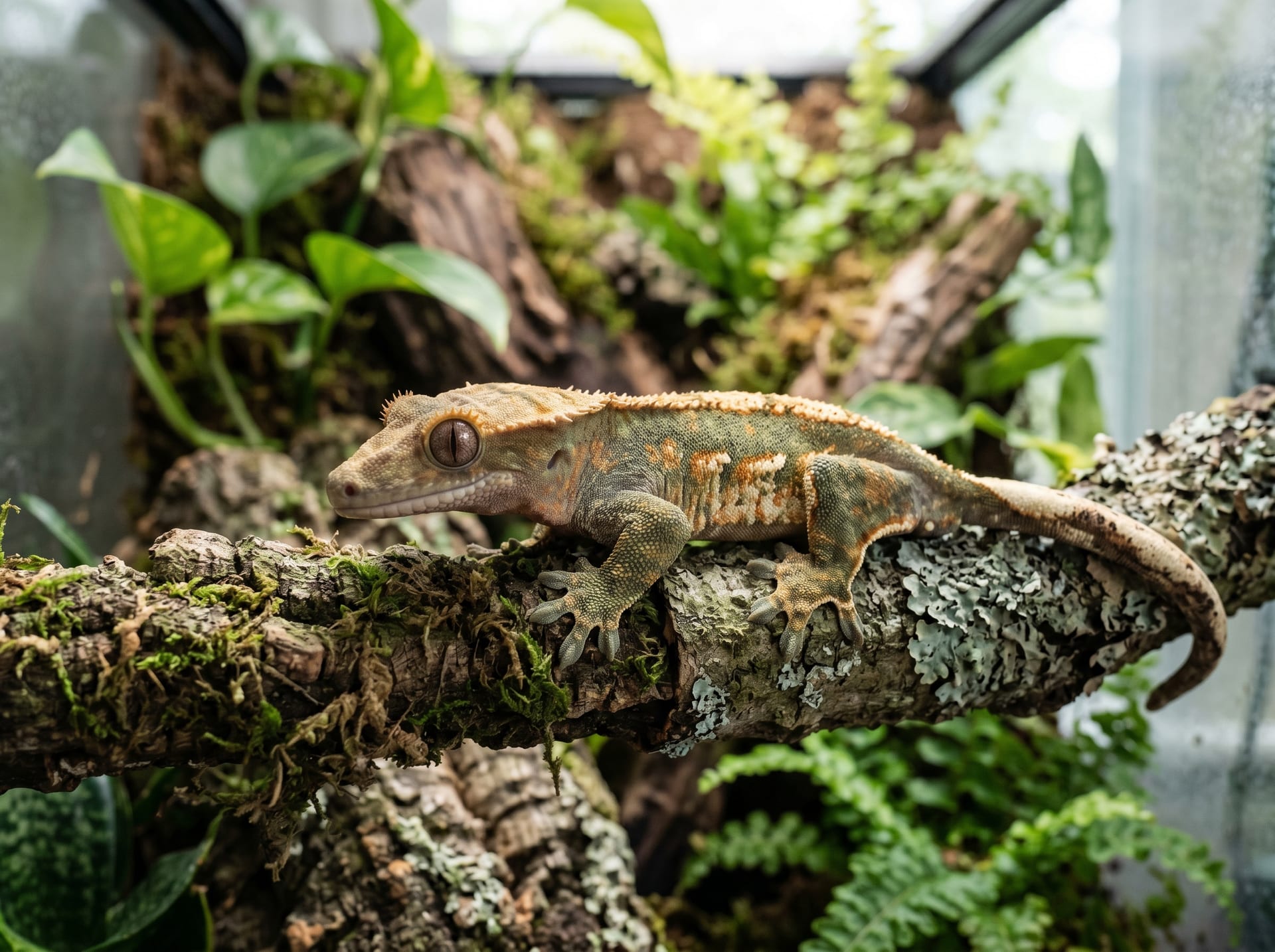
However, direct airflow into the cage can cause excessive dryness. Species requiring humidity management (such as Ball Pythons and Crested Geckos) need special attention. Balance ventilation with humidity retention by regularly checking a thermohygrometer and making adjustments as needed.
Emergency Response: Power Outages and Air Conditioning Failures
Unforeseen situations—such as power outages from storms or earthquakes, or air conditioning failures—can cause cage temperatures to spike suddenly. In such emergencies, the following methods can temporarily lower temperature:
Emergency Cooling with Ice Packs
- Wrap ice packs in a towel or cloth (direct contact risks frostbite)
- Place on top or side of the cage (not inside)
- Replace as they melt and monitor effectiveness with a thermometer
This method is only a temporary emergency measure. If ice packs become too cold, they can cause hypothermia, so continuously monitor your thermometer.
For extended power outages, it's wise to prepare in advance with a mobile battery-powered small fan or cooling products. During summer, don't neglect contingency planning.
Water Management and Daily Care Require Extra Attention in Summer
Summer water spoils quickly and cage water dishes easily become unsanitary. Though water requirements vary by species, providing clean water at all times is fundamental.
- Change the water dish daily: High temperatures promote bacterial growth, so replace water with fresh water at minimum once daily
- Clean the water dish: Wash thoroughly several times per week with lukewarm water and specialized cleaner (or diluted hypochlorous acid water)
- Increase misting frequency: For species requiring humidity, mist regularly even in summer to prevent dryness
Additionally, many reptiles lose appetite in summer. Rather than force-feeding, observe appetite changes and consult a reptile veterinarian if you notice sudden weight loss.
Summary: Summer Temperature Management—Preparation Saves Lives
Summer temperature management for reptiles depends entirely on daily observation and advance preparation. Here's a summary of key points:
- Install multiple thermometers and check cage temperature daily
- Adjust basking lights seasonally (wattage and photoperiod)
- Maintain room temperature at 26–28°C with air conditioning—the most reliable approach
- Ensure proper ventilation to prevent heat buildup
- Prepare for emergencies by keeping ice packs and small fans on hand
- Don't neglect water management and daily observation
Since reptiles cannot express discomfort through facial expressions or vocalizations, keepers must actively monitor their condition. Summer is especially high-risk for life-threatening problems. With solid preparation and daily care, you and your reptile can safely weather the summer season.