Reptile Cage Cleaning & Disinfection Guide | Safe Detergent Selection and Procedures
Learn the correct methods for cleaning and disinfecting reptile cages. From daily fecal removal to monthly deep cleaning, this guide covers safe detergent selection for reptiles, disinfectants with low residue risk, and thorough rinsing techniques after cleaning.
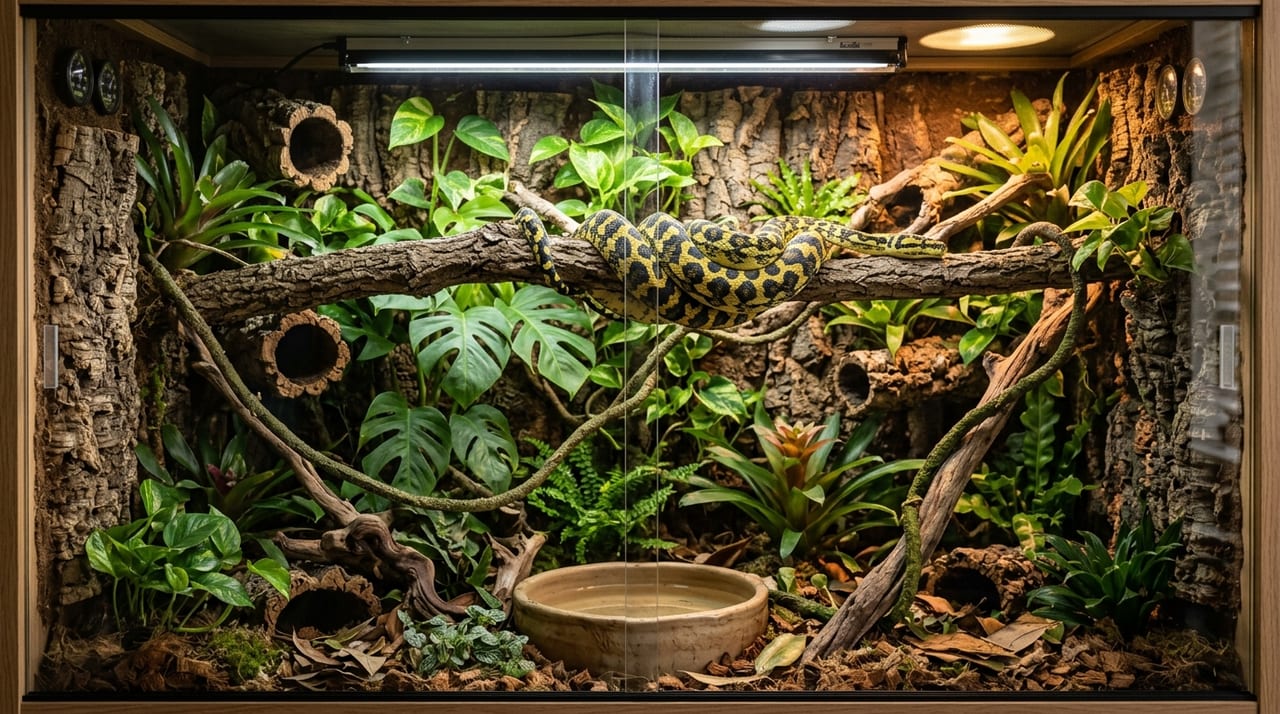
Key Takeaways
Learn the correct methods for cleaning and disinfecting reptile cages. From daily fecal removal to monthly deep cleaning, this guide covers safe detergent selection for reptiles, disinfectants with low residue risk, and thorough rinsing techniques after cleaning.
Maintaining a clean cage is essential to keeping your reptile healthy. Neglecting proper cleaning and disinfection can create a breeding ground for bacteria, parasites, and fungi, increasing the risk of infection. On the other hand, using the wrong detergent can cause poisoning in reptiles. This guide explains safe and effective methods for cage management.
Daily Cleaning (Every Day or When Noticed)
Fecal Removal
The basic rule is to remove your reptile's feces as soon as you spot them. Feces may contain parasitic eggs and pathogens, and if left on the substrate, they can contaminate the entire cage.
What You'll Need:
- Tweezers (preferably long ones)
- Eyedropper or paper towels
- Small waste bags
Removing the substrate around the feces along with the feces helps keep the cage cleaner. After finishing, remove your disposable gloves and always wash your hands with soap. If you manage multiple cages, wash your hands between each one to prevent spreading pathogens from cage to cage.
Water Container Cleaning
Bacteria thrive in reptile water containers, so daily water changes are essential. Once or twice a week, thoroughly wash the container with warm water and detergent (see safe options below), rinse well, and refill with fresh water. If you notice slime on the rim or bottom of the container, it's a sign bacteria are multiplying—scrub it with a sponge or brush.
Weekly Partial Cleaning
Glass Surface Cleaning
Wipe water marks and fecal residue off glass surfaces with a damp paper towel. For stubborn stains, use a diluted safe detergent (described below) and rinse thoroughly. Also check that vents and mesh areas aren't clogged with dust or substrate powder, which helps maintain good airflow.
Substrate Replacement
The frequency of substrate replacement varies depending on the type.
| Substrate | Replacement Frequency |
|---|---|
| Paper towel | Daily to every 2 days |
| Soil | Partial change every 1–2 weeks; full change every 1–2 months |
| Sand | Full change every 1–3 months |
Lighting and Heat Equipment Care
Ultraviolet lights, heaters, and other electrical equipment cannot be submerged in water. After turning off the power, wipe away dust and water droplets with a dry cloth or paper towel. Do not use wet cloths or spray cleaners directly on electrical equipment, as this can cause malfunction or electric shock. Dust buildup on light surfaces reduces lighting efficiency, so regular wiping helps maintain effectiveness.
Monthly Deep Cleaning
Moving the Reptile to a Temporary Container
During cleaning, move your reptile to a separate cage or temporary container. Also check that no feeder insects remain. Choose a container with a lid that closes securely to prevent escape and tipping.
Choosing Safe Detergents and Disinfectants
Detergent and disinfectant options for use around reptiles are limited. Consider the following guidelines.
Recommended (relatively safe for reptiles):
- Hot water only: Best for light cleaning; contains no chemicals
- Neutral dish detergent: Dilute dish soap and rinse thoroughly
- Reptile-safe cleaners: Designed for pets with low residue risk (e.g., Zoo Med Wipe Out)
- Diluted chlorine bleach (sodium hypochlorite): Dilute 1:30 to 1:50, rinse completely, and dry for 1 day before use
Avoid:
- Alcohol (ethanol): Risk of poisoning if the reptile comes into contact before drying
- Phenol-based cleaners (pine and cresol types): Extremely toxic to reptiles
- Air fresheners and deodorizer sprays: Can affect respiratory systems
- Baking soda: Generally safe for reptiles themselves, but may affect the digestive system if ingested
Never mix different types of detergents or disinfectants at the same time. Certain combinations can produce harmful gases. Always use products individually, and make a habit of checking your rinsing to ensure no residue from previously used cleaners remains.
Cleaning Steps
- Remove all decorations, shelters, driftwood, and rocks
- Dispose of all substrate
- Rinse the cage with water (hot water or diluted neutral detergent)
- If detergent was used, rinse thoroughly 2–3 times
- Clean and rinse decorations in the same way
- Air-dry the cage or wipe it dry with a towel
- Add fresh substrate and return decorations
- Fill the water container with fresh water before returning the reptile
During cleaning, keep the room well-ventilated by opening windows, and wear rubber gloves to prevent hand irritation from detergents and disinfectants.
The Importance of Drying
After using a disinfectant, always allow everything to dry completely before returning your reptile. If the cage is still wet, chemical substances can be absorbed through the skin. If you used chlorine bleach, ensure 1–2 hours of drying time. Wipe the inside of the cage with a dry paper towel and check that no moisture or detergent odor remains before returning your reptile.
Cleaning Tool Management
Use cleaning supplies like sponges, brushes, and buckets exclusively for your reptile's cage—do not share them with kitchen equipment or human dishes. If you keep multiple reptiles, ideally assign different tools to each cage to reduce pathogen transfer between individuals. If you use spray bottles, label them clearly so you don't accidentally use the wrong product. Replace worn sponges and brushes promptly.
Infection Prevention Tips
When Bringing Home a New Reptile
If a new reptile will share the same room with existing reptiles, a 4–6 week quarantine (observation in a separate cage) is recommended to prevent parasite introduction. During quarantine, care for existing reptiles first and the new one last. Separate cleaning tools when possible.
Cages of Sick Reptiles
If an infection or parasitic infestation is confirmed, stronger disinfection is needed. Disinfect the entire cage with diluted bleach and allow it to dry completely before reuse. It's safest to discard substrate and shelters and use new ones.
Disinfection Precautions
When handling disinfectants, wear rubber gloves. Do not use spray-type products around your reptile, other pets, or small children. Store used disinfectants out of reach of your reptile, and ventilate thoroughly before returning the cage to its original location.
Summary
Reptile cage maintenance is built on three pillars: daily fecal removal, weekly partial changes, and monthly deep cleaning, combined with safe detergent selection and thorough rinsing. Detergent residue can cause serious harm to reptiles, so never skip rinsing. Daily small efforts in care and maintenance lead to your reptile's health and comfort. BreederDirect connects you with healthy reptiles from breeders across the country. You can also consult directly with individual breeders about any questions regarding care.