Sunlight and Shade Management in Outdoor Medaka Care: Summer Heat Control and Winter Light Provision
This guide explains the crucial balance between sunlight and shade in outdoor medaka culture. It covers tips for installing shade nets and sun shelters to combat summer water temperature spikes, strategies for addressing winter light deficiency, and management methods specific to different placement locations.
Key Takeaways
This guide explains the crucial balance between sunlight and shade in outdoor medaka culture. It covers tips for installing shade nets and sun shelters to combat summer water temperature spikes, strategies for addressing winter light deficiency, and management methods specific to different placement locations.
Related Species
Outdoor Medaka Care and the Importance of Sunlight
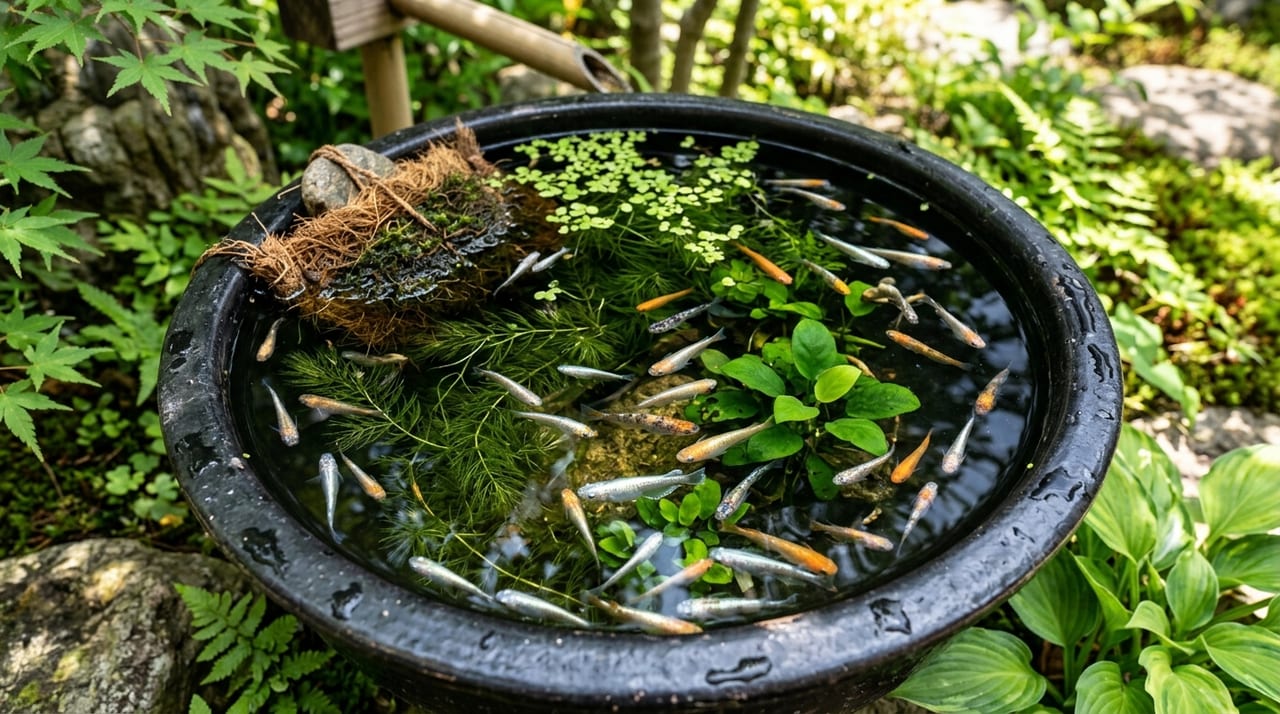
Medaka naturally inhabit sunny rice paddies, irrigation channels, and small streams. Since they grow in shallow water environments while being exposed to sunlight, proper utilization of natural light is fundamental to maintaining health in outdoor culture.
The benefits sunlight brings to outdoor culture are multifaceted.
- Green water formation and maintenance: Water colored green by proliferating phytoplankton becomes a natural food source for medaka, directly enhancing coloration and boosting immune function
- Promotion of vitamin D synthesis: Ultraviolet light aids vitamin D production within medaka bodies, supporting bone formation and calcium metabolism
- Induction of spawning cycles: When photoperiod exceeds 13 hours, reproductive behavior becomes active and spawning frequency increases
- Natural formation of optimal temperature: Sunlight-driven water temperature elevation naturally creates the ideal range of 20–28°C
- Suppression of harmful bacteria and pathogens: Ultraviolet light has germicidal properties, suppressing pathogenic bacterial growth within the water
However, excessive sunlight can raise water temperature to 35–40°C, creating a lethal environment for medaka. The key to successful outdoor culture lies in "balanced management of sunlight and shade" adjusted according to season, time of day, and variety.
Summer Heat and Direct Sunlight Mitigation
July through September, after the rainy season ends, are the most demanding months for outdoor culture. On days when air temperature exceeds 35°C, water in containers placed in sunny locations can exceed 40°C in the afternoon. Combine the following measures to manage this challenge.
Using shade nets (shade cloth)
Black or white shade cloth is the easiest shading material to handle. Cloth with 50% light transmittance is generally most practical, though some high-sun regions use 70% shade cloth. Placing it directly on the container creates poor ventilation and backfires, so install it 5–10 cm above the container to ensure air circulation. Secure all four corners with clothespins or weights to prevent wind from displacing it.
Using reed or bamboo screens
Bamboo or reed screens offer excellent air circulation and blend well with outdoor aesthetics. By leaning them against not only the container's top but also its sides, you can block afternoon sun and oblique sunlight. Wetting reed screens creates an additional cooling effect through evaporative heat loss.
Strategic placement selection
The ideal location receives sunlight only in the morning (9 AM–12 PM) and shade in the afternoon. Afternoon sun in particular strikes the container side at a low angle for extended periods, so avoid west-facing placement in summer or add a dedicated shade board. The east side of buildings or spots near fences tend to be shaded after noon—excellent locations.
Increasing water volume to moderate temperature fluctuations
Greater water volume increases heat capacity and dampens rapid temperature changes. Containers deeper than 30 cm maintain bottom-layer temperatures 5–8°C cooler than the surface, providing medaka with a refuge from heat. Flat, wide containers like troughs and large plastic boxes heat up quickly and require special attention in summer.
Water Temperature Monitoring and Emergency Response
Consistent water temperature monitoring is essential to refine shade management precision. Install a digital waterproof thermometer in the container and develop the habit of recording readings at the same time daily, especially during peak temperature hours (2–4 PM).
| Water Temperature | Condition | Response |
|---|---|---|
| 28°C or below | Optimal range | Maintain current conditions |
| 28–32°C | Alert | Increase shade, perform partial water change |
| 32–35°C | Danger zone | Emergency shading, large water change, evaporative cooling with fan |
| Above 35°C | Lethal risk | Move indoors, add cool water gradually |
Dropping water temperature too rapidly during water changes also stresses medaka. Limit water changes to one-third or less of the total volume at a time, and adjust the replacement water temperature to match the current water temperature before use.
Autumn and Winter: Ensuring Light and Maintaining Warmth
After October, light deficiency becomes the challenge. When water temperature drops below 15°C, medaka activity declines sharply, and below 10°C they enter a dormant hibernation-like state. Forgetting to remove shade nets during this period prevents necessary light from reaching the water, resulting in decreased oxygen levels and loss of green water.
Timing for removing shade nets
The guideline is mid- to late October when high temperatures consistently fall below 25°C. Since timing varies by region, it's easier to judge removal based on when water temperature stabilizes at or below 28°C.
Moving to a sunny location
In winter, relocate containers to the south side of buildings or against south-facing walls to maximize light exposure. South-facing walls provide dual benefit, supplementing water temperature through radiant heat as well.
Using insulation covers to block cold air
Installing agricultural-grade clear vinyl or corrugated panels over containers allows light through while blocking cold air. Complete sealing causes oxygen depletion, so leave one side open a few centimeters for ventilation. In regions where freezing is expected, attaching foam insulation sheets to container sides significantly improves insulation.
Shade Adjustment by Variety
The same shade management is not optimal for all medaka varieties. Adjusting shade levels to match variety characteristics allows you to achieve both vibrant coloration and good health.
Hardy varieties (black medaka, small medaka, blue medaka, etc.)
These varieties have undergone minimal selective breeding and retain wild hardiness. They thrive in relatively sunny environments with 30–40% shade. They pair well with green water and readily benefit from outdoor culture.
Selectively bred varieties (Mikiyoshi, three-color, red emperor, etc.)
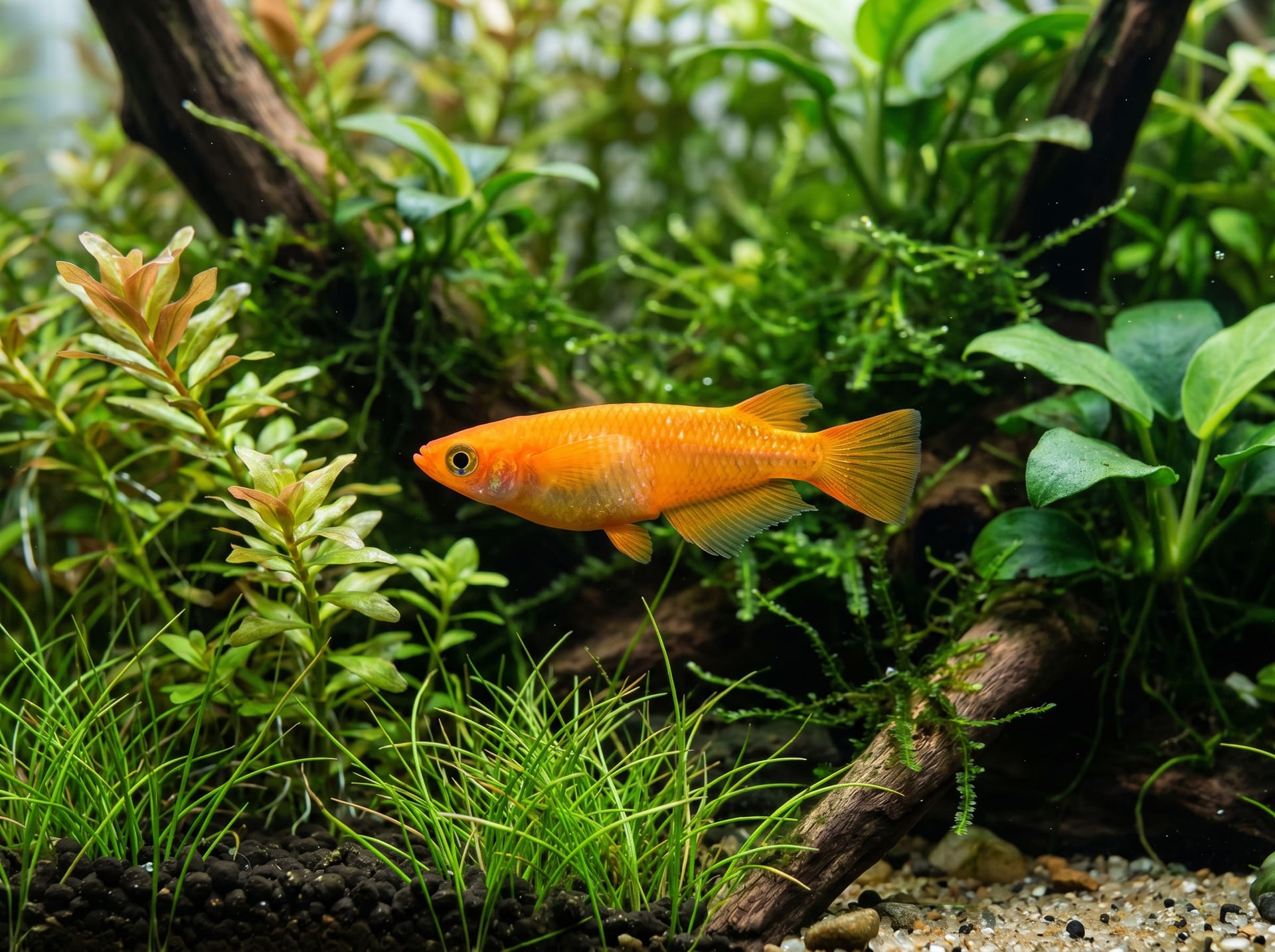
These varieties have distinctive pigment cell distribution and tend toward color fading and pigment abnormalities under intense ultraviolet light. Use 50–60% shade as standard, blocking intense afternoon sun after 2 PM for safety.
Delicate varieties such as high-transparency scale and lame types
These varieties have thin protective layers on their bodies and are susceptible to ultraviolet damage. Manage them under 60–70% shade and limit direct sunlight to approximately 2–3 hours in the morning to maintain stable coloration and long-term health. White and pale-colored varieties in particular are prone to color loss, so special caution is warranted regarding direct summer sunlight.
Summary: Dynamic Sunlight Management Through the Seasons
Sunlight and shade management in outdoor medaka culture is not a one-time setup but an ongoing dynamic process requiring continuous adjustment to season, weather, and temperature. Spring maximizes light to promote spawning, summer provides shade to protect from heat, autumn removes shade to ensure light, and winter maintains warmth while admitting sunlight—management aligned with this seasonal cycle is fundamental to sustaining healthy medaka over the long term.
Establish daily water temperature monitoring as a habit and observe changes in medaka swimming behavior, appetite, and coloration to respond quickly to environmental shifts. The essence of outdoor culture lies in maximizing the benefits of natural light, but realizing that benefit depends on the keeper's careful observation and management.