Before Attempting Goldfish Breeding: What You Need to Know
As you gain experience in goldfish keeping, many aquarists naturally want to take the next step and breed goldfish themselves. While goldfish are relatively easy to breed compared to other species, success requires proper preparation and careful management from spawning through fry rearing. Poor technique can result in rotted eggs or complete fry loss.
To achieve breeding success, you must understand three key stages: parent fish selection, spawning environment setup, and egg and fry management. This guide walks through the goldfish breeding process step by step, incorporating practical know-how.
Pre-Spawning Preparation: Parent Fish Selection and Conditioning
Choosing Parent Fish
Breeding-quality parent fish should be at least 1 year old, 8cm or longer, and in excellent health. Males are easy to identify by the appearance of small white bumps called "spawning tubercles" (oiboshi) on their pectoral fins. Females become visibly swollen in the abdomen when gravid (carrying eggs).
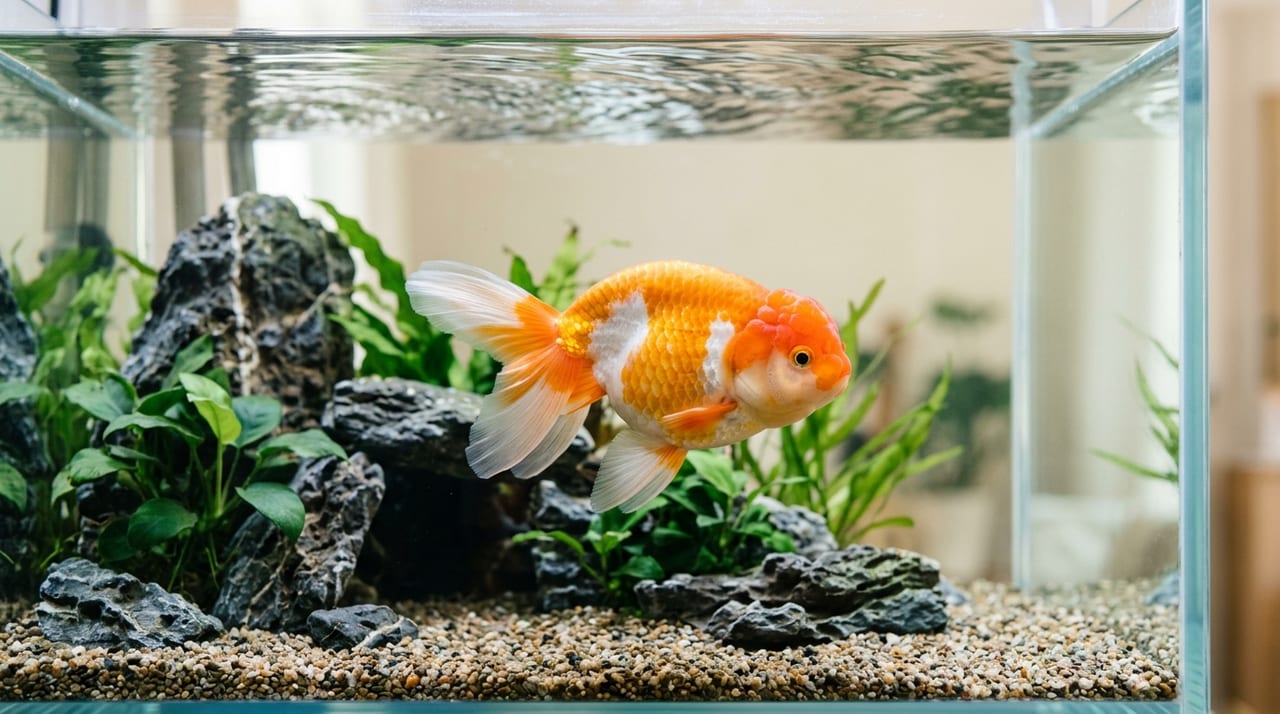
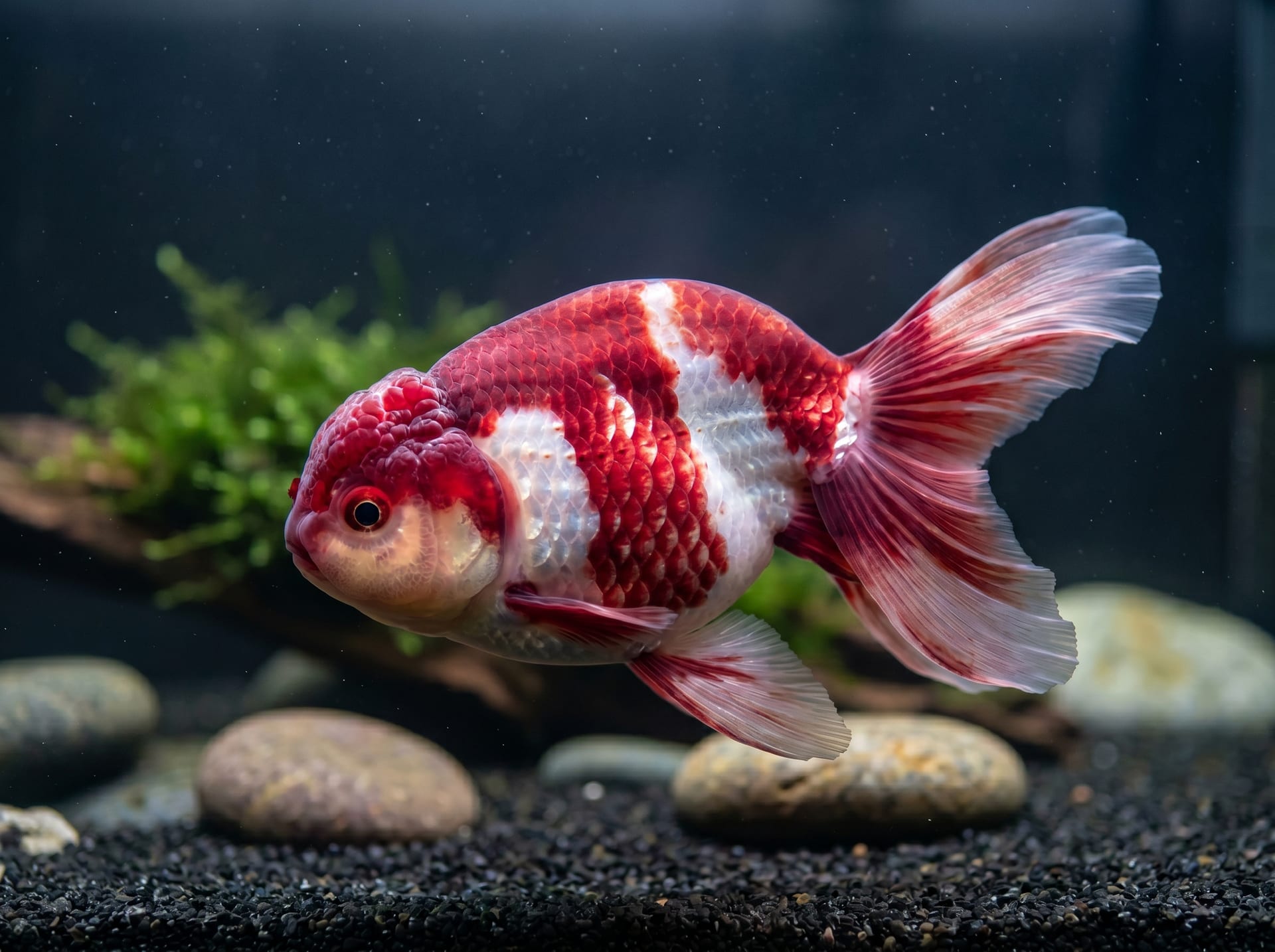
To maintain breed characteristics, pair fish of the same variety. However, you can also intentionally create F1 hybrids (e.g., Wakin × Ranchu). For established breeding programs, purebred pairings are recommended to maintain genetic integrity.
Nutrition and Temperature Management
One to two months before spawning, feed high-protein foods—bloodworms, daphnia, and tubifex—to build parent stamina. In winter, lower water temperature to 10–15°C to induce dormancy. In spring, gradually raise temperature to 18–22°C; this seasonal change triggers spawning.
Outdoor ponds provide ideal conditions for natural spawning, but indoor tanks can also produce eggs by carefully controlling water temperature with heaters during off-season months.
Setting Up Spawning Beds and Observing Spawning Behavior
Preparing Spawning Substrate (Spawning Mop)
Goldfish lay eggs on water plants or fibrous materials. Use commercial spawning mops or create your own from bundled palm fiber. Floating plants like water sprite and hornwort also make excellent spawning substrate.
Place multiple spawning beds in quiet areas of the tank—near corners or among plants—where goldfish feel secure.
Signs of Impending Spawning
As spawning approaches, the male will persistently chase the female. When the female stops near a spawning bed, the male positions himself against her body to release sperm as she releases eggs. Spawning typically occurs in early morning and continues for several hours.
Once spawning is complete, immediately move parents to a separate tank or remove the spawning bed to a separate container. Parents will eat the eggs, so separation is essential.
Egg Management and Care Until Hatching
Water Quality and Removing Unfertilized Eggs
Fertilized eggs appear translucent with a pale yellow to light brown color. Unfertilized eggs turn white and opaque. Remove infertile eggs promptly with tweezers or a pipette, as they become sites for fungal growth.
Maintain water temperature at 18–22°C and provide gentle aeration for oxygen. Perform careful water changes—about 10–20% daily—to prevent water quality decline. Adding a light dose of methylene blue helps prevent fungal infection.
Incubation Period
At about 20°C, eggs hatch in 3–5 days. At 22–24°C, hatching occurs in 2–3 days. Newly hatched fry are called "eleuthero-embryos" and carry a yolk sac. They do not eat for 2–3 days after hatching.
Fry Rearing: Initial Feeding and Growth Management
Feeding Initial Fry
Once fry absorb their yolk sacs, they begin swimming and searching for food. Start with infusoria (microscopic organisms) or newly hatched brine shrimp. Infusoria can be cultured using spirulina or green water (cultured phytoplankton).
After one week, switch to brine shrimp as the main food. By week two, introduce powdered artificial fry food. Feed fry 3–5 times daily for optimal growth.
Culling and Thinning
When fry reach 1cm, select healthy individuals and remove deformed or stunted ones. Overcrowding causes poor growth and disease. Distribute fry across separate containers to manage density.
Breed-specific traits emerge at 2–3 months. For varieties like Ranchu and Ryukin, repeatedly select based on head shape and tail form.
Common Problems and Solutions
No Spawning Occurs
- Parents are too young (under 1 year)
- Inadequate nutrition or poor conditioning
- Insufficient temperature fluctuation (no cold period in winter)
- Unbalanced male-to-female ratio (ideal is 1 male : 2 females)
Eggs Do Not Hatch
- Eggs were unfertilized (male failed to release sperm properly)
- Water temperature too cold or too warm
- Poor water quality (ammonia or nitrite spike)
- Fungal infection and egg rot
Fry Don't Grow
- Initial food particles too large
- Feeding frequency insufficient
- Overcrowding causing oxygen depletion and water quality decline
- Temperature fluctuations
Conclusion: Deepen Your Goldfish Keeping Through Breeding
Goldfish breeding is a multi-month project spanning from parent conditioning through fry selection. By learning from failures and accumulating experience, you can establish your own unique strain.
At Brichoku, a breeder direct sales platform, you can purchase goldfish carefully raised by breeders throughout Japan. Acquire quality parent stock, learn breeding techniques, and explore the deeper world of goldfish keeping.