Complete Guide to Algae Control in Goldfish Tanks | Causes, Prevention, and Removal Methods
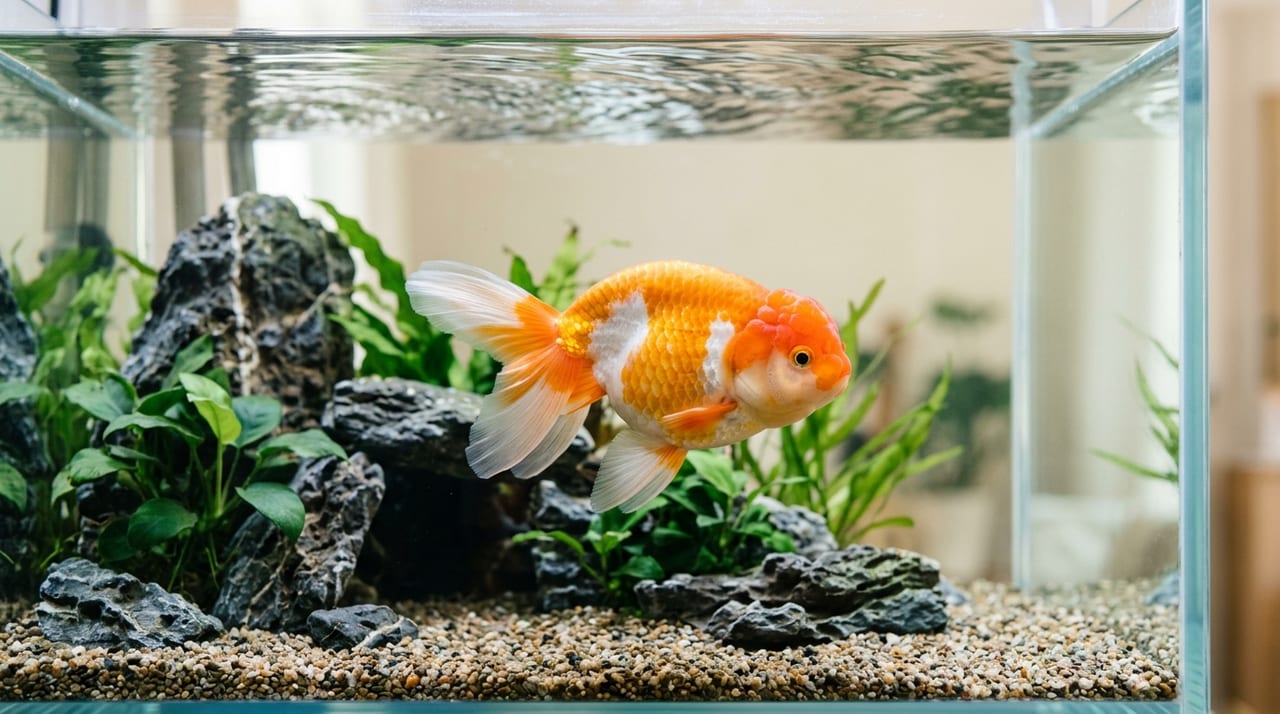
Explains the types of algae that grow in goldfish tanks (green, brown, blue-green, etc.), their causes, and safe removal methods. Introduces practical algae control approaches that combine lighting time adjustments, nutrient management, and physical removal methods.
Key Takeaways
Explains the types of algae that grow in goldfish tanks (green, brown, blue-green, etc.), their causes, and safe removal methods. Introduces practical algae control approaches that combine lighting time adjustments, nutrient management, and physical removal methods.
Related Species
When managing a goldfish tank, algae problems are an inevitable challenge. Small amounts of algae are part of the tank's natural ecosystem, but excessive growth not only looks unsightly but also signals water quality deterioration. Since the causes and solutions differ depending on the type of algae, identifying "which type of algae is present" is the key to resolution. This guide explains the types of algae most common in goldfish tanks and effective countermeasures.
Types of Algae Common in Goldfish Tanks
Brown Algae (Diatoms)
Characteristics: Brownish velvet-like texture that spreads thinly on glass surfaces, substrate, and rocks. Often appears during the initial cycling period (1–3 months) of a new tank.
Cause: High silica content in tap water and insufficient light.
Countermeasures: During the 1–3 month cycling period, it often diminishes naturally. Can be wiped away with a sponge. It has virtually no negative impact on goldfish health, and since the concern is primarily aesthetic, there is no need to worry excessively.
Green Algae
Characteristics: Forms a green film on glass surfaces, or appears as thread-like or spotty growth. Its presence is also a sign that the tank has matured, and small amounts are not problematic.
Cause: Lighting that is too strong (extended lighting period) and high nitrate concentration.
Countermeasures: Keep lighting time to 8 hours or less. Can be removed with a sponge.
Blue-Green Algae (Cyanobacteria)
Characteristics: Thin film ranging from blue-green to black in color, with a distinctive odor. Tends to appear near the water surface and substrate.
Cause: Eutrophication (high nitrate and phosphate levels) and areas with poor water circulation.
Countermeasures: The most difficult to remove. Physically remove from substrate and glass, and increase water change frequency. In severe cases, use commercial cyanobacteria removal products, but confirm their safety for goldfish before use. Improving water circulation by adjusting the filter outlet direction is also effective.
Black Beard Algae (Red Algae Species)
Characteristics: Grows as black hair-like tufts on rocks, driftwood, and filter media. The most difficult type of algae to remove.
Cause: Excessive phosphate and unstable CO2 supply (more common in planted tank environments).
Countermeasures: Apply wood vinegar directly with a high-output syringe or pipette, then remove it 1–2 minutes later (test a small amount in advance on a non-fish area).
Green Water (Water Cloudiness)
Characteristics: Rather than appearing on glass surfaces, the water itself becomes green and cloudy. More likely to occur in outdoor setups or areas exposed to direct sunlight.
Cause: Abnormal proliferation of floating plant plankton. Develops more readily when high nutrient levels and strong light occur simultaneously.
Countermeasures: Reduce light by blocking sunlight or relocating the tank, and perform frequent water changes as the basic approach. Direct harm to goldfish is minimal, but improved visibility makes observation easier.
Root Causes of Algae Proliferation
Algae proliferation always has a cause. Addressing the root cause is more fundamentally effective than treating symptoms.
Lighting Issues
- Lighting period is too long: 8–10 hours daily is the standard. Over 12 hours causes algae to proliferate explosively
- Direct sunlight hits the tank: Direct sunlight causes water temperature rise and rapid algae growth
Using a timer to automate lighting control alone resolves most algae problems.
Excess Nutrients (Nitrate and Phosphate)
Goldfish waste and uneaten food produce large amounts of nitrate and phosphate, which become nutrient sources for algae.
Countermeasures:
- Regular water changes (once weekly, about one-third of the tank volume)
- Avoid overfeeding (a critical point that directly connects to algae control)
- Regularly remove debris from the substrate using a gravel vacuum
Overstocking
The recommended water volume per goldfish is 10–20 liters. Overstocking makes water quality deteriorate more easily and increases algae growth.
Inadequate Filtration and Maintenance
Weak or clogged filter media fails to break down waste, which accumulates as an algae nutrient source. However, cleaning the filter too frequently washes away the beneficial bacteria responsible for filtration, so rinse filter media only in tank water and avoid complete replacement. Both filtration and water changes are important—maintaining a balance between the two is key rather than relying on one or the other.
Safe Algae Removal Methods
Physical Removal
Magnetic cleaner: A magnetic scraper allows you to clean glass surfaces without injury and can be safely used while goldfish are in the tank.
Scraper: A plastic scraper works well on stubborn algae. Avoid metal scrapers as they scratch glass.
Sponge/Melamine sponge: For light algae, simply wiping with a sponge during water changes is sufficient.
Toothbrush: Old toothbrushes are useful for areas that sponges and scrapers cannot reach easily, such as filter intake gaps and fine recesses on hardscape items.
Increased Water Changes
When algae blooms significantly, increase water change frequency to about double the normal rate to lower nitrate concentration. However, replacing a large amount of water at once causes sudden changes in water quality and temperature, stressing the goldfish. Ensure replacement water is dechlorinated and temperature-matched before adding it.
Combining Goldfish with Algae-Eating Organisms
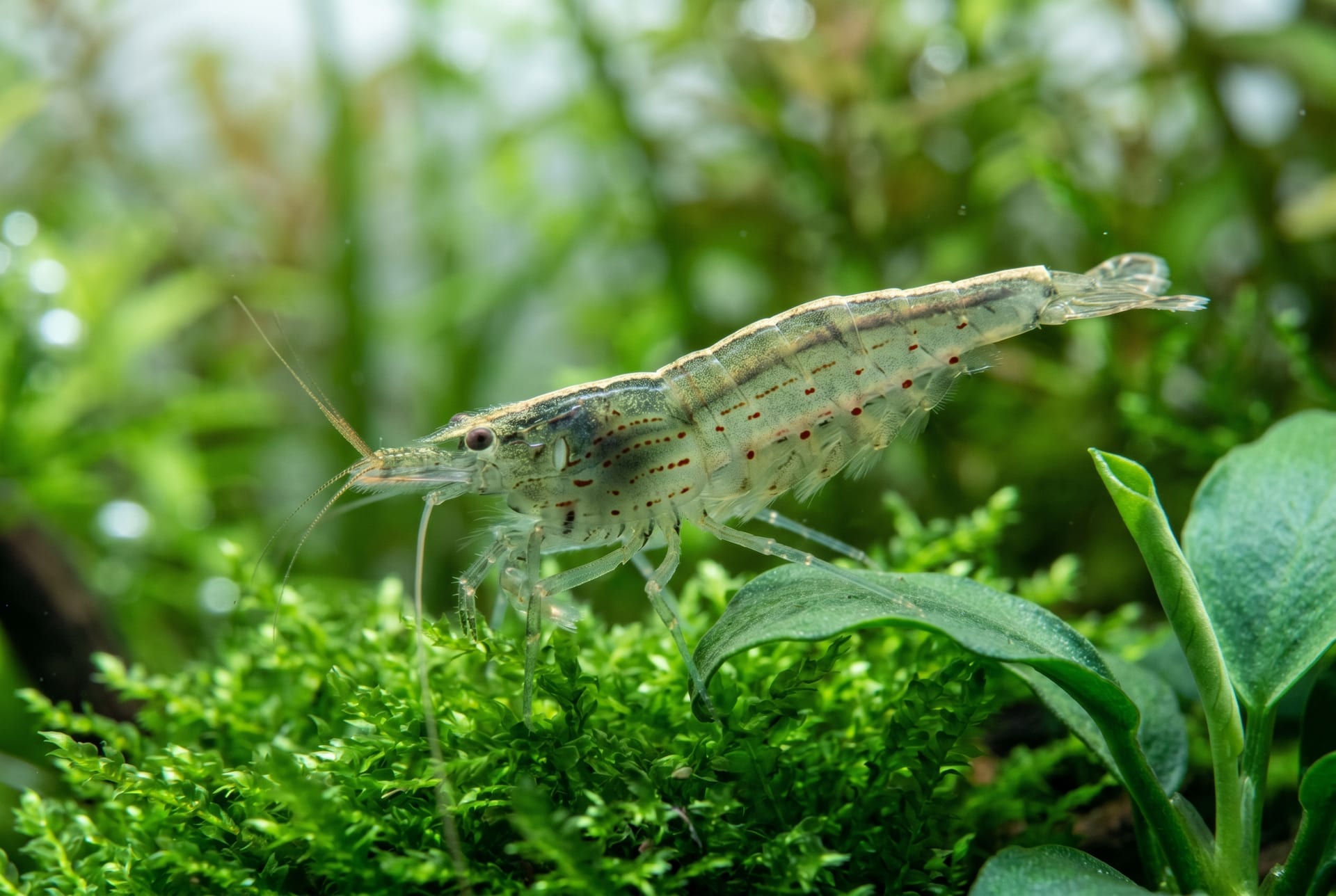
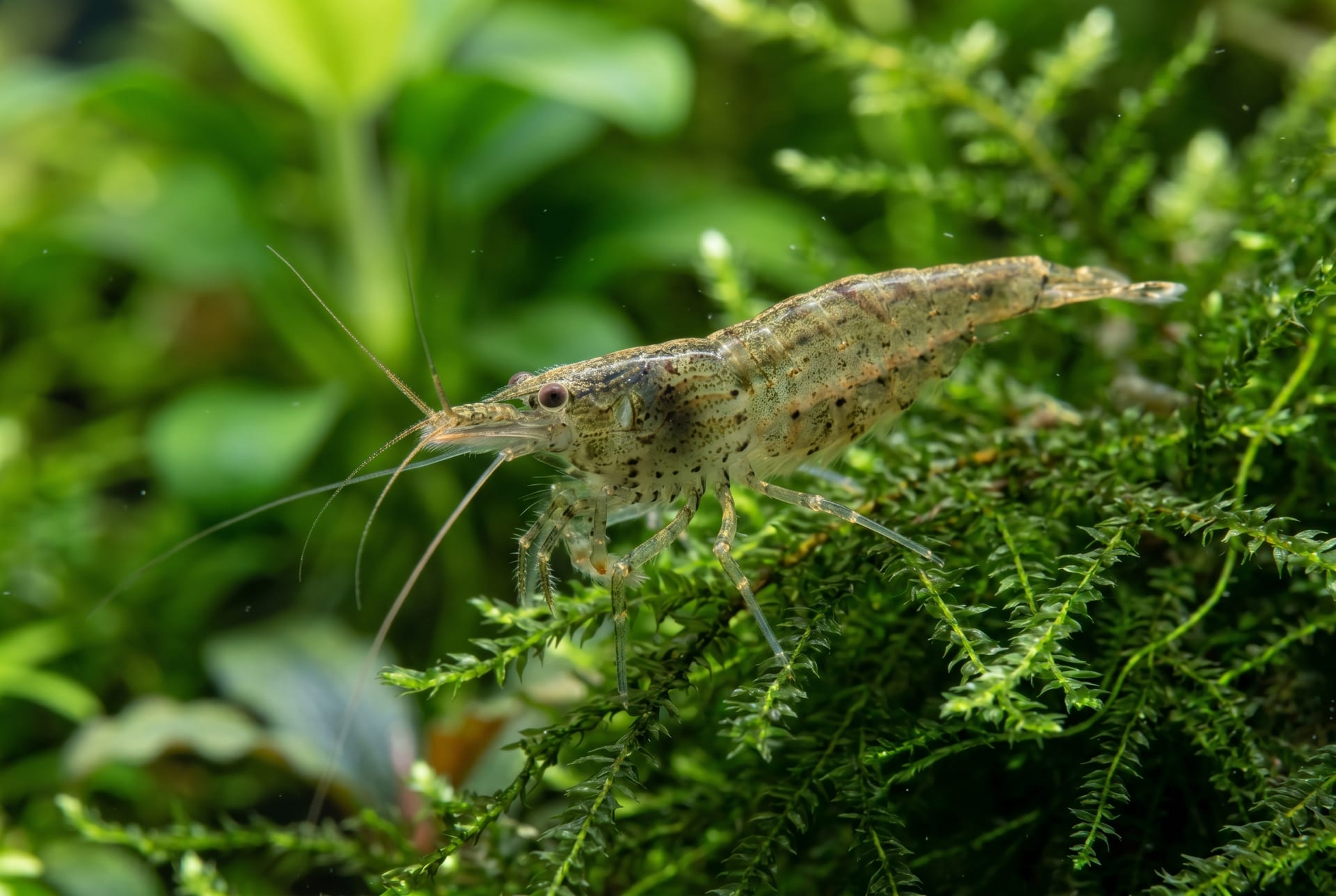
Mystery snails and pond snails eat algae, but risk being eaten by goldfish. Leaving the shell intact is preferable. Shrimp species (dwarf amano shrimp and larger amano shrimp) are often eaten by goldfish, making cohabitation difficult. Keep in mind that algae-eating organisms are only aids in reducing existing algae and cannot keep up if you neglect lighting and nutrient management.
Frequently Asked Questions About Algae Control
Do I need to clean the tank if I add algae-eating organisms?
No. While algae-eating organisms help by consuming algae, it will continue to grow unless you address root causes like lighting duration, feeding amount, and water change frequency. Think of such organisms as supplementary and always combine them with environmental management.
Can chemicals solve the problem quickly?
Chemicals may temporarily reduce visible algae, but if root causes like excessive lighting or nutrient levels remain, regrowth is likely. Begin by reviewing lighting, feeding, and water changes first, and consider chemicals as a last resort. If using them, start with small amounts while confirming safety for your goldfish.
Does algae mean the tank cycling failed?
Not necessarily. Brown algae in particular is a natural phenomenon that commonly appears during the initial cycling period and often settles with time. Rather than rushing to chemicals or excessive cleaning, monitor the situation and continue basic care.
Summary: Fundamentals of Algae Management
Goldfish tank algae control hinges on three basics: "managing lighting time," "appropriate feeding," and "regular water changes and substrate cleaning." Additionally, proper filter maintenance and identifying algae types to apply targeted solutions are important. These practices prevent and resolve most algae issues. Rather than overusing chemicals when algae appears, start with environmental improvements. At BreederDirect, you can consult directly with breeders about goldfish care questions.