Complete Guide to Multi-Pet Households — Safely Housing Different Species Together
Tips for multi-pet households: compatibility assessment, space design, and infection risk management.
Key Takeaways
Tips for multi-pet households: compatibility assessment, space design, and infection risk management.
Related Species
As you become more invested in animal keeping, the desire to "get one more" or "try a different species" naturally grows. However, keeping multiple animals is not as simple as just multiplying the equipment. This article covers the knowledge and techniques needed for successful multi-animal and multi-species households, from the perspective of experienced keepers.
Before Starting a Multi-Pet Household
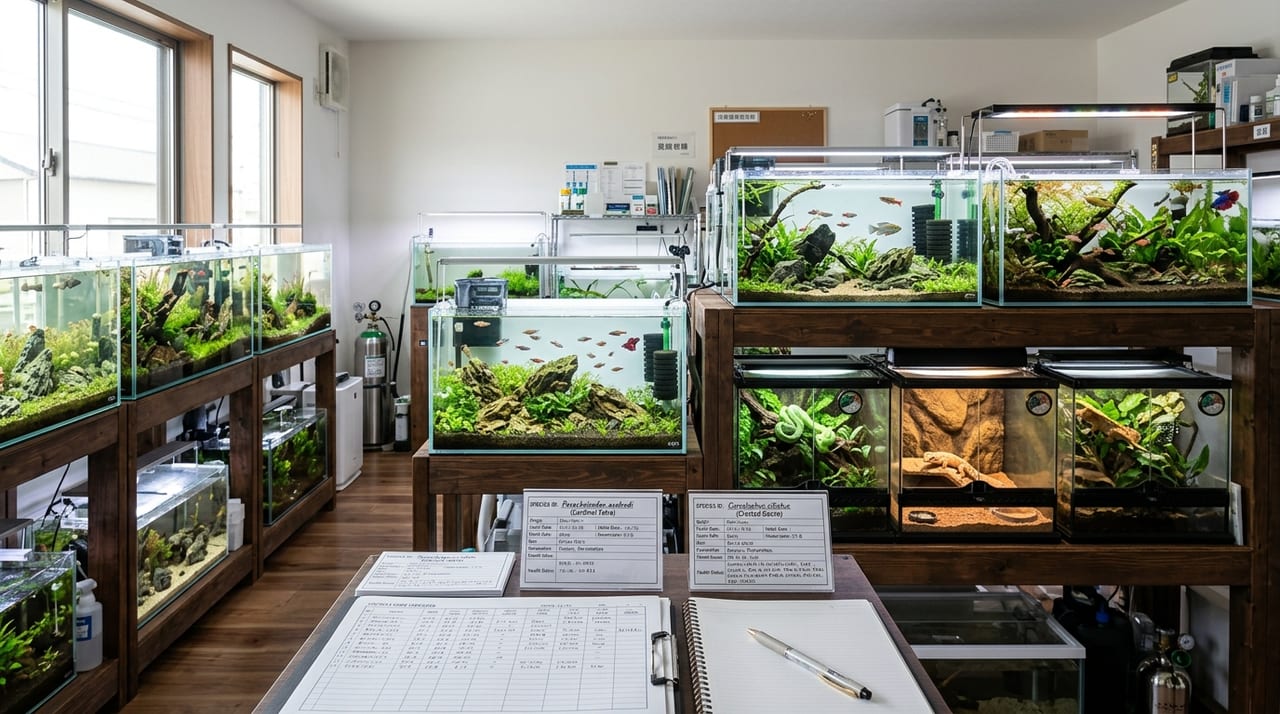
Before committing, objectively evaluate your current situation. The most important assessment is "capacity." For time: can you handle daily care, weekly maintenance, and emergency responses for additional animals on top of your current ones? For finances: can you budget for increased feed, electricity, consumables, and the often-overlooked veterinary costs? More animals proportionally increase the risk of sudden illness. For space: beyond the minimum space each animal needs, you also need room for maintenance work areas and spare isolation cages. Quarantine space is needed every time a new animal is introduced, so it should always be available.
Same-Species Multi-Animal Keeping
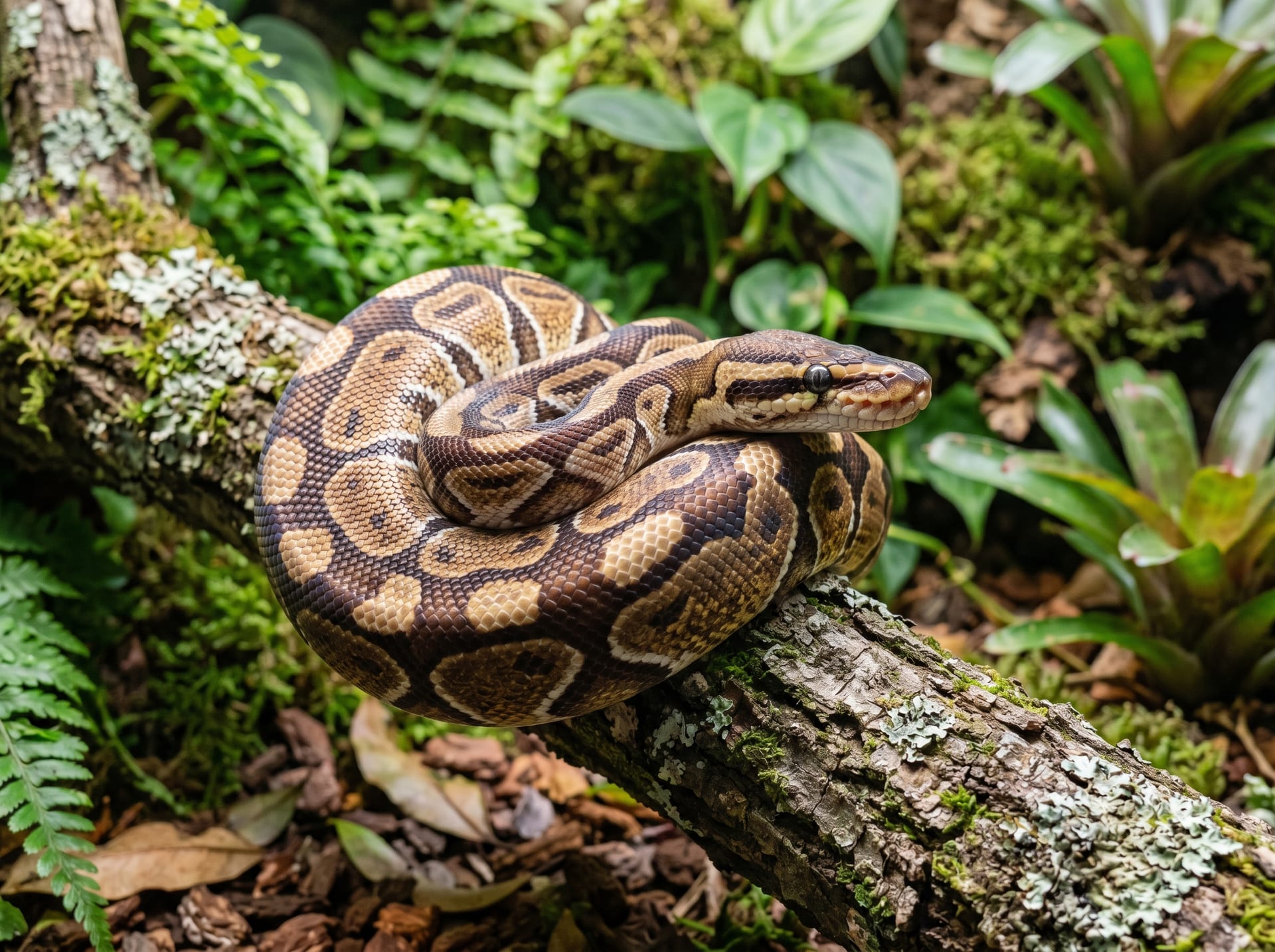
Even when keeping multiples of the same species, considerations vary by species. For leopard geckos, males fight aggressively and must never be housed together. Females may cohabitate, but size differences can cause the smaller individual to refuse food from stress. Individual housing is recommended unless breeding. For tropical fish, respecting species-appropriate stocking density is essential. The general guideline is 1 liter of water per 1 cm of body length, but territorial species (cichlids, etc.) require more. Overstocking directly leads to water quality deterioration and disease outbreaks. For ball pythons, solitary housing is the rule. Cohabitation risks cannibalism, and one individual commonly refuses food.
Mixed-Species Keeping: Compatibility and Considerations
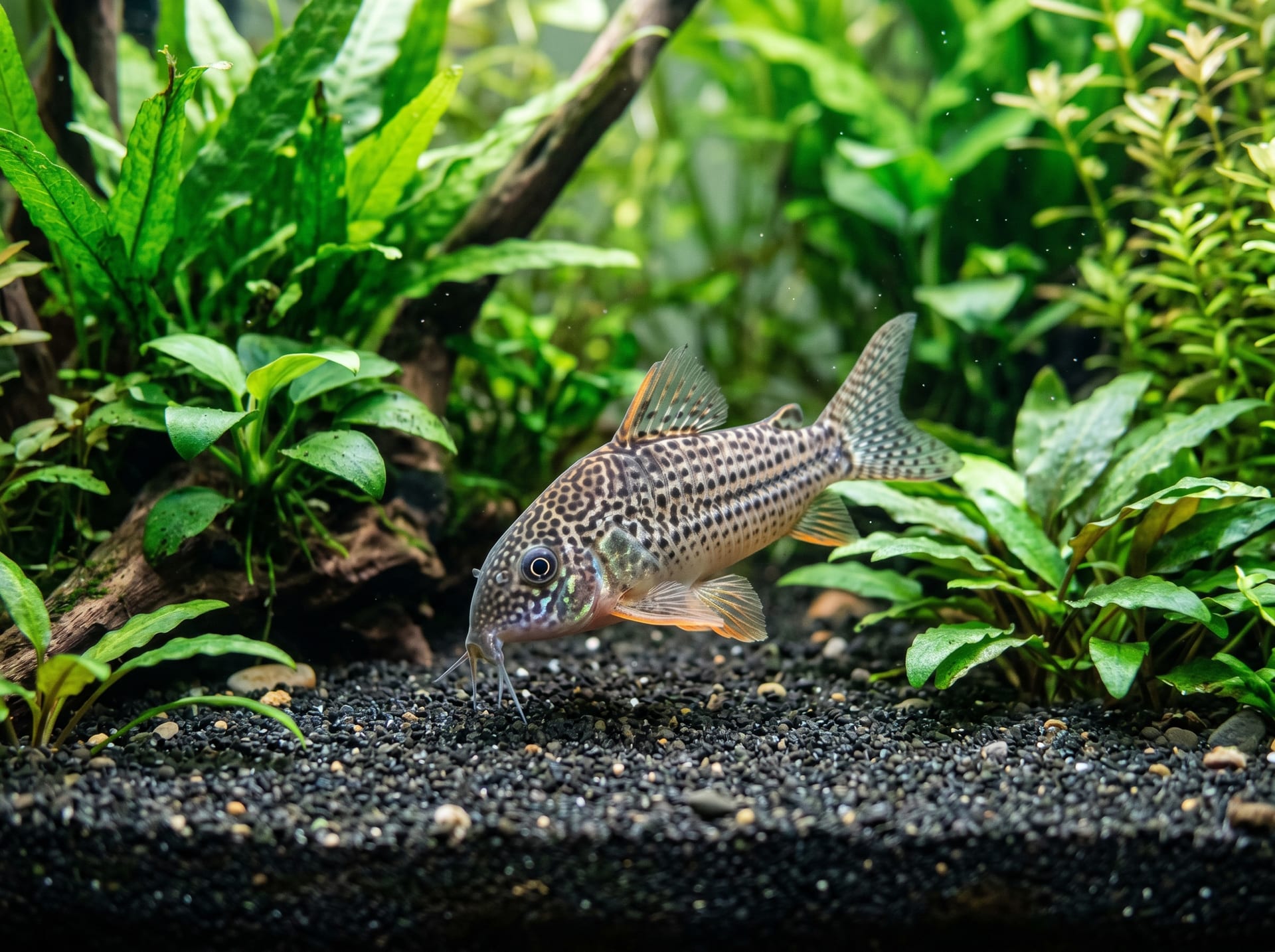
When housing different species together, compatibility assessment is critically important. Absolutely avoid combinations with predator-prey relationships: large fish with small fish, snakes with lizards, or carnivorous insects with small reptiles. Also avoid combining species from different habitats: matching one species' temperature and humidity requirements will stress the other. Relatively compatible pairings include cleanup crew organisms (hermit crabs, snails) with corals and marine fish, and peaceful small tropical fish together (tetras with corydoras). Even "compatible" combinations vary by individual, so observe closely after introduction.