French Bulldog Care Guide | Heat Management & Nutrition
A guide to French Bulldog care that addresses the many unique considerations for brachycephalic breeds. We provide detailed information on preventing heat stroke during summer months, nutrition management for maintaining ideal body condition, respiratory care considerations, and tips for choosing a reputable breeder.
Key Takeaways
A guide to French Bulldog care that addresses the many unique considerations for brachycephalic breeds. We provide detailed information on preventing heat stroke during summer months, nutrition management for maintaining ideal body condition, respiratory care considerations, and tips for choosing a reputable breeder.
Related Species


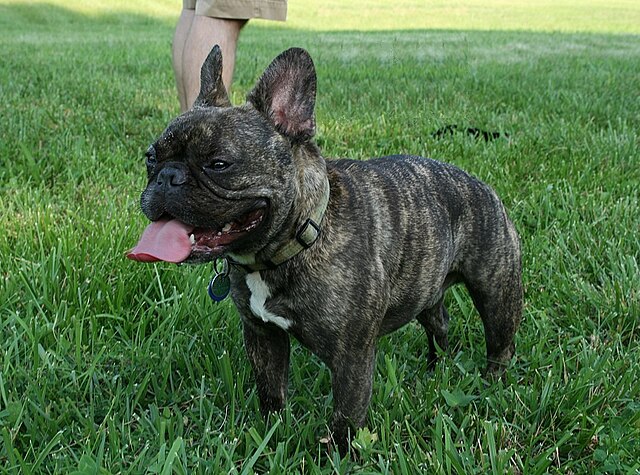
French Bulldogs captivate many people with their distinctive bat-like ears, expressive eyes, and adorable wrinkled faces. While they are gentle-natured, affectionate, and well-suited to apartment living in urban areas, understanding the specific health risks associated with brachycephalic breeds is the first step toward a long and healthy life together. This guide explains the fundamentals of French Bulldog care and daily maintenance in an easy-to-understand way for those bringing home their first Frenchie.
French Bulldog Basic Profile
The French Bulldog is a small breed originating from France, developed in the 19th century by refining the English Bulldog. Today, they are among the world's most beloved dog breeds.
- Weight: 8–14 kg (standard weight; weight management is important as they tend to gain weight easily)
- Lifespan: 10–12 years
- Temperament: Gentle, affectionate, and easygoing. They bond easily with children and other pets, and show affection to all family members
- Exercise needs: Moderate to low (aim for two short walks of 15–20 minutes each per day)
- Barking: Minimal, making them suitable for apartment living
Their easygoing nature and love of interaction make them popular with both single individuals and families. However, they can be clingy and may develop separation anxiety if left alone for extended periods. Consider how their needs align with your lifestyle before bringing one home.
Heat Management: A Life-or-Death Priority
In French Bulldog care, heat management is the most critical consideration. Brachycephalic breeds have shortened nasal passages and airways, making it difficult to lower body temperature efficiently through panting. As temperatures rise, they can develop heat stroke in just a short time.
Indoor Temperature Control
- Air conditioning is essential: Maintain room temperature at 26–27°C or below. Humidity below 60% helps create a comfortable environment
- Keep AC running even when away: Turning off the air conditioner to save electricity can be life-threatening
- Cooling accessories: Cooling mats and cooling vests provide added peace of mind
Walking Guidelines
- Summer walks in early morning or evening only: Avoid walking during hot hours (approximately 10 AM–5 PM)
- Watch out for hot pavement: Ground temperature can be 10–20°C higher than air temperature. If it feels hot when you hold the back of your hand on the ground for 5 seconds, skip the walk
- Don't forget water: Always offer water before and after walks, and carry a portable water bottle when going out
Signs of Heat Stroke
If you notice any of these symptoms, move your dog to a cool place immediately, cool their body with damp towels, and contact an animal hospital right away.
- Lethargy and immobility
- Excessive drooling
- Labored, wheezing breathing
- Pale or purple-tinged gums and tongue
Nutrition & Weight Management
French Bulldogs have hearty appetites and tend to gain weight easily. Obesity places stress on their entire body, but in brachycephalic breeds, compression of the respiratory system becomes particularly serious, making weight management directly linked to overall health.
Basic Feeding Guidelines
- Feeding amount: Approximately 200–250g per day for adult dogs (adjust based on body weight recommendations on food packaging)
- Feeding frequency: Divide into two meals per day (morning and evening) for better digestion
- Limit treats: Frequent snacking leads to obesity. If giving treats, deduct them from the daily food portion
How to Check Body Condition
The ideal body condition is when you can feel the ribs with only a thin layer of fat over them. If the ribs cannot be felt at all, your dog may be overweight. Weigh your dog regularly and adjust food portions if weight is increasing.
Foods to Never Give
The following foods are toxic to dogs. If your dog accidentally ingests any of these, consult a veterinarian immediately.
- Onions and related alliums (cause hemolytic anemia)
- Chocolate and cocoa (cause neurological symptoms and heart problems)
- Grapes and raisins (risk of kidney failure)
- Xylitol (causes hypoglycemia and liver failure)
Respiratory & Skin Care
Understanding Brachycephalic Obstructive Airway Syndrome (BOAS)
French Bulldogs commonly develop "Brachycephalic Obstructive Airway Syndrome (BOAS)," a condition where narrow nostrils and enlarged soft palate cause chronic breathing difficulty. Some snoring and heavy panting after exercise are normal, but the following symptoms warrant veterinary consultation:
- Labored breathing even at rest
- Frequent waking during sleep or pauses in breathing
- Prolonged difficulty breathing after exercise
In severe cases, procedures such as nostril expansion or soft palate removal can significantly improve the condition. If symptoms seem serious, consult a veterinarian specializing in brachycephalic breeds as soon as possible.
Using a harness instead of a collar for walks is also important, as neck compression can further obstruct breathing.
Wrinkle Care
The facial and body wrinkles that make French Bulldogs so charming are also places where dirt and moisture easily accumulate. Neglect can lead to skin inflammation and odor problems, so regular care is essential.
- 2–3 times per week, gently wipe the wrinkles with damp gauze or pet wipes
- Dry thoroughly after wiping (do not leave damp)
- If wrinkles appear red or have a strong odor, skin inflammation may be present; consult an animal hospital
Safety & Trust at BreederDirect
Because French Bulldogs carry significant health risks, choosing a reputable breeder is especially important. Respiratory health is difficult to assess by appearance alone, and the health status and living conditions of the parents greatly influence the puppy's future.
BreederDirect is a platform that connects breeders and buyers directly, implementing the following systems to ensure safe transactions:
- Direct breeder communication: Confirm parent health checks, BOAS screening status, and living conditions directly with the breeder
- Transparent information: Listing pages include detailed blood line information and health status. Photos and videos let you see the real puppy
- Payment after in-person inspection: Under animal welfare laws, puppies must be inspected in person and explained face-to-face before delivery. You can pay only after meeting the puppy in person and being satisfied
To make your life with a French Bulldog long and fulfilling, we recommend communicating thoroughly with the breeder before bringing your dog home. Find your healthy and unique French Bulldog companion at BreederDirect today.