Exercise Requirements by Dog Breed — Walking Duration & Activity Guidelines | ブリちょく
Dogs| ✍️ BreederDirect Editorial
Exercise Requirements by Dog Breed — Walking Duration & Activity Guidelines
Breed-specific exercise guidelines for dogs: recommended walking times from toy to giant breeds, effective indoor and outdoor activities by breed group, and signs of insufficient exercise.
Key Takeaways
Breed-specific exercise guidelines for dogs: recommended walking times from toy to giant breeds, effective indoor and outdoor activities by breed group, and signs of insufficient exercise.
Related Species
Exercise requirements for dogs vary greatly by breed. Insufficient exercise can lead to stress and behavioral problems, while excessive exercise puts strain on joints. Understanding the right amount of exercise for your dog and establishing appropriate exercise habits form the foundation for a healthy and happy life.
Exercise Requirements and Walking Guidelines for Small Breeds
Small dogs are often thought to require less exercise due to their small size, but the actual needs vary by breed.
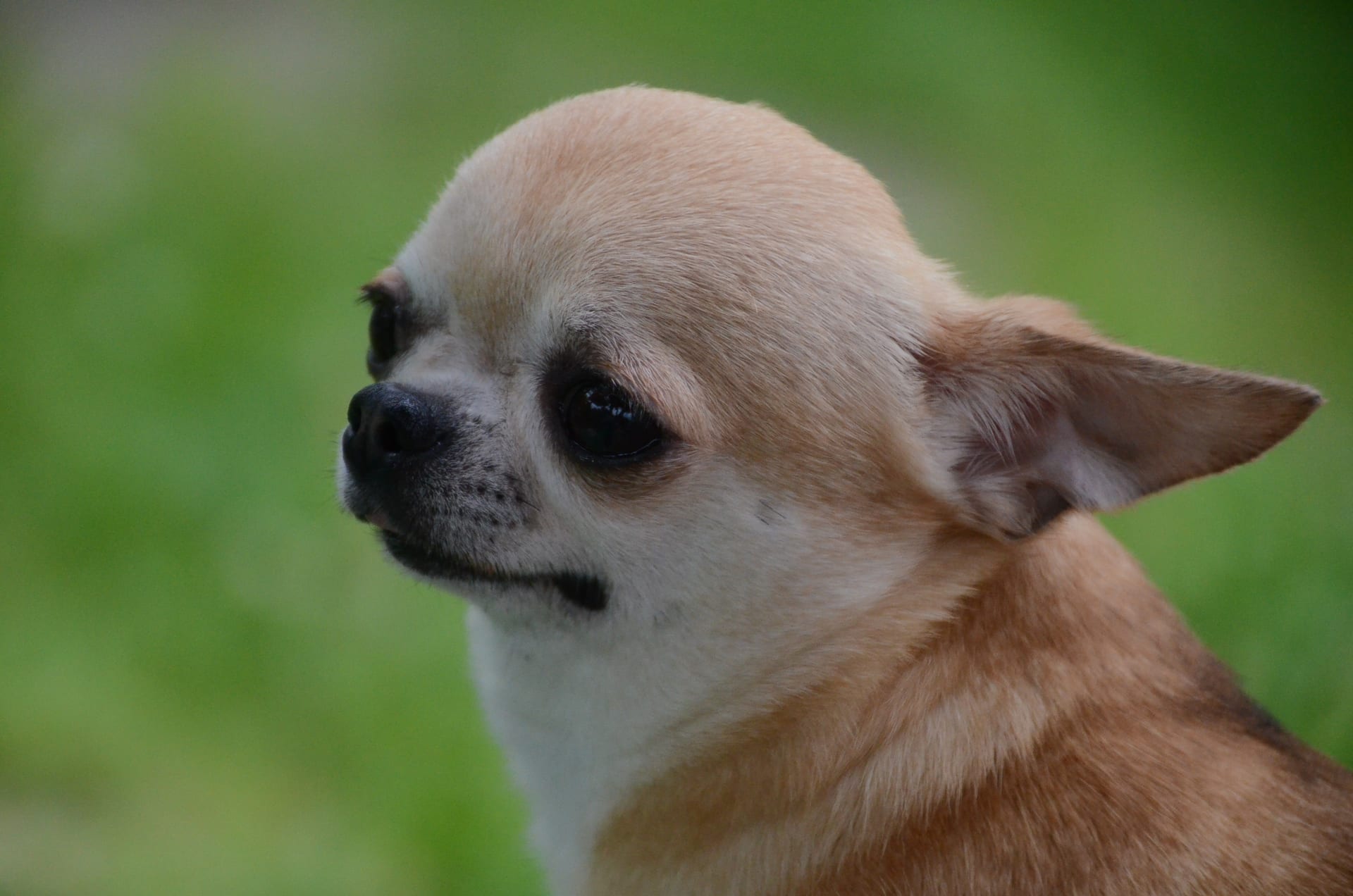
Chihuahuas and Pomeranians: 20-30 minutes of daily walks is sufficient. Since they are sensitive to heat and cold, adjust the duration according to the season.
Toy Poodles: An active breed. In addition to 30-40 minutes of daily walks, incorporate mentally stimulating play.
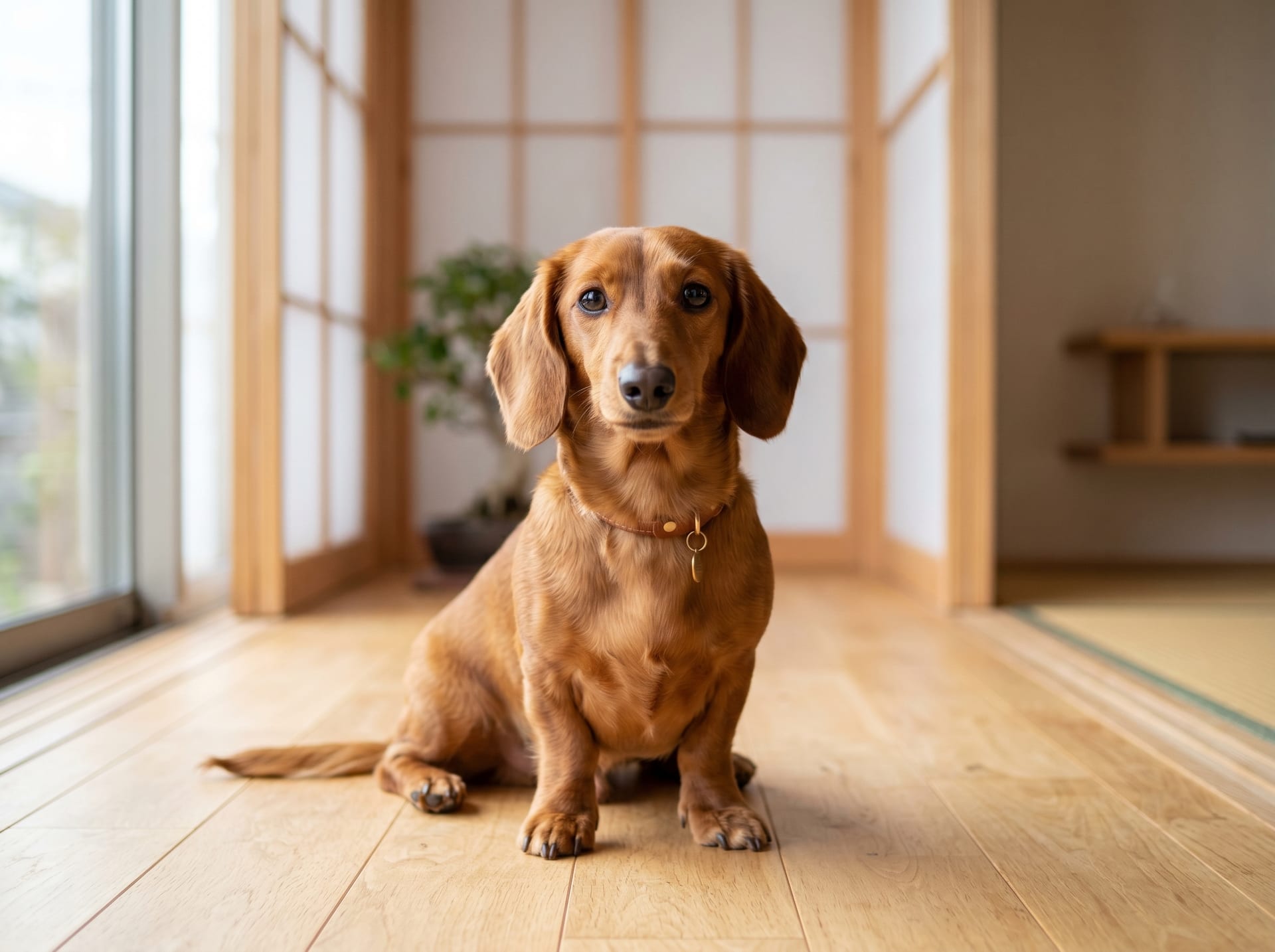
Miniature Dachshunds: Originally hunting dogs. They require 30-40 minutes of daily walks. However, to protect their backs from strain, avoid stairs and steps.
Yorkshire Terriers: Active due to their terrier temperament. Ideally, combine about 30 minutes of daily walks with indoor play.
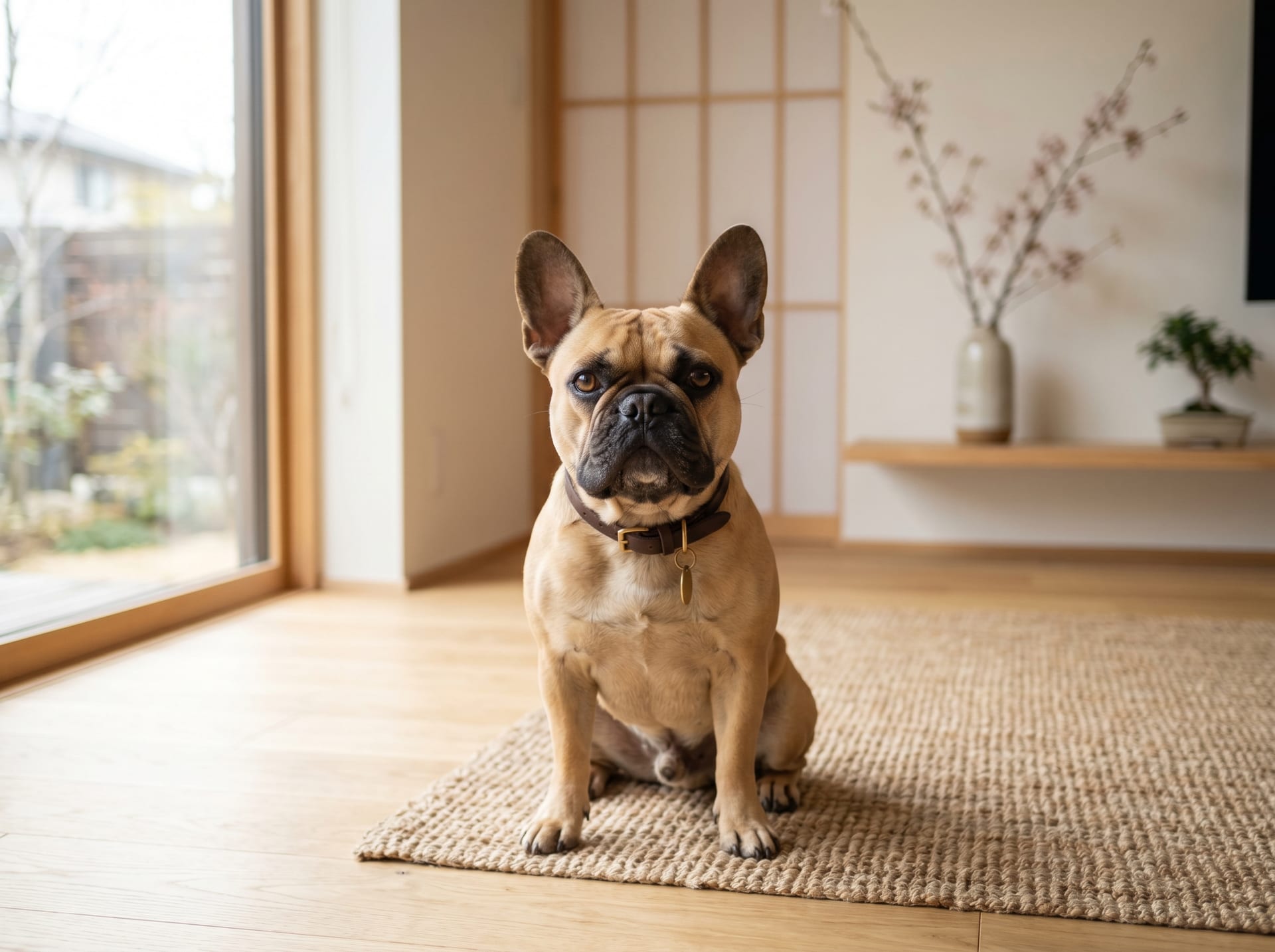
Pugs and French Bulldogs: Short-faced breeds face respiratory strain, so limit walks to 20-30 minutes of gentle daily walking. In summer, restrict walks to early morning or evening when it's cooler.
Exercise Requirements for Medium and Large Breeds
For medium-sized dogs and larger, free play time is as important as scheduled walks.
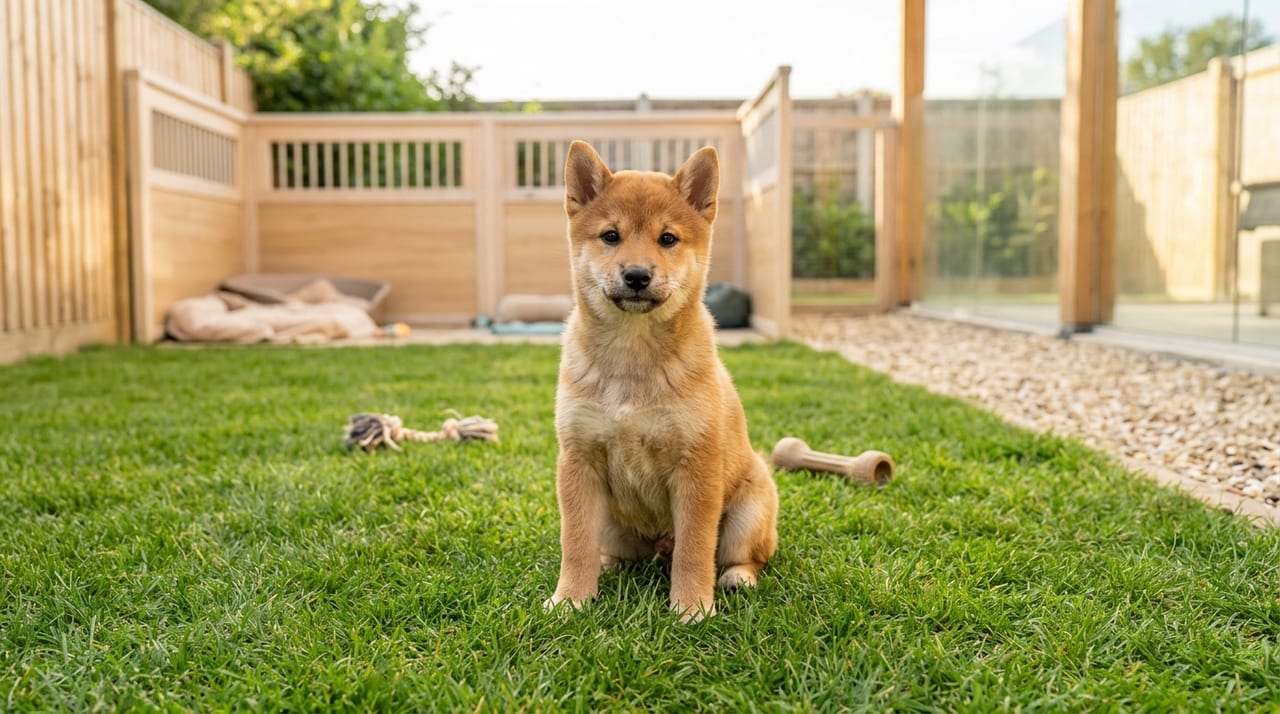
Shiba Inu: 40-60 minutes of daily walks. Independent and disliking routine walks, vary the route to provide mental stimulation.
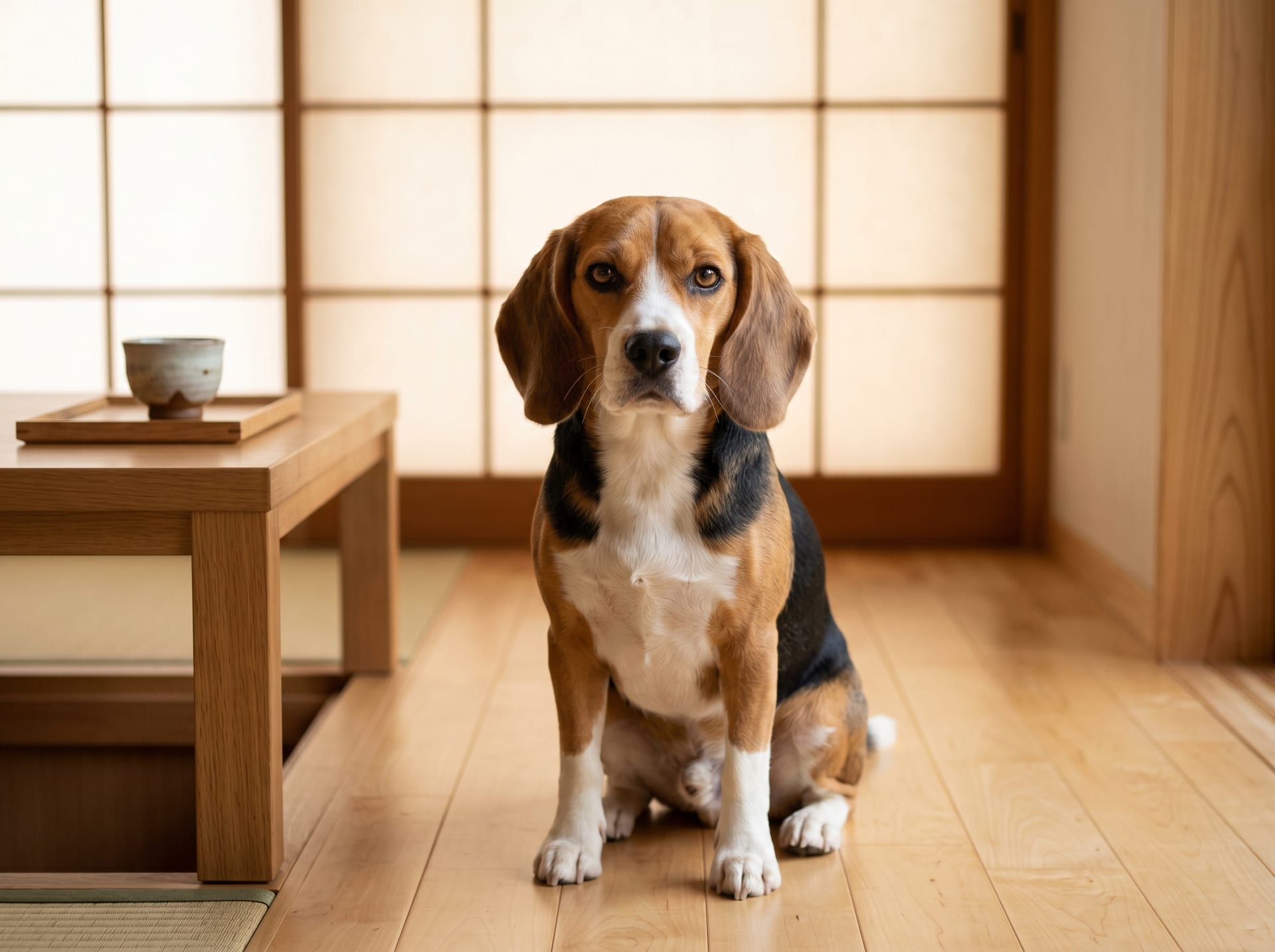
Beagles: Scent hounds with strong exploratory instincts. They require over 60 minutes of daily walks. Nose work is also effective.
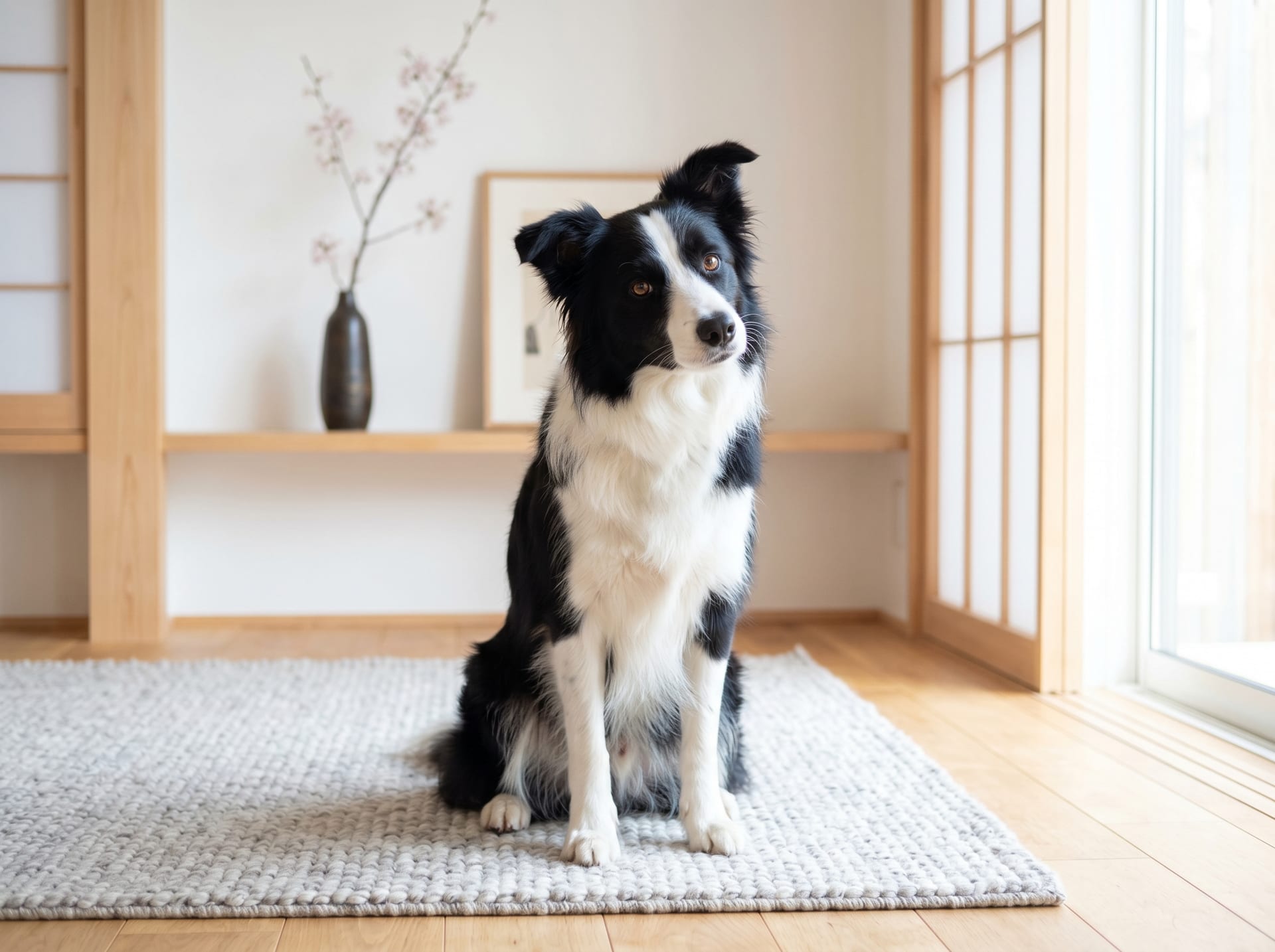
Border Collies: One of the breeds requiring the most exercise. Ideally, 90 minutes to 2 hours of daily activity plus sports like agility or frisbee.
✍️
BreederDirect Editorial
The BreederDirect editorial team specializes in care information for animals, covering veterinary care and breeding to deliver beginner-friendly guides.
Find Dogs on BreederDirect
Buy directly from verified breeders
Browse Related Listings
Find Dogs listings related to this article on BreederDirect. Buy directly from verified breeders.
Labrador Retrievers: 60-90 minutes of daily walks. Since they are excellent swimmers, water play is also great exercise.
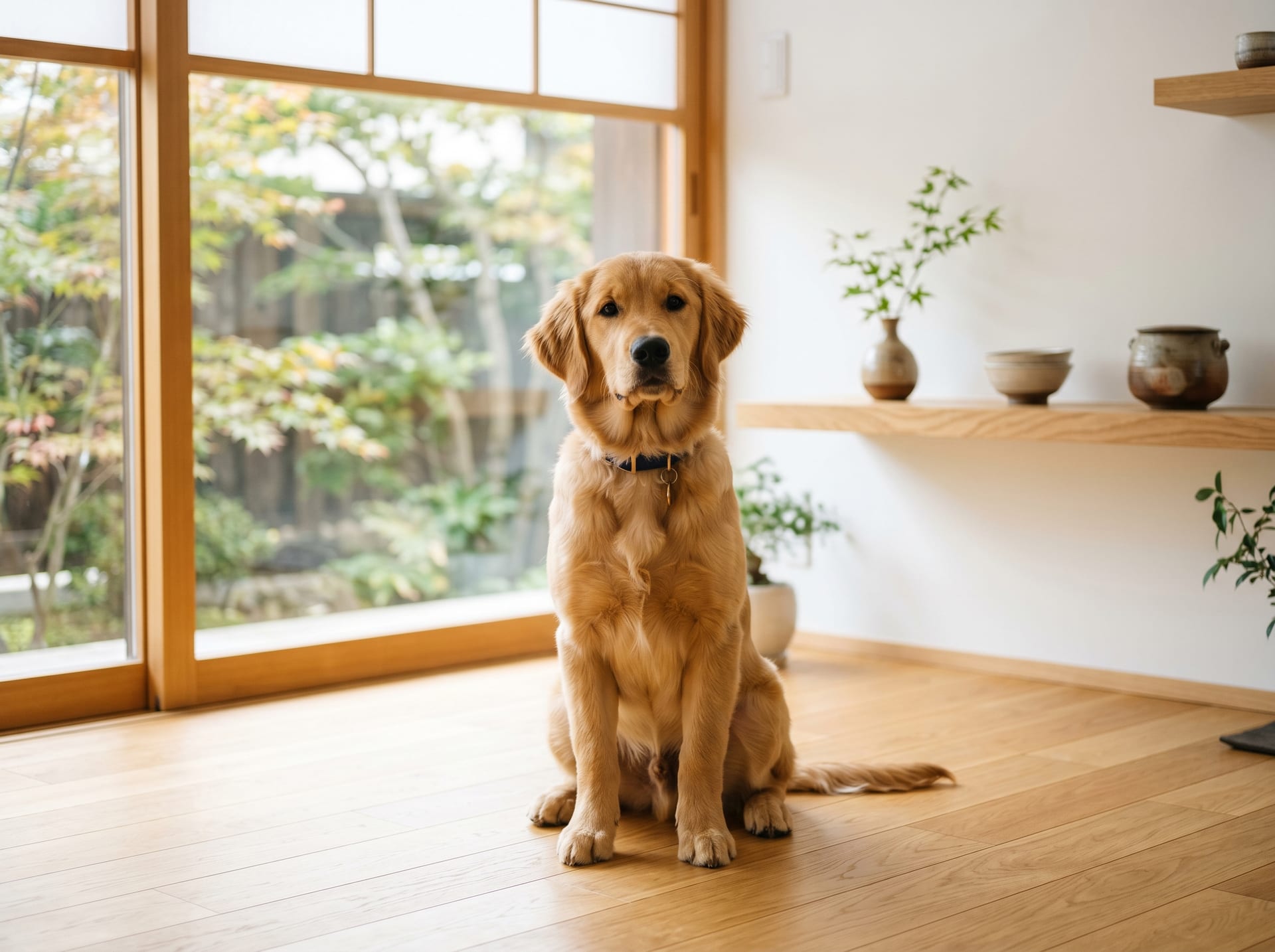
Golden Retrievers: Similarly, 60-90 minutes daily. They enjoy fetch games like ball throwing and frisbee.
Siberian Huskies: 90 minutes to 2 hours daily. Since this breed is built for running, jogging and canicross (pulling while running) are ideal.
Adjusting Exercise by Age
Even within the same breed, appropriate exercise levels change with age.
During puppyhood, a good rule of thumb for a single walk is the pup's age in months multiplied by 5 minutes. For a 3-month-old, aim for about 15 minutes, and for 4 months, about 20 minutes. Developing joints are not yet fully formed, and excessive exercise can cause growth disorders. Especially for large breeds, avoid jumping and long-distance running until around 1.5 years of age when growth plates close.
During adulthood, ensure your dog gets the breed-appropriate amount of exercise. Once they enter their senior years after 7-8 years old, gradually reduce distance and duration while matching their pace. However, don't eliminate exercise; instead, maintain muscle strength by breaking walks into multiple short sessions. If your dog has joint problems, consult your veterinarian about low-impact exercises like swimming or water aerobics.
Indoor Exercise and Mental Stimulation
On days with bad weather or when you can't go outside, supplement with indoor exercise and mental stimulation.
Nose work: Hide treats around the room and let your dog search for them. Scent-based activities consume more energy than physical exertion alone.
Tug-of-war: Use rope toys for pulling games. When done with clear rules, it also serves as obedience training.
Puzzle toys: Stuff Kongs or puzzle feeders with food. Utilize mealtime for mental enrichment.
Indoor training: Repetitive practice of commands like "sit," "down," and "stay," or teaching new tricks. 10-15 minutes of training depletes concentration.
Stairs: For adult dogs without joint issues, stair climbing provides good vertical exercise.
Signs of Insufficient and Excessive Exercise
You can judge whether your dog's exercise level is appropriate by observing their daily behavior.
Signs of insufficient exercise include furniture chewing, increased barking, restlessness, and weight gain. If your dog remains excited even after a walk, they likely need more exercise. Conversely, signs of excessive exercise include sitting down during walks, limping, lethargy the next day, and pain when joints are touched.
The ideal state after exercise is moderately tired and relaxed. If your dog drinks water upon returning home, rests for a while, and then resumes normal activity, that's the right amount of exercise.
With br-choku, you can directly consult with breeders who are knowledgeable about the exercise needs of each breed. By receiving advance advice on the exercise requirements of breeds you're considering and guidance on selecting a breed suited to your living environment, you can prevent mismatches.