Dog Adolescence (6–18 Months): Training Guide | Behavioral Problems During the Rebellious Phase and Effective Training Methods
What is Dog Adolescence? Dogs go through a developmental stage called "adolescence" between 6 and 18 months of age.
Key Takeaways
What is Dog Adolescence? Dogs go through a developmental stage called "adolescence" between 6 and 18 months of age.
Related Species



What is Dog Adolescence?
Dogs go through a developmental stage called "adolescence" between 6 and 18 months of age. Like humans, this period involves rapid hormonal shifts and significant changes in physical, behavioral, and mental aspects. During this time, puppies may stop responding to commands they learned, suddenly display aggression, or attempt to escape—leaving owners feeling that their once-easy-to-raise puppy has suddenly become difficult to manage.
These changes are not problem behaviors but rather a normal developmental process. Understanding the characteristics of adolescence and maintaining consistent training is key to preserving a good relationship.
Major Behavioral Changes Seen During Adolescence
Ignoring Commands Puppies may stop responding to commands like "sit," "stay," or "come," or may not obey unless the command is repeated several times. This is less about defiance and more a result of increased independence and heightened attention to environmental stimuli (smells, moving objects).
Increased Escape Attempts and Exploratory Drive Male dogs in particular are strongly attracted to the scent of females in heat and may attempt to climb fences or pull forcefully on the leash during walks.
Beginning of Marking Behavior Male dogs begin "marking" by urinating on fire hydrants, grass, and objects. If considering neutering, it is most effective to do so before marking becomes a habit.
Overexcitement and Biting During play, adolescent dogs may become overly excited and lose control, or exhibit increased jumping and lunging at other dogs and people.
Temporary Increase in Fearfulness During the second adolescence phase (around 8–11 months), a "fear period" may reappear. Dogs may suddenly become fearful of previously socialized places, objects, or other dogs.
Consistency in Training is Most Important
The most important thing with adolescent dogs is to maintain consistent rules and never abandon commands.
Maintain Positive Reinforcement Increasing punishment, scolding, or physical control due to disobedience during adolescence often backfires. Continue using positive reinforcement methods with treats, play, and praise.
Short, Frequent Training Sessions During adolescence when attention spans are shorter, conducting 3–5 short sessions of 3–5 minutes each per day is more effective than one 15–20 minute session. Building success experiences reinforces the learning that "following commands leads to good things."
Don't Punish Failure Scolding loudly when a dog fails to obey creates fear and avoidance of training itself. The most effective response is to remain calm and temporarily discontinue training.
Managing Walks and Exercise
Adolescent dogs have excess energy, and insufficient exercise can worsen problem behaviors.
Adequate Physical Exercise Depending on breed and individual, a guideline is 60–90+ minutes of aerobic exercise daily. Off-leash running at a safe dog park or sniff walks with a long lead are effective.
Mental Stimulation Mental activities such as nose work, Kong toys, and puzzle toys provide fatigue equivalent to physical exercise. These are effective in calming adolescent overexcitement.
Addressing Leash-Pulling Habits If pulling becomes severe, consider switching to a harness (H-type or Y-type) or a no-slip collar. The "stop and turn" method—changing direction the moment the leash is pulled—can improve this behavior with consistent practice.
Breed-Specific Adolescence Characteristics
The intensity and duration of adolescent behavior varies by breed.
Large Breeds (Golden Retrievers, Labradors, etc.) Large breeds mature slowly and may remain in adolescence until 18–24 months. As their body size increases, their pulling strength increases; therefore, leash manners should be well-established before adolescence begins.
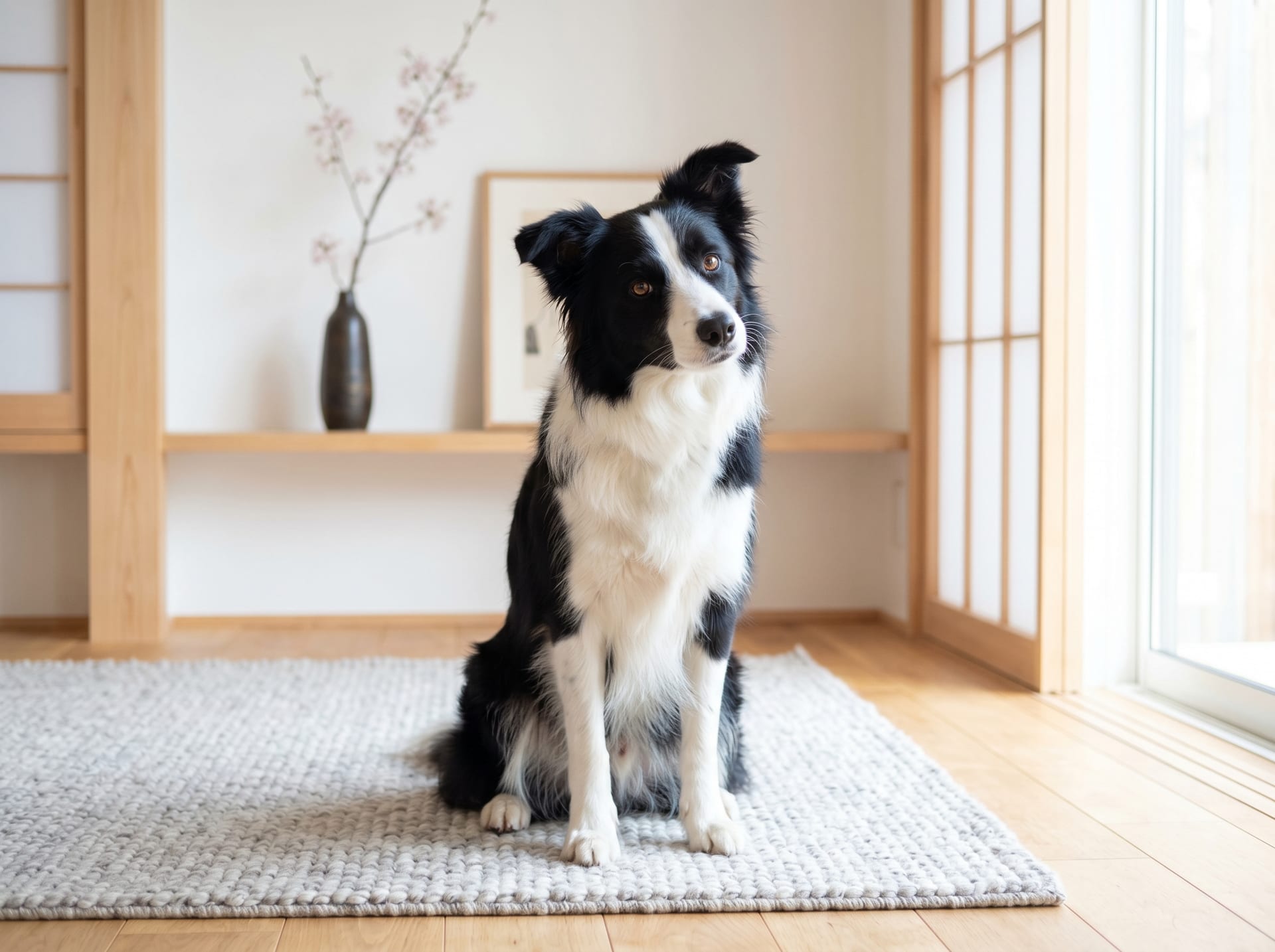
Medium Breeds (Border Collies, Spaniels, etc.) Due to their higher intelligence, boredom and frustration during adolescence often manifest as destructive behavior. Adequate mental stimulation (training, nose work, ball play) is essential.
Small Breeds (Chihuahuas, Miniature Dachshunds, etc.) Though their size is small, the impact of their problem behaviors can be significant. Excessive barking, biting, and persistent marking are common and, if left unaddressed due to their small size, become difficult to correct in adulthood.
When Does It End?
Adolescent behavioral changes typically settle down by 18–24 months of age. Large breeds tend to mature more slowly than small breeds. Dogs that receive consistent training during this period display stable behavioral patterns in adulthood.
Getting through the challenging adolescence period together deepens the bond of trust between dog and owner. Approaching this period not as a trial to overcome but as a time to grow together is essential.