Complete Guide to Dechlorinating Tap Water | How to Prepare Safe Aquarium Water
Explanation of chlorine removal methods. Introducing comparisons of liquid neutralizers, standing method, and water filters.
Key Takeaways
Explanation of chlorine removal methods. Introducing comparisons of liquid neutralizers, standing method, and water filters.
Related Species
When introducing fish or shrimp to an aquarium, the first obstacle every aquarist faces is "how to prepare aquarium water." Many people wonder "shouldn't I just use tap water as-is?" but this is actually extremely dangerous for your organisms. Chlorine (chloramines) and related substances in tap water possess toxicity that threatens the lives of fish and shrimp.
This article explains everything from the necessity of dechlorination to specific methods and strategies for handling water quality that varies by region, in detail so that even beginners can implement immediately.
The Serious Impact of Chlorine on Aquatic Life
Chlorine is added to tap water to remove bacteria and pathogens, making it safe for humans to drink. However, for aquarium organisms, this chlorine acts as a powerful poison.
Effects on Fish
Fish absorb oxygen from water through their gills. Chlorine directly damages gill cells and destroys mucous membranes. In mild cases, it causes breathing difficulties and body surface erosion, and with high concentrations or prolonged exposure, fish can die within hours. Small fish and fry are particularly vulnerable due to their small body size and require special attention.
Effects on Shrimp
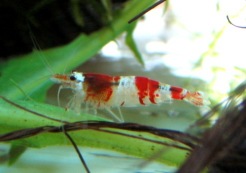
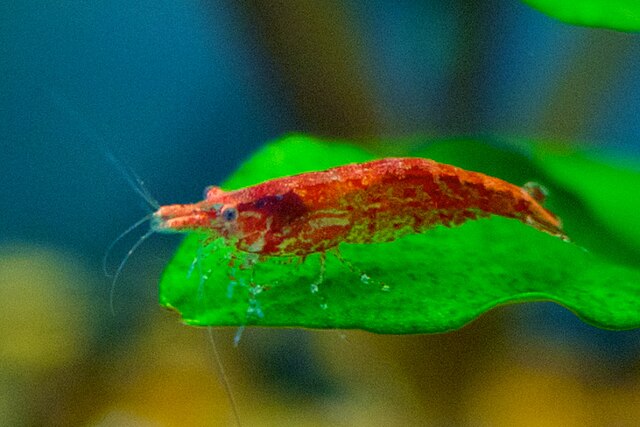
Shrimp are even more sensitive to water quality changes than fish. Small shrimp species like bee shrimp and cherry shrimp can suffer fatal damage from even trace amounts of chlorine. Many cases of "shrimp suddenly dying after a water change" are due to insufficient dechlorination. When keeping shrimp, extra careful treatment is necessary.
Effects on Bacteria
Often overlooked is the impact on "beneficial bacteria" that colonize the filter. The nitrifying bacteria that decompose ammonia and nitrite are essential to the biological filtration of the tank. Repeatedly changing water with tap water that hasn't been dechlorinated will kill these bacteria and cause sudden water quality deterioration.
Effects on Aquatic Plants
High concentrations of chlorine damage leaf cells in aquatic plants. Delicate stem plants and shade-loving plants in particular may experience leaf melting or die-back.