What Are Coral Frags? Essential Knowledge for Breeders
Coral frags (Frag, fragments) are small pieces cut from a parent colony. When properly cultivated, they grow into independent colonies and become sellable specimens. Frag sales are the most accessible revenue stream for coral breeders and are easy to start as an extension of marine aquarium keeping.
As you begin your activities as a breeder, the first thing to understand is "what are you selling?" Frags are not merely coral fragments. They are healthy specimens raised under proper care. Buyers pay for their quality and the fact that they were cultivated by a trustworthy breeder.
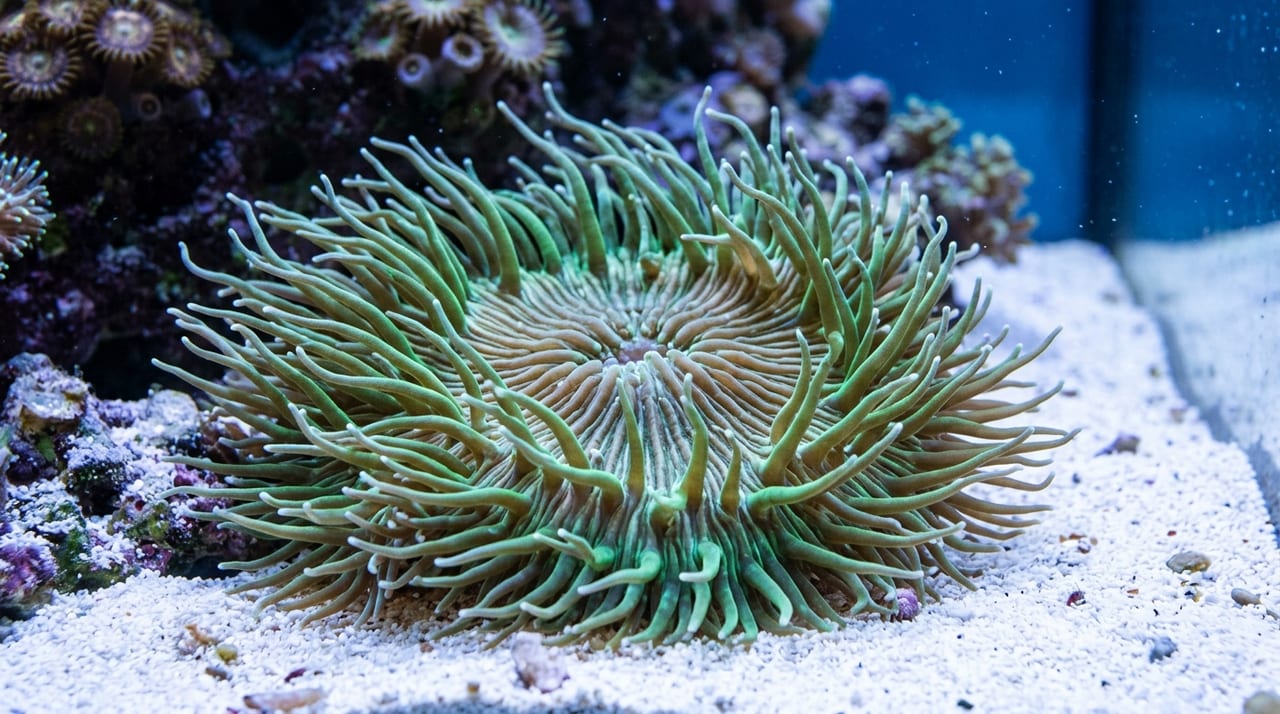
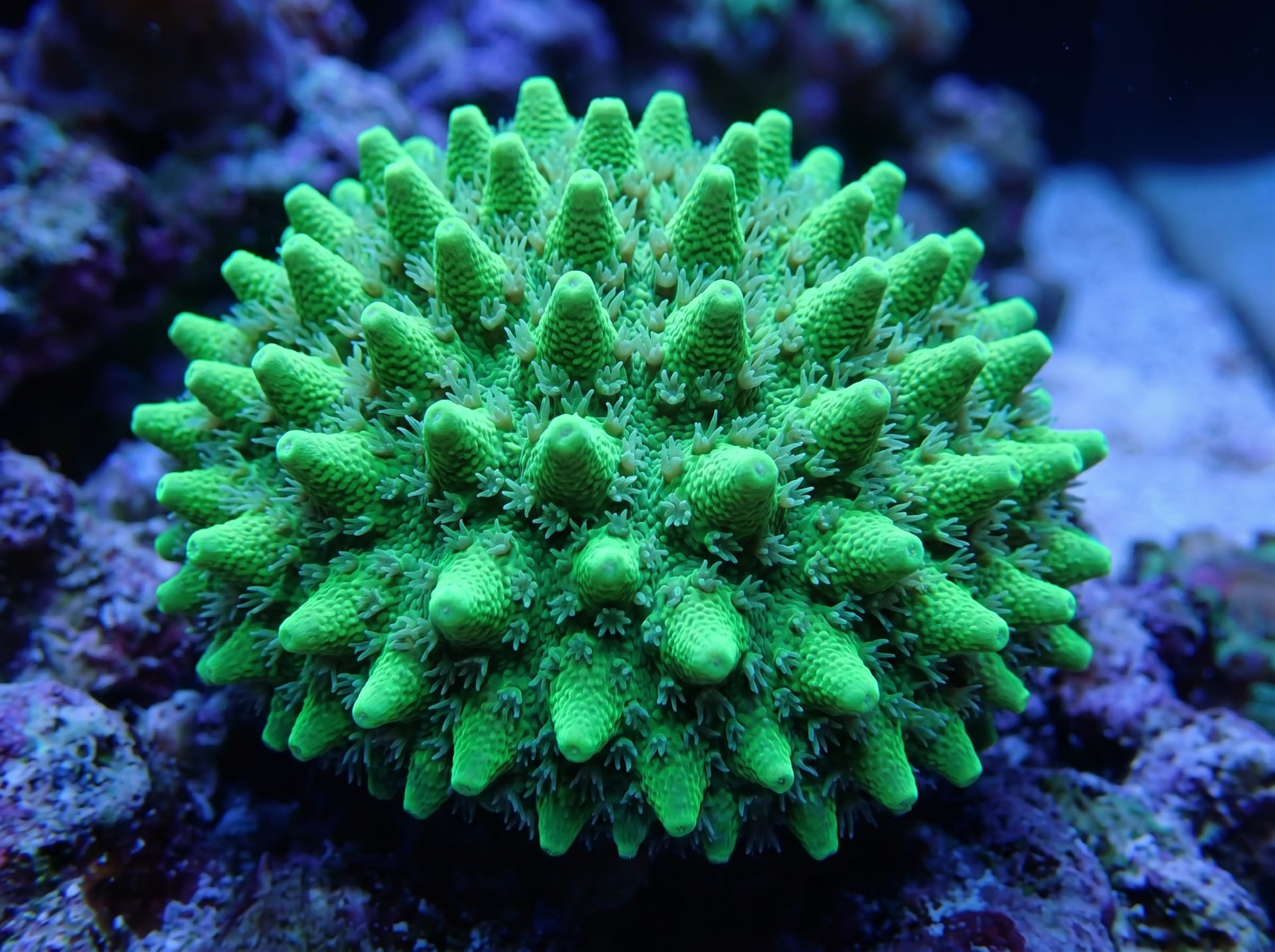
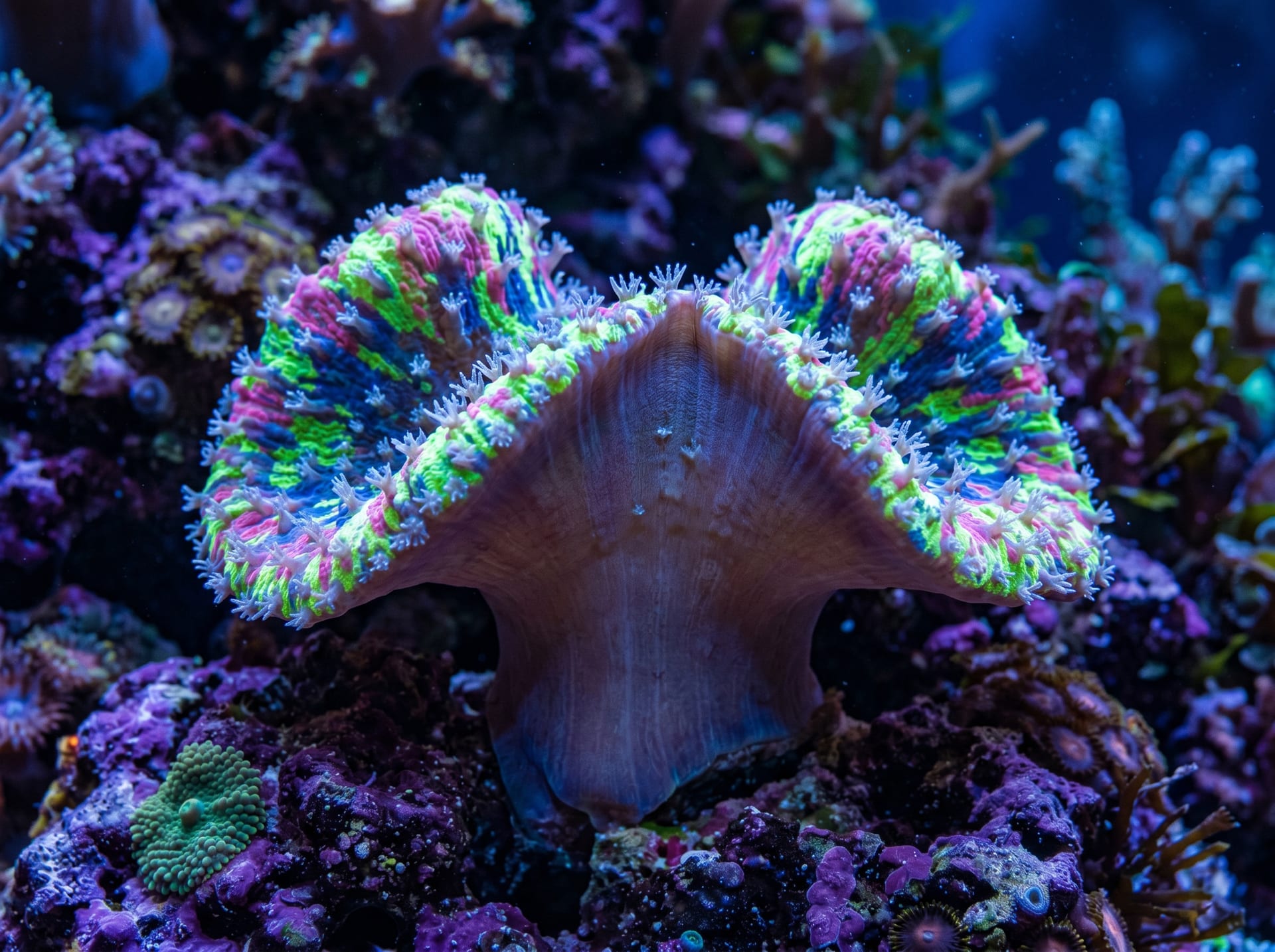
Soft corals (mushroom corals, octopus branch corals, etc.) are relatively easy to propagate by simply cutting them, making them suitable for beginner breeders. LPS (plate corals, brain corals, etc.) grow slowly, so they command higher prices and are better suited for intermediate and advanced breeders. SPS (Acropora, branching corals, etc.) require high-level water quality management, but they have strong collector demand and higher unit prices. Starting with a category that matches your equipment and experience is the fastest path to success.
---
Cutting frags is straightforward if you follow the correct procedure. Having the necessary tools on hand significantly improves work efficiency and specimen survival rates.
Required Tools
- Bone scissors or diamond cutter (for SPS)
- Scissors (for soft corals)
- Frag plugs (ceramic is standard)
- Coral adhesive (cyanoacrylate-based)
- Work bucket (using aquarium water)
- Rubber gloves (to protect mucus layer)
Cutting Procedure
- Select a healthy parent colony: Avoid cutting during periods of poor condition or immediately after water changes. Only cut from individuals in stable condition.
- Use clean tools: After alcohol disinfection, rinse with aquarium water before use.
- Cut quickly: To minimize damage to the colony, cut decisively in one motion. Keep cut frags submerged in water.
- Secure to frag plug: Use only a minimal amount of adhesive. Too much will clog polyps and delay recovery. After application, hold in air for about 30 seconds to cure, then return to water.
- Let recover in isolation: Freshly cut frags should not immediately go into the main tank. Observe them in isolation for several days to a week before moving to the main tank.
SPS corals secrete abundant mucus, so gently blowing them after cutting removes excess mucus and speeds attachment. Acropora-type corals have hard skeletons, so using a diamond cutter produces a clean cut surface and faster healing.
---
Setting Up and Managing a Cultivation Tank: Maintaining Sale-Ready Quality
To raise frags to "sale-ready quality," it's ideal to set up a dedicated cultivation tank (frag tank). Keeping them in the main tank makes them susceptible to problems affecting other residents and complicates management.
Basic Frag Tank Setup
- Size: 60–90cm tanks are easy to work with
- Lighting: LED capable of maintaining moderate PAR levels (200–350 μmol/m²/s). Choose energy-efficient, low-heat options
- Water flow: Apply from multiple points to reach all frags evenly. A wave maker is effective
- Filtration: A combination of sump + protein skimmer is most stable
- Frag rack: Rack-type systems suspended in the water are easiest to manage
Target Water Quality Parameters
| Parameter | Target Value |
|---|
| Specific Gravity | 1.025–1.026 |
| Temperature | 25–26°C |
| pH | 8.1–8.3 |
| KH (Carbonate Hardness) | 8–10 dKH |
| Calcium | 400–450 ppm |
| Magnesium | 1,250–1,350 ppm |
| Nitrate | 5–15 ppm (not too low) |
For SPS cultivation, the balance of KH, calcium, and magnesium is especially important. Raising only one element is meaningless, and if the ratio of the three is imbalanced, skeletal formation is impaired. Establishing a habit of measuring and recording weekly or twice weekly makes troubleshooting much faster when issues arise.
As a guideline, soft corals take 2–4 weeks, LPS 4–8 weeks, and SPS 6–12+ weeks to cultivate. The indicator that a frag is "fully grown" is when it's firmly attached to the plug and polyps are consistently open.
---
Timing Your Listings and How to Write Photos and Descriptions
Even excellent specimens won't sell if listed poorly. Since buyers judge only by photos and descriptions, the quality of these directly affects conversion rates.
Determining Listing Timing
A frag is "ready to list" when all of the following are met:
- Completely attached to the plug (won't detach with gentle movement)
- Polyps open consistently every day
- Color has recovered to match the parent colony
- Cut marks (white areas) are completely covered with tissue
While some breeders offer "pre-order" listings for freshly cut frags, beginners build reputation better by listing only stable, established individuals.
Photography Tips
- Switch to white LED lighting, or if using blue LED, use an orange filter (to show true color)
- Keep backgrounds simple (choose angles where rock or other corals don't appear)
- Shoot from multiple angles (top, side, front)
- Photograph with polyps fully extended (time it when they've adjusted to the lighting)
Information to Include in Descriptions
- Species name (include scientific name if available)
- Color morph (note common names if they exist)
- Frag size (in centimeters)
- Cultivation duration and general tank specs
- Difficulty level (beginner-friendly or not)
- Shipping method and warranty status
Instead of "beautiful coral," write with specifics like "6-week cultivation in XX tank system, stable at KH 9 and Ca 430, currently fully open polyps"—facts and numbers build credibility.
---
Pricing Strategy: Setting Fair Prices for Sustainable Sales
Pricing is where many beginner breeders struggle. Too low and you don't profit; too high and nothing sells. Developing proper pricing instincts is fundamental to long-term success.
Basic Pricing Factors
- Cost calculation: Parent colony purchase cost ÷ number of frags produced + monthly portion of electricity, chemicals, and supplies
- Market research: Determine what similar-species and size frags are selling for at other breeders and shops
- Differentiation: Breeding history, cultivation transparency, photo quality, and careful packing are factors that justify higher prices
Category Price Ranges (reference only)
| Category | Price Range per Frag |
|---|
| Soft Coral (Mushroom types) | ¥500–2,000 |
| LPS (Brain, Plate types) | ¥1,500–8,000 |
| SPS (Acropora Standard) | ¥2,000–10,000 |
| SPS (Rare Color Morphs) | ¥10,000+ |
Starting out, it's realistic to list at "fair price or slightly below" to build sales history. As your sales record and ratings grow, you create a foundation to gradually raise prices.
Rare species and popular color morphs sell at above-market prices, but common species easily become commodities, so differentiation is crucial. Sharing information that makes customers think "I want to buy from this breeder"—such as posting cultivation records and water parameters—builds long-term customer loyalty.
---
Packaging, Shipping, and Building Customer Trust
The post-sale process also shapes your reputation as a breeder. No matter how well-raised your frags, they won't matter if they deteriorate during shipping.
Packaging Basics
- Minimal water, maximum oxygen in bags (seal after 5–10 minutes aeration)
- Adjust temperature seasonally with warmers or ice packs (ice packs essential in summer)
- Double bags standard. Position frag plugs stably at the bag bottom
- Double box: styrofoam + cardboard
- Always label for handlers: "Live animals—keep upright and level"
Shipping Timing
Monday–Wednesday shipping is ideal. Spending the weekend in shipping water accumulates damage, so avoid Friday–Saturday unless coordinated with the buyer. During extreme heat (above 35°C) or extreme cold (below 0°C), shipping risk increases—consider restricting orders or adjusting shipping methods during these periods.
Building Customer Relationships
Requesting arrival confirmation and creating a channel for quick consultation on problems greatly increases customer satisfaction. More important than initial sales is making customers think "I want to buy again" and "I want to recommend you"—that's the secret to longevity as a breeder.
Attaching cultivation records to your listing and sending "acclimation steps" via message after purchase makes a big difference in building repeat customers. Coral frag sales aren't just about technique—they're built on consistent, sincere communication.