Cat Litter Comparison Guide by Type | Comprehensive Comparison of Materials, Odor Control, and Disposal Methods
Compare 5 types of cat litter—mineral-based, paper-based, wood-based, okara-based, and silica gel-based—to explain how to choose the best option based on your cat's preferences, odor control effectiveness, disposal methods, and cost.
Key Takeaways
Compare 5 types of cat litter—mineral-based, paper-based, wood-based, okara-based, and silica gel-based—to explain how to choose the best option based on your cat's preferences, odor control effectiveness, disposal methods, and cost.
Related Species
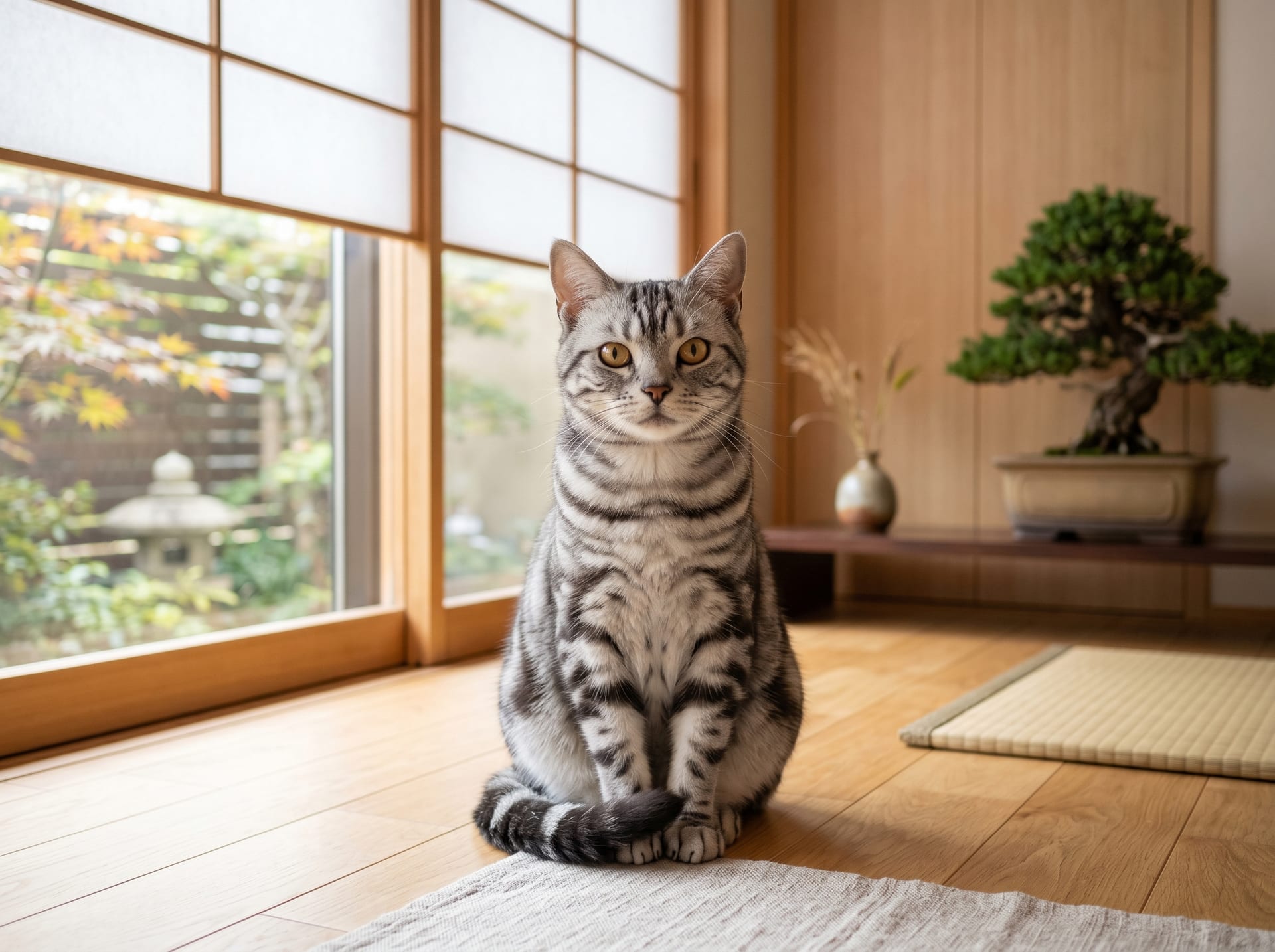
Cat litter is a crucial item that determines your cat's toilet environment, yet many cat owners find themselves overwhelmed by the variety of options available. The choice of cat litter directly affects how often your cat uses the litter box, and inappropriate litter can lead to litter avoidance and accidents outside the box. This article compares the characteristics of five major cat litter types and provides information to help you choose the best litter for both you and your cat. For example, short-haired breeds like American Shorthairs show less visible dust clinging to their fur, while long-haired cats are more sensitive to dust when grooming. The compatibility between different cat litter types and your cat varies depending on the breed.
Mineral-Based (Bentonite) Cat Litter: Most Popular with Cats
Mineral-based cat litter is made primarily from bentonite, a natural clay mineral, and is the type that best matches cats' preferences. Its particle size and texture closely resemble natural sand, satisfying cats' natural digging behavior, and most cats prefer to use it. It has strong clumping power—when it absorbs urine, it forms firm clumps that are easy to remove.
The odor control is among the best of the five types. Bentonite's fine structure absorbs ammonia odors and effectively traps urine smell. It also offers excellent cost-effectiveness; when purchased in bulk, the per-liter price is among the most affordable.
The main drawback is its weight (5-10 kilograms per bag), which can be burdensome for those living in high-rise apartments or elderly owners. Additionally, since the particles are fine, they easily stick to cats' paws and scatter throughout the room. You can minimize this somewhat by placing a mat around the litter box.
Disposal varies by municipality—some accept it as combustible waste, while others treat it as non-combustible. Check your local regulations beforehand. Never flush it down the toilet, as it will clog your pipes.
Paper-Based Cat Litter: Lightweight and Easy to Handle
Paper-based cat litter is made from recycled paper or pulp, and its greatest advantage is its lightweight—less than half the weight of mineral-based litter, making it easier to transport. Most products are white, making it easy to notice changes in urine color, which is beneficial for health monitoring. Early detection of blood in urine or color abnormalities is a significant advantage.
Paper-based litter comes in both clumping and non-clumping varieties. While clumping types don't hold together as firmly as mineral-based options, recent improvements have led to more products that clump reliably. Many are flushable, which is convenient for apartment dwellers in urban areas. However, flush small amounts at a time to avoid clogging.