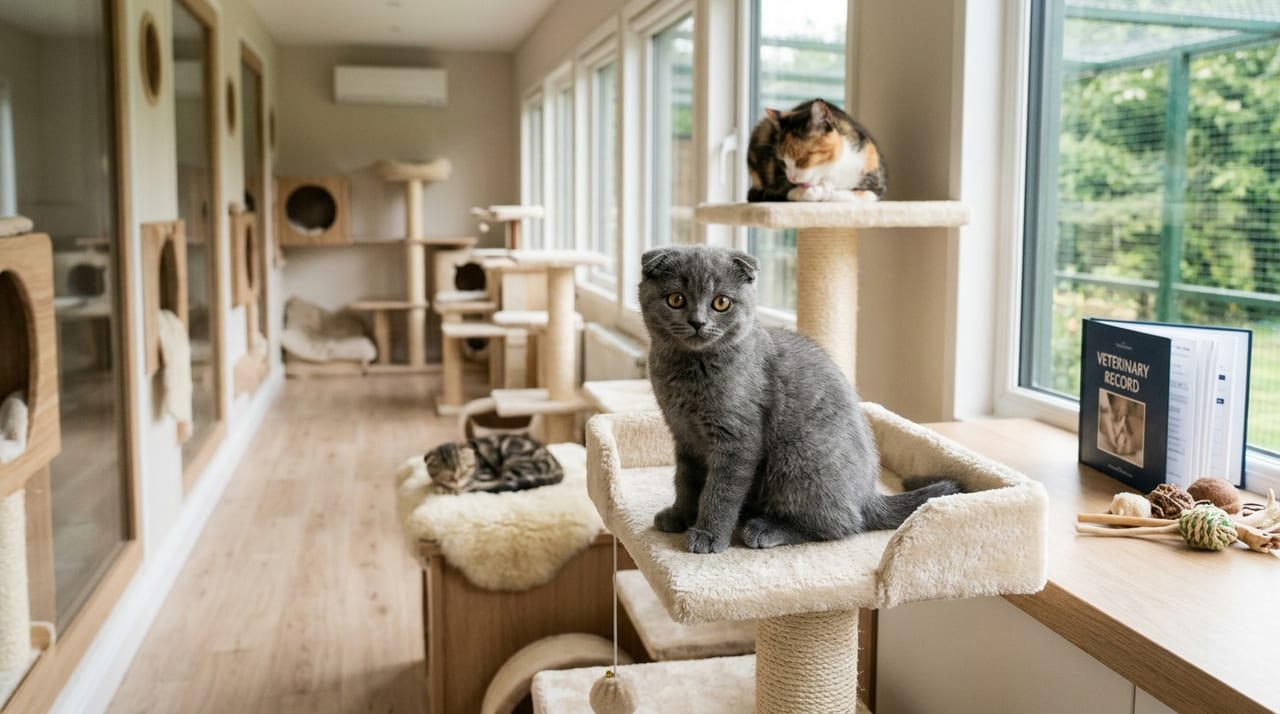
What is Multi-Cat Collapse?
"Multi-cat collapse" refers to a situation in which a pet owner is no longer able to appropriately manage and care for multiple pets, and the animals are placed in a poor environment. Cases have been reported where what started with just 2 or 3 cats resulted in dozens through repeated breeding without spaying or neutering, noticed only when the number had already exceeded dozens. Cats in particular have high reproductive capacity, and their numbers increase rapidly when unmanaged. Calculating from the number of kittens a single unspayed cat produces, one can see how dramatically the population can grow over multiple years.
In a state of multi-cat collapse, animals' basic welfare is severely compromised—adequate food does not reach all animals, insufficient litter boxes create unsanitary conditions, and infectious diseases spread without treatment available. The owner themselves becomes psychologically and financially trapped, unable to take action and creating a vicious cycle in which they cannot seek outside help.
The Animal Welfare and Management Law defines appropriate care and management as the owner's responsibility, and poor multi-cat breeding can constitute a legal violation. Multi-cat collapse is often discussed as an animal hoarding problem (a psychological tendency to compulsively collect animals), but it also occurs when community cat caretakers taking care with good intentions end up taking in too many cats, or when neglect results from economic hardship or caregiver burnout.
Early Signs of Overpopulation
Multi-cat collapse does not occur suddenly but worsens gradually. Recognizing early warning signs and taking action can prevent collapse. Family members, neighbors, and veterinarians often notice signs in addition to the owner themselves.
Signs from the Owner's Perspective:
- Unable to keep track of the number of cats being kept
- Spaying and neutering cannot keep up, with new kittens born every year
- Food and veterinary expenses are beginning to strain household finances
- Cleaning cannot keep up, with rooms and hallways soiled with feces and urine
- Unaware when specific cats go missing
Signs from the Animals' Perspective:
- Some cats are severely underweight
- Feline upper respiratory infections, skin diseases, and eye discharge are prevalent
- Bite wounds and fight injuries are constant
- Unable to intervene when specific cats are being systematically attacked by others
If multiple signs apply, do not assume "it's still manageable"—this is the time to seriously consider consulting trusted individuals or professional organizations.
Consulting and Coordinating with Government Agencies
If multi-cat care becomes unmanageable, consulting with your local municipal animal control office (health centers, animal welfare centers, etc.) is one option. Government agencies do not merely seize animals immediately, but may provide information about support measures and serve as intermediaries with related organizations depending on the situation.
Many people hesitate to consult due to anxiety that "consulting will result in all animals being taken away." However, in reality, current government policy is shifting toward emphasizing "owner support and guidance" over "seizure." If there is potential for improvement, agencies typically work within a framework of guidance and support toward proper animal care.
However, if animals are in a clearly painful, high-urgency situation, government agencies and police may be forced to prioritize animal rescue. Consulting early makes it easier to avoid worst-case scenarios for both animals and owners.
When consulting, organizing and providing the following information as much as possible will help the government office respond more effectively:
- Current number of cats being kept (approximate numbers are acceptable)
- Whether each individual cat has been spayed or neutered
- Recent problems (presence of injured or deceased cats, spread of infectious diseases, etc.)
- Overview of the owner's health status and economic situation
Consulting with Adoption Volunteers and NPOs
In addition to government offices, there is also the option of consulting NPOs, voluntary organizations, or individual volunteers that support animal adoption and foster care. Searching the internet with keywords such as "multi-cat collapse support + [prefecture name]" may help you find organizations active in your region.
These volunteer organizations operate independently of government agencies and may offer more flexible responses. However, acceptance capacity, availability of funding, and activity policies vary by organization. When consulting, it is good to confirm the following points:
- Availability of adoption and temporary care and their conditions
- Whether spaying and neutering support is available
- Approximate timeframe until foster families are found
- Whether there are any costs
When contacting multiple organizations, it is important to verify whether each organization conducts legitimate activities. Choose trustworthy organizations by referring to their track records, social media presence, and word-of-mouth feedback.
Fundamental Measures to Prevent Multi-Cat Collapse
The most reliable way to prevent multi-cat collapse is to spay or neuter all cats. Particularly when male and female cats live together indoors, breeding is almost certain to occur without surgery. Even if you believe "the cats I have now are already spayed/neutered, so it's fine," situations can arise where surgery cannot keep up each time a new cat is adopted.
Some municipalities have established subsidy programs for spaying and neutering costs targeted at multi-cat households and low-income families. If cost is delaying surgery, first consult with your municipality or veterinary clinic about the possibility of subsidies or installment payment options.
Furthermore, impulsively adding cats out of pity can be the gateway to multi-cat collapse. When considering adopting a new cat, it is important to calmly reassess your current care environment, economic situation, physical stamina, and life changes (moving, caregiving, employment, etc.), and consider the question: "Can I responsibly care for my current number of cats until the end of their lives?"
Pet Purchases Through Breeders and Multi-Cat Collapse
Adopting a cat from a trustworthy breeder leads to responsible ownership based on knowledge of the individual cat's health status and genetic background. Reputable breeders have a commitment to verifying that owners can provide appropriate care, and they confirm details such as current number of pets, living environment, and family composition before transferring the cat.
When adopting a cat through an online marketplace, it is also important to avoid impulse purchases and ask yourself whether your current care environment can properly accommodate a new individual. The accumulation of thinking "just this one cat..." can lead to multi-cat collapse years later. Adopting a pet is a long-term responsibility, and the quality of the initial decision determines the well-being of both the animal and the owner.