Guidelines for Responsible Breeding | Ethics and Best Practices for Breeders | ブリちょく
General| ✍️ BreederDirect Editorial
Guidelines for Responsible Breeding | Ethics and Best Practices for Breeders
Explaining the ethics and best practices of responsible breeding. Covers avoiding overbreeding, healthy selection, and honest information disclosure.
Key Takeaways
Explaining the ethics and best practices of responsible breeding. Covers avoiding overbreeding, healthy selection, and honest information disclosure.
What Does it Mean to Be a Responsible Breeder?
Breeding is not simply about multiplying and selling animals. It is the act of bringing new lives into the world, and you are expected to take responsibility for those lives until the end. The difference between a responsible breeder and a mere "mass producer" lies in whether or not they have this sense of responsibility.
✍️
BreederDirect Editorial
The BreederDirect editorial team specializes in care information for animals, covering veterinary care and breeding to deliver beginner-friendly guides.
In Japan, registration as an animal dealer is required by law, but this is merely the minimum standard. Beyond legal compliance, true responsible breeding requires awareness of animal welfare, honest communication with buyers, and promoting the healthy development of the entire industry.
Whether you are just starting your breeding journey or have years of experience, we hope this article will serve as an opportunity to reconsider what responsible breeding truly means.
---
Health Management and Planned Breeding
Ensuring the Health of Parent Animals
The quality of breeding is directly tied to the health of the parent animals. Using unhealthy individuals for breeding can result in weak offspring and higher rates of animals with compromised immunity. Before breeding, always check the following:
Weight and body condition are within appropriate ranges
Appetite, excretion, and behavior are normal
For reptiles, confirm the absence of parasites through fecal examination and similar tests
Keep records of veterinary visits and medical history
Breeding Based on Demand
The mindset of "breed because you can" is dangerous. It is important to plan breeding with careful consideration of whether you have secured homes for the offspring and whether demand and supply are balanced.
Unsold animals face the risk of losing proper care environments. Especially for species with high reproductive rates or high care difficulty, careful planning is necessary. By monitoring breeding seasons and market trends, and avoiding overbreeding, you contribute to animal welfare.
---
Genetic Considerations and Bloodline Management
Understanding the Risks of Inbreeding
Repeated inbreeding of the same bloodlines may fix certain traits in the short term but can cause "inbreeding depression" in the long term. Inbreeding depression manifests as reduced vigor, decreased immunity, and increased rates of birth defects.
By keeping breeding records and introducing outcrosses (breeding with different genetic lines) every 3-5 generations, you can maintain genetic diversity. Use pedigree documentation and record books to manage your breeding history.
Honest Approach to Genetic Diseases
Certain morphs (genetically determined color variations) can carry associated genetic diseases. Here are some notable examples:
Leopard Gecko Enigma Morph: May cause neurological disorders (Enigma Syndrome)
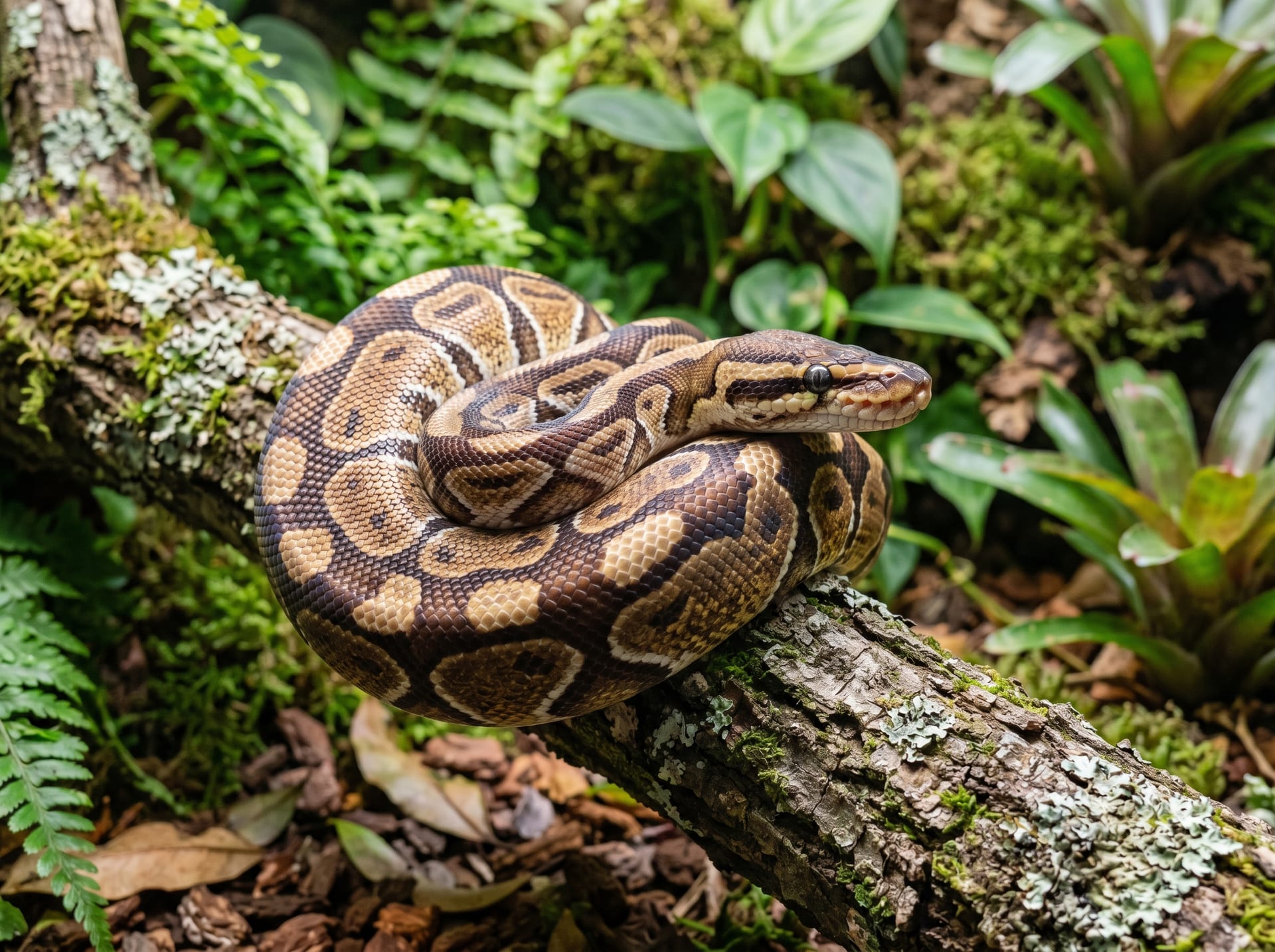
Ball Python Spider Morph: Prone to corkscrew (head tremors and neck tilt)
Blue Eyed Leucistic Morph: May express lethal genes through combinations of multiple genetic factors
Being aware of these genetic risks, avoiding problematic combinations, or honestly disclosing genetic background to buyers are conditions of responsible breeding. Knowledge and judgment that cannot be excused by "I didn't know" are required.
---
Honest Information Provision and Support for Buyers
The Obligation to Provide Accurate Information
Buyers trust breeders when acquiring animals. To honor that trust, you must provide the following information accurately:
The animal's current health status (weight, feeding status, recent excretion records)
Date of birth or hatching date and duration of care
Morph information and genetic background
Previous care conditions (temperature, humidity, types of food used)
Details of any medical history or treatments if applicable
Selling problematic animals as "problem-free" may boost short-term sales but will damage your reputation as a breeder in the long run. Honest information provision leads to repeat customers and positive word-of-mouth.
After-Purchase Support
Animal care begins the moment the purchase is made. For first-time keepers, even minor questions can become significant concerns. Providing post-purchase care advice is an important role for breeders.
Establish a system to provide advice on initial setup and addressing feeding refusal
In the event of shipping issues or health problems, respond honestly and fairly
Clearly outline your policies on returns, exchanges, and compensation in advance
Comprehensive after-purchase support not only gives buyers peace of mind but also improves the image of the industry as a whole.
---
Animal Welfare and Legal Compliance
Do Not Treat Life as a "Commodity"
While breeding is a business, you are dealing with living creatures. Prioritizing only price and profit at the expense of animal welfare is unacceptable for a breeder.
Ensure adequate space and appropriate environmental conditions
Avoid unnecessary stress or suffering
Promptly take ill animals to a veterinarian
Even for animals that cannot be sold, take responsibility by either providing lifetime care or finding trustworthy homes
Properly Understand Laws and Regulations
In Japan, selling or breeding animals as a business requires registration as an animal dealer (Class 1). Selling without registration violates the Animal Welfare and Management Law. Additionally, when handling invasive alien species or endangered species, other regulations may apply.
Legal compliance is the minimum obligation for breeders, and it is also important for maintaining industry credibility. We must not forget that the presence of unethical operators damages the reputation of all conscientious breeders.
---
br-choku's Safe and Secure System
br-choku is a direct-sales platform connecting ethical, responsible breeders with buyers seeking trustworthy sources. By enabling direct transactions between breeders and buyers without intermediaries, we create confidence in the following ways:
Transparent Transactions: Breeder profiles, care history, and sales track record are public, allowing buyers to verify if they can trust the seller
Detailed Animal Information: We provide systems for breeders to list detailed health status, pedigree, and morph information
Communication Features: Pre-purchase questions and post-purchase care advice can be conducted within the platform
Review and Rating System: Post-transaction evaluations accumulate, creating an environment where honest breeders are fairly evaluated
Responsible breeding is supported not just by individual breeders but by the entire community, including the platform and buyers. br-choku aims to contribute to fostering such a healthy breeding culture.