Senior Bird Care Guide — Caring for Aging Parrots & Finches
Guide to caring for senior birds: recognizing aging signs, diet adjustments, cage modifications, and managing age-related diseases.
Key Takeaways
Guide to caring for senior birds: recognizing aging signs, diet adjustments, cage modifications, and managing age-related diseases.
Related Species
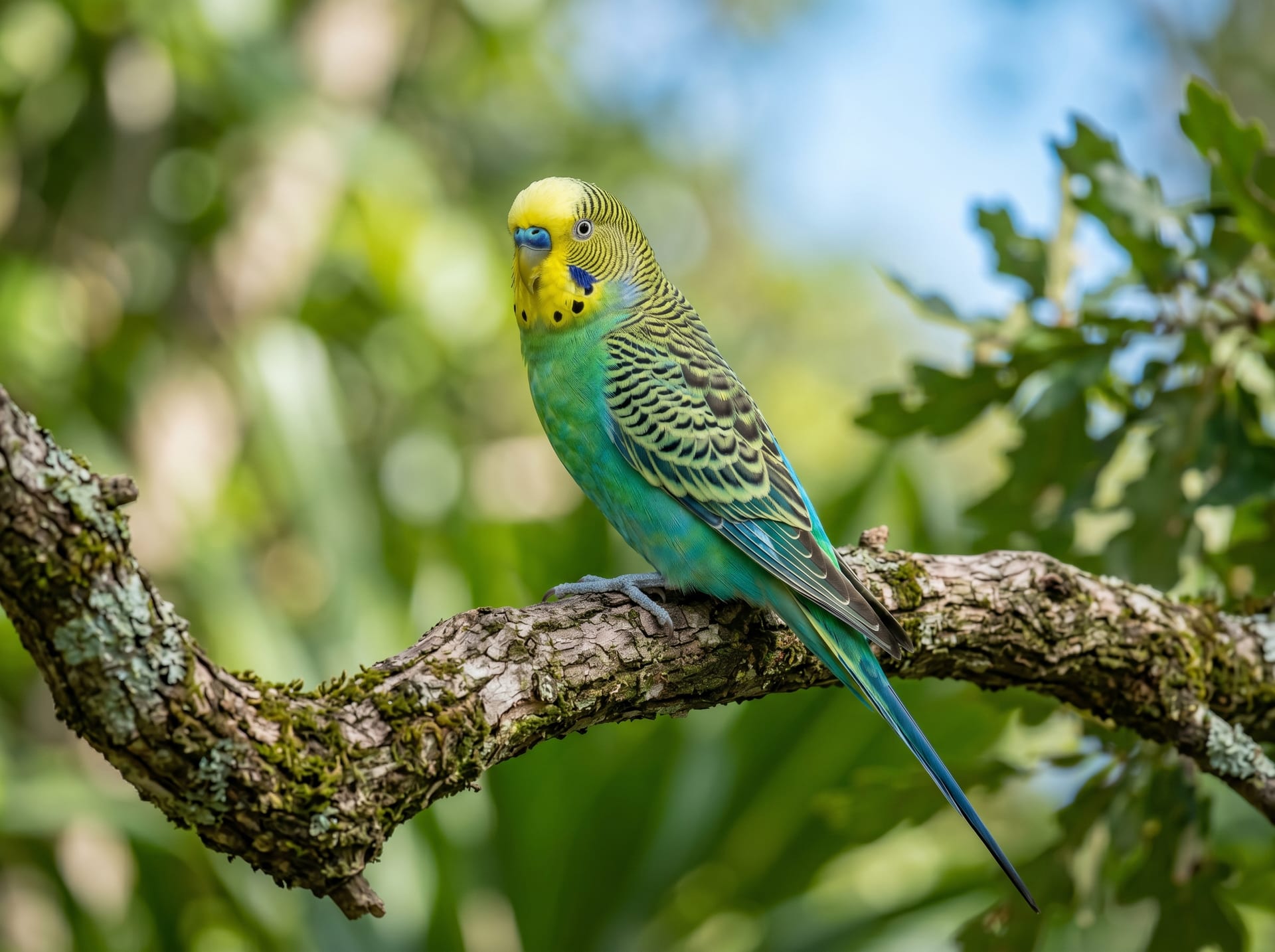
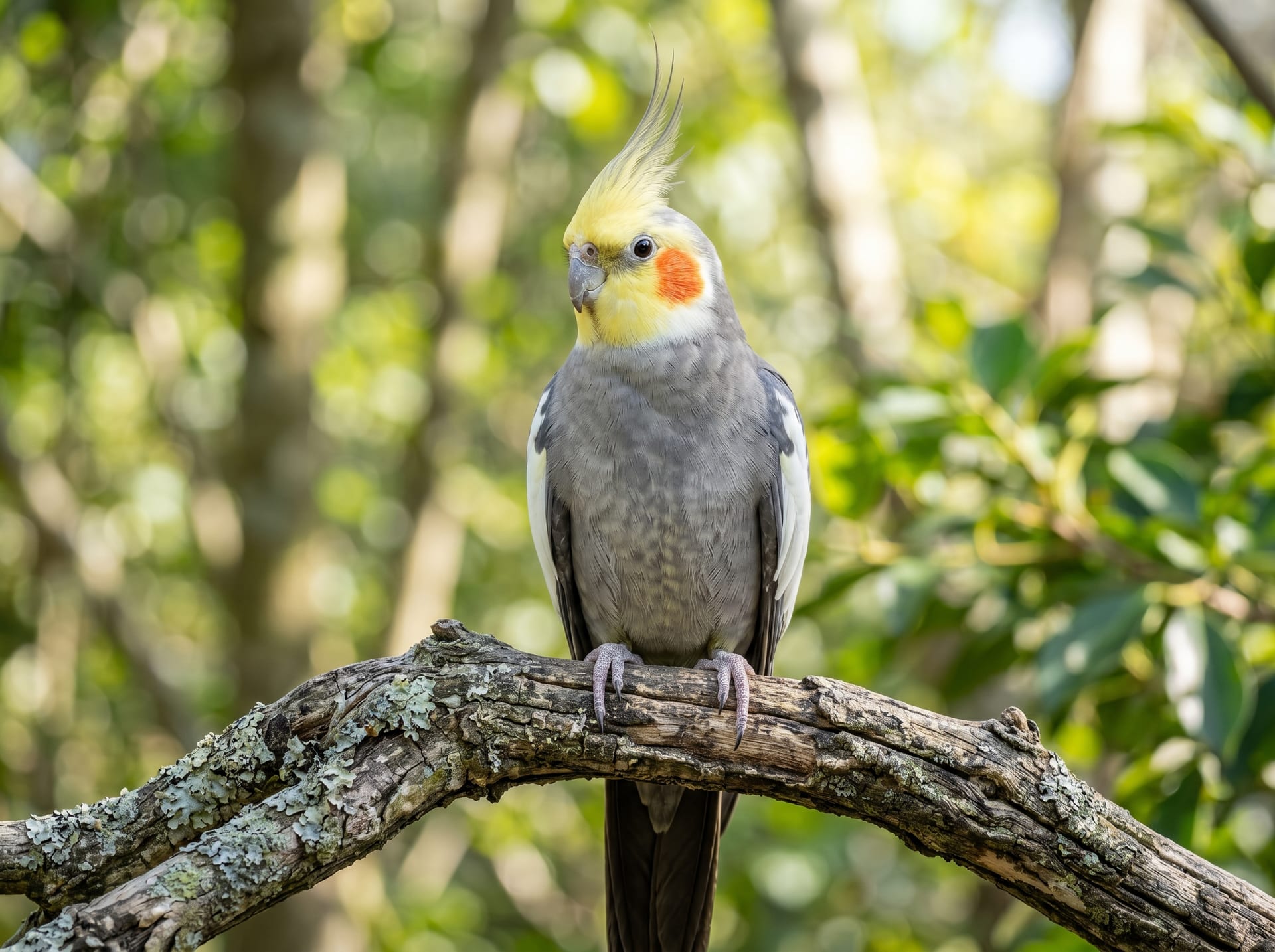
Birds are long-lived animals, with budgerigars living 7-10 years, cockatiels 15-20 years, and larger parrots potentially exceeding 50 years. As birds age, their physical abilities gradually decline, requiring different care approaches than younger birds. This article explains what to know about caring for aging birds and how to ensure comfortable senior years.
Recognizing Signs of Aging
Birds age more gradually than mammals, making it easy to miss the signs. Here are the key changes to watch for.
Reduced activity is one of the most noticeable changes. Senior birds spend more time sleeping, have shorter play sessions, and may rest on the cage floor more frequently. Budgerigars that once loved flying during out-of-cage time may become reluctant to fly or prefer walking.
Feather quality changes are also common. Feathers may lose their luster, molting may take longer to complete, or feathers may grow in unevenly. Bald patches that persist beyond normal molt cycles warrant veterinary attention.
Decreased grip strength is an important indicator. Senior birds may have difficulty gripping perches, slipping or falling more frequently. This may indicate arthritis or general muscle weakness. Providing wider, textured perches helps compensate for reduced grip.
Changes in vocalization patterns can also signal aging. Birds that were previously vocal may become quieter, or their calls may sound different. While some personality-related changes are normal, sudden dramatic changes should be evaluated by an avian veterinarian.
Environment Adjustments for Senior Birds
Modifying the cage environment helps senior birds navigate their space safely and comfortably.
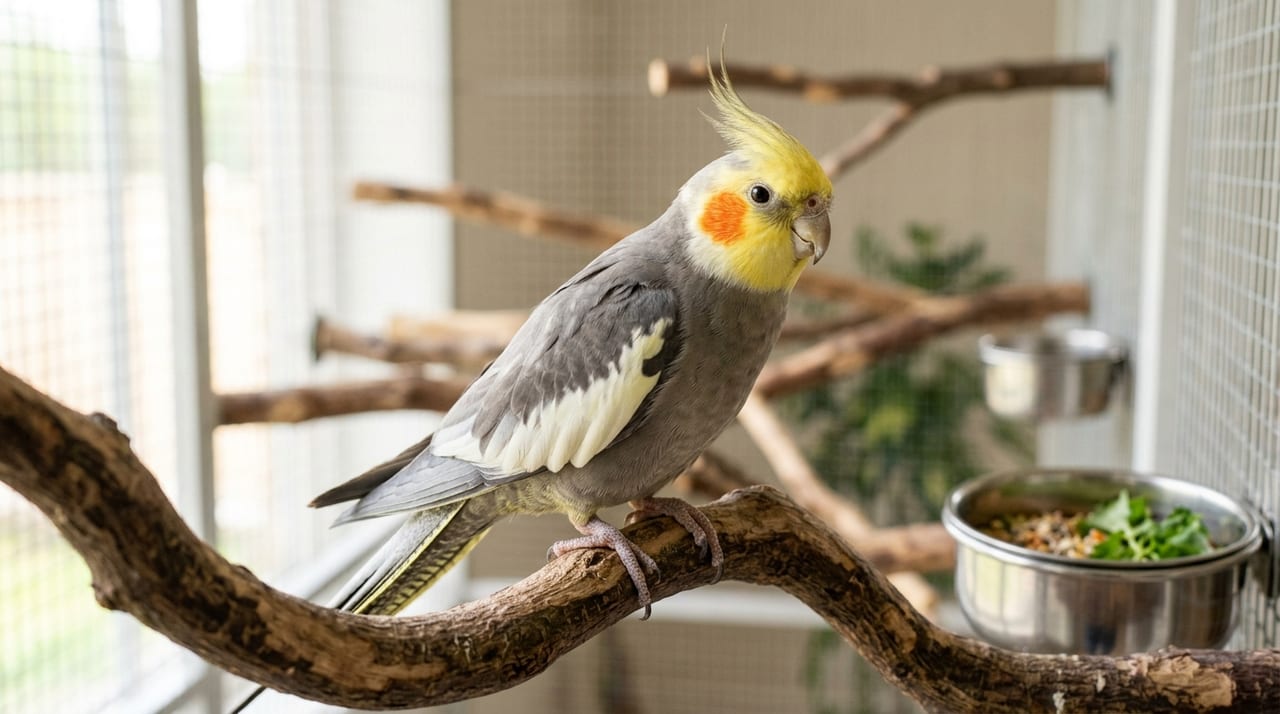
Lower perch placement reduces the risk of injury from falls. Place food and water dishes where they're easily accessible without requiring climbing. For birds with mobility issues, consider placing dishes on the cage floor temporarily.
Replace thin dowel perches with wider, varied-diameter natural wood perches or rope perches. These provide better grip and reduce foot fatigue. Platform perches (flat resting areas) give aging feet a break from constant gripping.
Maintain consistent cage temperature between 22-28 degrees Celsius. Senior birds are more susceptible to temperature fluctuations. Avoid drafts and position the cage away from windows and air conditioning vents. A ceramic heat lamp can provide supplemental warmth during cold months.