[2026] Top 5 Panel Heater Recommendations | For Reptiles & Small Animals
Compare panel heaters for Leopard Geckos, turtles, and hedgehogs. Reviews of Pitari Tekion and multi-panel heater options.
![[2026] Top 5 Panel Heater Recommendations | For Reptiles & Small Animals](https://img.br-choku.com/column-images/frilled-neck-lizard-care-guide/hero-1778525695621.jpg)
Key Takeaways
Compare panel heaters for Leopard Geckos, turtles, and hedgehogs. Reviews of Pitari Tekion and multi-panel heater options.
Related Species
What is a Panel Heater? Why It's Essential for Reptile Care
Reptiles are ectothermic animals and cannot regulate their body temperature independently. Therefore, the most fundamental aspect of care in a captive environment is creating a "temperature gradient" so that animals can choose between warmer and cooler zones. Panel heaters work by gently warming the cage floor, making it easy to achieve this essential temperature gradient—they're an indispensable tool.
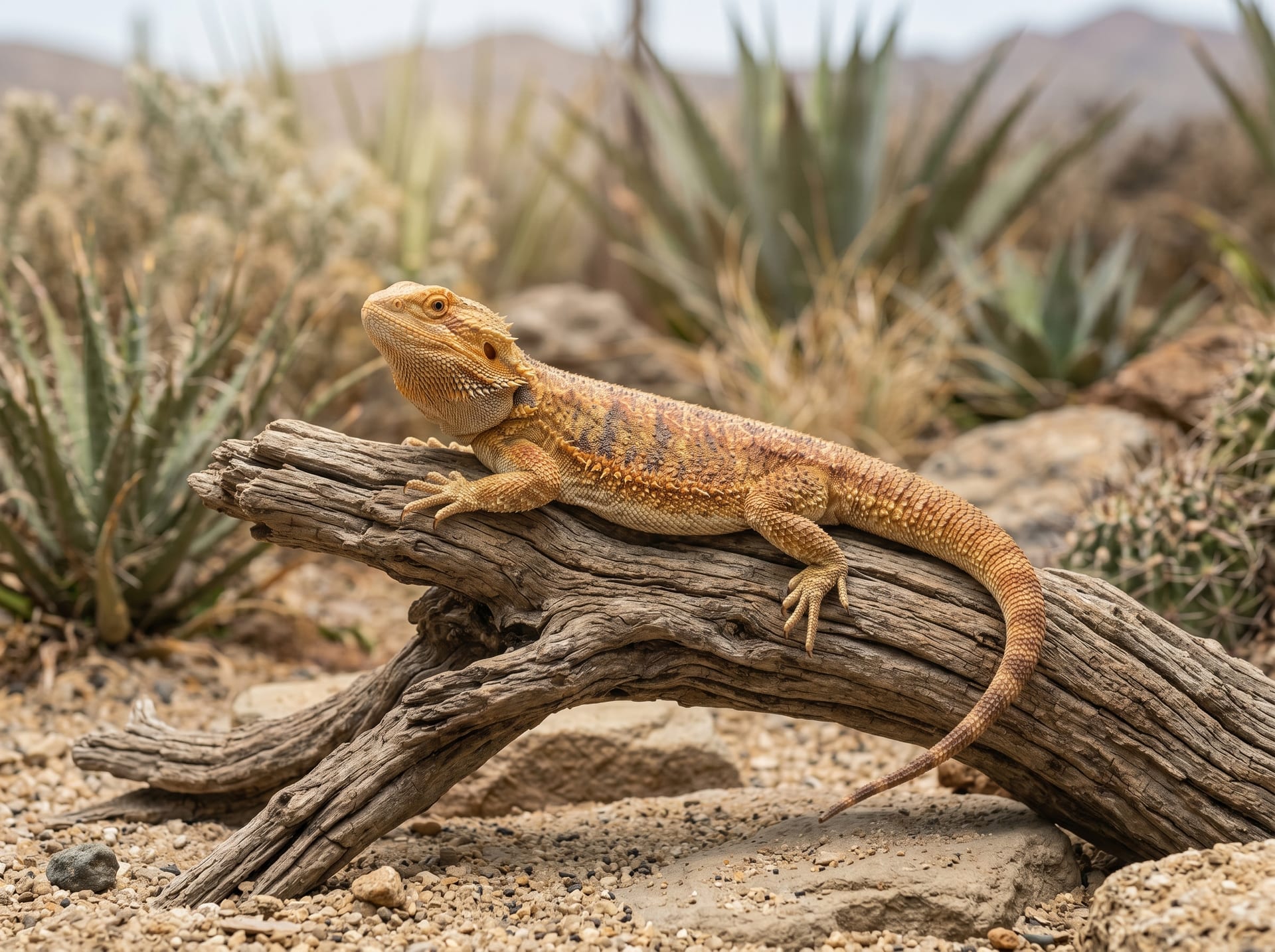
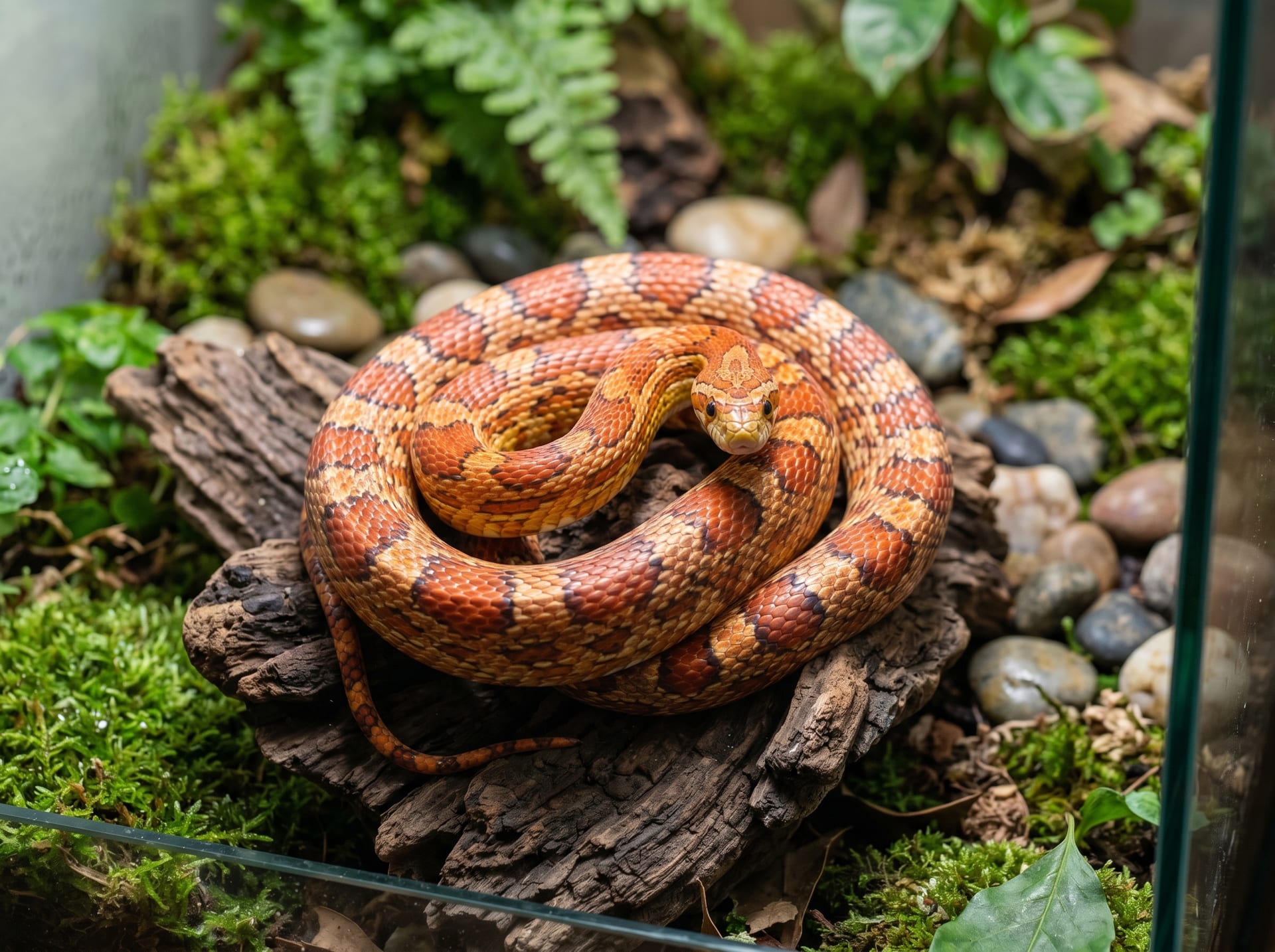
In particular, popular species like Leopard Geckos, Corn Snakes, and Bearded Dragons have a natural habit of absorbing heat through their belly to aid digestion. "Ventral heating" via panel heaters is directly linked to preventing digestive issues and maintaining activity levels—something that air conditioning alone cannot replace. It plays a critical role that cannot be substituted by climate control alone.
The basic installation approach is to cover approximately 1/3 to 1/2 of the cage floor with the panel heater. If you cover the entire floor, the animal loses escape routes and risks heat stroke or thermal burns. Always install the heater on the outside of the cage (beneath the floor) in a structure where the animal cannot directly contact it.
Selection Criteria: 3 Standards to Avoid Mistakes
While many products are available on the market, focusing on the following three points will greatly narrow down your options.
1. Match Between Cage Size and Wattage
Panel heaters are designed for specific cage sizes. Using a heater that's too large for a small cage causes overheating, while using one that's too small for a large cage won't adequately raise the temperature. Always check your cage's floor dimensions before purchasing.
2. Whether Temperature Control is Available
There are fixed-temperature models and adjustable models with a dial. Variable-type heaters that can be adjusted to match your species' ideal temperature range offer greater versatility and adapt more easily to seasonal changes. Regardless, using a thermostat in combination with any heater is the foundation of safe temperature management.
3. Water-Resistant and Moisture-Proof Design
In setups for moisture-dependent species like geckos and frogs, condensation or water may contact the equipment. Choosing a water-resistant model significantly reduces the risk of electrical hazards and equipment failure.
Top 5 Recommended Panel Heaters
1. Midori Shogai Pitari Tekion Plus #2 (approximately $25)
A tried-and-true model long trusted by Leopard Gecko keepers. The surface temperature is set at approximately 42°C (108°F), making it ideal for 30cm-class cages. Its simple structure makes maintenance easy, and it's highly recommended as a beginner's first heater. The thin design means minimal height differential with the cage.
2. Vivaria Multi Panel Heater 16W (approximately $35)
Features an adjustable temperature dial allowing fine-tuning between 25–45°C (77–113°F). Useful for keepers with multiple species or when different species require different temperatures. While the price is higher, the long-term convenience and versatility make this investment worthwhile.
3. GEX Reptile Heat S (approximately $20)
Features an industry-leading ultra-thin design that fits easily even in tight rack setups. Water-resistant design handles high-humidity environments well. Excellent cost-performance ratio; widely used by breeders managing multiple enclosures.
4. Gex Exo Terra Heat Glow (approximately $30)
The standout feature is its uniform heat distribution and stable surface temperature. Hot spots are minimized, allowing animals to utilize the temperature gradient more naturally. Pairs well with thermostats and suits intermediate to advanced keepers seeking precise temperature control.
5. Midori Shogai Danatsu S-Size (approximately $40)
Technically a radiant heater mounted on the cage ceiling, but the combination of "panel heater on the bottom + ceiling heater" is a golden setup practiced by many experienced keepers. It gently warms the entire cage while the temperature difference with the floor heater creates a strong gradient. In winter environments where room temperature drops below 15°C (59°F), the ceiling heater alone may be insufficient—plan for combined use.
Important Safety Guidelines
No matter how excellent the equipment, improper use endangers your animal. Follow these points without exception:
- Install on the outside of the cage (beneath the floor): Direct contact causes thermal burns
- Do not cover the entire cage floor: Loss of temperature gradient prevents thermoregulation (target no more than 1/2 of floor area)
- Always use with a thermostat: Panel heaters alone can overheat. In summer, room temperature combined with heater output may exceed safe levels
- Regularly check surface temperature: Use a thermal gun or thermometer to verify the heater is functioning as set
- Watch for cord degradation: Extended use can harden or fray wires. Inspect regularly; replace immediately if damaged
Additionally, keep a backup heater on hand for power outages or equipment failure. Reptiles are vulnerable to rapid temperature drops, and winter power loss poses serious risk to survival.
Summary
Panel heaters are fundamental to temperature management in reptile care. Selecting the right product for your species, cage size, and environment—and using it with a thermostat—is the first step to healthy husbandry.
For beginners, Midori Shogai Pitari Tekion Plus is recommended; for flexible temperature control, Vivaria Multi Panel Heater; and for managing multiple cages, GEX Reptile Heat. Start with one unit and observe your animal's behavior (where it naturally spends time) to fine-tune placement and temperature.
For more detailed information on reptile care environments and temperature management, visit our Reptile Column Collection. Acquiring healthy individuals from trusted breeders is key to long-term success. On BreederDirect's Reptile Category, breeders list directly, allowing you to consult them about care environments and temperature questions before purchase. When choosing equipment, you benefit from advice from breeders who know their animals intimately.