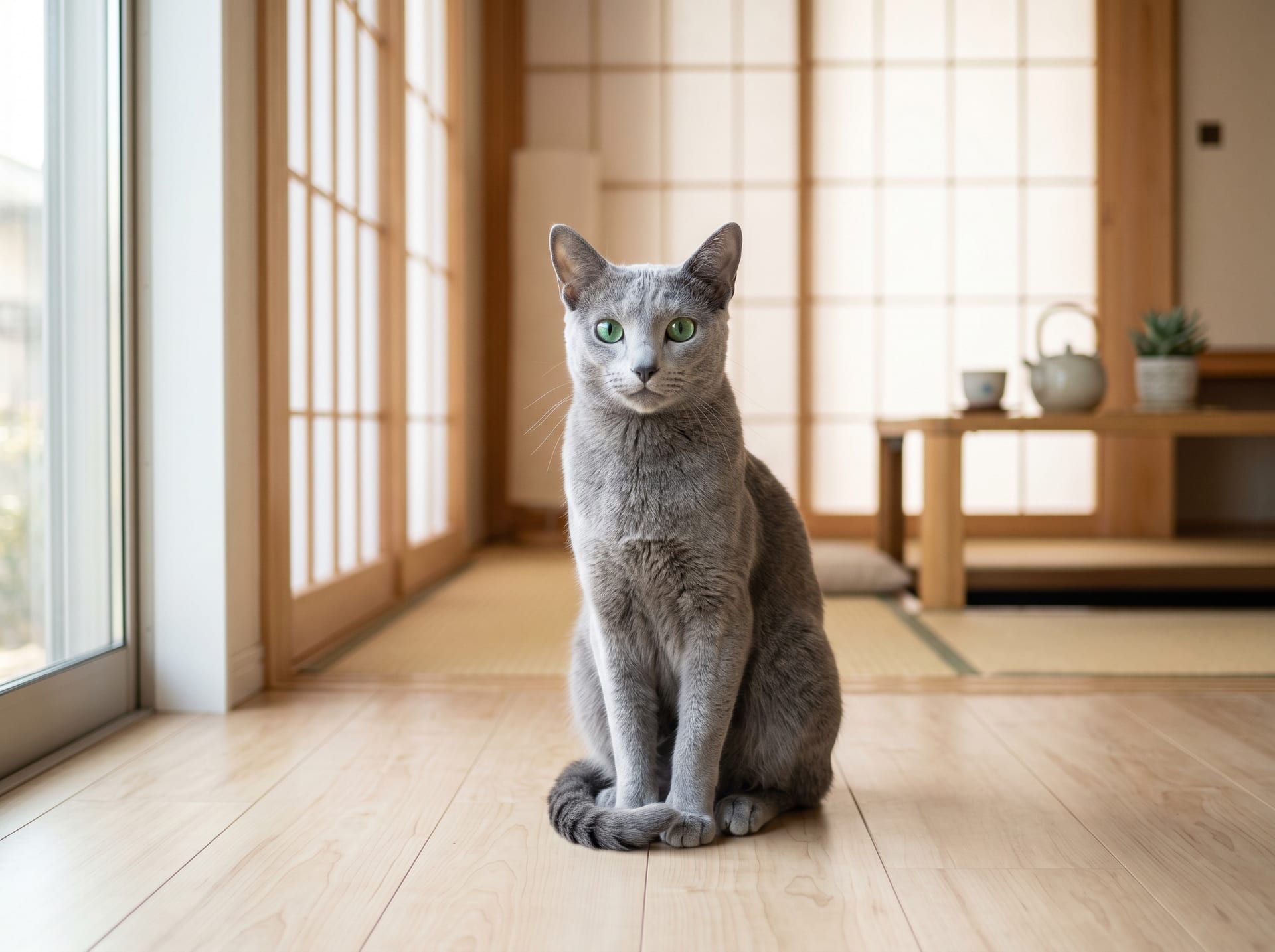
俄羅斯藍貓
一種被毛呈藍灰色、眼睛翠綠的美麗貓咪。性格內向謹慎,但一旦信任對方,就會表現出深深的愛意。安靜溫柔,聰慧過人。
View 俄羅斯藍貓 encyclopedia →- 價格行情
- ¥70,000〜¥238,000
成交手續費 0%!2026年9月30日前註冊,前 2 筆成交免佣金!
繁殖者 招募中!
在 BreederDirect 上架,直接銷售給全國各地的客戶!
BreederDirect的 4 大信任保障
在全部幼貓上架中,繁殖者都會揭示下列資訊。為提供安全透明的直銷交易,BreederDirect將法定義務項目設為必填。
- 晶片必填
- 疫苗接種
- 健康檢查完成
- 附血統證
※ 依據《動物保護法》(2022年6月施行),繁殖者出品的寵物必須植入晶片(貓犬皆適用)。
查看全部74個貓種
貓分類正在招募認證繁殖者
繁殖者正在陸續註冊,即將上架。設定上架通知,不錯過新商品。
「接收上架通知」需免費註冊會員即可設定。當有符合您儲存條件的新商品上架時,我們會以郵件和站內通知提醒您。
俄羅斯藍貓的基本資料
- 飼養難度
- 適合新手
- 壽命
- 15~20年
- 體型
- 體重3〜5.5kg
- 飲食
- 營養全面的貓糧。由於食慾旺盛,需要控制進食量以預防肥胖
- 性格
- 性格內向,初期謹慎,但對家族深深忠誠。安靜溫順
- 運動量
- 喜歡適度運動。用互動玩具玩耍效果顯著
- 被毛·護理
- 雙層短毛皮毛密實,掉毛較少。每週梳毛1~2次即可
- 原產國
- 俄羅斯(阿爾漢格爾斯克)
- 注意事項
- 對壓力敏感,不適應環境變化。維持安靜穩定的環境至關重要
關於俄羅斯藍貓
俄羅斯藍貓的起源地位於俄羅斯西北部的阿爾漢格爾斯克港附近,於19世紀後期傳入英國並確立為一個貓種。二戰後種群數量大幅下滑,但在歐洲愛好者的堅持下得以恢復,如今已成為世界各地廣為喜愛的貓種。其最顯著的外觀特徵是被毛——藍灰色的銀灰色毛髮形成雙層毛,在不同光線下呈現微妙的光澤。幼貓時期眼睛呈黃色調,隨著成長逐漸演變成鮮豔的翡翠綠。性格謹慎細膩,智力高、觀察力強,但對熟悉的人也會撒嬌。叫聲小,也很少破壞室內,因此適合喜歡安靜生活的人或公寓飼養。
迎接俄羅斯藍貓前需要了解的7件事
1需要時間來適應
俄羅斯藍貓警惕性強,對新環境和陌生人會保持距離。不要急著靠近,應該按照貓咪的節奏建立信任關係。一旦適應了,牠們往往會對唯一的主人表現出特殊的親昵感。
2偏好安靜環境
不習慣嘈雜環境和突然的巨大聲響,容易感到壓力,有著敏感的一面。在有小孩或來客頻繁的家庭中,應該給貓咪安排一個安靜的躲避處所。這種貓咪適合變化較少、生活節奏穩定的環境。
3容易發胖
這種貓食欲旺盛,會吃完給予的所有食物,因此需要注意肥胖。要嚴格控制每次給食的量,避免過度給予零食。維持適當的體重可以減少關節和內臟的負擔。
4梳毛相對容易
短而密集的雙層毛髮會脫毛,但不容易打結,日常梳理每週1〜2次即可充分滿足。在換毛期(春秋)脫毛會略有增加,增加梳理頻率可以幫助保持室內清潔。
5也要尊重獨處的時間
俄羅斯藍貓具有獨立性,相對容易適應獨處的時間。但如果長期留守,它也可能會感到孤獨,可通過玩具和環境豐富化來提供刺激。即使單獨飼養,這個貓種也能生活得很幸福。
6發揮聰慧的遊戲
由於這是一隻聰慧的貓,它比起簡單的玩具,更喜歡需要用腦的益智餵食器和互動遊戲。每天確保與主人一起玩耍的時間,可以提高精神滿足感。通過遊戲還能加深與貓的紐帶。
7初期費用和維持費的估計
從繁殖者處購買的價格一般約為15萬〜30萬日元,根據血統和毛色等級會有所不同。每月費用包括食物、貓砂、醫療費用(疫苗、健康檢查等),預計在1〜2萬日元左右較為穩妥。建議盡早考慮購買寵物保險。
俄羅斯藍貓的常見問題
- Q.初學者可以飼養俄羅斯藍貓嗎?
- A.雖然需要時間來適應其敏感的一面,但基本照護並不困難,這是一個容易讓初學者飼養的品種。如果您能尊重貓的步調,就能建立深厚的羈絆。
- Q.掉毛多嗎?對過敏的影響如何?
- A.與其他品種相比,掉毛趨勢較少,據說產生Fel d1蛋白質過敏原的分泌量也相對較少。但是它並非完全無過敏原,因此建議您事先與真實的貓接觸,以確認過敏反應。
- Q.牠們能與其他寵物和孩子相處融洽嗎?
- A.由於性格謹慎,對環境變化和嘈雜聲敏感。雖然可以與其他寵物或孩子同居,但準備充分的適應期和為貓提供安全的避難所是很重要的。
- Q.單只飼養和多只飼養,哪一種更合適?
- A.由於其對特定對象建立深厚親密關係的性質,單只飼養能夠深化與主人的羈絆,這種飼養方式很適合它。多只飼養並非不可能,但選擇性格相合的夥伴需要時間。
- Q.壽命有多長,容易患什麼病?
- A.平均壽命約為15〜20年,是壽命相對較長的品種。雖然嚴重的遺傳疾病較少,但需要注意肥胖和泌尿系統問題。定期體檢和適當的飲食管理能夠促進長壽。
適合飼養俄羅斯藍貓的實用工具
Learn more about 俄羅斯藍貓 in the encyclopedia
查看俄羅斯藍貓的圖鑑條目 →
收錄飼養難度、壽命、體長、食性等基礎資料。