成交手續費 0%!2026年9月30日前註冊,前 2 筆成交免佣金!
繁殖者 招募中!
在 BreederDirect 上架,直接銷售給全國各地的客戶!
BreederDirect的 4 大信任保障
在全部幼貓上架中,繁殖者都會揭示下列資訊。為提供安全透明的直銷交易,BreederDirect將法定義務項目設為必填。
- 晶片必填
- 疫苗接種
- 健康檢查完成
- 附血統證
※ 依據《動物保護法》(2022年6月施行),繁殖者出品的寵物必須植入晶片(貓犬皆適用)。
查看全部74個貓種
貓分類正在招募認證繁殖者
繁殖者正在陸續註冊,即將上架。設定上架通知,不錯過新商品。
「接收上架通知」需免費註冊會員即可設定。當有符合您儲存條件的新商品上架時,我們會以郵件和站內通知提醒您。
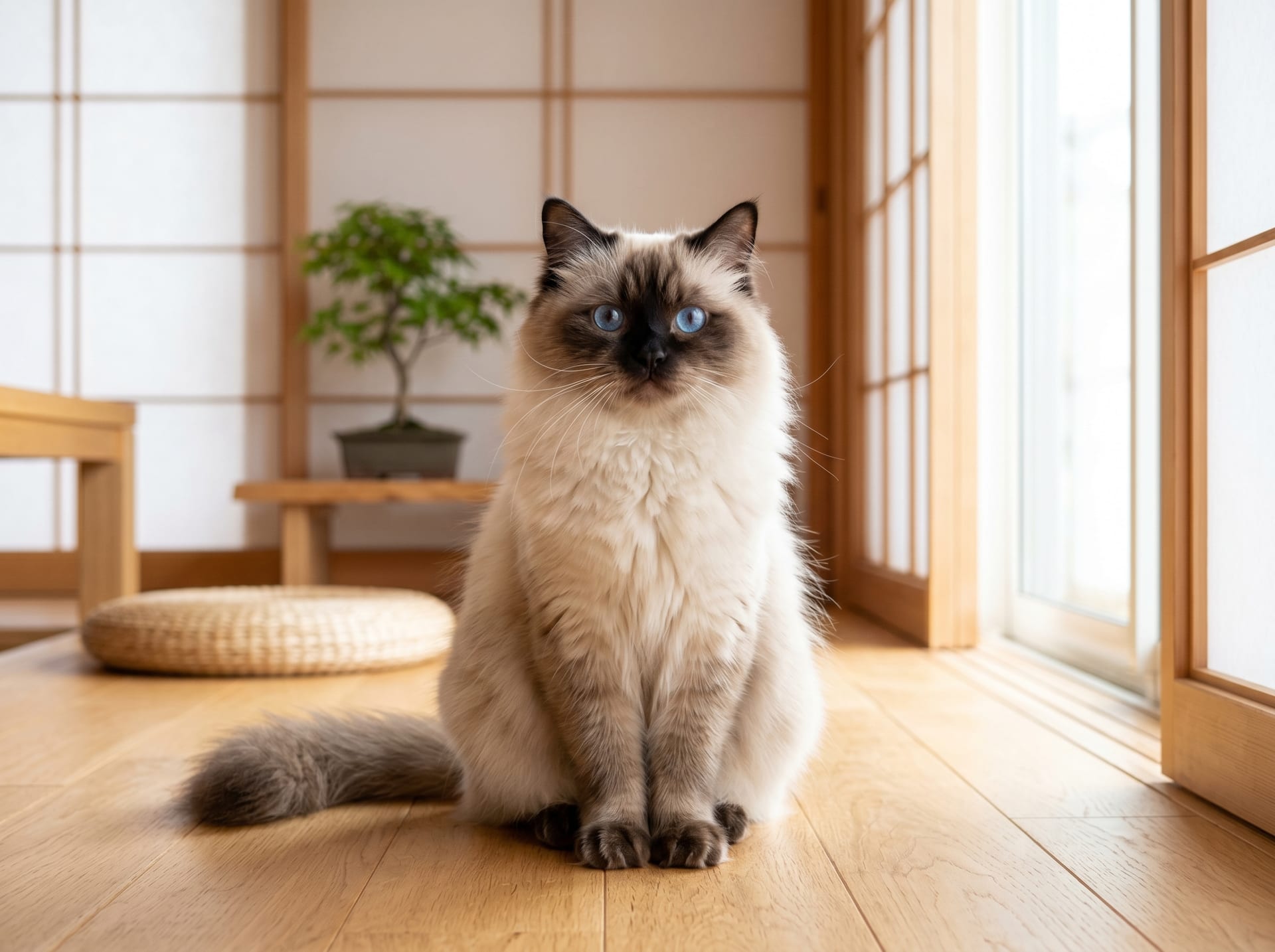
喜馬拉雅貓的基本資料
- 飼養難度
- 適合中級者
- 壽命
- 9〜15年
- 體型
- 體重3.5〜6kg
- 飲食
- 完全營養貓糧。使用淺盤盛裝食物便於進食
- 性格
- 性格溫和、喜歡撒嬌。偏好安靜的環境,不適應吵鬧的地方。
- 運動量
- 活動量較少,室內的輕度遊戲即可滿足。
- 被毛·護理
- 濃密的長毛需要每日梳理,這是必不可少的。面部護理也同樣重要。
- 原產國
- 美國/英國
- 注意事項
- 因為是短頭種,容易出現呼吸道問題和淚痕。還需要留意多囊腎。
關於喜馬拉雅貓
喜馬拉雅貓是1950年代在美國正式確立的貓種,通過反復雜交將波斯貓的體型和被毛與暹羅貓的重點色相結合。擁有海豹色、藍色、火焰色等多樣的重點色,藍寶石般的眼睛與華麗毛髮相得益彰,展現出獨特的氣質。體格像波斯貓一樣粗壯,屬於中大型貓,臉部特徵為圓臉且略顯扁平。性格溫和悠閒,不會過度索求,喜歡靜靜地靠在主人身邊。叫聲輕微,即使在公寓也容易飼養,這是許多人選擇牠們的重要原因之一。由於毛髮的美麗,每日梳理和定期健康管理是必須的,但也正因為這樣的用心,牠們能給主人帶來深厚的感情聯繫和充實的陪伴時光。
迎接喜馬拉雅貓前需要了解的7件事
1每日梳毛是必需的
喜馬拉雅貓長而密集的被毛若不每日梳理,很快就會打結。使用梳子和開結刷梳理,特別要仔細護理腋下和頸部周圍。定期修剪也會使護理變得更簡單。
2眼屎護理不可或缺
喜馬拉雅貓具有扁臉貓的特點,由於淚液容易流出的構造,眼部分泌物容易積累。每天或每隔幾天,用濕潤的棉球輕輕擦拭眼睛周圍。如果不加處理,可能導致毛髮變色或皮膚問題。
3喜歡安靜環境的性格
喜馬拉雅貓性格溫和靜謐,容易因大聲噪音和急劇的環境變化而感到壓力。在有小孩或大型犬的家庭中,確保為貓咪提供一個安靜的專用空間很重要。牠們特別適應悠閒的生活節奏家庭。
4注意呼吸道和心臟疾病
短頭品種的結構可能會導致呼吸困難。此外,已知存在肥大型心肌病(HCM)的遺傳風險,因此建議定期進行獸醫心臟檢查。特別是在炎熱季節和運動後,需要特別注意呼吸狀態。
5相比多貓或劇烈運動,更需穩定的室內生活
喜馬拉雅貓比起活躍地四處跑動,更喜歡悠閒地度過每一天。它偏好在陽光充足的地方放鬆,或在主人身邊慢慢陪伴。由於運動量較少,為了進行體重管理,需要特別注意食量。
6預算美容費用
除了居家梳理,還需要定期進行專業美容師的護理,這幾乎是必需的。特別是在夏季,許多飼養者出於衛生考慮希望進行夏季剪毛,因此在年度預算中納入美容費用會更放心。
7確認PKD(多囊腎病)
喜馬拉雅貓帶有波斯血統,因此存在多囊腎病(PKD)的遺傳風險。從繁殖者那裡迎接貓咪時,強烈建議確認親貓的PKD檢查結果。早期發現可以通過定期觀察和生活管理來保持長期健康。
喜馬拉雅貓的常見問題
- Q.喜馬拉雅貓掉毛很多嗎?
- A.是的,由於是長毛品種,掉毛屬於相當多的一類。特別是在季節交替時,換毛會增加,因此每日梳毛和定期清潔是必不可少的。許多飼主會活用掃地機器人和粘毛滾筒。
- Q.初次養貓的人也能飼養嗎?
- A.雖然性格溫和、容易駕馭,但每日梳毛、眼部護理和健康管理所需的時間和費用比其他貓種要多。如果能充分安排照護的時間和費用,即使初學者也完全可以飼養。
- Q.喜馬拉雅貓怕熱嗎?
- A.由於短頭種的特性和厚重的被毛,高溫潮濕的環境並不適合它們。夏季需要用空調將室溫保持在26℃左右,並確保有避免直射日光的場所。對中暑需要特別注意。
- Q.它們能與其他寵物和孩子相處融洽嗎?
- A.基本上因為性格溫和且攻擊性低,與溫和的孩子或其他貓咪經過逐步適應後往往能相處融洽。但它們容易對嘈雜的環境和突然的接觸感到壓力,因此以尊重貓咪節奏的方式與之互動是很重要的。
- Q.喜馬拉雅貓的平均壽命大約是多少?
- A.一般壽命在12〜15年左右。通過對遺傳性疾病(如PKD、HCM等)的早期篩查,堅持定期的獸醫檢查,能夠幫助牠們更加健康長壽。
適合飼養喜馬拉雅貓的實用工具
Learn more about 喜馬拉雅貓 in the encyclopedia
查看喜馬拉雅貓的圖鑑條目 →
收錄飼養難度、壽命、體長、食性等基礎資料。