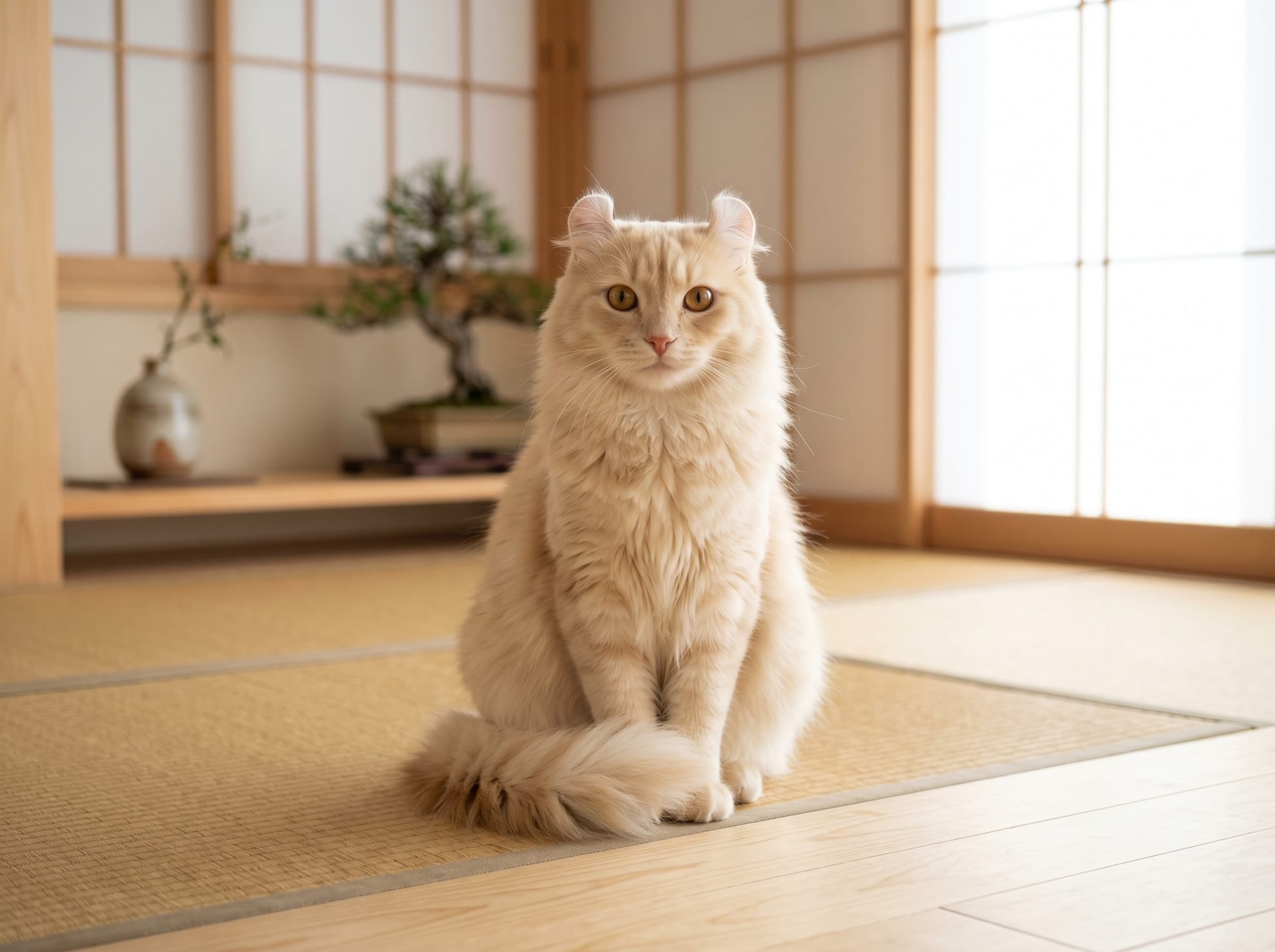
美國捲耳貓
向後捲曲的耳朵是其最大特徵。一個1981年在美國偶然發現的相對較新的貓種。性格友善,適應力強,容易與兒童和其他寵物相處融洽。
View 美國捲耳貓 encyclopedia →- 價格行情
- ¥70,000〜¥238,000
成交手續費 0%!2026年9月30日前註冊,前 2 筆成交免佣金!
繁殖者 招募中!
在 BreederDirect 上架,直接銷售給全國各地的客戶!
BreederDirect的 4 大信任保障
在全部幼貓上架中,繁殖者都會揭示下列資訊。為提供安全透明的直銷交易,BreederDirect將法定義務項目設為必填。
- 晶片必填
- 疫苗接種
- 健康檢查完成
- 附血統證
※ 依據《動物保護法》(2022年6月施行),繁殖者出品的寵物必須植入晶片(貓犬皆適用)。
查看全部74個貓種
貓分類正在招募認證繁殖者
繁殖者正在陸續註冊,即將上架。設定上架通知,不錯過新商品。
「接收上架通知」需免費註冊會員即可設定。當有符合您儲存條件的新商品上架時,我們會以郵件和站內通知提醒您。
美國捲耳貓的基本資料
- 飼養難度
- 適合新手
- 壽命
- 12~16年
- 體型
- 體重2.5~5公斤
- 飲食
- 綜合營養貓糧。每天2餐
- 性格
- 友善且適應力強。能與兒童和其他寵物相處融洽的社交性格
- 運動量
- 喜歡適度運動。好玩但以溫和的節奏享受活動
- 被毛・梳理
- 短毛和長毛兩種。短毛每週梳理一次,長毛每週梳理兩次即可
- 原產國
- 美國
- 注意事項
- 捲曲的耳朵軟骨堅硬,切勿粗暴對待。需定期清潔耳道
關於美國捲耳貓
美國卷毛貓的歷史始於1981年,當時一隻絲滑質感的流浪貓在加州萊克伍德被喬·魯加和格蕾絲·魯格夫婦撿起。這隻貓"蘇拉莫"所生小貓的耳朵向後捲曲,因此作為新品種引起關注,僅僅6年後的1987年就被國際愛貓協會(CFA)正式登記。在純種貓中,它擁有源於自然突變的罕見起源。外觀最顯著的特徵是由耳朵軟骨變異產生的獨特捲曲,捲曲的角度因個體而異。體型中等,肌肉發達,絲質的毛髮和大而圓潤的核桃形眼睛相結合,給人優雅的印象。性格溫和而好奇,對人和動物的適應力高,容易與兒童建立良好關係。正如"永恆的小貓"這一別稱所示,即使成年後仍保留愛玩的特點。遺傳疾病相對較少,是初學者相對容易飼養的貓種。
迎接美國捲耳貓前需要了解的7件事
1耳朵處理需要格外謹慎
捲曲的耳朵因軟骨變異,強行彎曲會導致疼痛和損傷。特別是當孩子觸摸時,一定要教導他們溫柔對待。定期保持耳內清潔很重要。
2小貓的耳朵不會立即捲曲
新生小貓的耳朵是豎直的,生後約2〜10天開始捲曲,大約4個月時形狀固定。捲曲的程度(16〜180度)因個體而異,是否達到展示品質由捲曲角度決定。在帶回家前最好確認耳朵的狀態。
3分為半長毛和短毛兩種類型
美國捲毛貓有短毛和半長毛(柔軟的絹毛)兩種。兩種都掉毛較少,每週梳毛1~2次就足以維護。由於底毛較少,毛髮蓬鬆感適中,不易產生毛團。
4社交型,但能保持適當的距離感
雖然性格親切、喜好玩耍,但不會過度依賴。主人忙碌時能夠自立生活,對獨處的適應能力較強,也適合單身人士飼養。不過還是不太喜歡被完全忽視,建議每天安排幾次互動時間會比較好。
5成年後依然保持玩耍之心
有時被稱為「永恆的小貓」,即使成年後也保持活潑好玩的特點。對玩具和高處的興趣不易消退,所以貓爬架和互動玩具能長期發揮作用。
6遺傳性疾病風險相對較低
美國捲毛貓源於野貓的自然突變,因此比一般純種貓的近親繁殖問題較少。不過有時會報告與耳軟骨異常相關的情況,所以從信譽良好的繁殖者處獲得,並定期進行獸醫檢查是很重要的。
7初期費用與每月營運成本
日本國內美國捲毛貓(American Curl)的購買價格大約在15萬~30萬日元左右,具體價格根據捲度品質和血統有所不同。每月的飼料費、消耗品、保險、定期健檢等營運成本預計在1萬~2萬日元左右。
美國捲耳貓的常見問題
- Q.美國捲毛貓的耳朵什麼時候開始捲起來?
- A.從出生後2~10天左右開始出現捲度,到4個月左右時最終形狀就會固定。捲度的程度因個體而異,有時也會生出完全不捲的小貓。
- Q.可以和其他貓或狗一起飼養嗎?
- A.美國捲毛貓適應能力強,與其他寵物也相對容易建立良好關係。不過任何動物都存在個體差異,所以引入時需要花時間慢慢讓牠們相互熟悉,這一點很重要。
- Q.掉毛多嗎?梳理起來很麻煩嗎?
- A.掉毛相對較少,由於底毛較薄,每週梳理1~2次就足夠了。長毛種也不容易生成毛球,即使是初學者也很容易照顧。
- Q.捲曲的耳朵可以摸嗎?
- A.輕輕觸摸沒有問題,但是用力拉伸或彎折耳朵可能會傷害軟骨。特別是要告訴小孩子一定要輕輕觸摸。
- Q.美國捲毛貓的平均壽命是多少?
- A.一般認為壽命約為12〜16年,在貓中屬於較長壽的。由於源自自然突變,遺傳多樣性相對保持較好,遺傳性疾病較少。定期體檢和均衡飲食是長壽的關鍵。
適合飼養美國捲耳貓的實用工具
在圖鑑中詳細了解美國捲耳貓
查看美國捲耳貓的圖鑑條目 →
收錄飼養難度、壽命、體長、食性等基礎資料。