成交手续费0%!2026年9月30日前注册,前 2 笔成交免佣金!
繁殖者 招募中!
在BreederDirect发布商品,直接销售给全国客户!
我们的 6 大透明度承诺
上架小动物时,繁殖者公示以下信息。确保健康检查、疫苗接种、芯片植入等信息的完全透明。
- 驯化程度
- 健康检查
- 疫苗接种
- 芯片植入
- 实物照片
- 月龄说明
查看全部28个品种
已注册的繁殖者(抢先看)
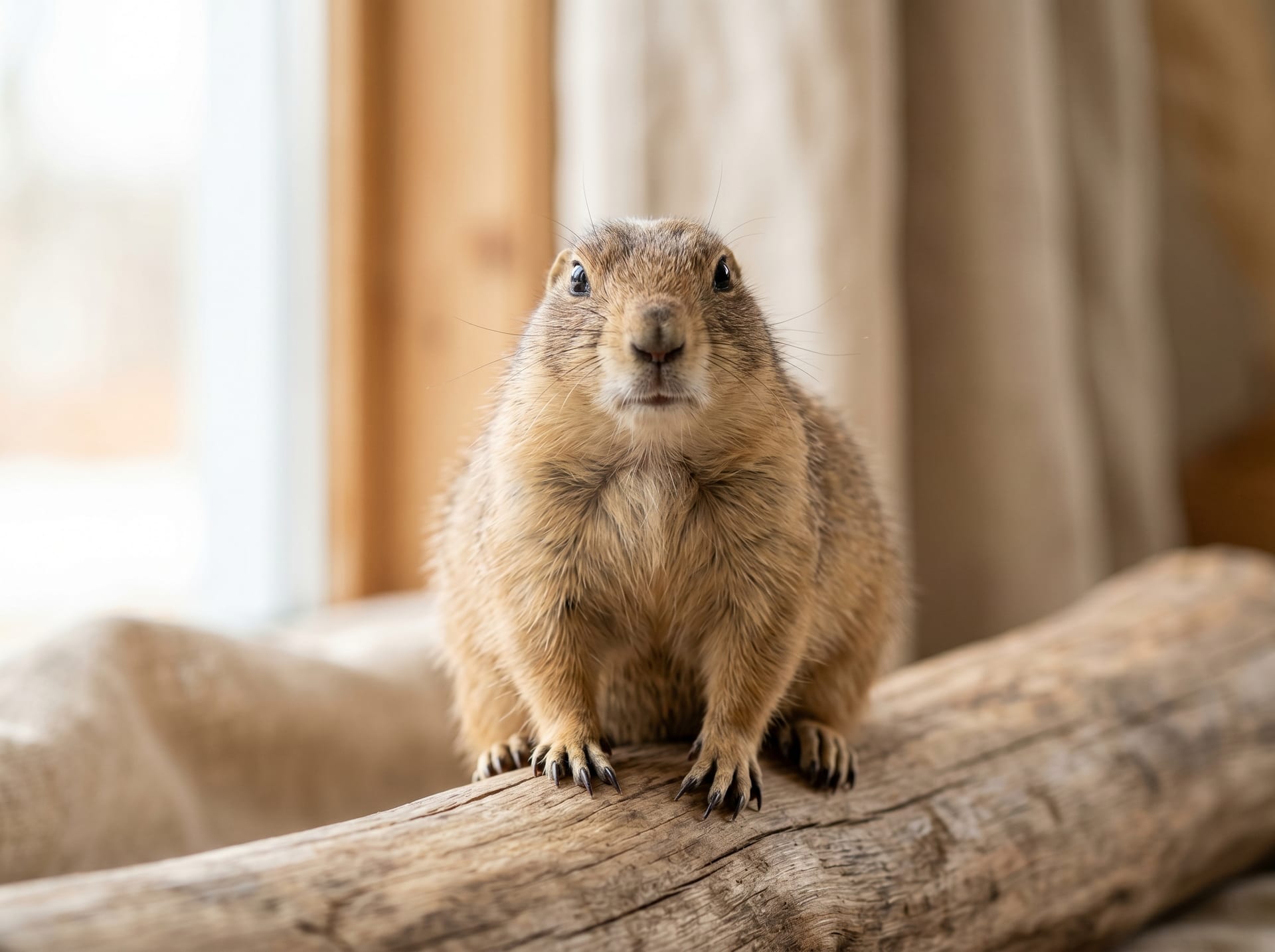
草原犬鼠的基本数据
- 饲养难度
- 适合高级者
- 寿命
- 8~12年
- 体型
- 30〜40cm / 0.7〜1.5kg
- 饮食
- 提摩西草料(主食)、草原犬鼠专用颗粒、蔬菜
- 饲养环境
- 在宽敞的笼子中放入土壤,满足其挖掘的行为需求。地下型笼舍也很受欢迎。
- 社交性
- 非常社交性强,对主人有强烈的依恋。喜欢身体接触
- 饮食
- 草食性。以提摩西牧草为主食,颗粒饲料为辅助。水果仅少量给予
- 注意事项
- 发情期可能会出现攻击性。需确认《动物保护法》的相关规制
关于草原犬鼠
草原犬鼠是分布于北美大平原的松鼠科啮齿动物,其名称源自其独特的鸣叫声酷似犬吠。在野生环境中,它们形成数十至数百头规模的"镇"(Town)群落,以哨兵行为和警戒鸣声等高度的社会行为而闻名。体长约30〜35cm,体重约0.5〜1.5kg,圆润的体型、短尾和浑圆的脸部给人以可爱的印象。毛色基本为棕色至黄褐色,但也有白化和白系等改良品种在市场流通。作为宠物,最大的魅力在于经过驯化后会乐于被主人抱起,通过鸣声和姿态积极进行交流,性格好奇、爱玩。另一方面,它们也具有领地意识,因此从幼小时期开始的社会化和日常的互动是建立信任关系的基础。
迎接草原犬鼠前需要了解的7件事
1群居的社会性
野生环境中的大规模群落生活使得它们非常害怕孤独。单独饲养时,每天充分的皮肤接触是必不可少的。如果条件允许,饲养2头以上也是一种选择。
2需要宽敞的笼子
由于性格活泼好动,需要准备横纵都足够宽敞的大型笼舍。它们有挖掘巢穴的本能,因此铺设厚层垫材或准备挖掘盒可以满足其行为需求。每天还应确保笼外运动的时间。
3饲食以牧草为主
以提摩西草等禾本科牧草为主食,配合少量蔬菜和专用颗粒饲料为基本平衡。种子和甜味水果容易导致肥胖和蛀牙,投喂时需留意不要过量。记得随时准备新鲜饮用水。
4注意类冬眠状态
气温下降时,动物可能进入半冬眠状态,活动会变得非常缓慢。将室温维持在约18~26℃可以预防此情况。不过,如果动物突然不动了,可能存在低体温症的风险,应及时咨询兽医。
5异宠动物诊疗
能够诊治草原犬鼠的动物医院仍然有限,因此提前寻找能够处理外来动物的兽医是非常重要的。在定期体检时,也要记得要求进行牙科检查,以检查釉质过长等问题。
6驯养需要时间
刚接手时,它们警惕心强,也可能会咬人。不要强行触摸,而应该从轻声交谈和手递零食开始,逐步缩小距离。一旦习惯了,它们会变得非常撒娇,甚至会主动依偎靠近你。
7确认法律和获取渠道
在日本,饲养草原犬鼠本身是允许的,但因为进口管制有历史背景,在获取个体时,重要的是确认饲养者或销售店的信誉。从传染病风险的角度来看,你也应该选择健康管理得当的个体。
草原犬鼠的常见问题
- Q.一个人可以养草原犬鼠吗?
- A.虽然独自饲养是可能的,但由于它们是社交性动物,每日亲近互动非常重要。如果您经常需要长时间外出,不妨考虑饲养两只。
- Q.异味和鸣叫声是否令人困扰?
- A.体味相对较轻,但保持笼子清洁很重要。它们富有表现力,在兴奋或警觉时会频繁发声。虽然许多情况下可以在集合住宅中饲养,但需要考虑周围邻居。
- Q.寿命有多长?
- A.在合适的饲养环境下,它们通常能活8~10年,作为小动物来说寿命相对较长。定期的健康检查和饮食管理是长寿的关键。
- Q.可以和其他宠物一起养吗?
- A.由于与犬、猫等捕食动物放在同一空间很危险,基本上需要分开管理。同种个体根据相性可以一起饲养,但引入时需要设置一个谨慎的适应期。
- Q.它们有咬人的习性吗?可以训练吗?
- A.陌生的个体或受到惊吓时可能会咬人。从幼体开始,通过反复细心的饲养与驯化,可以大幅降低咬人的习性。它们还可以学会自己的名字、学会使用厕所等,在一定程度上是可以进行训练的。
适合饲养草原犬鼠的实用工具
Learn more about 草原犬鼠 in the encyclopedia
查看草原犬鼠的图鉴条目 →
收录饲养难度、寿命、体长、食性等基础数据。